
Used 2019 Passenger Van Trucks For Sale
Shop used 2019 passenger van trucks for sale, including full-size and wheelchair-accessible vans with flexible seating and shuttle-ready specs.
Learn moreBrowse Passenger Van Trucks by Make

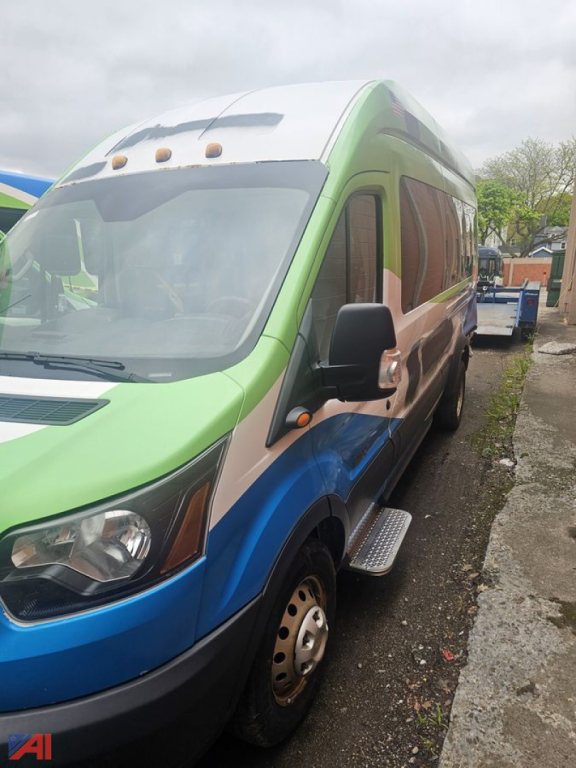
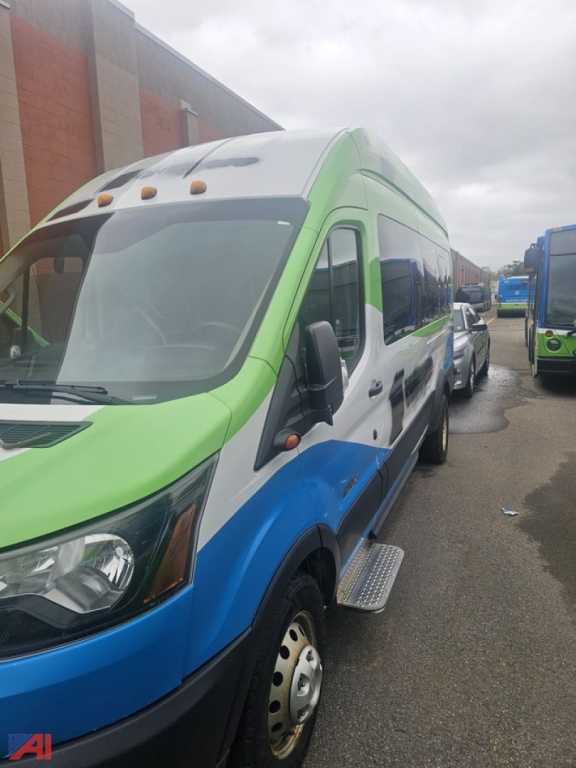
Have used 2019 passenger van truck to sell? List it here to reach thousands of buyers.
About Used 2019 Passenger Van Trucks
A 2019 passenger van can range from a standard multi-row people mover to an ADA-oriented unit with a wheelchair lift or ramp, tie-downs, grab handles, and modified flooring. Buyers should confirm original OEM seating capacity versus current upfit layout, especially on used units that may have been converted for paratransit or specialty transport. Rear HVAC performance, front and rear A/C controls, step-in height, side and rear door access, and headroom all affect day-to-day usability. On accessible vans, inspect lift cycle operation, platform size, interlocks, restraint systems, and door seals, since those items drive both uptime and passenger safety.
Powertrain and chassis decisions are still important, but operating profile usually determines the right setup. Gas engines are common in this class and are well-suited to local route work, stop-and-go service, and lower annual mileage. Wheelbase and overall length affect turning radius, parking, and curbside loading, while GVWR and axle ratings matter once the van is fully loaded with passengers, mobility equipment, or luggage. Suspension condition, brake wear, tire age, transmission behavior, and evidence of repeated fleet service should be reviewed closely on any 2019 used passenger van. Service records are especially valuable on former shuttle, airport, medical, or municipal units because idle hours and frequent door cycles can tell a different story than odometer mileage alone.
For many buyers, the best used 2019 passenger van is the one with the right interior configuration and compliance history, not simply the lowest miles. Confirm seat mount integrity, emergency exits, lighting, backup camera function, and any commercial-use requirements that apply in your state. If the van was used in passenger-for-hire or medical service, check for signs of heavy ingress and egress wear on floors, steps, hinges, and lift components. A clean, well-maintained 2019 van can be a cost-effective platform for shuttle service, assisted transport, group travel, or mixed passenger and cargo work, especially when the layout already fits the route.
Frequently Asked Questions
What should I check first on a used 2019 passenger van?
Start with seating configuration, access equipment, and service history. A used 2019 passenger van may look clean but still have heavy wear in the areas that matter most, including seat bases, floor attachment points, side door hardware, rear HVAC components, and suspension. If it is a wheelchair-accessible van, verify lift or ramp operation, restraint systems, and interlocks before focusing on cosmetics. Mileage matters, but passenger loading cycles, idle time, and prior fleet use often tell more about condition than the odometer alone.
Are 2019 passenger vans good for shuttle and medical transport applications?
Yes, many 2019 passenger vans are well-suited for shuttle, assisted living, church, hotel, school, and non-emergency medical transport work. This model year commonly offers modern safety features, flexible seating layouts, and upfit compatibility without the price of a new van. The key is matching the van to the route. Short local loops, airport shuttle work, and ADA transport all place different demands on door access, headroom, climate control, and passenger flow.
What is the difference between a standard passenger van and a wheelchair-accessible passenger van?
A standard passenger van is built primarily around fixed seating capacity and routine people-moving duty. A wheelchair-accessible passenger van includes mobility equipment such as a lift or ramp, wheelchair securement points, occupant restraint systems, and often a modified interior layout to create maneuvering space. Accessible vans should also be checked for ADA-related equipment condition, proper tie-down placement, and smooth lift operation under load.
How important is seating capacity on a used passenger van?
Seating capacity is one of the most important buying factors because it affects revenue potential, licensing requirements, insurance, and passenger comfort. Buyers should confirm how many legal seating positions remain after any upfit or interior modification. A van that started as a high-capacity passenger model may now be configured for fewer passengers if it was converted for wheelchair service, luggage space, or specialty transport. Always compare the current layout to the vehicle’s intended duty cycle.
Do used 2019 passenger vans hold up well in fleet service?
They can hold up very well when maintenance has been consistent and the interior has not been neglected. Passenger vans used in municipal, church, airport, or medical fleets often receive regular service, but they can also accumulate wear quickly from frequent stops, idling, and constant passenger entry and exit. Brake condition, tire age, transmission performance, door hardware, and climate control systems deserve close attention because those are common wear points in fleet-operated passenger vans.