
Ottawa Trucks For Sale
Compare Ottawa yard spotter trucks. Learn DOT vs off-road specs, 4x2 vs 6x4, engines, fifth-wheel lift, and features for ports and DCs.
Learn moreBrowse Ottawa Trucks by Category
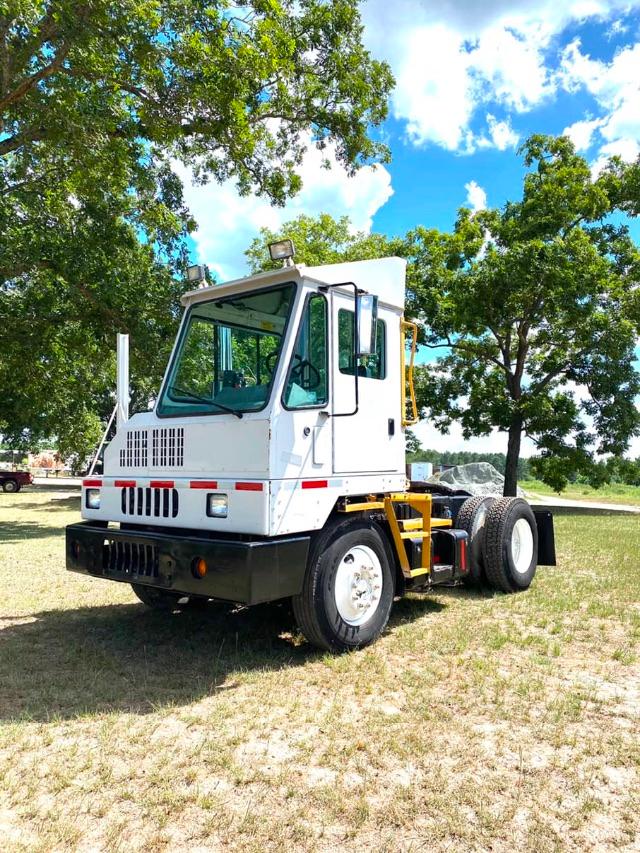
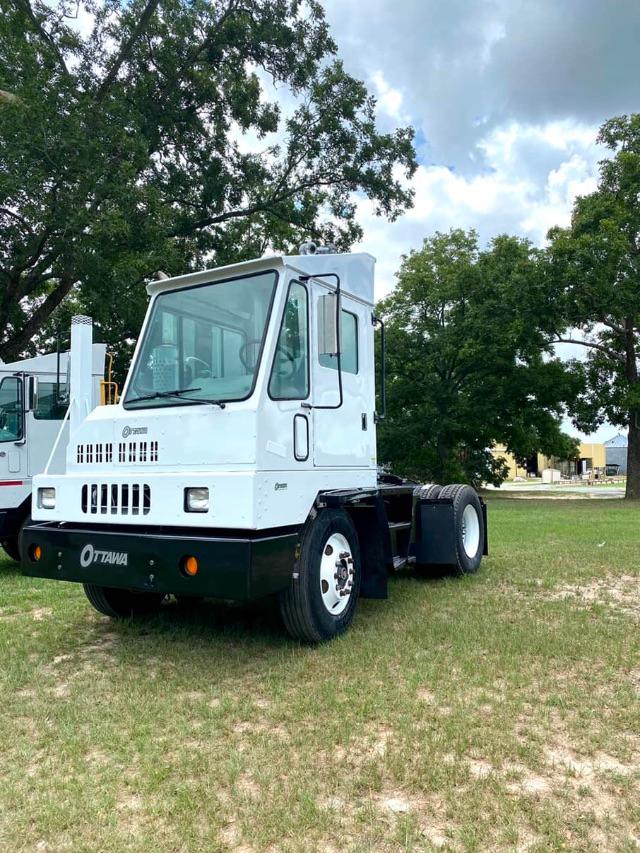
Showing 13 to 14 of 14 results
Have ottawa truck to sell? List it here to reach thousands of buyers.
About Ottawa Trucks
The core value is fast trailer handling. Ottawa’s hydraulic elevating fifth wheel lifts the nose of the trailer so drivers avoid cranking landing gear. Typical lift is roughly 15 to 17 inches with 60,000 to 70,000 pound rating, paired to deep-reduction rear axles for high drawbar pull at low speed. Most trucks run Allison 3000 or 3500 series automatics behind Cummins 5.9 or 6.7 liter engines, with air brakes on 11R22.5 tires. The cab is designed for productivity and safety with a rear sliding door, curbside steps, ground-level air and electrical connections, and controls for lift and trailer air release. Options you will see include auto-lube systems, in-cab gladhand releases, cab air suspension, heated mirrors, LED work lights, and extended fuel or DEF capacity on later models.
Spec trade-offs matter. A 4x2 is the standard for grocery DCs and general freight yards where surfaces are paved and loads are typical. A 6x4 shines in ports, steep grades, soft ground, or heavy container work thanks to added traction and higher GCW support, at the cost of higher tire and maintenance spend. Short wheelbase improves maneuverability in tight lanes, while longer wheelbase increases stability under heavy lifts. Emissions era is a major consideration. Pre-2007 units avoid aftertreatment entirely, 2007 to 2009 bring DPF-only systems, and 2010 and newer add SCR with DEF. Modern aftertreatment runs well if the truck reaches proper temperatures and completes regens, but chronic short-idle duty can require disciplined maintenance. Electric Ottawa models are appearing and can cut fuel and service costs for sites with charging and predictable shift windows.
Evaluate hours over miles, since terminal tractors live at low speed. Inspect the boom pins and bushings, fifth wheel top plate and release linkage, frame and rear crossmember for impact repairs, hydraulic hoses for leaks, and the rear door tracks. Check the Allison for crisp shifts and verify service records. Review DPF ash load and regen history on newer trucks. Tires, steer axle kingpins, service brakes, and air system integrity are common wear points. Climate features like block heaters, high-output alternators, and stronger HVAC are worth the money in extreme regions. Choosing the right Ottawa spec by duty cycle, surface conditions, and emissions strategy lowers total cost and speeds turns from day one.
Frequently Asked Questions
What is the difference between DOT and off-road Ottawa yard trucks?
DOT trucks carry the lighting, mirrors, ABS, emissions equipment, and gearing required for limited on-road use between facilities. They are plated and compliant for street travel. Off-road units are intended to stay inside private yards and typically cost less to buy and maintain, with specs focused on low-speed yard work. Pick DOT only if you will legally travel on public roads.
Should I choose a 4x2 or a 6x4 Ottawa for my operation?
A 4x2 is the common choice for paved DCs with standard freight. It offers tighter turning, lower curb weight, fewer tires, and lower operating cost. A 6x4 is better for ports, rail ramps, grades, soft surfaces, or heavy container work where traction and higher GCW support are critical. The trade-off is higher purchase price and more tire and drivetrain maintenance.
How many hours are too many on an Ottawa terminal tractor?
Hours matter more than miles. A well-maintained unit with 10,000 to 20,000 hours can still be productive, while neglected trucks with fewer hours can be problematic. Focus on service records, condition of the hydraulic system and boom bushings, transmission performance, and aftertreatment health on newer models. Planned maintenance history is a better predictor than the hour meter alone.
What engines and transmissions are common in Ottawa yard spotters?
Most diesel units use Cummins 5.9 or 6.7 liter engines paired with Allison 3000 or 3500 series automatic transmissions. This combination delivers high low-speed torque, smooth shifts, and proven parts availability. Some fleets run CNG or electric variants, which reduce fuel and maintenance but require fueling or charging infrastructure.
What fifth-wheel capacity and lift should I look for?
Look for a hydraulic elevating fifth wheel with lift in the 15 to 17 inch range and rated around 60,000 to 70,000 pounds. That spec covers typical trailer and container yard work. For heavy RoRo or port duty, verify higher ratings and consider a 6x4 drivetrain and reinforced rear structure to handle frequent heavy lifts and tough surfaces.