
Moving Van Trucks For Sale Near Englewood, Colorado
Browse moving van trucks for sale, including cutaway and box van models with ramps, roll-up doors, and cargo specs for delivery or relocation work.
Learn more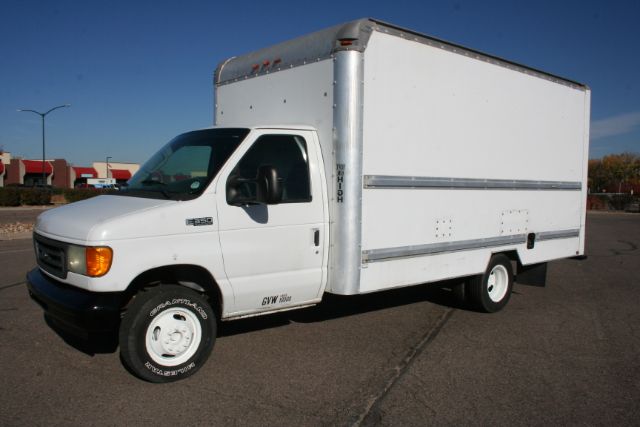
Have moving van truck to sell? List it here to reach thousands of buyers.
About Moving Van Trucks Near Englewood, Colorado
Body size and GVWR are two of the first decisions to make. A 14-foot to 16-foot moving van works well for tighter urban routes, light crews, and owner-operators who need easier maneuverability in dense areas like Englewood and the greater Denver market. Larger 20-foot to 26-foot units offer more cube capacity, but they demand closer attention to axle ratings, payload, turning radius, dock access, and CDL requirements depending on chassis spec and registered weight. Buyers should also look at rear door opening height, interior height, ramp capacity, and whether the truck uses dual rear wheels for better stability under load.
Condition matters as much as size. On a used moving van truck, inspect the box structure for roof leaks, wall delamination, floor wear, and corrosion around the corners, subframe, and rear sill. Check the roll-up door tracks, springs, and seals, and verify that the ramp deploys smoothly and is rated for the loads you plan to move. On the chassis side, pay attention to transmission behavior, brake condition, tire age, suspension wear, and service history. Gas-powered units such as Ford E-Series or similar cutaway platforms are common in shorter moving vans, while medium-duty diesel chassis show up more often in larger box trucks where higher GVWR and longer duty cycles are expected.
A good moving van should match your freight profile, route density, and loading method. If the truck will handle residential work, interior logistics features like scuff protection, cargo tie-down points, and a clean, dry box can matter more than raw payload. If it will support commercial delivery or contract moving, liftgate versus ramp, box height, and cargo volume may drive the buying decision. Buyers comparing moving van trucks should focus on usable cube, easy serviceability, and how the truck is equipped for repeated loading cycles, not just the cab specs or odometer reading.
Frequently Asked Questions
What size moving van truck is best for local moving work?
For local residential moving, many buyers start with a 14-foot to 16-foot moving van because it balances cargo space with maneuverability. That size is easier to park, back into neighborhoods, and operate on tighter city routes while still handling furniture, boxed household goods, and appliances. If the work includes larger homes or fewer trips per day, a 20-foot to 26-foot unit may be the better fit because it offers more cubic capacity and can reduce reload time.
What should I inspect on a used moving van truck before buying?
Focus on both the chassis and the box. Inspect the roof, front corners, floor, rear sill, and sidewalls for leaks, rot, cracks, rust, or prior impact repairs. Test the roll-up rear door and ramp, and look for worn rollers, bent tracks, weak springs, or missing seals. On the chassis, review maintenance records and check engine performance, transmission shift quality, brake wear, suspension condition, tire age, and signs of overloading such as sagging springs or uneven tire wear.
Is a ramp or a liftgate better on a moving van truck?
A ramp is common on moving vans used for furniture and household goods because it is simple, lighter, and works well with dollies and hand trucks. A liftgate is more useful when the operation handles heavy appliances, palletized freight, or deliveries without dock access. The right choice depends on the freight mix, crew size, and the type of loading points the truck will see each day.
Do I need a CDL to operate a moving van truck?
That depends on the truck's GVWR and the combined weight rating if a trailer is involved. Many smaller moving van trucks are spec'd to stay under CDL thresholds, which makes them attractive for local operators and rental-style applications. Larger moving vans on medium-duty chassis may cross into CDL territory, so buyers should verify the door sticker, registered weight, and local operating requirements before purchase.
What features help protect cargo inside a moving van body?
Useful cargo-management features include hardwood floors, scuff liners, tie rails or E-track, translucent roof panels for interior visibility, and a dry, well-sealed box. Interior height and rear opening dimensions also matter because bulky furniture and tall appliances need clean clearance during loading. A straight, solid body with secure tie-down points usually adds more day-to-day value than cosmetic cab upgrades.