
Moving Van Trucks For Sale in Colorado
Browse moving van trucks for sale, including cutaway and box van models with ramps, roll-up doors, and specs suited for local delivery work.
Learn more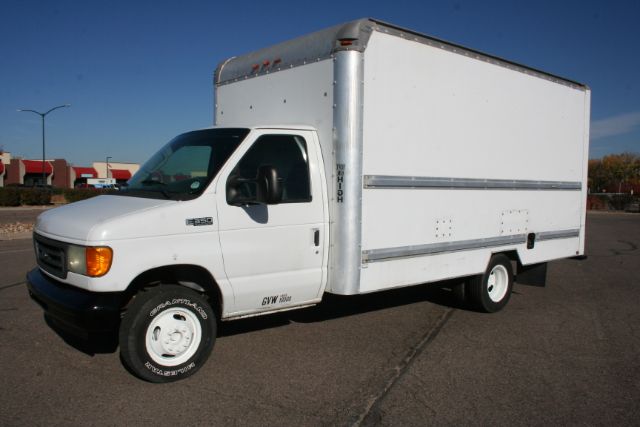
Have moving van truck to sell? List it here to reach thousands of buyers.
About Moving Van Trucks in Colorado
Body configuration matters as much as chassis spec. A practical moving van typically includes a low, flat cargo floor, interior tie rails, and durable wall liners that hold up to repeated loading of carts, furniture pads, and hand trucks. Wood floors are common because they are durable and easy to repair, while aluminum ramps help reduce loading time for dollies and wheeled equipment. Buyers should pay close attention to rear door opening height, ramp capacity, floor condition, roof leaks, and signs of wall damage from shifting cargo. If the truck will see frequent dock work, check floor height and step-up dimensions. If it will run residential routes, overall length, turning radius, and visibility become more important.
Chassis choices often include Ford E-Series and similar platforms in the lighter end of the segment, along with larger Class 4 through Class 6 trucks for higher payload and larger bodies. GVWR can range from around 10,000 pounds on smaller units up into the medium-duty range depending on body size and intended use. Gas engines are common on lighter moving vans because they are simple and familiar for local operations, while diesel power becomes more attractive as body size, payload, and annual miles increase. Dual rear wheels are common for stability and load support. Buyers in Colorado should also consider elevation and route profile, since mountain grades can expose underpowered drivetrains and weak brake systems quickly.
For used moving van trucks, cargo-box condition often tells you more than the cab. Look for water intrusion around the front corners and roof seams, inspect the roll-up door tracks, and check for floor soft spots near the rear threshold. Suspension wear, tire condition, and brake performance matter because these trucks spend much of their life in stop-and-go service with uneven loads. A well-matched moving van should have enough payload for your typical job, enough cubic capacity to reduce trips, and a loading setup that keeps crews efficient through a full day of residential or commercial moves.
Frequently Asked Questions
What size moving van truck is best for local moving work?
The right size depends on the type of loads and route density. A 10 to 16 foot moving van is often a good fit for apartment moves, furniture delivery, and dense urban work where maneuverability matters. Trucks in the 20 to 26 foot range offer much more cubic capacity and are better suited for full-house moves, larger crews, and routes where reducing the number of trips is more important than tight turning radius.
What should I inspect first on a used moving van truck?
Start with the box, floor, ramp, and rear door system. Cargo-box repairs can be expensive and directly affect daily usability. Check for roof leaks, soft spots in the floor, bent ramp hardware, damaged door tracks, and signs of patchwork around the front corners of the box. After that, inspect brakes, tires, suspension, and transmission performance, since moving vans often live in heavy stop-and-go service.
Are gas or diesel engines better in a moving van truck?
Gas engines are common in lighter moving vans and work well for local routes, lower annual mileage, and operations that want simpler maintenance. Diesel engines usually make more sense in larger trucks with heavier payloads, longer routes, or higher yearly utilization. The best choice depends on body length, loaded weight, terrain, and how long the truck will stay in service.
Why are ramps and roll-up doors important on a moving van?
A roll-up rear door gives quick access without needing swing-out clearance, which helps on tight residential streets and crowded loading areas. A slide-out or pull-out ramp improves loading speed and reduces lifting strain when using dollies, carts, and hand trucks. For moving work, these features have a direct impact on crew productivity and can reduce cargo damage during loading and unloading.
What matters most for a moving van truck in Colorado?
In Colorado, route elevation, grades, and weather should influence the buying decision. Trucks that feel adequate on flat ground can struggle when fully loaded in mountain corridors. Pay attention to engine output, transmission behavior on climbs, brake condition, cooling system health, and tire quality. Good visibility, stable handling, and a dependable rear door seal also matter when the truck is exposed to snow, wind, and frequent temperature swings.