
Used International Mechanic Trucks For Sale
Used International mechanic service trucks with crane bodies, compressors, and PTO hydraulics. Compare chassis, engines, GVWR, and upfit options.
Learn more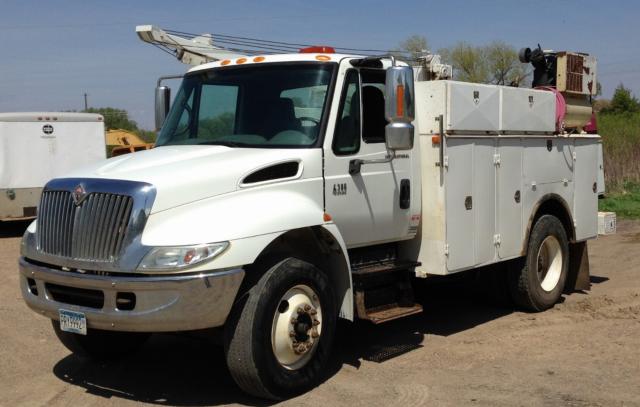
Have used international mechanic truck to sell? List it here to reach thousands of buyers.
About Used International Mechanic Trucks
Powertrain choices impact reliability and PTO performance. International chassis commonly pair Cummins B6.7 or L9 and Allison 2500-3500 series automatics, or earlier DT466, DT530 and MaxxForce engines. Pre-2007 DT466 models are simple and durable with fewer emissions components. 2010-plus SCR engines from Cummins generally offer better uptime than early MaxxForce EGR-only systems, though service history matters more than brand. Verify a live PTO provision on the transmission and that the pump output matches crane and compressor flow requirements. Wheelbase and CA must match body length, and rear axle rating should cover crane side-loading plus cargo. Spring rear suspensions are common for stability during lifts, while 4x4 MV and HV variants help reach off-road sites at the expense of payload.
Upfit details set real productivity. Hydraulic cranes lift faster and duty-cycle longer than electric-hydraulic units but require a wet kit and heat management. Rotary screw compressors from VMAC or Vanair deliver consistent CFM for impact guns and air tools while underhood units save weight but can limit output. Look for drawer systems like Pack Rat, LED work lights, remote throttle, inverter or shore power, and body corrosion protection such as aluminum skins, e-coat and spray-in liners. Check for a pintle plate with trailer brake controller if towing a parts trailer. Payload margin is critical on service bodies since cranes, outriggers, welders and oil tanks quickly consume capacity. International’s Diamond Logic can integrate PTO interlocks, boom safety and lighting for cleaner wiring and easier troubleshooting.
On used units, focus on documentation and structure. Review crane annual inspection records and load test certificates, compressor and welder hour meters, and PTO service history. Inspect the body for rust at the crane pedestal, outriggers and compartment floors, and check frame rails for reinforcement plates and any signs of twist or cracking at the rear body mounts. Confirm DEF and DPF service intervals on newer emissions engines, look for recent aftertreatment repairs, and scan for codes. Verify CA, wheelbase and axle ratios fit your route speeds and terrain. A clean ladder frame, tight kingpins, good drawer slides and dry hydraulic fittings often indicate a truck that was maintained, not just washed for sale.
Frequently Asked Questions
Which International chassis work best for a mechanic service body?
Common platforms include the CV for light duty, MV and legacy 4300 or DuraStar for medium duty, and HV, 7300-7500 or WorkStar for heavy duty. Choose based on GVWR and wheelbase needed for a 9-14 foot body and the crane size you plan to run. Heavier frames and axles on HV and WorkStar models handle 10k-14k cranes and larger payloads with better stability.
How do engine and emissions choices affect a used mechanic truck?
Pre-2007 DT466 trucks are simple and proven but older. 2010-plus Cummins B6.7 and L9 with SCR generally provide strong uptime and fuel economy. Early MaxxForce EGR-only engines can be reliable with documented updates and diligent maintenance. For any choice, review service records, DPF-DEF history, forced regens, and check for active fault codes before purchase.
What crane capacity and compressor setup should I target?
Match crane capacity to the heaviest components you routinely handle, then add a safety margin. A 6k-7.5k crane suits light equipment service, while 10k-14k handles large components like final drives or hydraulic pumps. For air, a 40-70 CFM rotary screw handles most field tools. Hydraulic drive offers continuous duty if your PTO and cooling system are sized correctly.
Can I run a hydraulic crane with an Allison automatic transmission?
Yes. Most Allison 2500-3500 series boxes can be equipped with a live PTO. Confirm the transmission PTO pad, gear ratio, and a matched hydraulic pump. Verify interlocks, remote throttle and high-idle settings. Flow and pressure must meet the crane’s spec, and the reservoir, filtration and oil cooling should be sized for your duty cycle.
What should I inspect on the body and frame of a used service truck?
Check the crane pedestal welds, outrigger mounts, rear body crossmembers and compartment floors for cracks or corrosion. Open every drawer, latch and seal to assess wear and water intrusion. Inspect frame rails for reinforcement at the crane area, look for any heat damage from welding equipment, and confirm lighting and upfit wiring are fused, labeled and integrated without splices into critical circuits.