
Trucks For Sale Near Macon, Georgia
Browse trucks for sale in Macon, Georgia, including yard trucks and terminal tractors with common specs, applications, and buying insights.
Learn moreNo exact matches found for your search
Showing Trucks in Georgia instead.
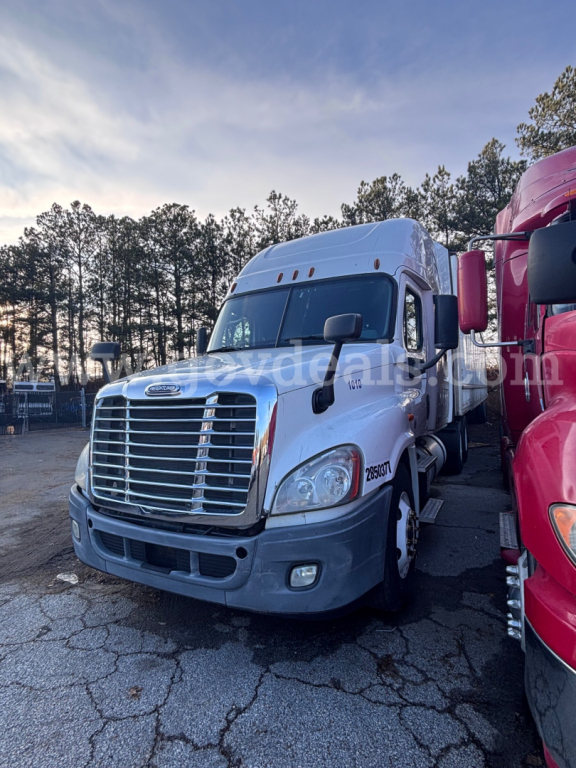
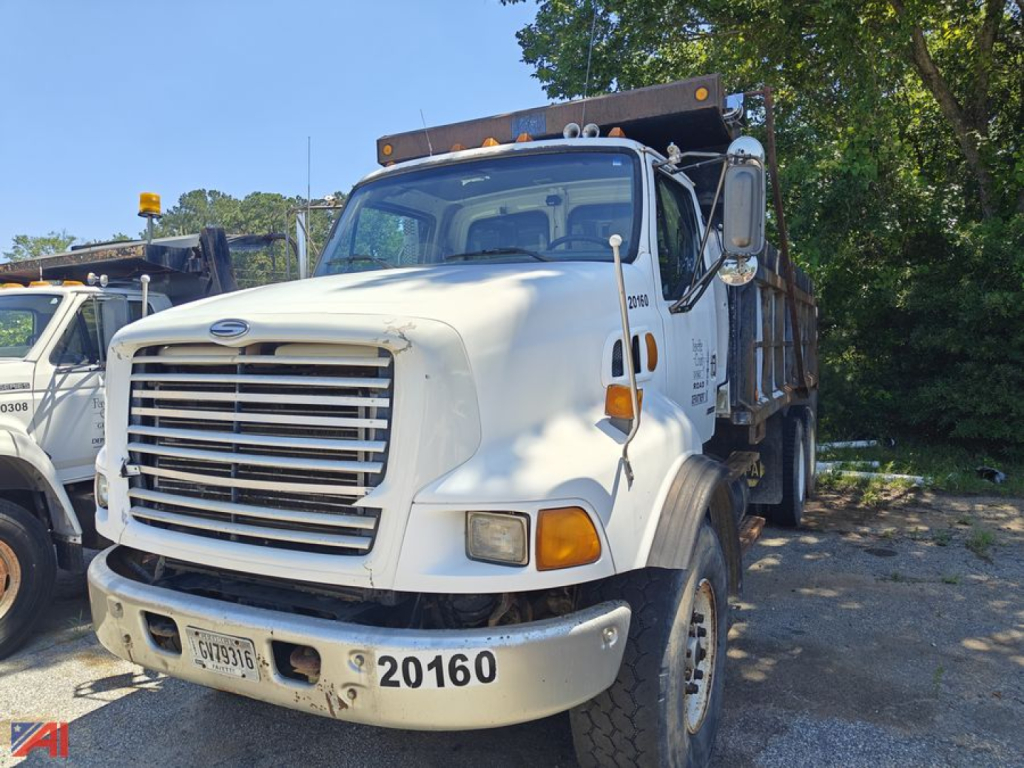
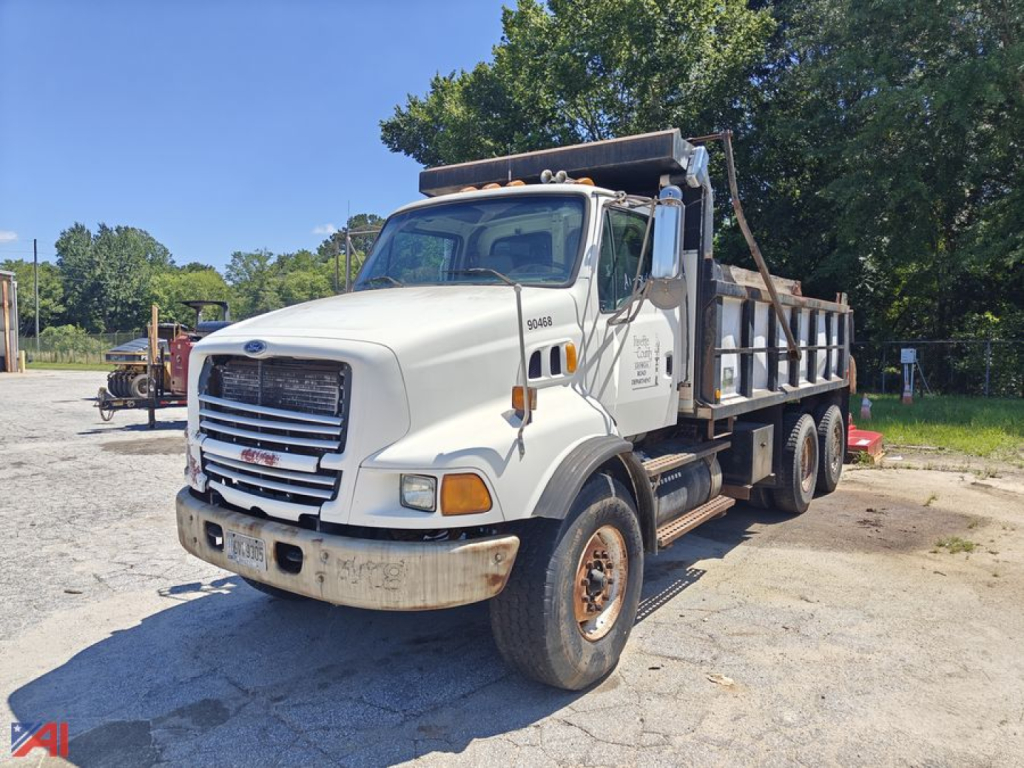
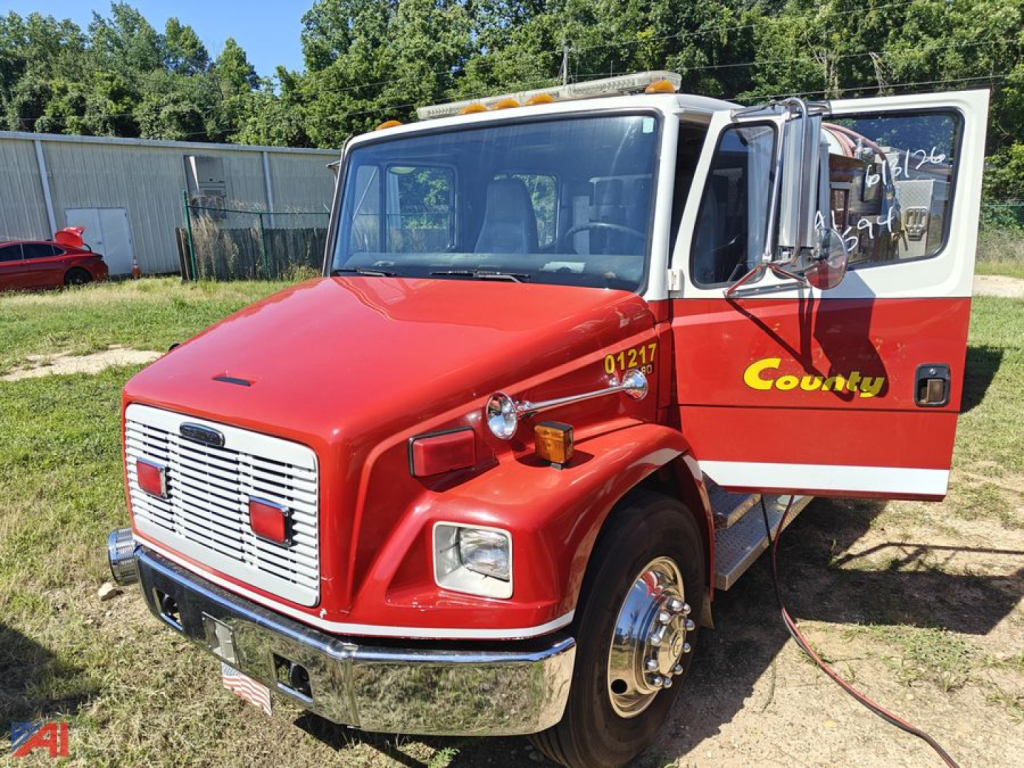
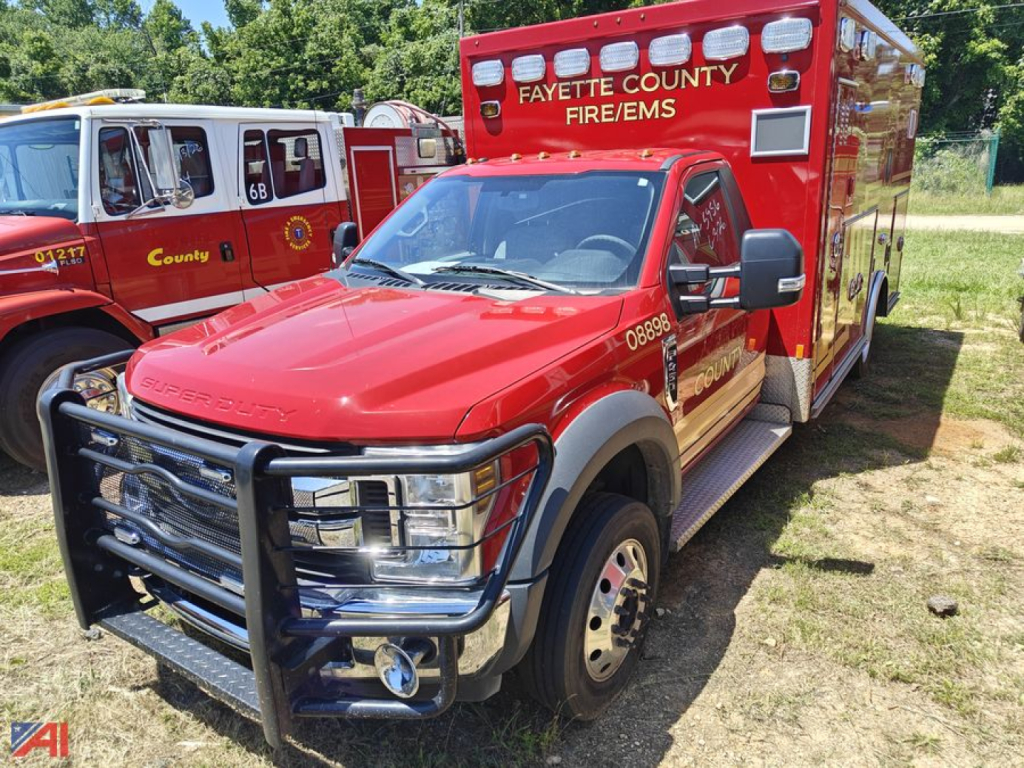
Showing 1 to 12 of 214 results
Have truck to sell? List it here to reach thousands of buyers.
About Trucks Near Macon, Georgia
For yard truck buyers, the core spec decisions are axle layout, transmission, wheelbase, and rear axle ratio. A single-axle configuration is common when maneuverability, lower empty weight, and lighter trailer spotting are the priority. A tandem-axle yard tractor makes more sense when the operation handles heavier trailers, rougher yard surfaces, or sustained duty cycles. Many terminal tractors in this class run around 250 to 300 horsepower, often with a Cummins diesel and an Allison automatic transmission. That combination is popular because it is simple to operate, smooth in constant stop-and-go service, and well suited to fleets with multiple drivers per shift. A short wheelbase, high rear axle ratio, and governed road speed are all typical on spotter trucks because they are built to launch loaded trailers and work in confined spaces, not run interstate miles.
Buyers comparing trucks in this category should look closely at operating environment and maintenance access. In a hot, humid Georgia climate, cab HVAC performance, cooling system condition, and visibility features like heated mirrors can affect productivity more than an extra few horsepower. If the truck will spend most of its life on private property, features such as a hydraulic fifth wheel, air-operated trailer connections, auto-lube systems, and easy service access can reduce driver fatigue and downtime. Brake system spec matters too, especially in yards with grades, uneven pavement, or heavy trailer traffic. Meritor components, block heaters, and centralized lubrication systems are all common details buyers look for when they want a terminal tractor that can stay on shift with minimal interruption.
If you are shopping the broader trucks for sale market in Macon, match the truck to the route, payload, and duty cycle before comparing price alone. A yard truck is the right tool for moving trailers all day inside a terminal, but it is not a substitute for a road tractor with highway gearing, sleeper options, and long-haul compliance equipment. On the other hand, for warehouse and logistics operations, a purpose-built terminal tractor can improve trailer throughput, reduce damage from tight maneuvers, and simplify driver training. The best buy is usually the truck with the right axle setup, cab access, driveline spec, and serviceability for the work it will actually do every shift.
Frequently Asked Questions
What is the difference between a yard truck and a road tractor?
A yard truck, also called a terminal tractor or spotter truck, is built for moving semi-trailers within a yard, terminal, or plant at low speeds. It typically has a short wheelbase, excellent visibility, easy cab entry and exit, and gearing designed for frequent starts with heavy loads. A road tractor is built for highway use, higher sustained speeds, fuel economy, and driver comfort over long distances. The two may look similar at a glance, but their gearing, cab design, duty cycle, and intended operating environment are very different.
Should I choose a single-axle or tandem-axle terminal tractor?
A single-axle terminal tractor is often the better choice for lighter trailer spotting, tighter turning, and lower operating weight. A tandem-axle setup is usually preferred when the yard handles heavier trailers, rough surfaces, or more demanding duty cycles. Tandem units can offer better traction and load distribution, but they may add cost and reduce maneuverability slightly. The correct choice depends on trailer weights, yard conditions, and how many cycles the truck is expected to complete per shift.
Why are automatic transmissions so common in yard trucks?
Automatic transmissions, especially Allison units, are common in yard trucks because they perform well in constant stop-and-go work and make the truck easier to operate across multiple drivers and shifts. In trailer spotting applications, smooth engagement and reduced driver fatigue are major advantages. Automatic transmissions also help limit clutch wear in operations with repeated docking, backing, and short moves. For many fleets, that translates into lower training time and more consistent yard productivity.
What specs matter most when buying a terminal tractor in Georgia?
For buyers in Georgia, cooling performance, air conditioning, visibility, brake performance, and serviceability should be near the top of the list. Hot weather and long operating hours put extra importance on HVAC and engine cooling. If the truck works on mixed pavement, gravel, or sloped yards, axle configuration, rear axle ratio, and brake spec become more important. Features like heated mirrors, block heaters, and automatic lubrication systems also add value when the goal is to keep the truck available for daily fleet use with minimal downtime.
Can a yard truck be used for over-the-road hauling?
Most yard trucks are not ideal for over-the-road hauling because they are engineered for private-property or short-distance terminal work rather than sustained highway operation. Many are speed-governed and geared for low-speed pulling power, and their cab layout prioritizes visibility and repeated entry over highway comfort. Some operations use terminal tractors for limited on-road moves where regulations and local routes allow, but buyers should verify legal compliance, safety equipment, registration requirements, and suitability for the intended route before treating a yard truck like a highway tractor.