
Used Mack Trucks For Sale
Shop used Mack trucks, from Anthem highway tractors to Granite dumps. Learn engines, mDRIVE, suspensions, and spec tips to match your routes.
Learn moreBrowse Mack Trucks by Category
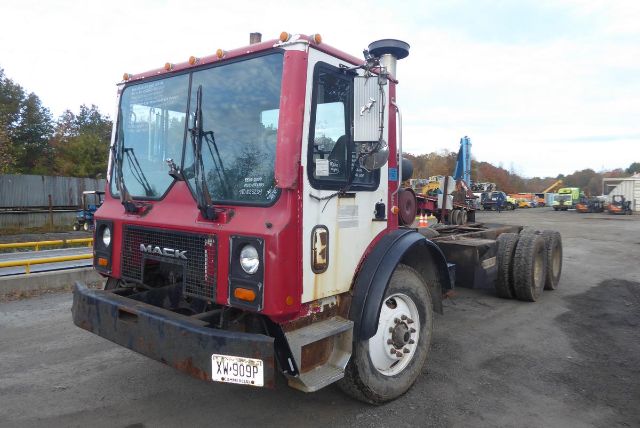
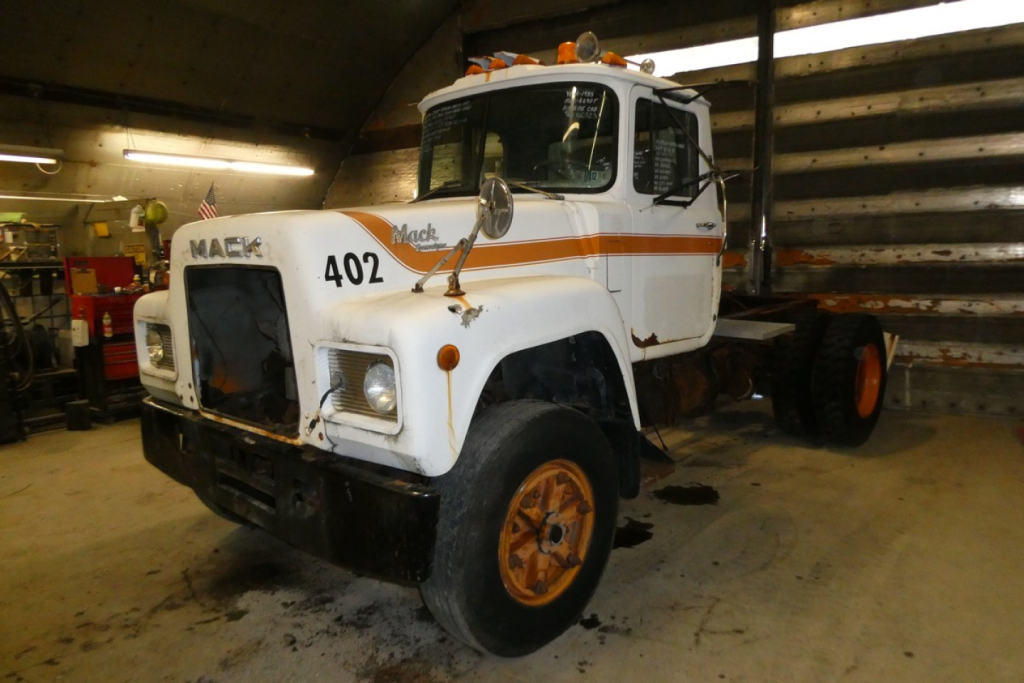
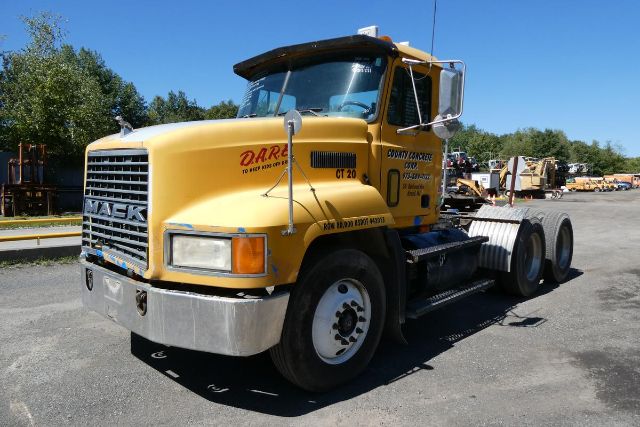
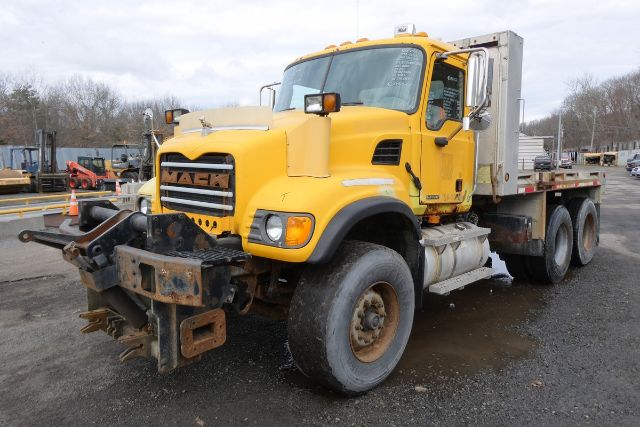

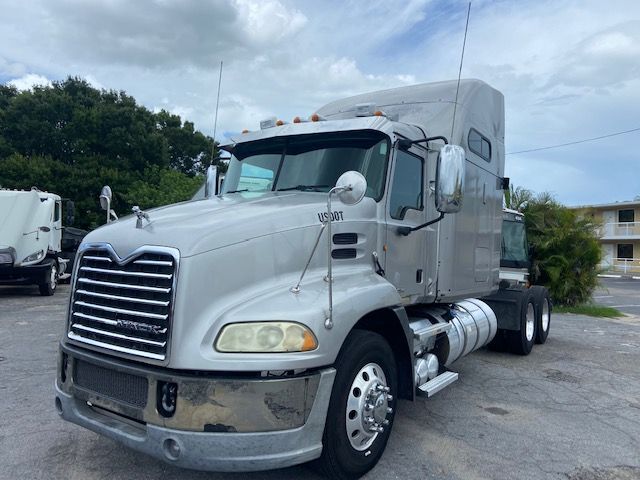
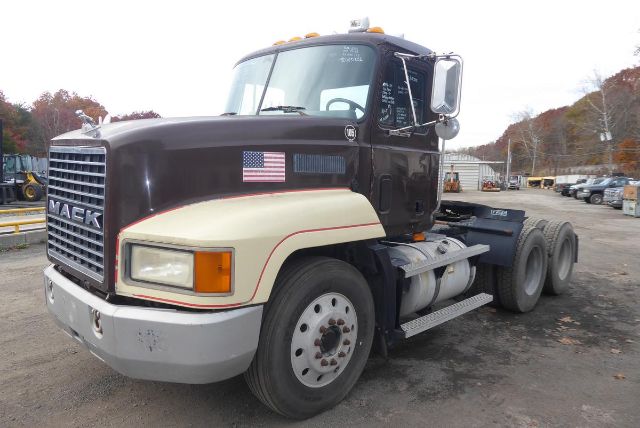
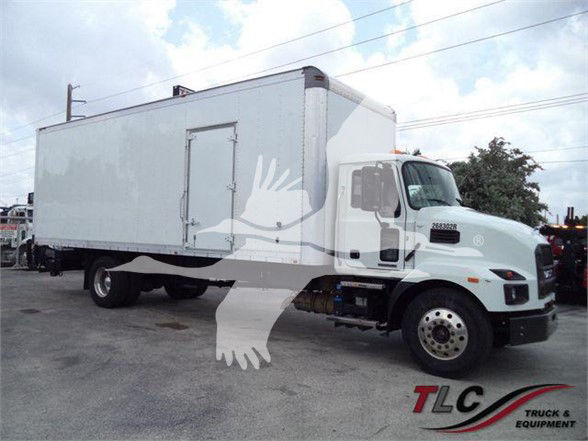
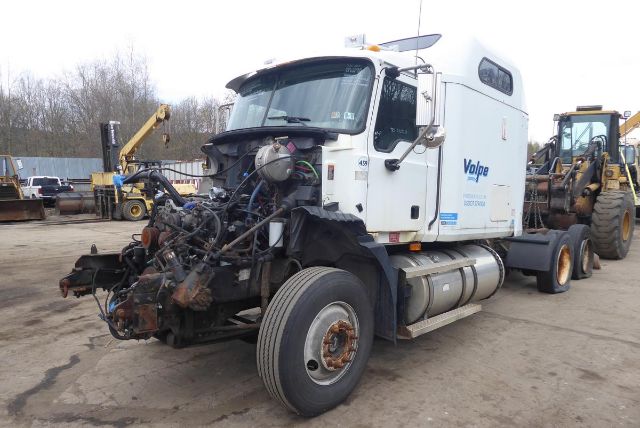
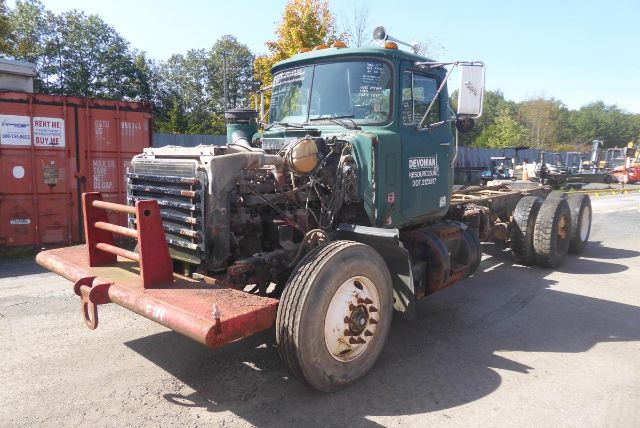
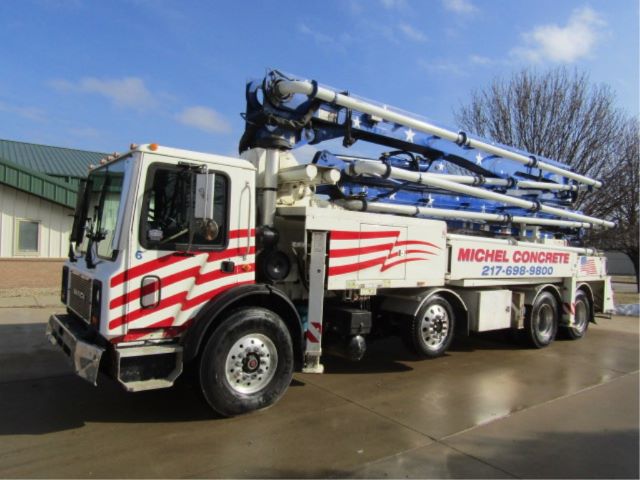
Showing 145 to 156 of 160 results
Have used mack truck to sell? List it here to reach thousands of buyers.
About Used Mack Trucks
Powertrain integration is a Mack advantage in the used market. MP7 and MP8 engines are the common choices, roughly 325 to 505 hp and 1,200 to 1,860 lb-ft, with the rare MP10 appearing in Titan heavy-haul builds. The 12-speed mDRIVE automated manual is widely adopted for fuel economy and driver ease, with HD and X-HD variants for vocational torque handling and deep reduction. Many units pair proprietary Mack drive axles, 40k to 46k, with interaxle and cross-locks, and offer factory PTO provisions. Buyers comparing mDRIVE to Eaton Fuller 13- or 18-speed manuals will weigh low-speed control, gradeability, and driver preference against simplicity and clutch serviceability.
Emissions era matters. Pre-2008 trucks avoid DPFs, 2008 to 2009 carry DPF-only systems, and 2010 and newer add SCR with DEF, which generally improved fuel economy but requires diligent aftertreatment maintenance. On inspection, review regen history, look for doser and NOx sensor replacements, and check for active faults via GuardDog Connect or dealer software on newer units. Verify oil analysis, overhead set intervals, turbo and EGR cooler history, mDRIVE clutch and actuator health, suspension bushings, kingpins, and frame corrosion near suspension hangers. For vocational units, confirm lift-axle legality, steerable versus fixed lift-axles, wet kit configuration, and PTO output requirements for trailers or bodies you plan to run.
Cab and chassis choices affect productivity and resale. Anthem aerodynamics, bumper-to-back-of-cab dimensions, and 48 to 70 inch sleeper options help control fuel burn and driver comfort. Safety features like Bendix Wingman, collision mitigation, and lane departure show up on later builds, along with Command Steer on select models to cut steering effort. Wheelbase, fifth-wheel height and slider travel determine trailer clearance and bridge-law compliance, and tire selection, 11R22.5, low-pro 22.5, or 11R24.5, dictates gearing and ground clearance. Typical GCWR for road tractors is 80,000 lb with Mack heavy-haul specs stretching higher when permitted. Match engine rating, ratio, and suspension to your grade profile, cruise speed, and payload to unlock the durability Mack is known for without giving up efficiency or uptime.
Frequently Asked Questions
Which used Mack models are most common and what are their best applications?
For on-highway work, Anthem and late-model Pinnacle tractors are common, spec’d as day cabs for regional freight or with 48 to 70 inch sleepers for long haul. Granite dominates dump, mixer, and vocational crane builds with heavy rears and Camelback suspensions. TerraPro and LR are frequent in refuse with full-time PTO hydraulics. The Mack MD serves medium-duty box, stake, and reefer routes with Allison automatics.
How does the Mack mDRIVE compare to a manual transmission in used units?
The 12-speed mDRIVE delivers smooth launches, good fuel economy, and reduced driver fatigue, especially in traffic and on rolling terrain. HD and X-HD versions add low-inertia clutches and deeper ratios for off-road and heavy PTO work. Manuals, typically Eaton 13- or 18-speed, offer direct driver control and can be preferred for extreme-duty or specialty applications. Evaluate clutch wear, accumulator function, and software updates on mDRIVE trucks, and inspect clutch, linkage, and synchros on manuals.
Which Mack engine should I choose, MP7, MP8, or MP10?
MP7 is a lighter 9-liter class engine suited to regional and medium-duty roles, often 325 to 405 hp. MP8 at 13 liters is the workhorse for highway and most vocational tasks, commonly 425 to 505 hp with up to 1,860 lb-ft for strong gradeability. The 16-liter MP10 appears in Titan heavy-haul applications with very high torque, but availability is limited. Match displacement and torque to gross weight, terrain, and desired cruise rpm for the best total cost of ownership.
What should I inspect on a used Mack before purchase?
Start with service records, fault-code history, and aftertreatment performance, including DPF ash load and SCR components. Check oil analysis, blow-by, and valve adjustment intervals. Inspect mDRIVE clutch wear and actuator function, differential locks, suspension bushings, kingpins, brakes, and tires. Examine frame rails for corrosion or cracks, look for double-frame liners in vocational trucks, verify PTO and wet kit specs if needed, and ensure fifth-wheel height and slider travel fit your trailers.
What axle ratios and tire sizes work best for my routes?
Highway fleets targeting 65 to 70 mph cruise with mDRIVE often use 2.47 to 2.85 ratios on low-pro 22.5 tires to keep the engine near 1,150 to 1,300 rpm. Direct-drive gearboxes may require slightly deeper ratios than overdrive units. Vocational specs commonly run 3.73 to 4.64 with 11R24.5 or standard 22.5 for improved ground clearance and startability. Aim for a cruise rpm that meets your engine’s peak efficiency band while preserving gradeability with your typical gross weights.