
Trucks For Sale Near Lees Summit, Missouri
Browse trucks for sale in Lees Summit, Missouri, including sleepers, cab and chassis trucks, and step vans with common specs and applications.
Learn more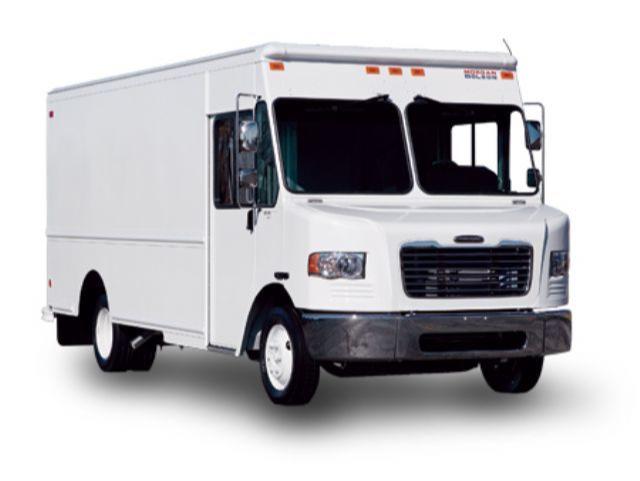
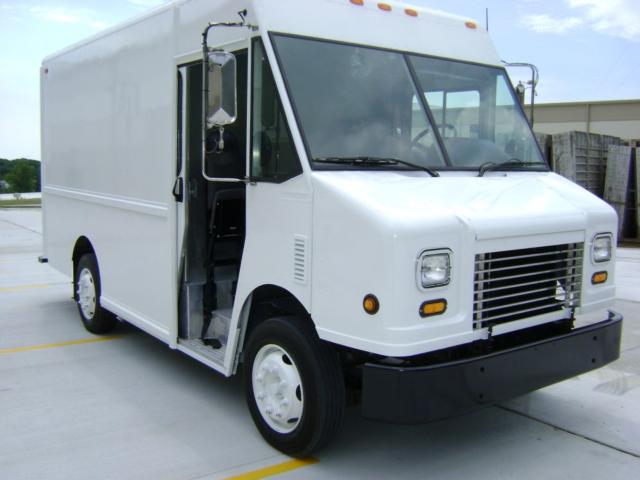
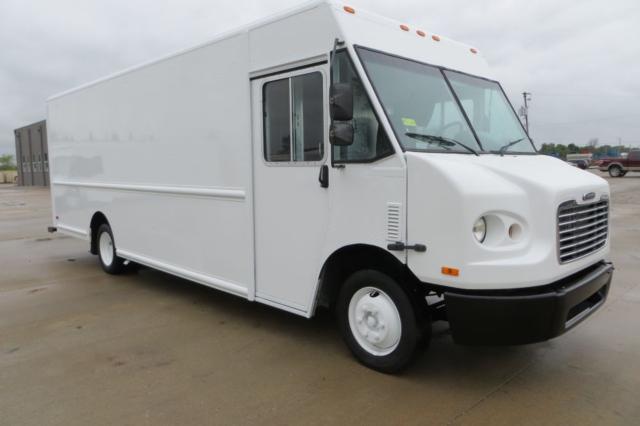
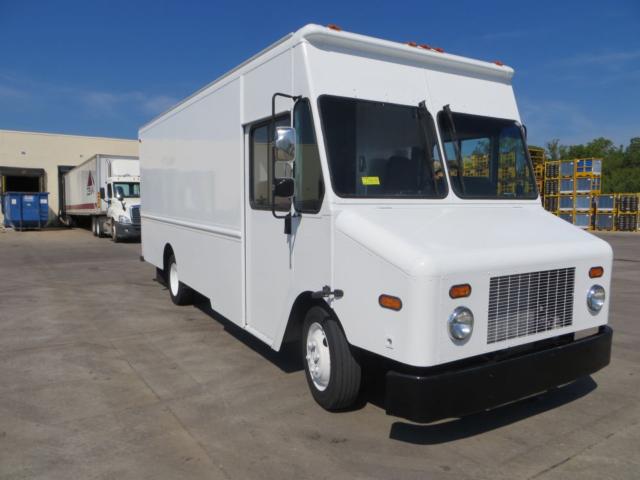
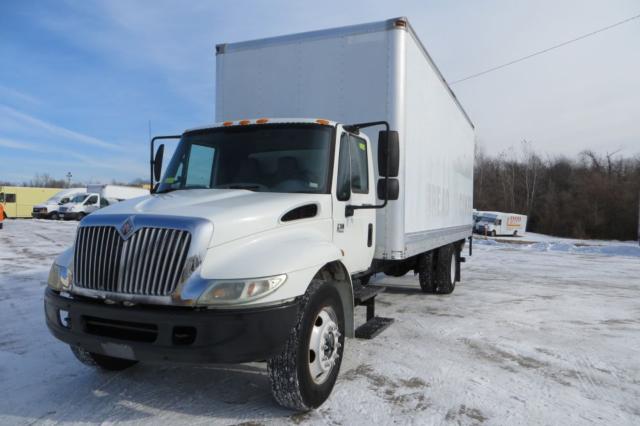
Showing 13 to 20 of 20 results
Have truck to sell? List it here to reach thousands of buyers.
About Trucks Near Lees Summit, Missouri
For over-the-road buyers, common specs to compare include engine family, transmission type, rear axle ratio, wheelbase, sleeper size, and maintenance history. Freightliner Cascadia models are a common benchmark in the used market because parts support is broad and driveline combinations like the Detroit DD15 with a DT12 automated manual or Eaton-Fuller manual are widely understood by fleets and independent shops. A 72-inch raised-roof sleeper, tandem rears, and ratios such as 2.28 or 3.25 can point to very different operating priorities. Lower ratios generally favor fuel economy at cruise, while deeper ratios can help with gradeability, heavier payloads, or shorter haul work. Buyers running I-70 corridors, regional Midwest freight, or mixed terrain should weigh gearing, horsepower, and transmission preference against actual lane and load profile.
For medium-duty and vocational applications, trucks like the International 4300 are often chosen as cab and chassis platforms because they can be upfitted for many body types and duty cycles. Key buying points are GVW, front and rear axle ratings, suspension type, engine output, brake system, and cab-to-axle measurement. A 33,000-pound GVW truck sits at the top end of non-CDL-sensitive conversations and at the entry point of heavier Class 7 work depending on how it is spec'd and registered. Automatic transmissions such as an Allison are often preferred for route work, municipal service, and stop-and-go applications, while a manual may still appeal to certain operators focused on simplicity or driver preference. If the truck is still a bare chassis, confirm frame dimensions, exhaust routing, fuel tank placement, and any body builder provisions before assuming it will accept a specific upfit.
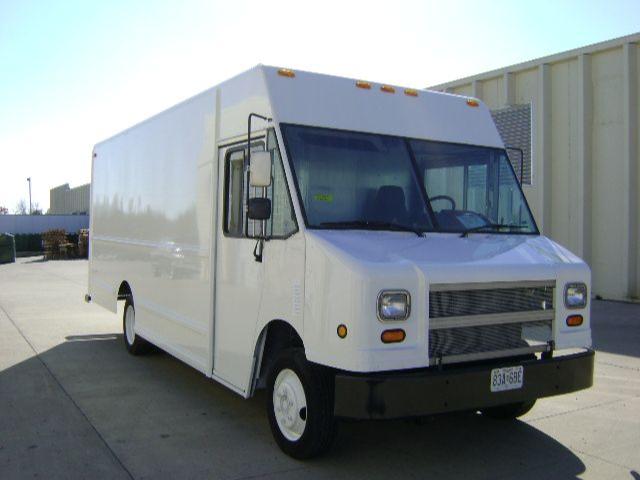
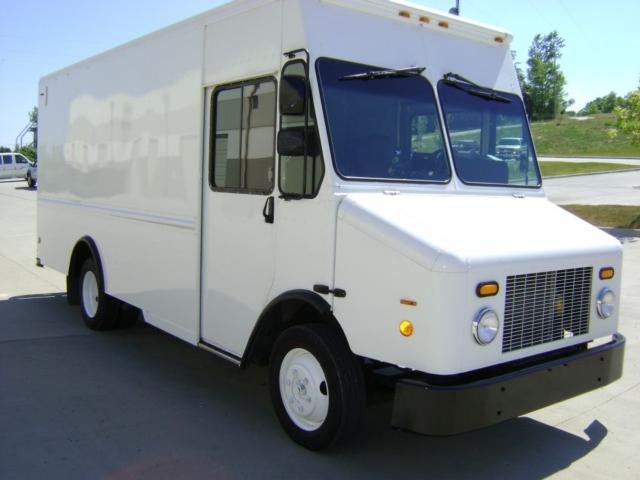
Step vans fill a different role entirely. They are also known as walk-in vans and are built for parcel delivery, bread routes, uniform service, mobile retail, and dense urban distribution. What matters most is cargo area length, door layout, step height, visibility, turning radius, and serviceability of the powertrain. Many used step vans run proven combinations such as a Cummins diesel with an Allison automatic, which remains attractive because technicians know the package and parts availability is strong. Across all truck categories, buyers should verify title status, structural condition, tire and brake life, emissions system history, and whether the truck's current spec matches the intended work. The best value usually comes from a truck whose wheelbase, axle ratings, and drivetrain already fit the job, instead of a unit that looks close but requires compromises after purchase.
Frequently Asked Questions
What is the main difference between a sleeper tractor, a cab and chassis truck, and a step van?
A sleeper tractor is built to pull semitrailers for highway and regional freight and typically includes a tandem rear axle, fifth wheel, and a sleeper compartment for longer runs. A cab and chassis truck is an incomplete truck designed to receive a body such as a box, dump, utility, or rollback, so the frame and cab-to-axle dimensions are central to the purchase decision. A step van, also called a walk-in van, is purpose-built for delivery work with frequent stops, easy entry and exit, and a compact cargo body integrated into the chassis.
What specs matter most when comparing used sleeper trucks?
The most important specs are engine model, horsepower, transmission type, rear axle ratio, wheelbase, axle configuration, and sleeper size. Those numbers tell you how the truck is likely to perform on fuel economy, cruising speed, gradeability, payload handling, and driver comfort. Buyers should also look closely at emissions system history, mileage, maintenance records, tire and brake condition, and whether the driveline spec matches the loads and terrain the truck will actually see.
How do I choose the right cab and chassis truck for an upfit?
Start with the body you plan to install and work backward to the chassis requirements. Cab-to-axle length, frame height, GVWR, front and rear axle ratings, suspension, PTO compatibility, and brake system all need to match the finished application. It is also important to confirm fuel tank placement, exhaust routing, wheelbase, and any factory body-builder provisions so the upfit can be completed without expensive modifications.
Are automatic transmissions better for medium-duty and delivery trucks?
In many medium-duty and delivery applications, an automatic transmission is the practical choice because it reduces driver fatigue, simplifies training, and performs well in stop-and-go service. Allison automatics are especially common in vocational and route work because they are durable and widely supported. Manual transmissions still have a place for some operators, but for urban delivery, municipal work, and frequent-start duty cycles, an automatic often improves drivability and consistency.
What should I inspect first on any used truck before buying?
Start with the title status, VIN match, frame condition, and signs of structural damage or major repairs. Then review engine and transmission operation, fault codes, fluid condition, tire wear, brake life, suspension wear, and evidence of deferred maintenance. On newer diesel trucks, emissions components such as the DPF, SCR, DEF system, and sensors deserve special attention because those repairs can materially affect operating cost after purchase.