
Trucks For Sale Near Kersey, Colorado
Browse trucks for sale in Kersey, Colorado, including day cabs, sleeper trucks, and straight trucks with specs for regional and over-the-road work.
Learn more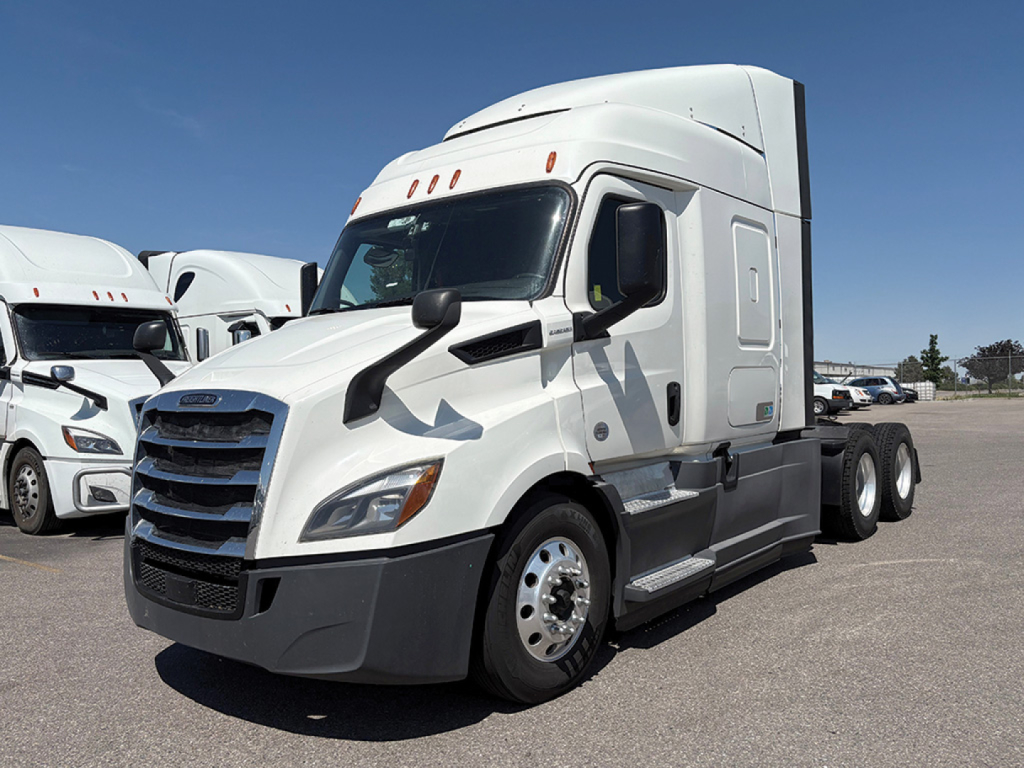
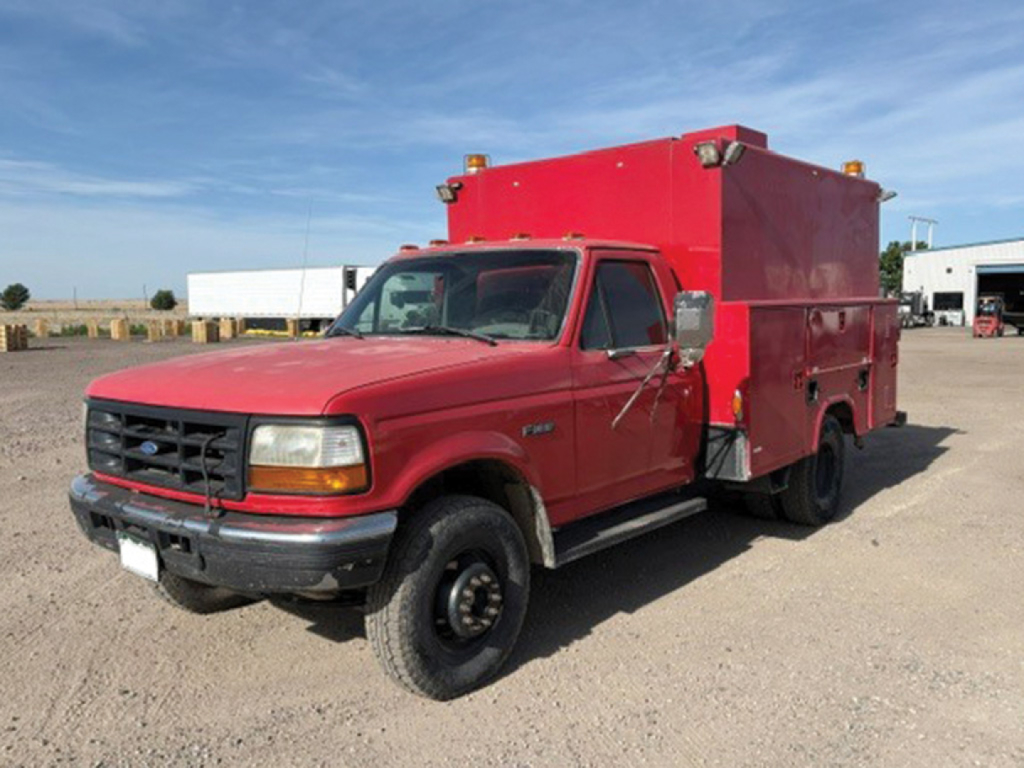
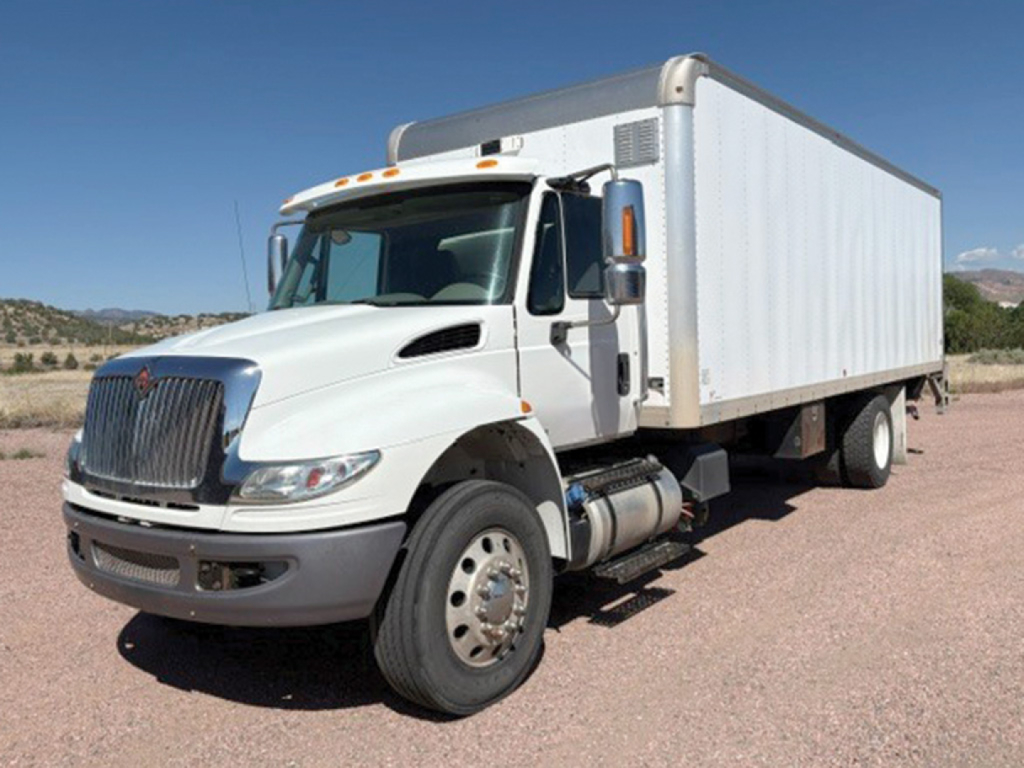
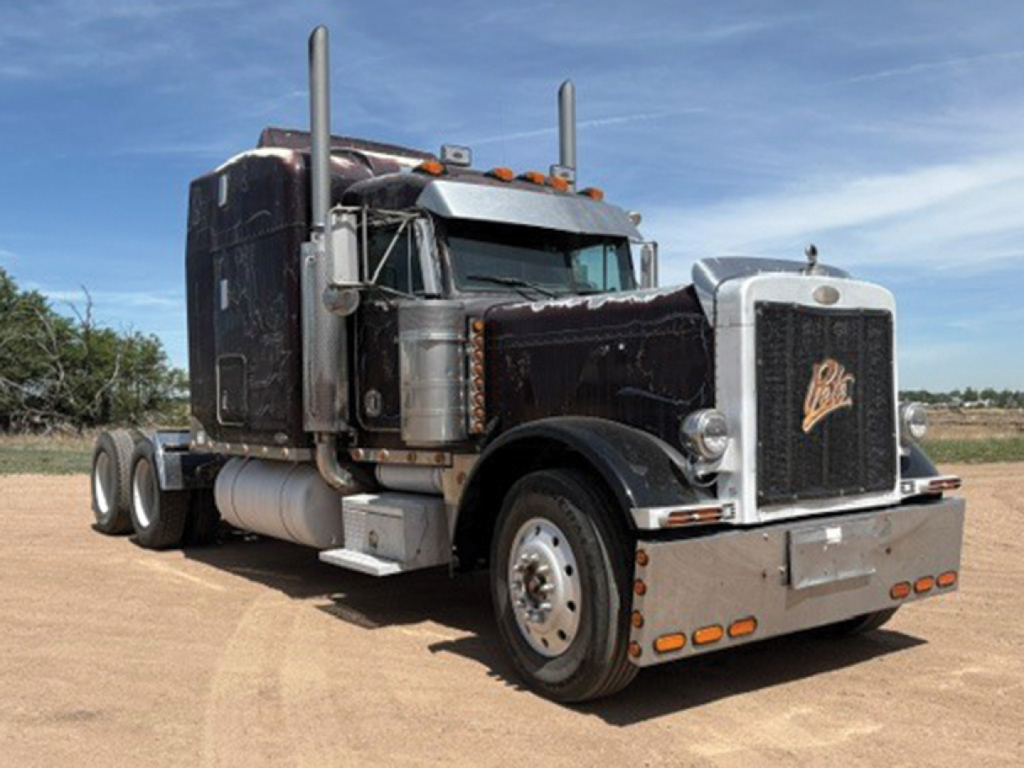
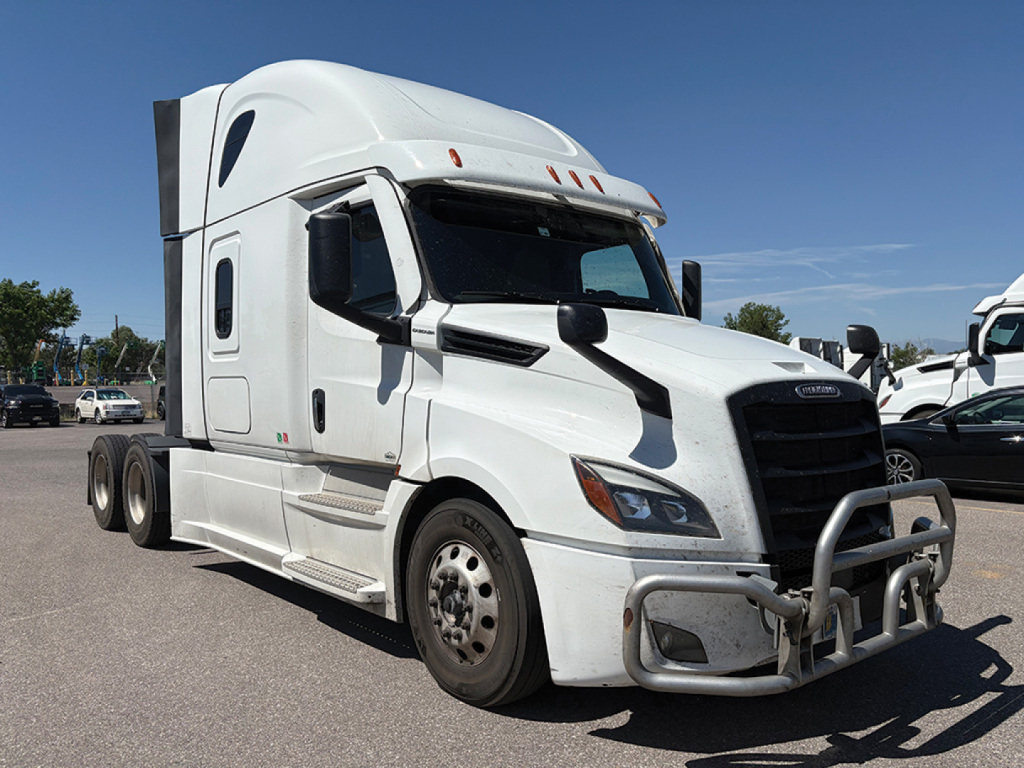
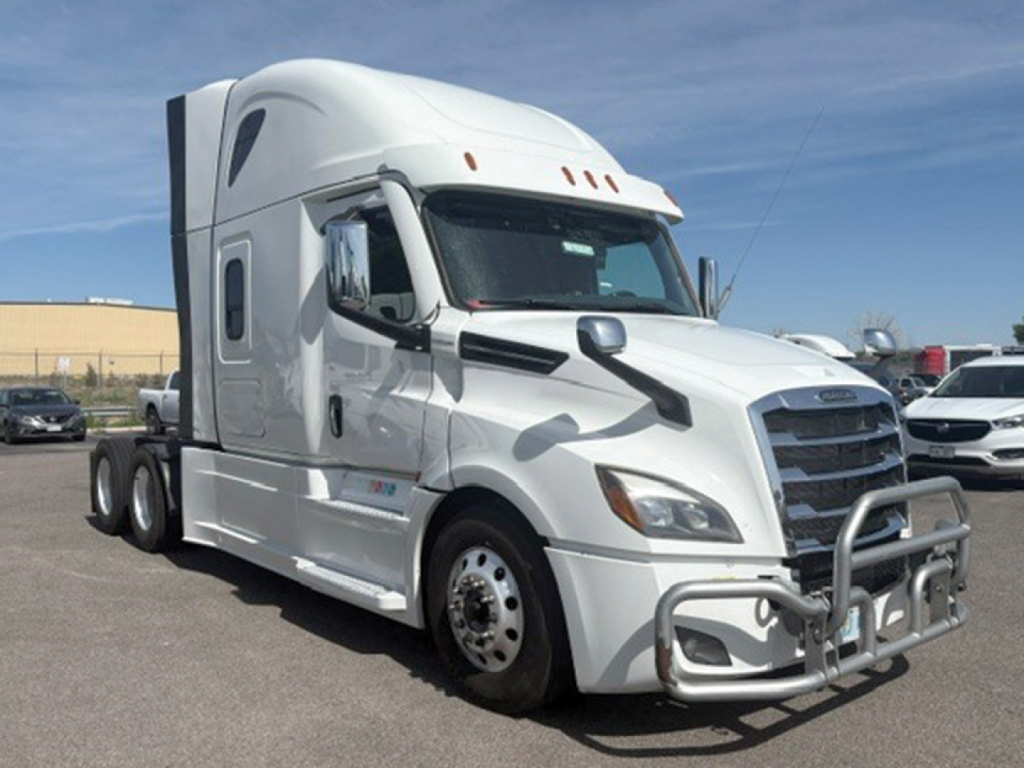
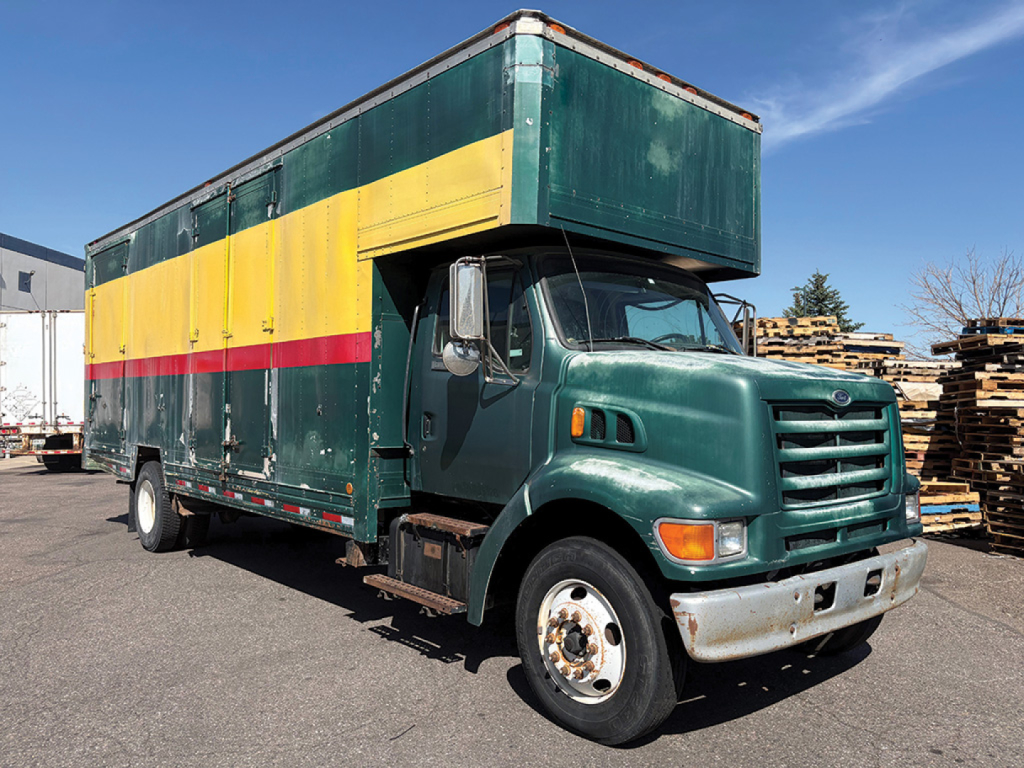
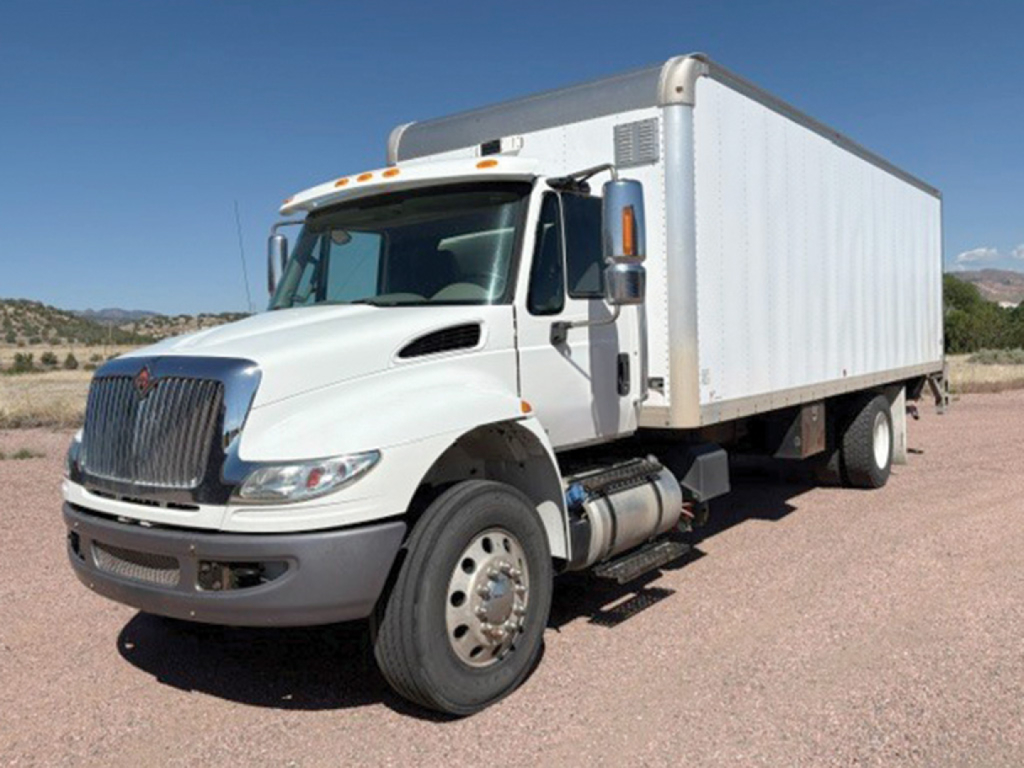
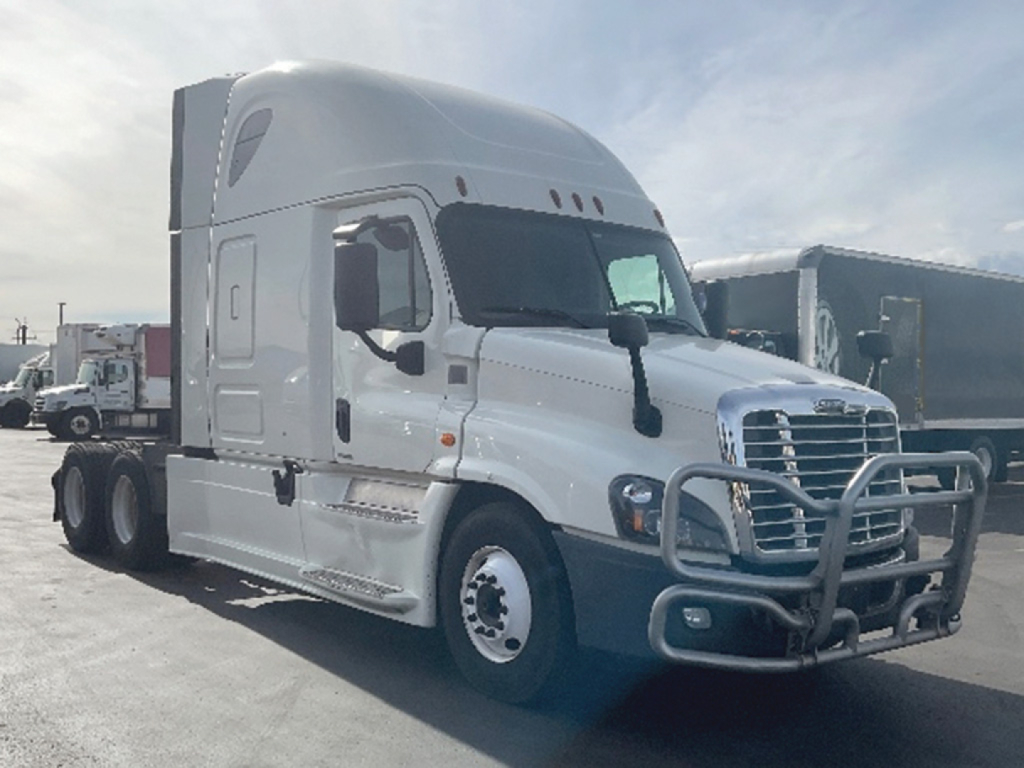
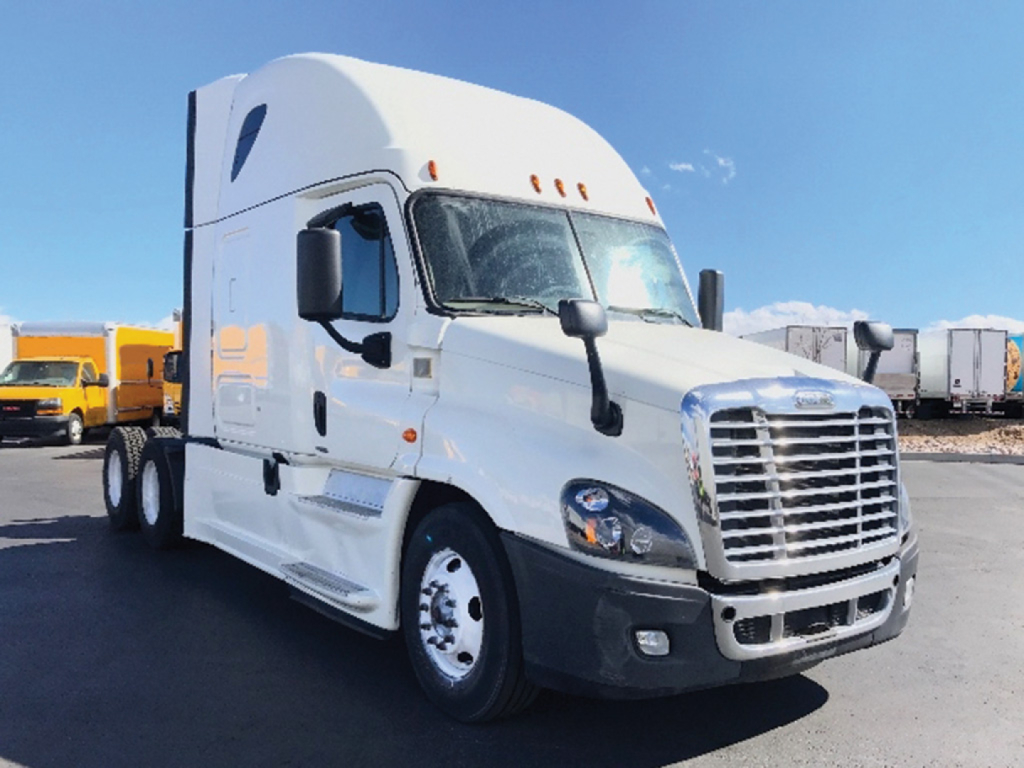

Showing 13 to 24 of 37 results
Have truck to sell? List it here to reach thousands of buyers.
About Trucks Near Kersey, Colorado
The biggest buying decision is matching the truck to the duty cycle. A Class 8 highway tractor may carry engines in the 400 to 500 horsepower range, automated manual or fully automatic transmissions, and rear axle ratios such as 2.64 to 2.85 for fuel-efficient highway cruising. Buyers looking at day cabs should pay attention to wheelbase, fifth-wheel style, fuel tank capacity, and whether the truck has a single axle, tandem axle, tag axle, or pusher axle. Sleeper truck buyers should look closely at sleeper height, bunk layout, APU presence, bunk heater, fairings, and the balance between weight savings and driver comfort. For straight trucks, body length, inside height, liftgate rating, door opening, floor type, scuff liners, and logistics features like E-track matter just as much as engine and axle specs.
In Colorado, terrain and elevation make drivetrain spec more important than many buyers expect. Engine brake performance, horsepower, torque curve, rear axle ratio, and gross combination weight rating all affect how well a truck handles grades and long runs across the Front Range and beyond. Air ride suspension, disc brakes, and low-profile 22.5 tires are common on newer road tractors because they support ride quality, stopping performance, and highway efficiency. Buyers should also review emissions system history, transmission calibration, front axle rating, suspension type, and maintenance records. If the truck will pull a van, reefer, hopper, or flatbed, kingpin setting compatibility and fifth-wheel adjustment range should be verified along with frame condition and tire wear patterns.
A well-matched truck lowers operating cost more than a long option list. Focus on cab configuration, axle capacity, wheelbase, engine family, transmission type, and intended route length before comparing cosmetic details. Common makes in this segment include Kenworth, Peterbilt, Volvo, Mack, Hino, Freightliner, and International, each with different strengths in dealer support, driver comfort, vocational flexibility, and fuel economy. For buyers comparing used trucks, hours, mileage, idle time, aftertreatment condition, and service documentation usually tell more than model year alone.
Frequently Asked Questions
What is the difference between a day cab and a sleeper truck?
A day cab is a highway tractor without a sleeping compartment, typically used for local or regional work where the driver returns home daily. A sleeper truck has an integrated bunk area behind the cab and is designed for over-the-road operation, often with larger fuel capacity, added fairings, storage, and comfort features such as bunk heaters or APUs. The right choice depends on route length, payload needs, and how much weight and wheelbase you can dedicate to driver accommodations.
What specs matter most when buying a used highway truck in Colorado?
Colorado buyers should pay close attention to horsepower, torque, engine brake strength, rear axle ratio, axle ratings, and cooling system condition because mountain grades and elevation put extra demand on the drivetrain. Suspension type, brake spec, tire condition, and transmission programming also matter for control on long descents and variable weather. Service records for emissions components, transmission, and wheel-end maintenance are especially important on newer used trucks.
How do I choose between a straight truck and a tractor?
A straight truck carries the cargo body on its own chassis, making it a practical choice for box delivery, moving, route distribution, and jobs that need a liftgate or walk-in cargo access. A tractor is built to pull trailers and gives more flexibility if freight types or trailer lengths change. If your operation depends on docks, palletized freight, and urban delivery, a straight truck may be the better fit. If you need to switch between van, reefer, flatbed, or hopper trailers, a tractor is usually the more versatile platform.
Are automatic and automated manual transmissions common in modern trucks?
Yes. Most late-model on-highway trucks use automated manual or automatic-style transmissions because they improve driver consistency, reduce training time, and help manage fuel economy. Systems such as Volvo I-Shift, Mack mDrive, and other automated transmissions are now standard in many fleet applications. Buyers should still confirm the transmission model, software calibration, clutch condition if applicable, and how the gearing matches the rear axle ratio and intended load.
What should I inspect on a used straight truck with a van body?
The cargo body deserves as much attention as the chassis. Check the floor for rot, gouging, and patchwork, inspect the roof and front wall for leaks, and review the condition of scuff plates, scuff liners, E-track, threshold plate, and roll-up door hardware. If the truck has a liftgate, verify platform size, weight rating, hydraulic operation, and any signs of structural fatigue around the mounting points. Also compare body length, wheelbase, and rear axle rating to the type of freight you plan to carry.