
John Deere Trucks For Sale
Compare John Deere articulated dump trucks. Evaluate 26-46 ton ADTs, specs, options, and buying tips to select the right off-highway hauler.
Learn moreNo exact matches found for your search
Showing Trucks instead.
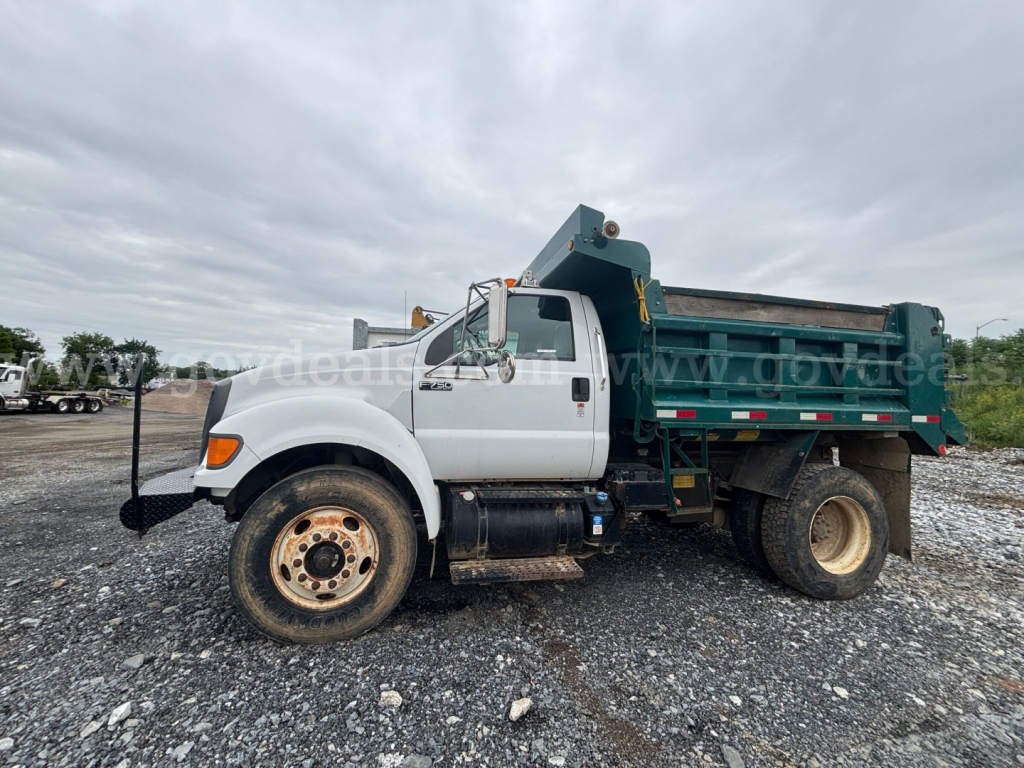
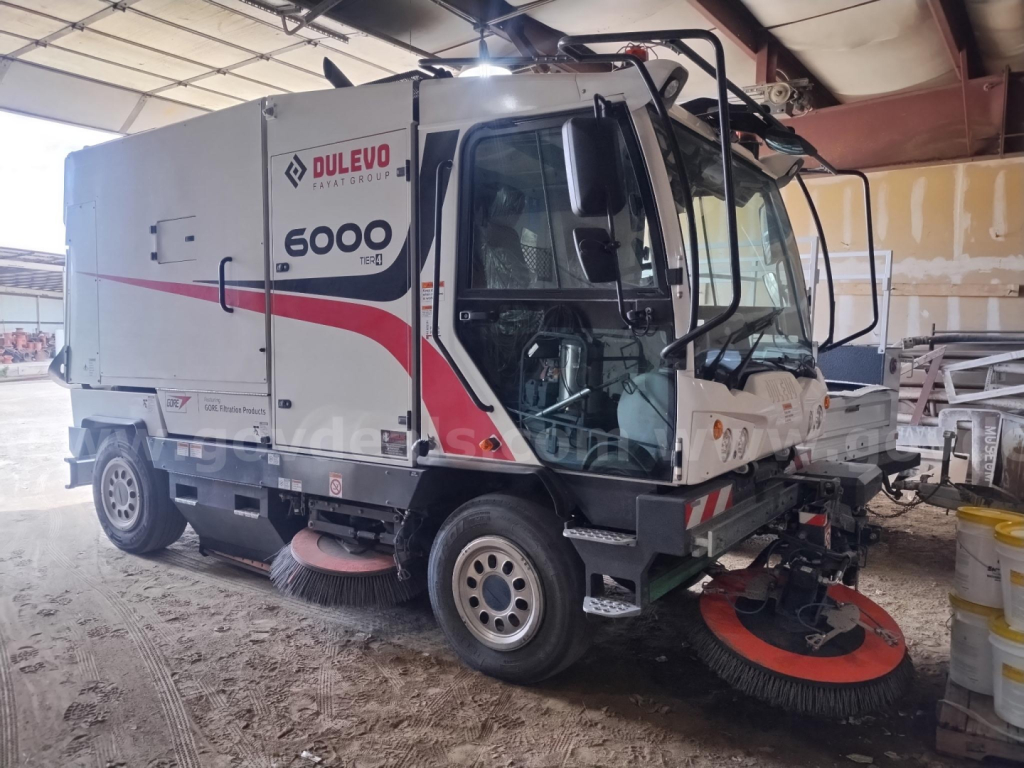
Showing 25 to 36 of 3,359 results
Have john deere truck to sell? List it here to reach thousands of buyers.
About John Deere Trucks
Key specs to weigh include payload rating and heaped body capacity, engine output, and transmission strategy. Typical figures range from about 26 to 46 tons nominal payload, heaped capacities in the 19 to 33 cubic yard range, and PowerTech engines paired with ZF automatic transmissions. Wet-disc service brakes, engine or transmission retarder, and sealed outboard planetaries are standard features that reduce heat and wear on long grades. Many units carry JDLink telematics, on-board weighing, backup cameras, and auto traction control. Options like tailgates and sideboards improve material retention, while body liners extend life in abrasive rock. Tire sizes such as 23.5R25, 26.5R25, 29.5R25, and 875/65R29 influence flotation, ride, and replacement cost.
Application and climate drive configuration choices. Cold-weather packages, heated bodies that route exhaust to reduce carryback, reversible cooling fans, and auto-lube systems are worthwhile in high-utilization fleets. Rock bodies suit dense aggregates; coal or light-material bodies increase volume at the same payload. For loader match, target 3 to 5 passes to minimize idle and tire spin. Short, rough hauls favor larger ADTs where traction and stability matter more than top speed. On long, smooth hauls or hard road approaches, smaller payload classes may return better fuel burn per ton moved and reduce tire wear.
Articulated dump trucks are off-highway machines; top speeds hover near the mid 30 mph range and most jurisdictions restrict public road travel, so plan for lowboy transport and permits. When assessing a used Deere ADT, check center articulation pins and bushings for play, hoist cylinder drift, dump body cracking and hinge wear, differential lock function, wet brake performance, and driveline vibration. Inspect for frame repairs at the hitch area, look for tailgate alignment issues, verify payload meter totals against hour meters, review JDLink service history, and consider oil sample results on engine, transmission, and axles. Tires are a major cost driver; evaluate remaining tread and sidewall condition, especially if the unit ran in sharp rock. Strong parts availability and a wide Deere dealer network help manage lifecycle costs if the machine has been maintained on schedule with DEF and aftertreatment kept in spec.
Frequently Asked Questions
What types of John Deere trucks typically show up on the used market?
Most listings labeled John Deere trucks are off-highway articulated dump trucks used in earthmoving and quarry work. Common models include the 260E, 310E, 370E, 410E-II, and 460E-II. You may also find water truck conversions built on ADT chassis for dust control on mine or construction sites.
How do John Deere articulated dump trucks compare to rigid haul trucks or on-highway dump trucks?
ADTs excel in soft, uneven terrain with tight turns due to the oscillating-articulated frame and 6x6 drive. They carry smaller payloads than rigid-frame mine trucks but can work on temporary haul roads and steeper grades. Versus on-highway dumps, ADTs are faster and more stable off road but are not optimized for public roads; they are heavier, use larger tires, and generally require lowboy transport between jobs.
What should I inspect before buying a used Deere ADT?
Focus on the articulation hitch, frame around the joint, and dump body pivots; check for play, cracks, and repair quality. Test differential lock engagement and retarder operation on a grade. Look for hoist cylinder drift, body floor wear, and tailgate fit. Evaluate tire life and sidewall condition, review JDLink or service records, and consider oil samples on engine, transmission, and axles. Verify that emissions aftertreatment functions correctly and that no derate codes are active.
Can a John Deere articulated truck be driven on public roads?
These machines are designed for off-highway use. Many jurisdictions restrict or prohibit them on public roads due to weight, width, and tire type. Top speed is typically in the mid 30 mph range, which is not practical for road moves. Most owners transport ADTs with a lowboy trailer and secure the proper oversize or overweight permits.
Which options are most valuable for productivity and resale?
On-board weighing, auto-lube, tailgates, body liners, heated bodies for cold climates, reversible fans, LED work lights, and camera systems add daily efficiency and tend to support resale value. Matching tire size to site conditions and choosing the correct body type for your material stream also pays back quickly in cycle times and reduced wear.