
Hooklift Trucks For Sale in Massachusetts
Browse hooklift trucks for sale in Massachusetts. Compare hoist capacity, axle setup, PTO hydraulics, and body compatibility for fleet use.
Learn moreBrowse Hooklift Trucks by Make
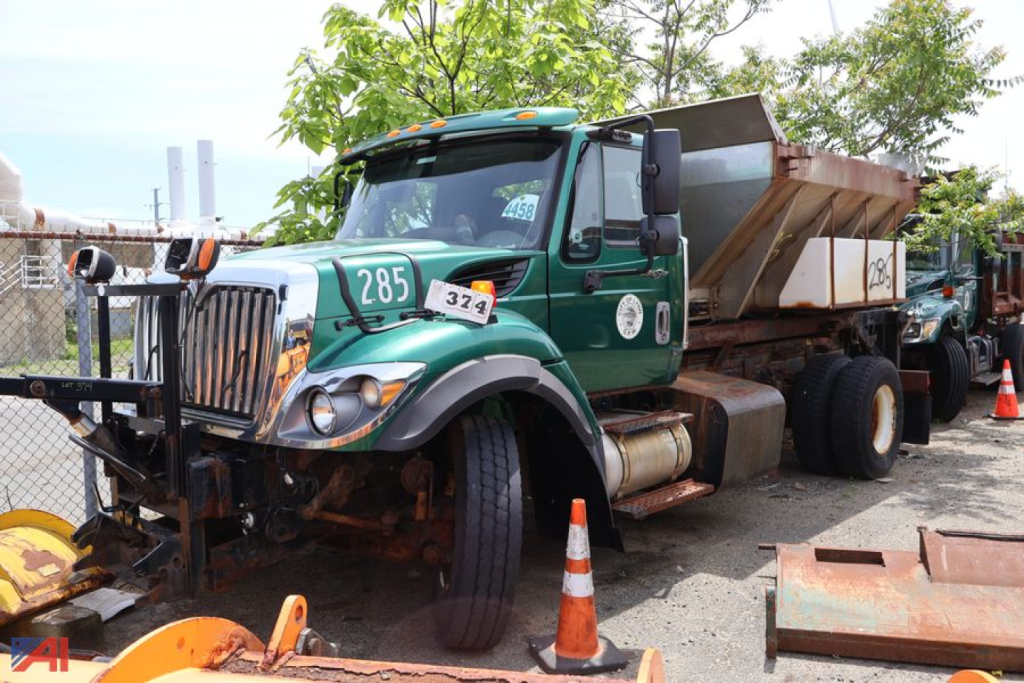
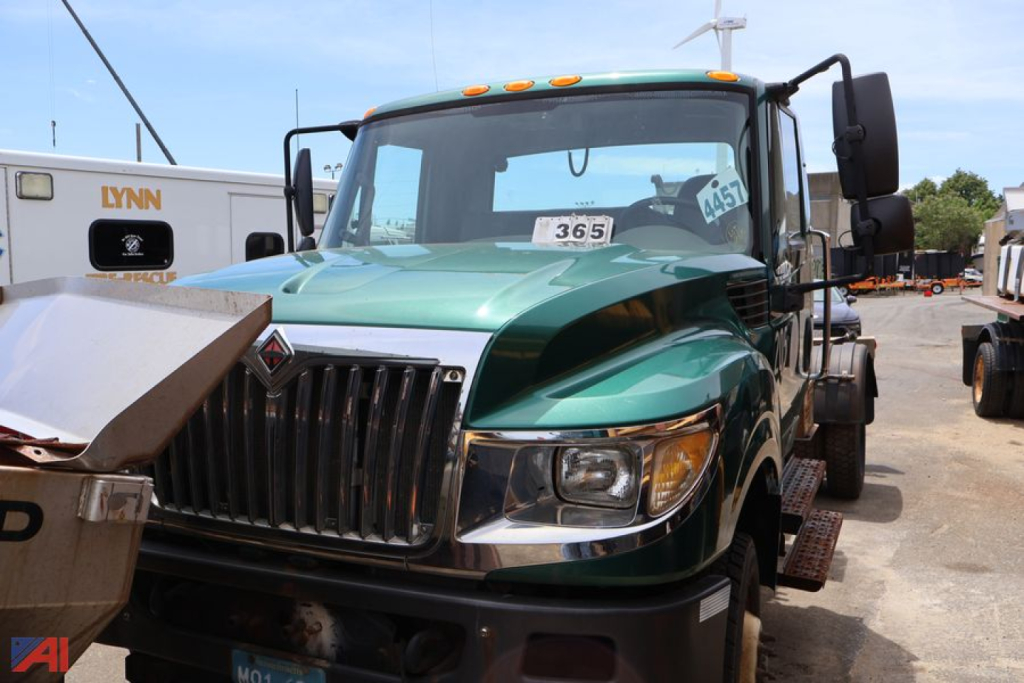
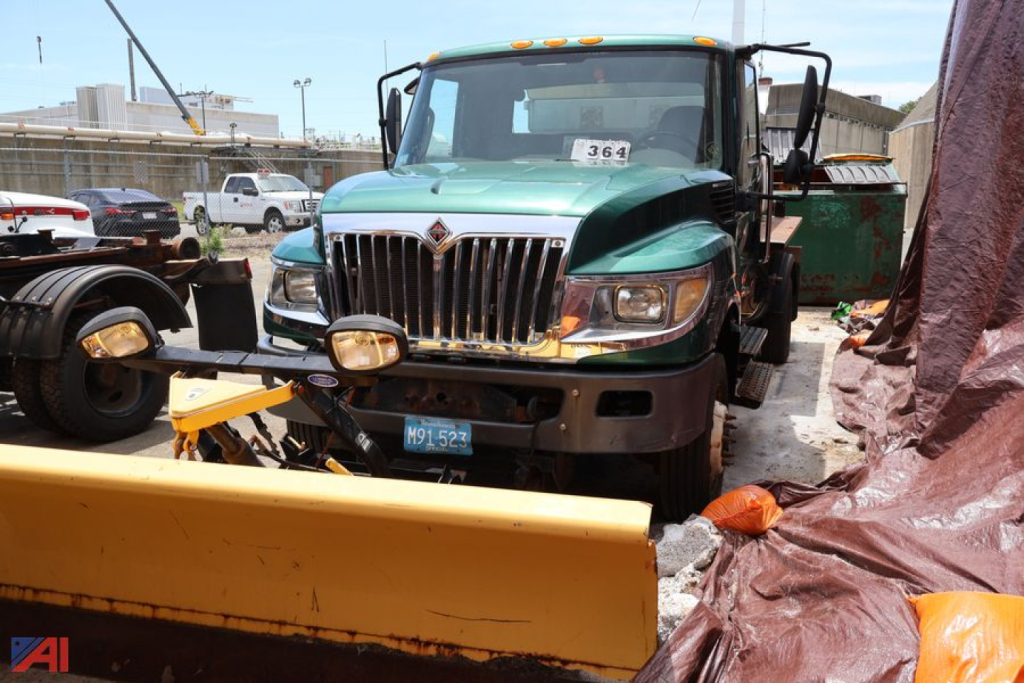

Have hooklift truck to sell? List it here to reach thousands of buyers.
About Hooklift Trucks in Massachusetts
Most hooklift trucks are spec'd on Class 5 through Class 8 chassis, with common platforms including medium-duty single axle trucks and heavier tandem axle configurations. Important specs include hook height, jib length, body length range, hydraulic capacity, PTO setup, and gross vehicle weight rating. Buyers should confirm whether the unit is designed for cable-style containers converted to hooklift use or true hooklift bodies with the right bar placement and rail dimensions. Frame reinforcement, rear roller design, tare weight, and usable payload all affect day-to-day performance. In tighter New England streets, wheelbase and turning radius can matter as much as lifting power.
A good hooklift spec should reflect the actual work cycle, not just the maximum lift rating on paper. Contractors often focus on roll-off style waste containers, scrap boxes, jobsite storage, and equipment transport bodies. Municipal buyers may look for compatibility with plows, sanders, leaf boxes, chip bodies, or emergency support containers. In Massachusetts, corrosion resistance deserves extra attention because road salt shortens the life of hydraulics, electrical connections, subframes, hoists, and body locks. Look closely at crossmembers, hoist pivots, rail wear points, in-cab controls, and PTO engagement history. If the truck will see frequent winter service, heated hydraulic considerations, lighting protection, and easy-to-service valve placement are practical advantages.
The best hooklift trucks balance body interchangeability with stable handling and straightforward maintenance. Check that the axle spacing and suspension are appropriate for the loaded center of gravity of the bodies you plan to carry. Verify container length compatibility, hook height, and rear overhang so loading angles work in the real world, especially on uneven job sites or urban pavement. Buyers comparing used hooklift trucks should pay attention to hydraulic leaks, cycle speed, latch function, frame condition, and evidence of twisting from overloaded containers. A well-matched hooklift truck can replace multiple dedicated trucks, reduce idle assets, and give a fleet more flexibility without adding chassis count.
Frequently Asked Questions
What should I look for first when buying a hooklift truck?
Start with the relationship between hoist capacity, GVWR, wheelbase, and the container or body lengths you need to run. A hooklift truck can have enough rated lift capacity but still be a poor fit if the body length range, axle placement, or hook height does not match your containers. Buyers should also verify PTO and hydraulic condition, frame reinforcement, rear roller setup, and the actual payload left after the hoist and body system are installed.
What bodies can a hooklift truck typically handle?
Hooklift trucks are commonly used with debris boxes, dump bodies, flatbeds, equipment bodies, storage containers, landscape bodies, chip bodies, and municipal service bodies. Some fleets also use them for snow and ice equipment, jobsite support containers, or specialty utility applications. Actual compatibility depends on rail width, body length, hook height, and front bar placement, so body interchange is only as good as the truck and body specs being matched correctly.
Are hooklift trucks a good choice for Massachusetts fleets?
They can be an excellent choice for Massachusetts contractors, municipalities, and service fleets because one chassis can cover multiple seasonal jobs. That flexibility is valuable in a market where urban access, municipal work, construction support, and winter operations often overlap. Buyers in Massachusetts should pay special attention to corrosion, underbody condition, hydraulic hose routing, electrical protection, and the condition of plow or sander integrations if the truck has seen winter duty.
How is a hooklift truck different from a roll-off truck?
A hooklift truck uses a hydraulic arm with a hook to load and unload compatible bodies, while a traditional roll-off truck typically uses a cable hoist system designed around larger containers and different loading geometry. Hooklift trucks are usually more versatile for fleets that want to swap between several body types on one chassis. Roll-off trucks are often better suited for dedicated waste or large container applications where body interchange across other work types is less important.
What are the main wear points on a used hooklift truck?
The most common wear points include hoist pivots, hydraulic cylinders, hoses, body locks, rear rollers, subframe rails, and the truck frame where repeated loading stress is concentrated. Buyers should also inspect PTO engagement, valve operation, wiring to in-cab controls, and any signs of frame cracking or distortion from overloaded boxes. Uneven rail wear, slow cycle times, and leaking hydraulics often indicate a truck that has seen hard service or deferred maintenance.