
2026 Hooklift Trucks For Sale
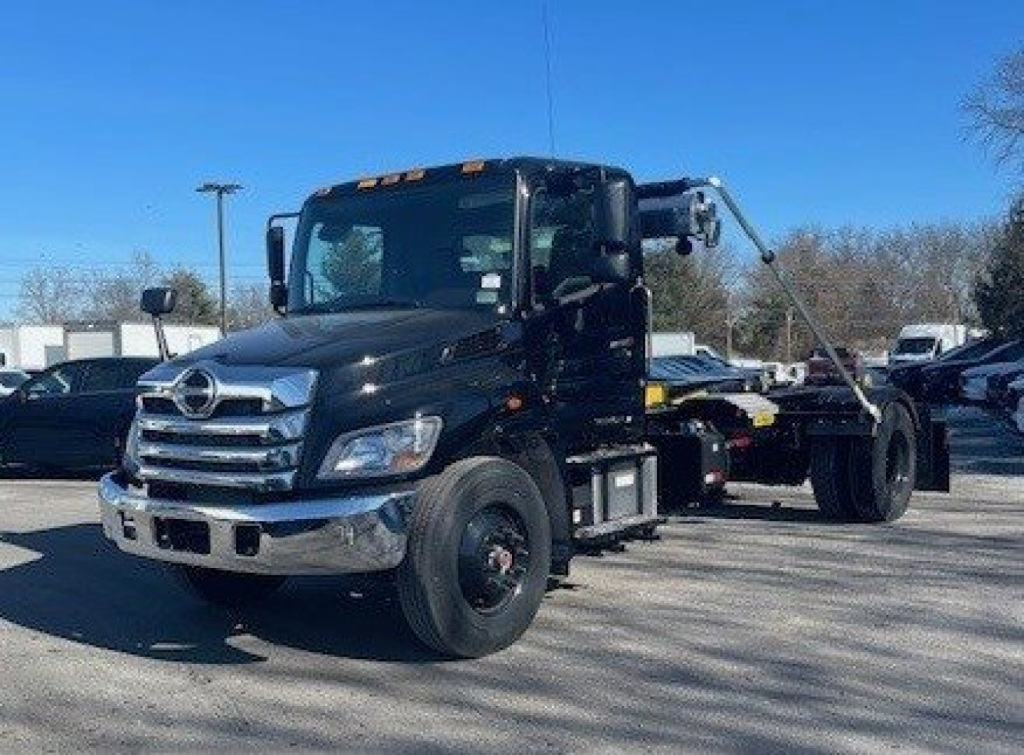
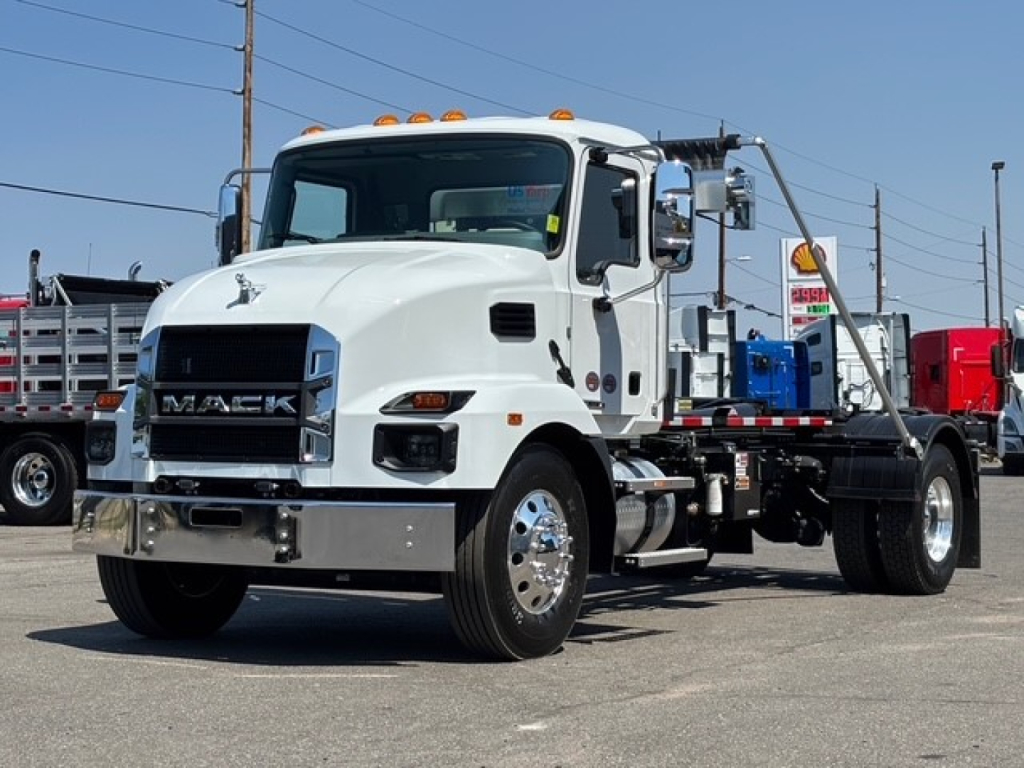
Browse 2026 hooklift trucks with medium-duty and Class 5-7 chassis, interchangeable bodies, and flexible hauling solutions for waste and site work.
Learn more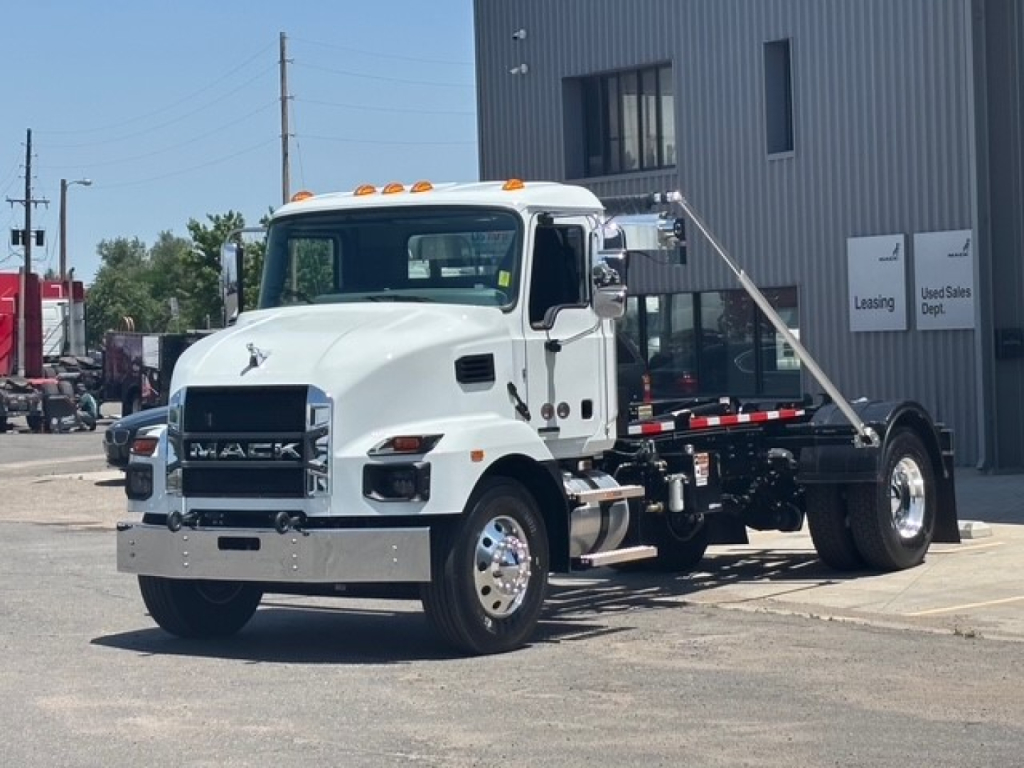
Have 2026 hooklift truck to sell? List it here to reach thousands of buyers.
About 2026 Hooklift Trucks
The first decision is chassis class and hoist capacity. In this category, buyers typically compare Class 5 through Class 7 platforms such as Ram 5500, Hino L6 or L7, International MV-series, and similar medium-duty trucks. Common hooklift capacities range from about 10,000 lb on lighter electric-over-hydraulic systems up to 20,000 lb or 22,000 lb on heavier hydraulic hoists. GVWR, wheelbase, cab-to-axle, and frame height all matter because they determine container length, body stability, and legal payload. A 19,500-lb GVWR truck may be ideal for landscape, junk removal, or municipal support work, while a 25,950-lb or 26,000-lb GVWR configuration is better suited for heavier dumpsters, scrap, construction debris, and jobsite material handling.
Buyers should pay close attention to body compatibility and operating environment. Hooklift trucks are commonly set up for 11-foot, 14-foot, 16-foot, and longer containers depending on the hoist design and chassis dimensions. Cable systems and true hooklift systems are both seen in the market, but the hooklift design generally offers quicker engagement and easier container changes on uneven ground. Important specs include hook height, body rail width, container length range, rear roller design, hydraulic pressure, PTO or electric-over-hydraulic power source, and trailer towing equipment such as pintle or receiver hitches with trailer brake provisions. For crews working in tight urban routes, low cab height, sharp wheel cut, backup cameras, and underbody tool storage can make a real difference. For municipal or winter service applications, buyers may also look for front plow prep, spreader controls, work lights, and corrosion protection.
A well-matched 2026 hooklift truck can serve waste hauling, demolition cleanup, roofing, tree service, portable storage, equipment transport, and site maintenance with less downtime than a single-purpose body truck. The strongest units combine a durable frame, predictable hydraulic performance, and body interchangeability that fits the actual containers already in your fleet. Look closely at hoist geometry, load angle, axle ratings, suspension type, brake package, and the availability of service support for the hoist brand. Those details have a direct effect on cycle times, driver ease of use, and long-term durability.
Frequently Asked Questions
What is the difference between a hooklift truck and a cable roll-off truck?
A hooklift truck uses a hydraulic arm with a hook to engage and pull a body onto the rails, while a cable roll-off truck uses a winch and cable. Hooklift systems are generally faster for swapping compatible bodies and are easier to use when drivers make frequent container changes. Cable systems can still work well, but they are often less versatile when precise, repeated body exchanges are part of the daily job.
What hoist capacity should I choose for a 2026 hooklift truck?
The right capacity depends on the heaviest body and material you plan to handle, not just the empty container weight. Lighter applications such as landscaping, light debris, or small flatbeds may fit a 10,000-lb to 15,000-lb system. Construction debris, scrap, heavier dumpsters, and denser loads often justify a 20,000-lb or 22,000-lb hoist on a heavier chassis. The hoist rating should be considered alongside GVWR, axle ratings, wheelbase, and local legal weight limits.
What container lengths are common on hooklift trucks?
Common container lengths in this market include roughly 11-foot, 14-foot, and 16-foot bodies, though exact compatibility depends on the hoist brand, hook height, and chassis setup. A buyer should confirm the allowable body length range, rail spacing, and hook specification before assuming one truck will handle every container. Matching the truck to existing bins or bodies in your operation can prevent expensive changes later.
Are electric-over-hydraulic hooklift systems good enough for commercial work?
Electric-over-hydraulic systems are common on lighter-duty trucks and can be a practical fit for landscaping, maintenance, light hauling, and multi-use contractor applications. They tend to be simpler on smaller chassis and can perform well when load weights and cycle frequency stay within their intended range. For heavier daily use, larger dumpsters, or higher cycle counts, a PTO-driven hydraulic system on a medium-duty chassis is often the better long-term choice.
What should I inspect first on a used or new hooklift truck setup?
Start with the chassis and hoist as one integrated system. Verify GVWR, front and rear axle ratings, frame condition, hoist capacity, hydraulic operation, and body compatibility. Then check hook height, rail wear, rear rollers, pivot points, control function, PTO or pump performance, and any hitch or trailer brake equipment. If the truck will run multiple bodies, confirming exact fitment and load balance is one of the most important steps in the buying process.