
New International Heavy Haul Trucks For Sale
Shop new International heavy haul trucks built for towing, hauling, and upfit work with diesel power, chassis strength, and work-ready capability.
Learn more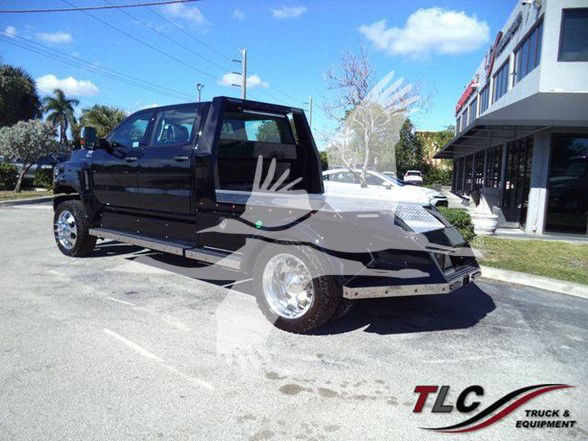
Have new international heavy haul truck to sell? List it here to reach thousands of buyers.
About New International Heavy Haul Trucks
The most important decision is matching the truck to the trailer and payload, not just picking the highest advertised tow rating. Look closely at GVWR, GCWR, rear axle capacity, frame strength, suspension type, brake setup, and receiver or gooseneck ratings. A hauler bed with integrated toolbox space, diamond deck material, full fenders, work lighting, and trailer plug provisions can save time and money compared with a bare chassis that still needs to be outfitted. For buyers pulling skid steers, small excavators, jobsite materials, pickup-sized heavy trailers, or specialty equipment, a diesel-powered International heavy haul truck can offer a good balance of maneuverability, cab comfort, and commercial-grade towing hardware.
International buyers also tend to focus on serviceability and upfit flexibility. Depending on the model and build, common specs can include crew cab or regular cab layouts, 4x2 or 4x4 drivetrains, spring suspension, PTO capability on some chassis, and trailer-friendly electrical connections such as 7-way plugs with brake control integration. New units are attractive for fleets that want emissions-compliant powertrains, warranty coverage, and a clean maintenance baseline from day one. If the truck will spend time on rough jobsites, pay attention to ground clearance, tire selection, wheel material, and how the body design affects departure angle and rear access around the hitch area.
A good International heavy haul truck should be evaluated as a complete working package: cab, chassis, drivetrain, hitching system, and body equipment all need to support the same application. Buyers hauling regionally may prioritize fuel efficiency, driver comfort, and highway stability, while local contractors may care more about 4x4 traction, compact wheelbase, storage, and easy trailer hookup. The right setup depends on trailer type, loaded pin or tongue weight, route conditions, and how often the truck will operate at or near rated capacity. When those factors line up, this category delivers a versatile platform for towing, hauling, and specialized commercial transport work.
Frequently Asked Questions
What should I compare first when shopping for a new International heavy haul truck?
Start with GVWR, GCWR, rear axle rating, hitch capacity, and the type of trailer the truck will pull. Those numbers determine whether the truck is correctly matched to the load. After that, compare wheelbase, drivetrain, cab style, suspension, and body configuration. A truck with the right hauler bed, gooseneck hitch, receiver setup, and trailer wiring is usually more valuable than a similar chassis that still needs major upfit work.
Are International heavy haul trucks only for large equipment trailers?
No. This category can include trucks used for a wide range of towing and hauling jobs, including gooseneck trailers, contractor trailers, equipment haulers, hotshot-style applications, and specialty transport. Some International models in this space are medium-duty platforms that bridge the gap between a pickup and a larger commercial truck. The key is to match the truck's ratings and body equipment to the actual trailer weight and duty cycle.
Is 4x4 important on a heavy haul truck?
4x4 matters when the truck will regularly leave pavement, back trailers into soft ground, work on uneven jobsites, or operate in snow and mud. It adds traction and can improve confidence during trailer hookup and low-speed maneuvering under load. For primarily highway use, a 4x2 may offer lower weight, less complexity, and potentially lower operating cost. The best choice depends on terrain, weather, and how often the truck has to move a loaded trailer in poor conditions.
What body and hitch features are most useful on this type of truck?
Buyers usually look for a hauler or platform body with a usable deck surface, integrated tool storage, durable tread or diamond-plate construction, strong tie-down points, full fenders, work lights, and clean access to the hitch area. On the towing side, gooseneck hitches, receiver hitches, trailer brake provisions, and 7-way electrical plugs are common priorities. These features improve trailer compatibility and make the truck more practical for daily commercial use.
Why buy a new International heavy haul truck instead of a used one?
A new truck gives the buyer a known maintenance starting point, current emissions compliance, factory warranty support, and the opportunity to spec the chassis and upfit around a specific job. That can reduce early repair risk and help standardize equipment across a fleet. For operations that depend on uptime, predictable service intervals and modern driver comfort features can be just as important as towing capacity.