
Garbage Trucks For Sale in New Jersey
Shop garbage trucks for sale in New Jersey. Compare rear loaders, front loaders, side loaders, packer bodies, chassis specs, and PTO setups.
No exact matches found for your search
Showing Garbage Trucks instead.
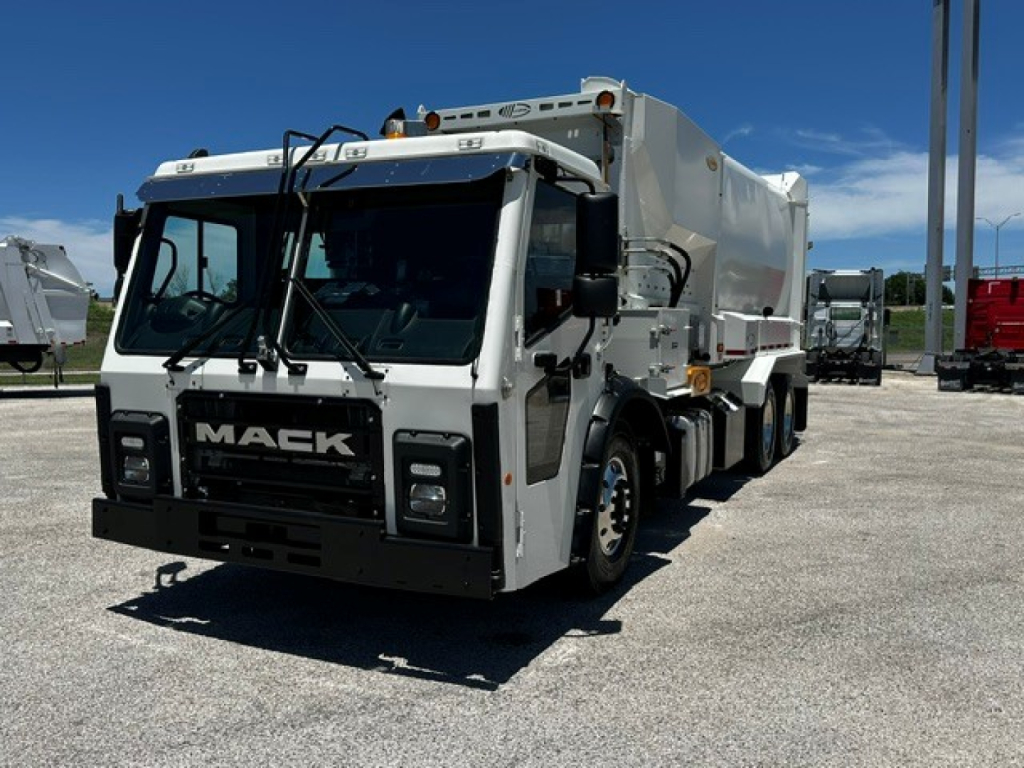
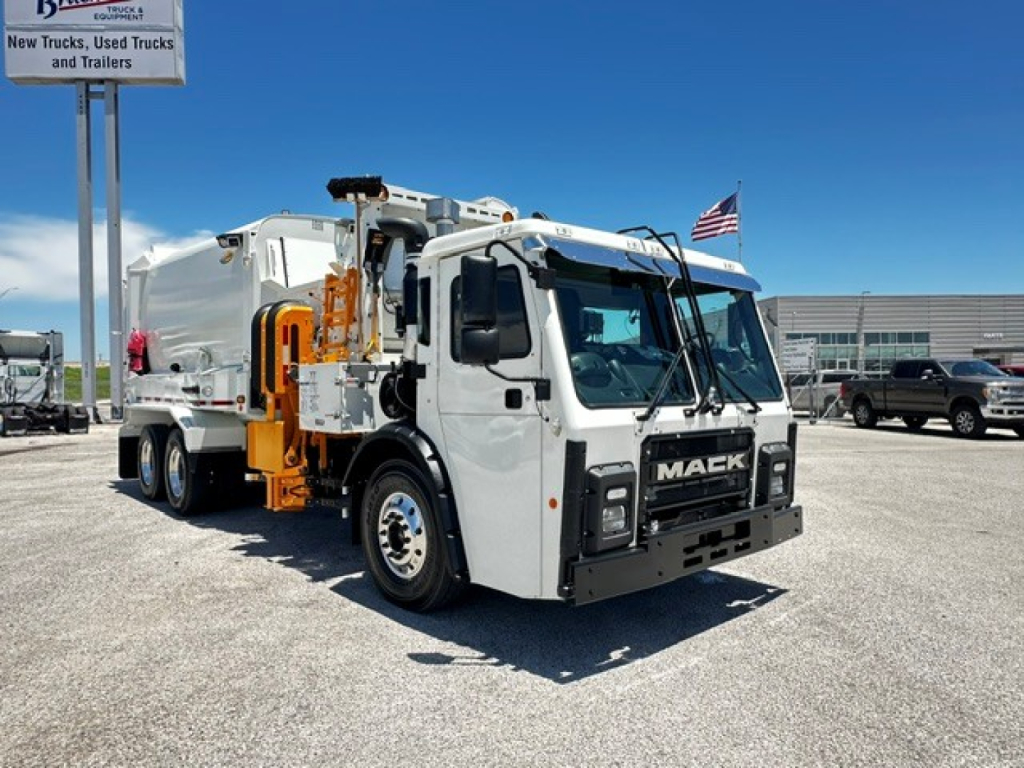
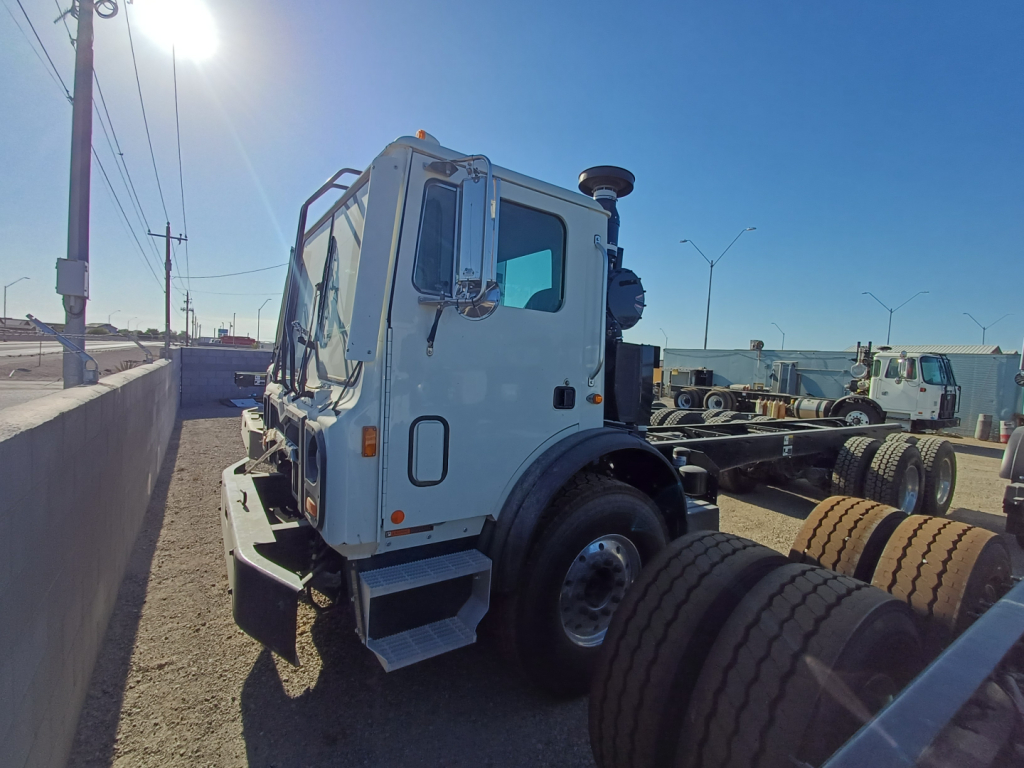
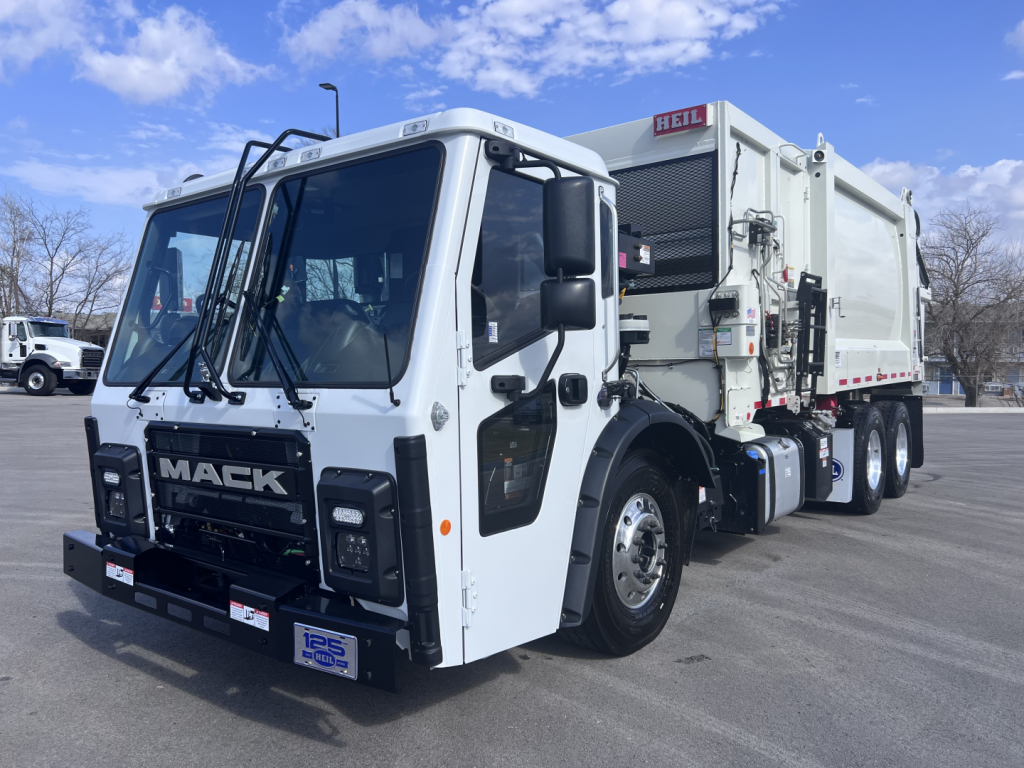
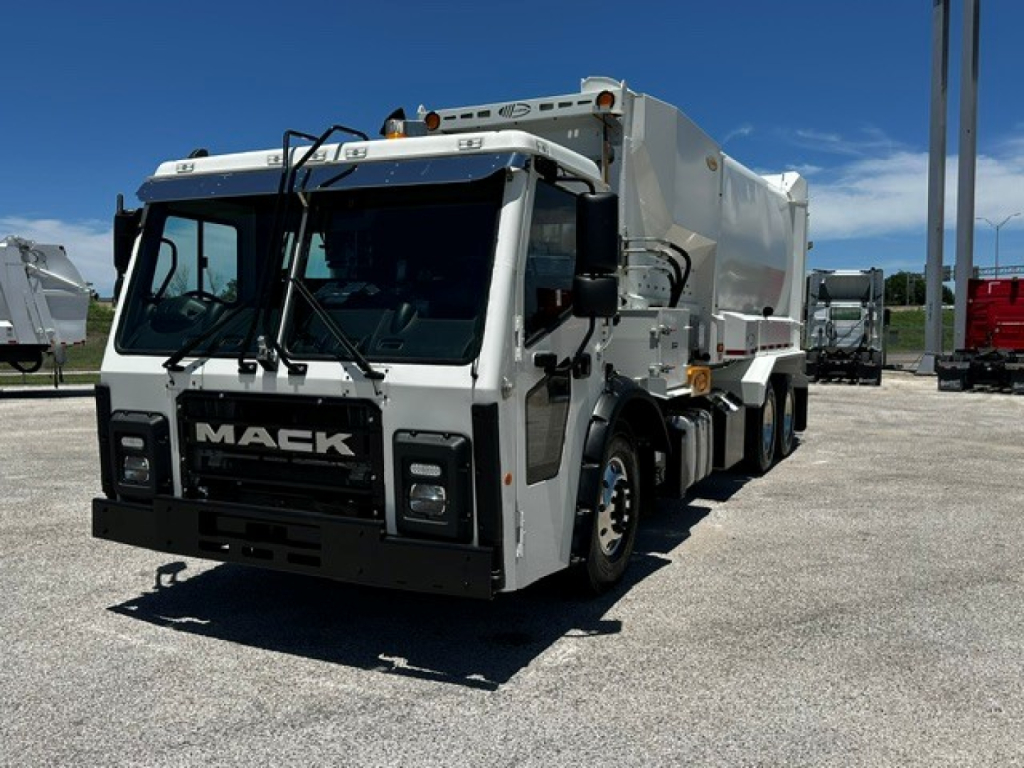
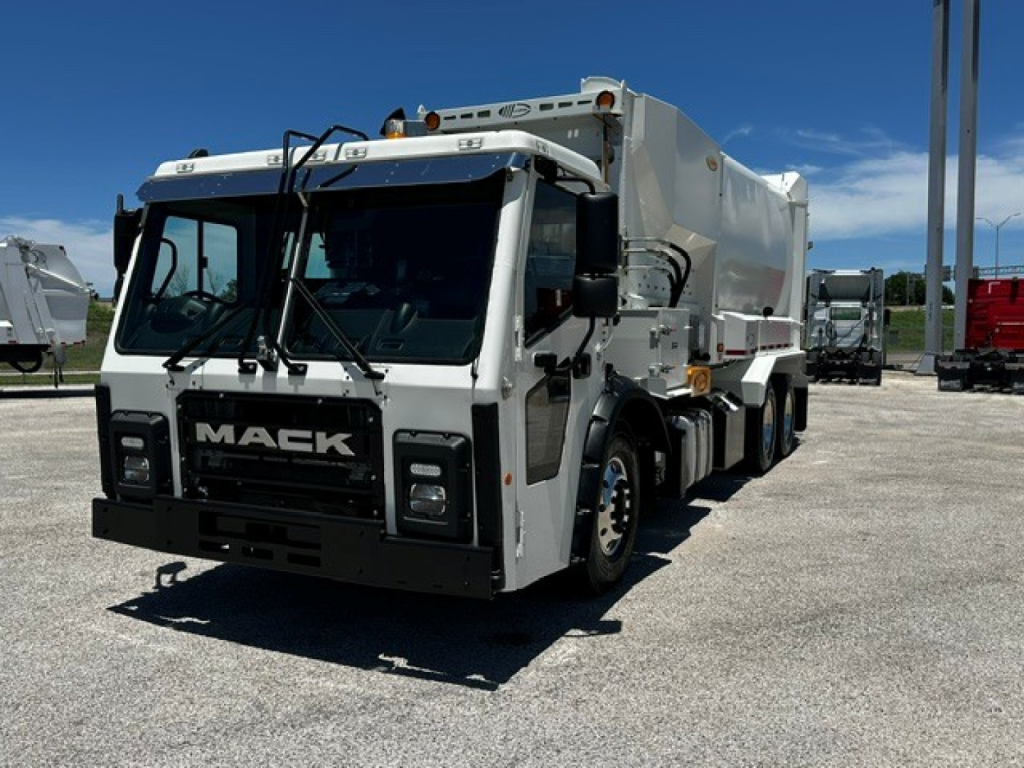
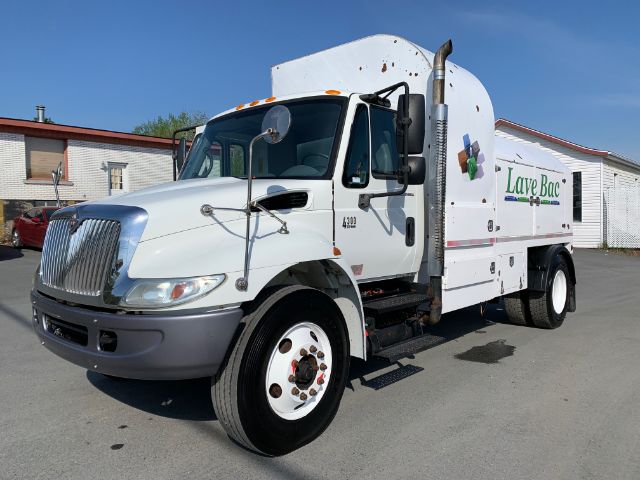

Have garbage truck to sell? List it here to reach thousands of buyers.
Garbage Trucks in New Jersey
On the truck side, most garbage trucks are specified on severe-duty or medium-duty chassis from makers such as Freightliner, Mack, Peterbilt, International, Kenworth, or Autocar. Diesel engines paired with Allison automatic transmissions are common because refuse work demands low-speed control, frequent shifting, and reliable PTO operation. Key specs to compare include GVWR, axle ratings, wheelbase, cab configuration, PTO type, hydraulic system condition, packer body capacity in cubic yards, and front or rear suspension setup. In tighter urban markets and older neighborhoods, overall length, turning radius, and visibility can matter more than raw body size. Buyers should also look closely at hours of hydraulic use, body floor and sidewall wear, tailgate seal condition, ejector or packer blade operation, and signs of corrosion around the hopper, subframe, and body mounts.
New Jersey buyers often deal with dense routes, transfer station runs, bridge and street restrictions, and heavy exposure to road salt. That makes rust inspection a serious part of the buying process, especially on rear doors, hinge points, crossmembers, hydraulic lines, and electrical connections. A refuse truck can have an engine and transmission that still feel strong while the body itself is nearing major repair territory. It is smart to inspect the packer rails, cylinder pins, control valves, harnesses, backup camera systems, warning lights, and cart lifters or container forks. If the truck will be used on municipal work, confirm the body make and model supports parts availability, and check that safety interlocks, tailgate latches, and hopper controls function correctly.
The best garbage truck is the one that fits the route density, waste stream, and maintenance capability of the fleet. Residential work usually favors maneuverable rear loaders or automated side loaders with dependable cycle times. Commercial dumpster service usually points to a front loader with the right arm capacity, hopper geometry, and legal axle spread. Transfer or long-haul refuse applications may call for larger body capacity and heavier chassis ratings. A careful buyer compares not just mileage, but idle time, PTO hours, body condition, and the service history of the hydraulic and electrical systems, because those details usually determine uptime in refuse service.
Frequently Asked Questions about Garbage Trucks in New Jersey
What type of garbage truck is best for residential collection?
Rear loaders are still a common choice for residential trash routes because they work well for bagged waste, hand-loaded material, and cart tipper setups. Automated side loaders are also popular when the route uses standardized carts and the goal is to reduce labor and speed up stops. The better choice depends on route density, alley access, staffing, and how consistent the container type is across the service area.
What should I inspect first on a used garbage truck?
Start with the refuse body and hydraulic system, not just the engine. Check the hopper, packer blade, tailgate, floors, sidewalls, cylinder pins, hoses, PTO engagement, and control functions. A truck can run and drive well but still need expensive body repairs if the packer mechanism, tailgate seals, or structural steel are badly worn or corroded. Rust, fluid leaks, electrical faults, and non-working safety interlocks are major red flags.
How is a garbage truck body size measured?
Garbage truck bodies are typically rated in cubic yards, which indicates how much loose waste the body can hold before compaction limits are reached. Body capacity should be matched to route volume, axle ratings, and legal loaded weight. A larger cubic-yard body does not always mean more usable payload if the truck reaches axle limits before the body is full, especially on dense commercial waste routes.
Why are Allison automatic transmissions so common in refuse trucks?
Allison automatic transmissions are widely used in garbage trucks because refuse work involves constant stopping, starting, backing, and low-speed maneuvering. An automatic transmission improves drivability, supports PTO-dependent body operation, and reduces driver fatigue on dense routes. In severe stop-and-go service, that combination is often more practical and durable than a manual transmission.
Are garbage trucks in New Jersey more vulnerable to rust?
Yes. Refuse trucks operating in New Jersey often see heavy corrosion exposure from road salt, moisture, and year-round urban duty cycles. Buyers should pay close attention to frame rails, crossmembers, body mounts, hydraulic tubing, electrical connectors, tailgate hinges, and the lower sections of the packer body. Corrosion in these areas can affect safety, uptime, and repair cost far more than cosmetic rust on the cab.