
2017 Garbage Trucks For Sale
Browse 2017 garbage trucks for sale, including side loader, front loader, and rear loader refuse trucks with common specs and buying tips.
Learn more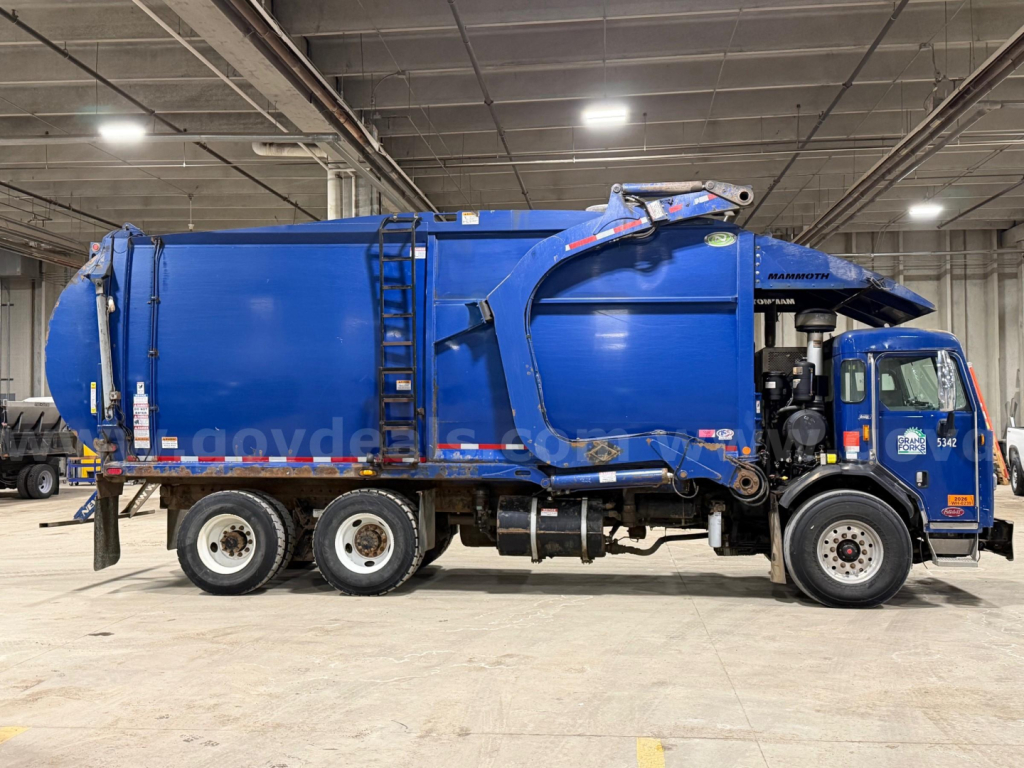

Have 2017 garbage truck to sell? List it here to reach thousands of buyers.
About 2017 Garbage Trucks
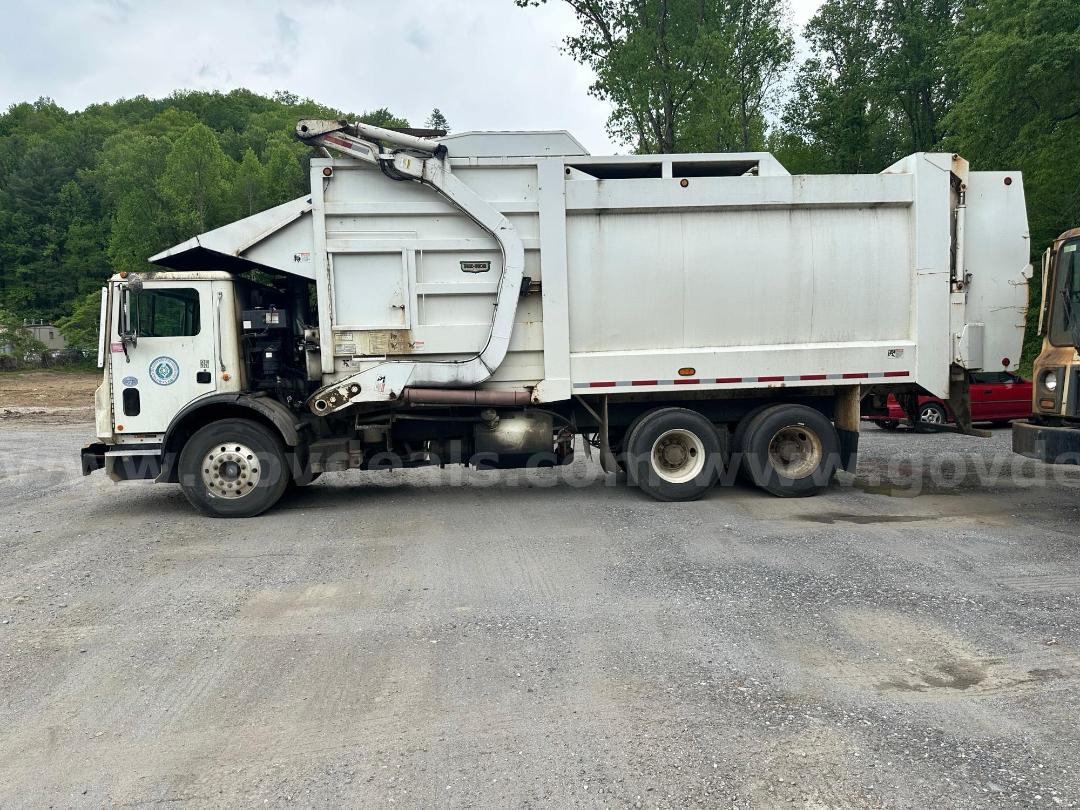
The first decision is body style. Automated side loaders are common in residential collection and usually feature a cart-tipper arm or grabber with reach specs that matter in cul-de-sac and tight curbside work. Front loaders are built for commercial dumpsters and higher payload cycles, often paired with heavier front axle ratings and reinforced forks. Rear loaders still make sense for manual or semi-automated collection and for operations handling mixed waste, bulk pickup, or tighter alley access. Buyers should confirm body manufacturer, cubic yard capacity, packer design, hopper size, arm condition, and whether the truck uses a standard packer or full-eject body. Common body builders in this segment include Heil, Labrie, McNeilus, New Way, and Loadmaster.
On 2017 refuse trucks, drivetrain and emissions spec deserve close attention because stop-and-go garbage routes are hard on every system. Diesel units in this class are often equipped with Allison automatic transmissions, heavy front axles, tandem or tag axle setups, and horsepower ratings matched to body size and route density. Some 2017 trucks were also built with CNG engines, especially on municipal residential service, so fuel type should be reviewed alongside shop capability and local fueling access. Check engine hours, PTO engagement quality, hydraulic leaks, packing cycle speed, steering play, suspension wear, brake life, and axle kingpin condition. Refuse applications put far more stress on chassis components than highway miles alone would suggest, so hour-meter history and maintenance records can be more useful than odometer readings.
A strong 2017 garbage truck should match the route before it matches the price. Look at turning radius, axle ratings, legal payload in your state, body weight, cab configuration, and how easily the truck can be serviced. Residential fleets may prioritize automated arm performance, visibility, and right-hand stand-up or low-entry ergonomics. Commercial fleets may care more about lift capacity, frame strength, and compaction force. It also pays to inspect the floor, body side sheets, tailgate seals, eject panel, cart tippers, and hydraulic cylinders for wear from corrosive waste streams. When the chassis, body, and route type line up, a 2017 refuse truck can still deliver dependable collection service and solid cost-per-route performance.
Frequently Asked Questions
What should I look at first when buying a 2017 garbage truck?
Start with the body style and route application. A 2017 garbage truck built as an automated side loader for residential carts is very different from a front loader spec'd for commercial dumpsters or a rear loader used for mixed collection. After confirming the application fit, inspect the refuse body, hydraulic system, PTO operation, packer cycle, axle ratings, and maintenance history. On refuse trucks, body and hydraulic condition often matter just as much as engine and transmission condition.
Are 2017 garbage trucks commonly diesel or CNG?
Both are common in this model year. Many municipal and residential fleets bought CNG refuse trucks in this period, especially on dedicated local routes with access to fueling infrastructure. Diesel units are still widely used and may be easier to service in some markets. The right choice depends on local fuel availability, technician familiarity, emissions system condition, and total operating cost for your route structure.
How many yards is a typical 2017 garbage truck body?
Body capacity varies by application, but many 2017 refuse trucks fall in the roughly 20 to 32 cubic yard range. Residential side loaders and rear loaders are often found in the mid-to-upper 20-yard range, while front loaders and full-eject bodies can vary based on intended payload and route density. Cubic yard rating is only part of the equation, because legal payload depends on body weight, axle spec, and local weight limits.
Why do engine hours matter so much on a used refuse truck?
Refuse trucks spend much of their life in low-speed, stop-and-go service with constant PTO and hydraulic use. That means chassis wear, idle time, and packing cycles can be high even when mileage looks reasonable. Engine hours help show the truck's real workload, especially on municipal units that ran daily neighborhood routes. A lower-mile truck with very high hours may have seen more severe use than the odometer suggests.
What are common wear points on a 2017 garbage truck?
Common wear areas include hydraulic cylinders and hoses, packer slides, body floors, tailgate seals, arm pivots, forks, suspension components, steering linkage, brakes, and axle kingpins. On side loaders, the arm assembly and grabber mechanism deserve close inspection. On any refuse truck, corrosion from leachate and repeated heavy cycling can affect both the body and chassis, so look carefully at structural areas, crossmembers, and signs of fatigue around mounting points.