
Used Freightliner Trucks For Sale Near Jefferson, Georgia
Browse used Freightliner trucks for sale, including Cascadia day cabs and sleepers with Detroit or Cummins power for regional and long-haul work.
Learn more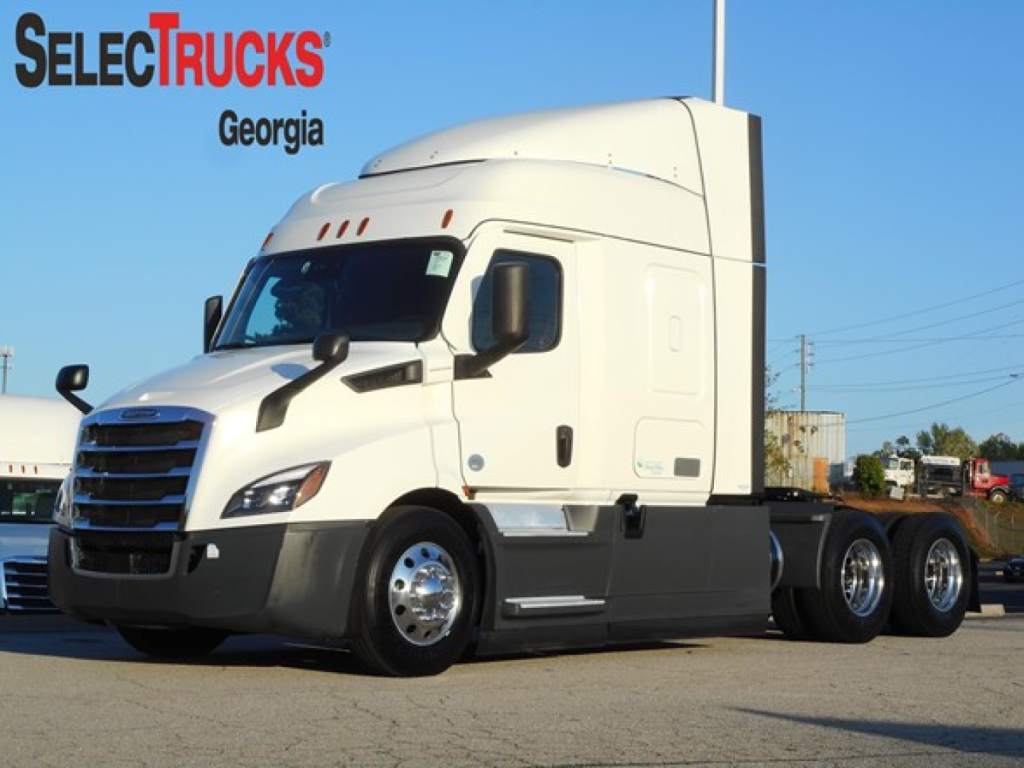
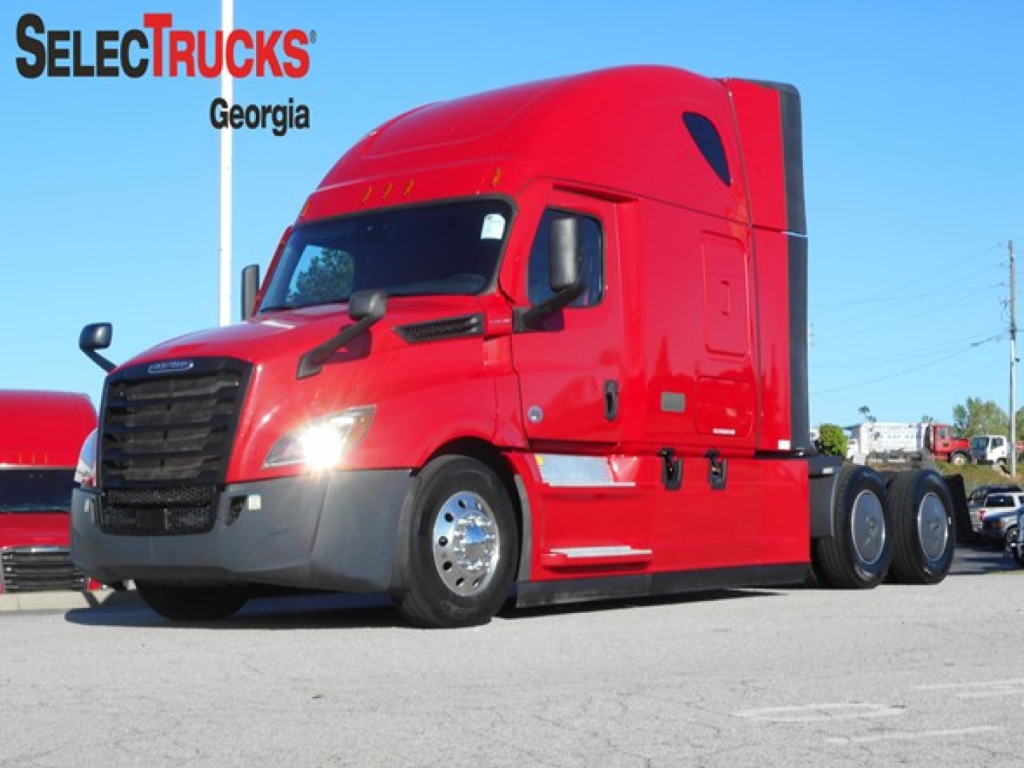
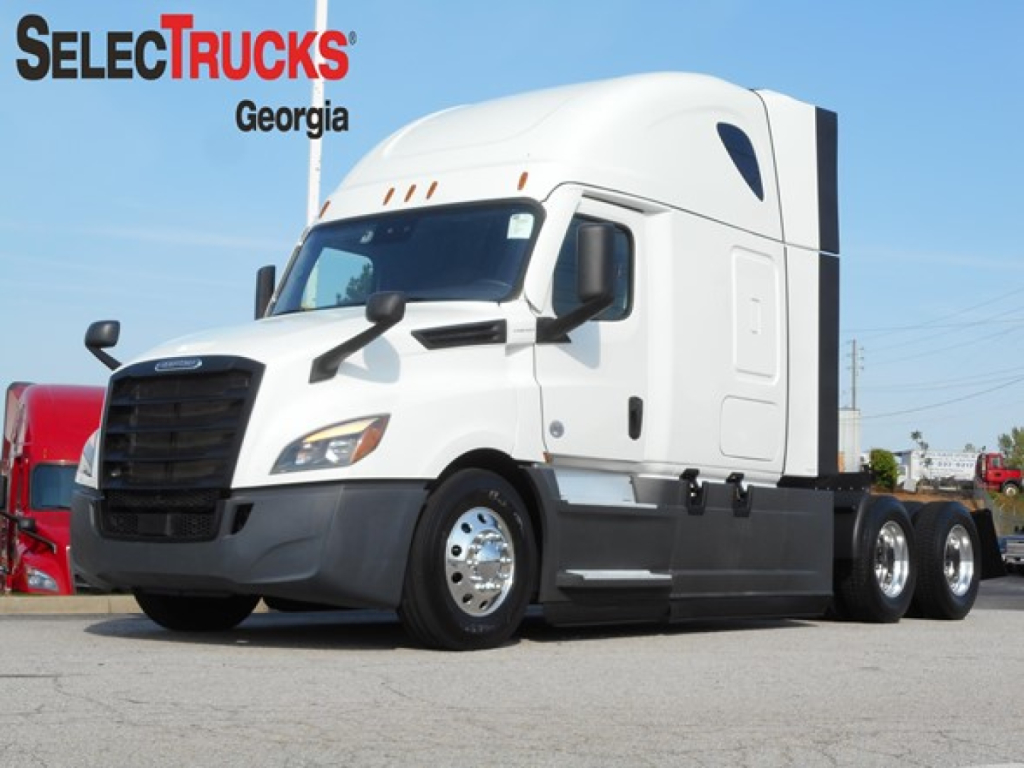
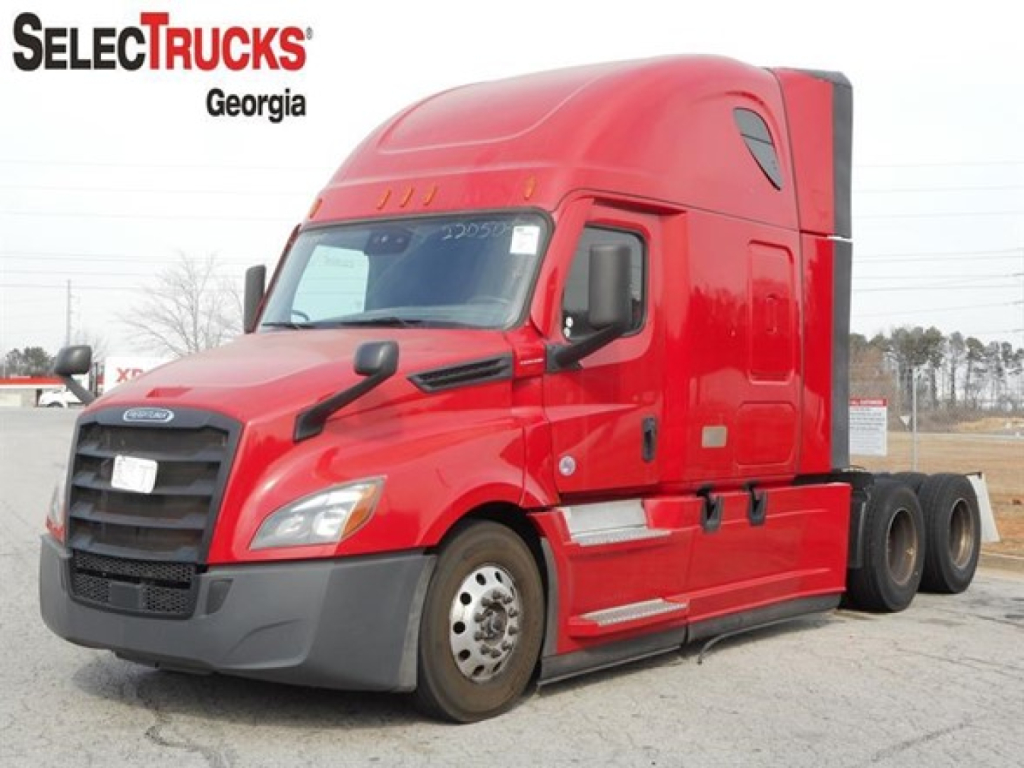
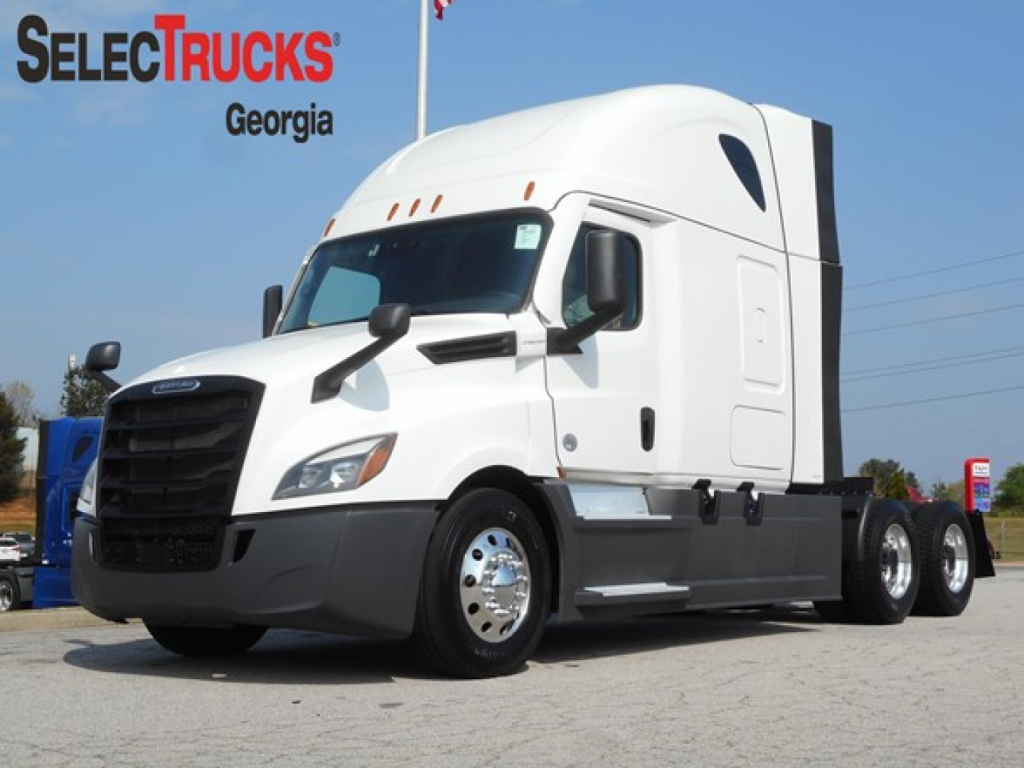
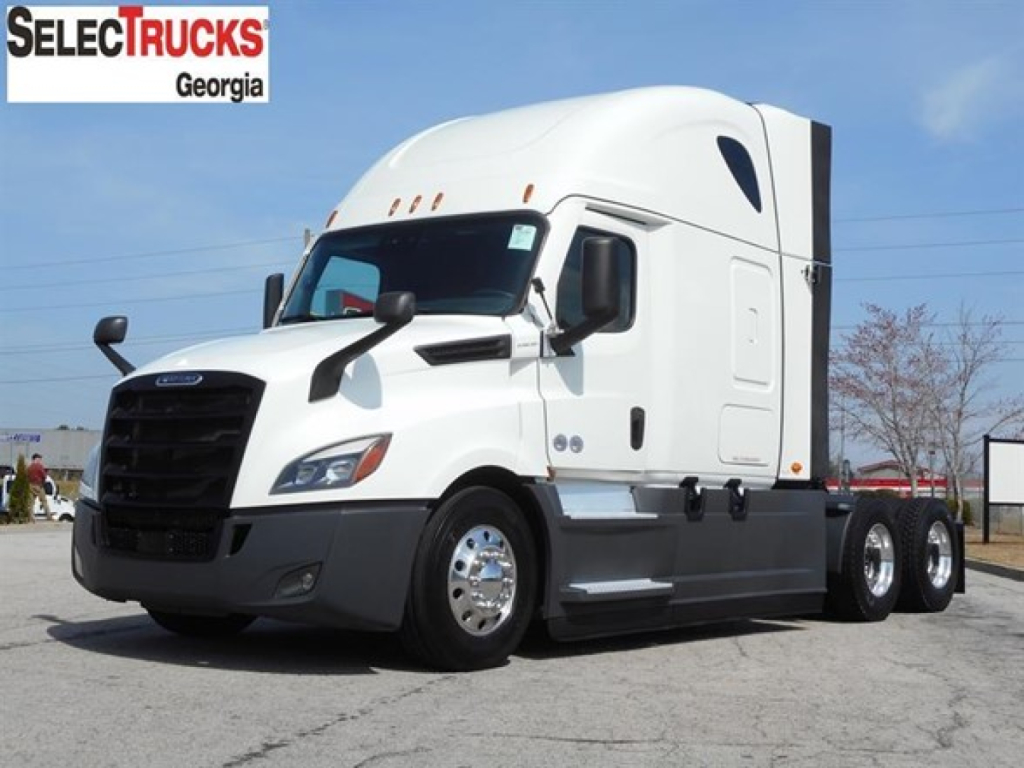
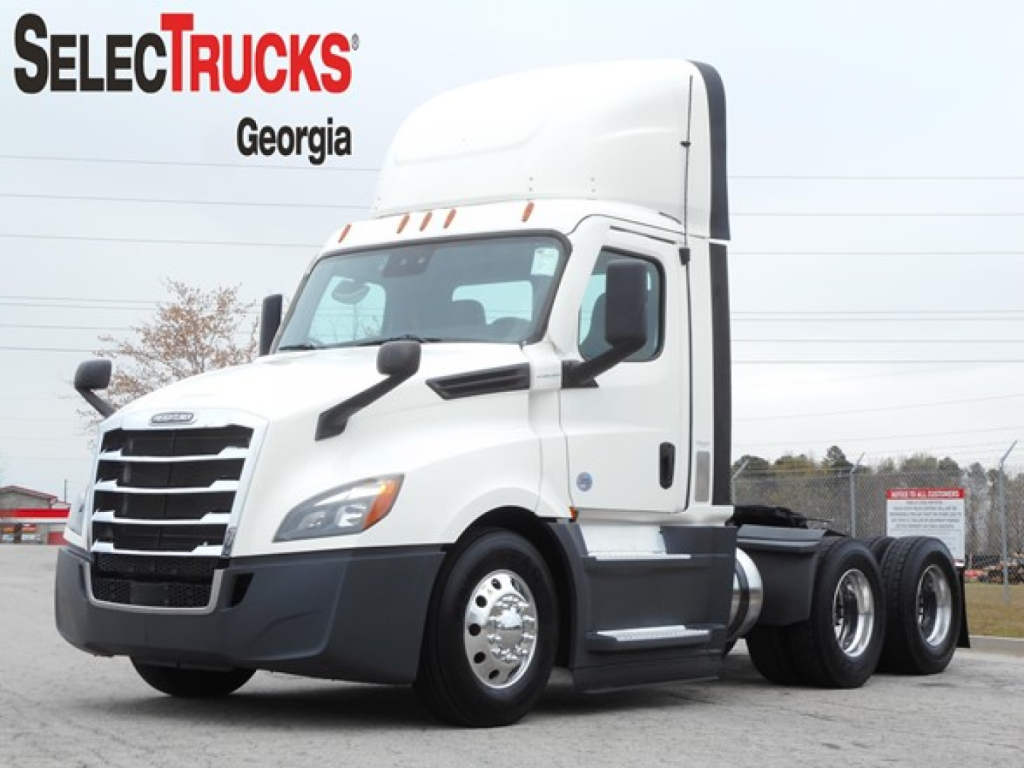
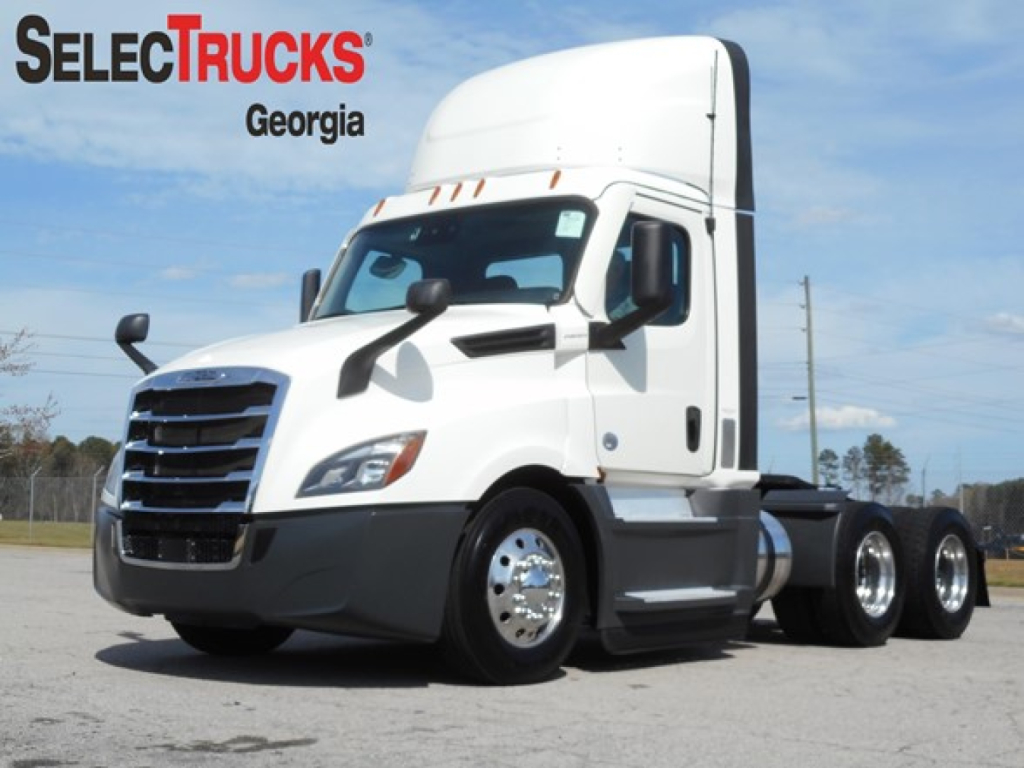

Showing 13 to 21 of 21 results
Have used freightliner truck to sell? List it here to reach thousands of buyers.
About Used Freightliner Trucks Near Jefferson, Georgia
The first decision is usually cab style and engine rating. A Freightliner day cab is commonly spec'd for regional freight, dedicated lanes, ports, and short-haul trailer work where low weight and easy maneuverability matter. Sleeper trucks, especially raised-roof Cascadias, are built for longer runs and driver retention, with common features like bunk heaters, APUs, refrigerators, and workstation layouts. Engine and transmission combinations often include Detroit DD13 or DD15 platforms paired with the DT12 automated manual, though some used units will carry Cummins power and 13-speed automated or manual-style driveline specs. For many buyers, the right match comes down to GCWR needs, typical terrain, idle time, and maintenance familiarity.
A used Freightliner should be evaluated by more than mileage alone. Look closely at maintenance history, aftertreatment service records, clutch and transmission calibration history on DT12-equipped trucks, and any signs of excessive idle hours. Rear axle ratio, wheelbase, fifth-wheel setup, and fuel capacity all affect how the truck fits the intended lane. On sleeper units, check APU operation, bunk HVAC performance, inverter systems, and interior wear. On day cabs, pay attention to frame condition, suspension wear, brake life, and whether the truck was previously used in heavy stop-and-go service. Cascadias are known for aerodynamic efficiency and a driver-friendly cab, but a buyer still needs to confirm that tire condition, DOT status, emissions components, and electronic systems are in line with the truck's age and application.
Freightliner trucks hold appeal in the Southeast because they are easy to place into general freight, dedicated contract work, and fleet replacement cycles. A well-spec'd used Cascadia can support dry van, reefer, flatbed, or container operations depending on the wheelbase and fifth-wheel arrangement. Buyers comparing listings should pay attention to horsepower, sleeper size, safety equipment, and maintenance documentation before focusing on cosmetic details. In this category, the best value usually comes from a truck with a clean service story, a proven engine-transmission combination, and a spec that matches the route profile from day one.
Frequently Asked Questions
What are the most common used Freightliner truck models buyers look for?
The Freightliner Cascadia is the most common used Freightliner truck on the market and the model most buyers target for highway and regional freight. It is available as a day cab or conventional sleeper and is widely spec'd with Detroit DD13 or DD15 engines and DT12 automated transmissions. Older Freightliner Columbia, Coronado, and M2 models also appear in the used market, but Cascadia units generally dominate because of their fuel efficiency, aerodynamics, and widespread fleet adoption.
Is a used Freightliner day cab or sleeper better for my operation?
A day cab is usually the better fit for local delivery, port drayage, regional distribution, and dedicated short-haul work where the truck returns regularly and lower curb weight matters. A sleeper is the better choice for over-the-road freight, multi-day runs, and operations where driver comfort and onboard storage affect productivity. The right decision depends on route length, idle time, customer dwell, and whether the truck needs amenities like a bunk heater, refrigerator, or APU.
What should I inspect first on a used Freightliner Cascadia?
Start with engine service history, emissions system records, transmission performance, and evidence of consistent preventive maintenance. On DD13 and DD15 trucks, confirm that the aftertreatment system has been serviced properly and check for fault history if available. On DT12-equipped trucks, review clutch wear, calibration history, and shift quality. Also inspect tires, brakes, suspension, fifth-wheel condition, frame rails, and any signs of excessive idle hours or neglected cab electrical systems.
Are used Freightliner trucks expensive to maintain?
Maintenance cost depends heavily on prior care, engine choice, and duty cycle, but Freightliner trucks are generally considered manageable to maintain because parts availability is strong and most service markets are familiar with the platform. Costs rise quickly when a truck has deferred emissions repairs, poor maintenance records, or heavy wear in suspension and driveline components. A truck with documented PM intervals and a clean inspection history is usually a better long-term value than a cheaper unit with missing records.
What specs matter most when comparing used Freightliner trucks for sale?
Horsepower, torque rating, transmission type, rear axle ratio, wheelbase, fuel capacity, and cab configuration are the key specs that determine how the truck will perform in your operation. Buyers should also verify sleeper size, suspension type, axle capacity, and fifth-wheel position because those details affect trailer compatibility, payload balance, and route efficiency. Matching the spec to the actual freight lane is more important than choosing the newest model year alone.