
New Flatbed Trucks For Sale
Shop new flatbed trucks built for hauling equipment, materials, and freight with durable beds, strong payload ratings, and versatile upfits.
Learn moreBrowse Flatbed Trucks by Make
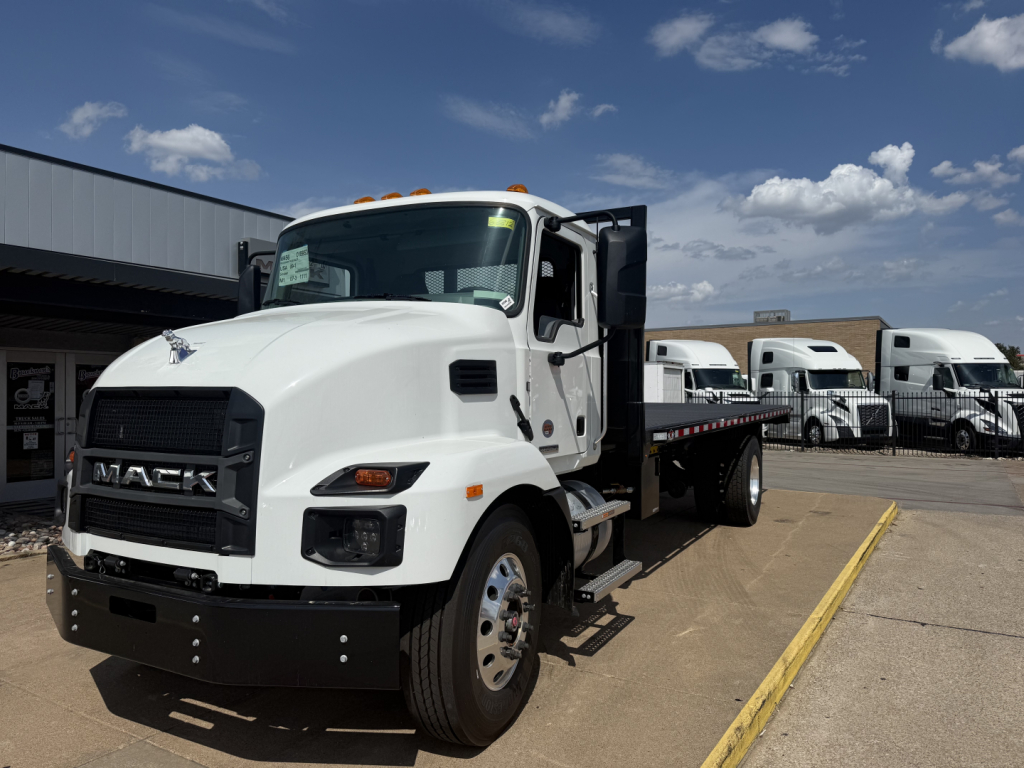
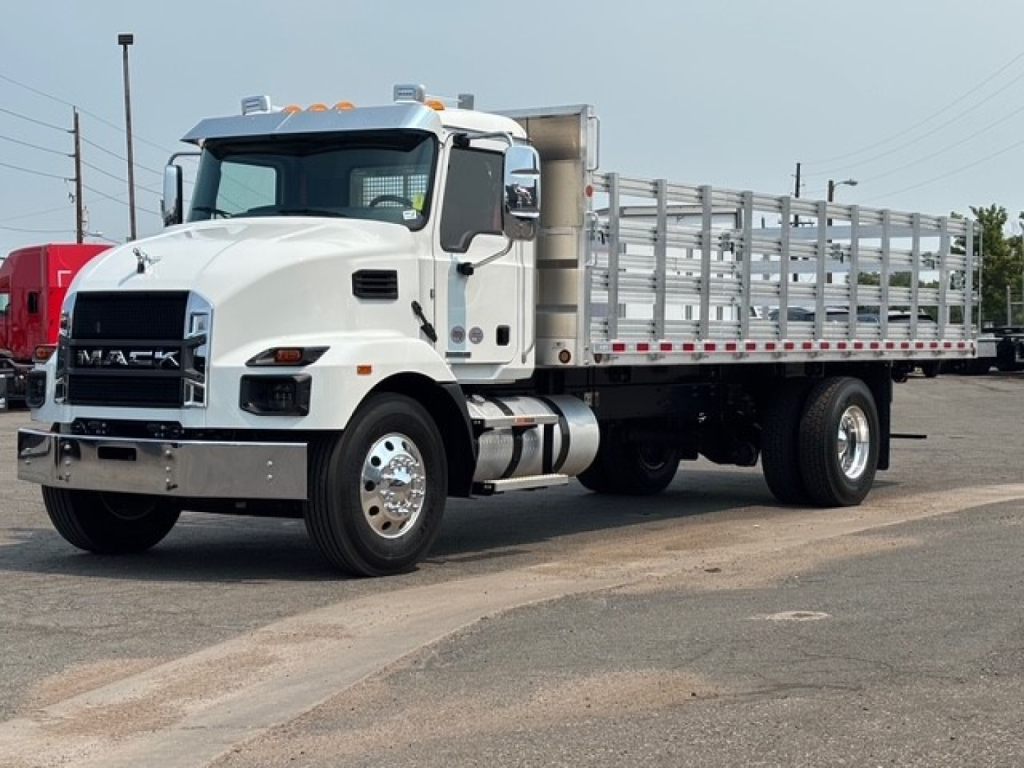
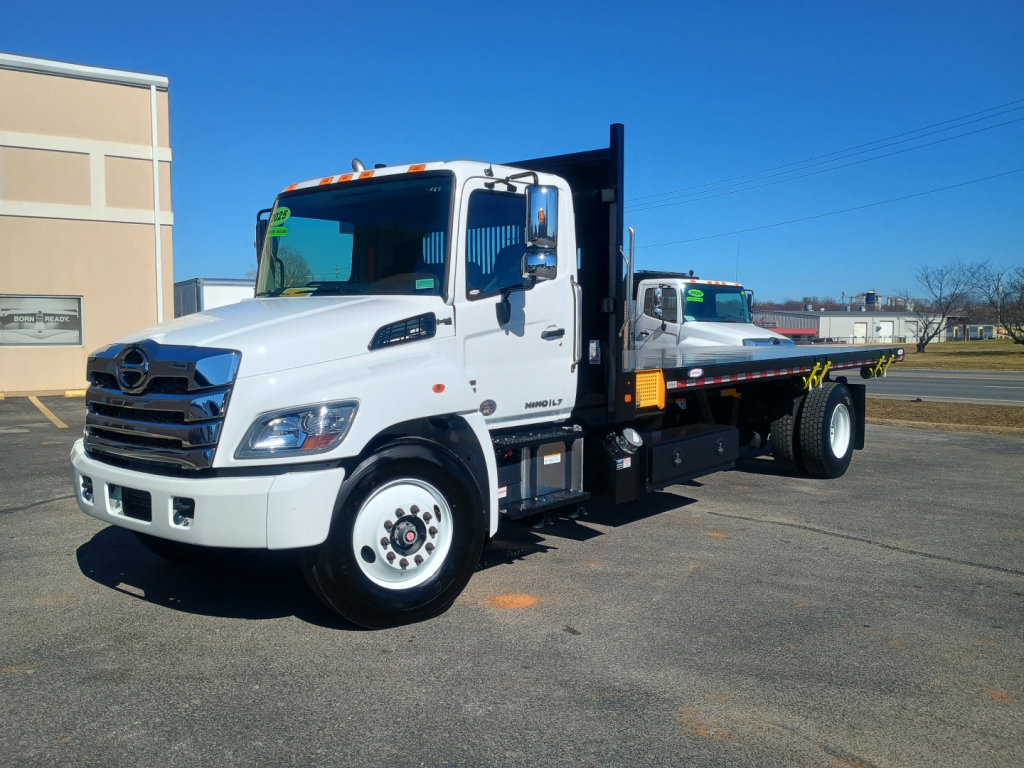
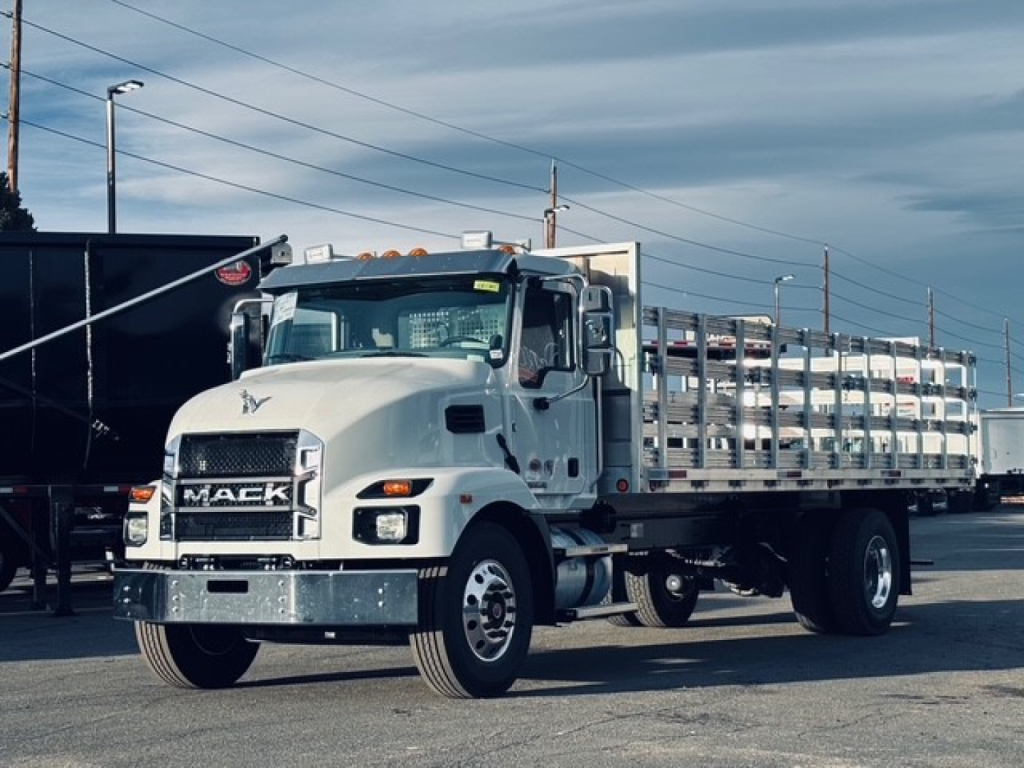
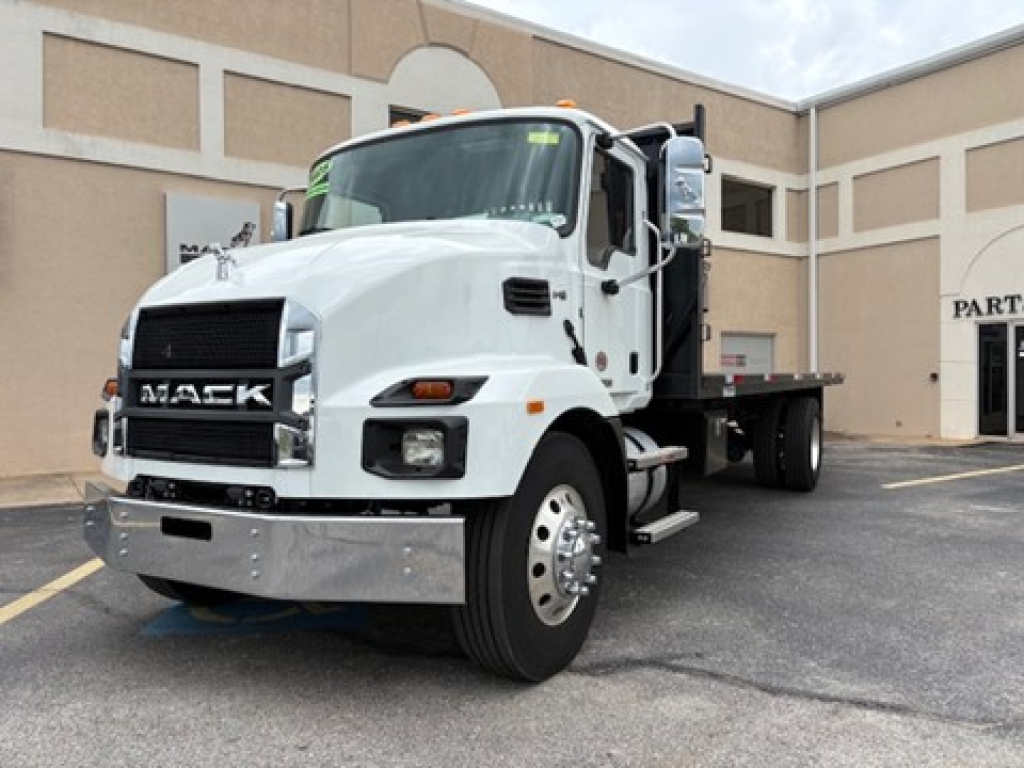
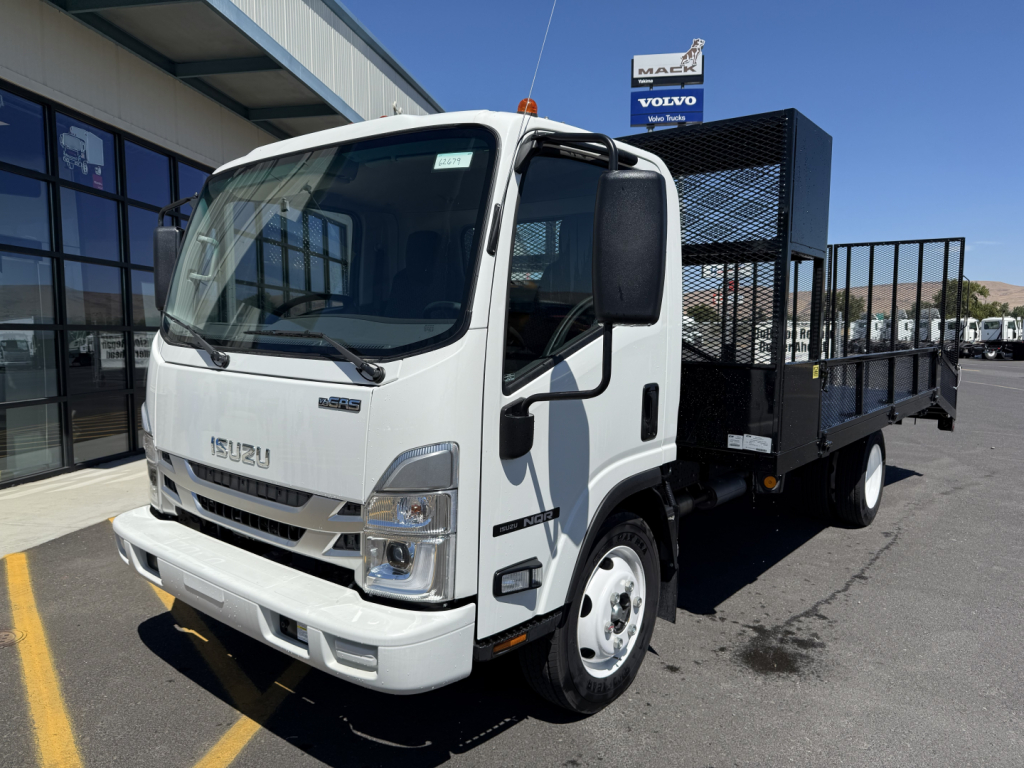
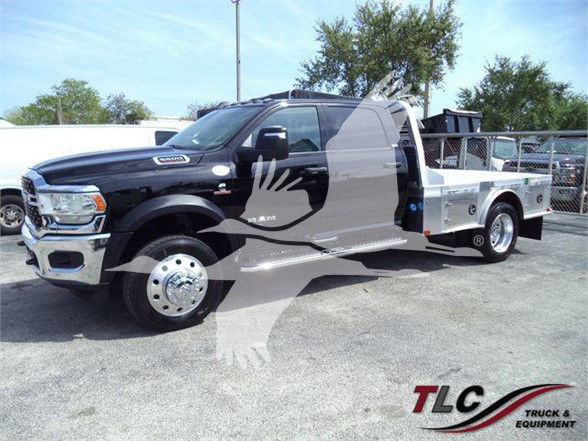
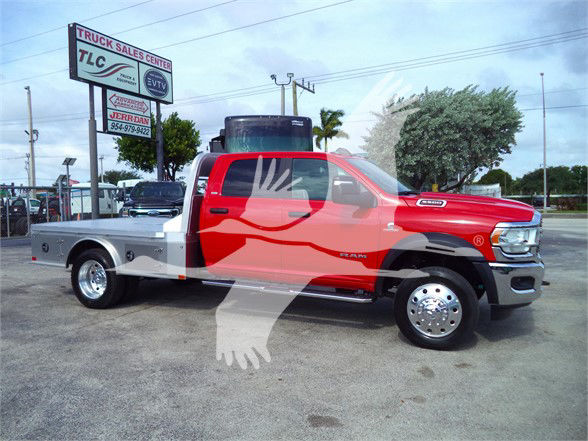
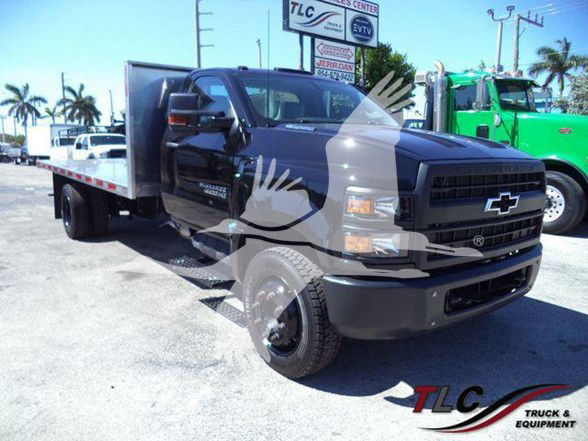
Showing 13 to 23 of 23 results
Have new flatbed truck to sell? List it here to reach thousands of buyers.
About New Flatbed Trucks
Body construction matters as much as the chassis. Aluminum flatbeds reduce tare weight and help maximize payload, while steel beds bring durability for rough material handling and repeated forklift loading. Common features include headache racks, rub rails, stake pockets, recessed tie-downs, underbody toolboxes, rear skirts, tapered rear corners, and integrated trailer wiring. Some flatbed trucks are set up as stake beds, and some are spec'd with gooseneck or receiver hitches for towing support equipment. If your operation loads with a Moffett or Princeton piggyback forklift, look for a body designed with the correct rear mounting kit and frame reinforcement. Deck height also deserves attention because lower loading height helps with manual handling, but axle, tire, and suspension choices can change that number.
Powertrain and suspension choices should match the route and the cargo. New flatbed trucks in this class commonly use Cummins diesel engines paired with Allison automatic transmissions, especially in medium-duty applications where stop-and-go delivery, PTO use, and driver familiarity are priorities. Single-axle trucks around 25,999 to 33,000 GVWR are popular for local delivery and under-CDL or non-articulated work, while tandem-axle flatbeds with 46,000-pound rear axles, air suspension, and 60,000-plus GVWR are better suited for heavier freight and more demanding payload distribution. Rear axle ratio, wheelbase, and suspension type all affect performance. A shorter wheelbase improves maneuverability in urban yards and jobsites. A longer wheelbase supports longer bodies and smoother load placement. Spring suspension is simple and durable, while air ride can improve ride quality for sensitive cargo and help with dock and forklift loading stability.
The best new flatbed truck is the one spec'd around your freight profile, not just the biggest platform available. Buyers should verify body length, usable deck width, cab-to-axle dimension, hitch ratings, and actual payload after the body is installed. It also helps to confirm if the truck will carry machinery, bundled lumber, pipe, bagged material, jobsite supplies, or mixed pallet freight because securement needs change with the load. Flatbed trucks are also known as platform trucks or stake bed trucks when side stakes are installed, and they remain one of the most versatile body styles in commercial trucking because they can serve construction, utility, rental, municipal, agricultural, and regional delivery work with the right spec.
Frequently Asked Questions
What is the difference between a flatbed truck and a stake bed truck?
A flatbed truck has an open platform body with no permanent sides, allowing freight to be loaded from the side, rear, or above. A stake bed truck uses the same basic platform concept but adds removable or fixed stake sides for cargo retention. Stake beds are common for landscaping, supply delivery, and light building materials because they add containment without fully enclosing the load.
What specs matter most when buying a new flatbed truck?
The key specs are GVWR, axle ratings, wheelbase, cab-to-axle measurement, body length, body material, and hitch capacity. Those numbers determine payload, legal operating range, turning radius, and whether the truck can support a short hauler body, a long delivery deck, or a towing application. Buyers should also look closely at suspension type, rear axle ratio, and bed features such as stake pockets, rub rails, toolboxes, and forklift compatibility.
Are new flatbed trucks available in under-CDL configurations?
Yes. Many flatbed trucks are built with a GVWR of 25,999 pounds or similar specifications to stay under CDL thresholds in certain applications. This is common in Class 6 and smaller straight truck setups used for local deliveries, contractor work, and municipal service. Buyers still need to confirm state regulations, actual registered weight, payload requirements, and any air brake or towing considerations before assuming a truck will fit a non-CDL operation.
Is an aluminum flatbed better than a steel flatbed?
Aluminum flatbeds usually weigh less, which helps increase available payload and can improve corrosion resistance over time. Steel flatbeds are often preferred where the truck sees harder use, repeated forklift contact, abrasive materials, or severe jobsite conditions. The better choice depends on the freight, the loading method, and how much value your operation places on lower tare weight versus maximum body toughness.
What are flatbed trucks commonly used for?
Flatbed trucks are used for hauling equipment, construction materials, palletized freight, pipe, lumber, machinery, agricultural products, and general jobsite supplies. They are especially useful when a dock is not available or when loads must be lifted on and off by crane or forklift. Trucks with gooseneck hitches or receiver hitches can also support hotshot-style work, trailer towing, and equipment transport in addition to carrying cargo on the deck.