
New Chevrolet Flatbed Trucks For Sale
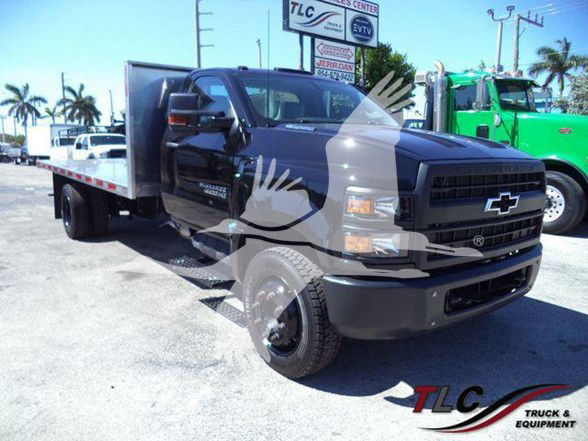
Shop new Chevrolet flatbed trucks built for hauling equipment, materials, and jobsite loads with durable beds, diesel power, and medium-duty GVWRs.
Learn more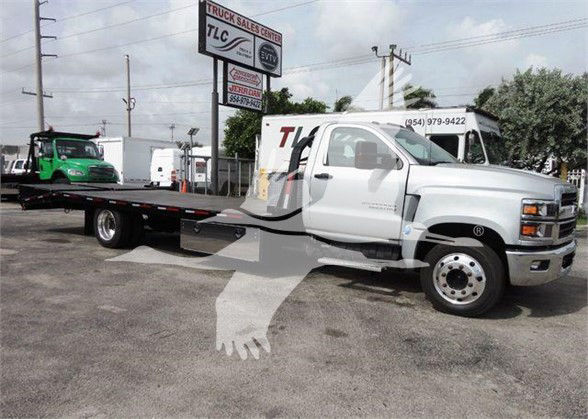
Have new chevrolet flatbed truck to sell? List it here to reach thousands of buyers.
About New Chevrolet Flatbed Trucks
The bed setup matters as much as the cab and chassis. Buyers will see aluminum flatbeds for lower tare weight and corrosion resistance, along with steel beds for higher-duty applications and frequent loading of machinery or palletized materials. Common deck lengths range from about 16 feet on straightforward hauling builds to 21 feet or more on equipment-oriented bodies. Features like stake pockets, rub rails, ICC bumpers, headboards with rear window cutouts, underbody toolboxes, and diamond-plate decking directly affect daily usability. If the truck will carry skid steers, small tractors, lifts, or compact construction equipment, a beavertail with spring-assisted fold-down ramps is often more valuable than a plain deck.
Suspension and loading style should be matched to the job. Spring suspension is simple and durable for general building material delivery, while rear air ride can help protect sensitive cargo, improve loaded ride quality, and make trailer or ramp transitions easier when paired with a dump feature. Tire size, wheel material, deck height, and rear overhang all influence how easy the truck is to load and how stable it feels under payload. Buyers should also pay attention to payload after the body is installed, not just chassis GVWR, because toolboxes, ramps, heavier steel construction, and accessories can materially reduce usable carrying capacity.
Cab equipment on new Chevrolet flatbed trucks often reflects the truck’s mixed role as both a jobsite unit and a daily driver. Power windows, power locks, backup cameras, and upgraded seating are common and make a difference for crews that spend full days in and out of the truck. For buyers comparing listings, the key questions are bed material, usable deck length, ramp configuration, suspension type, and how the truck will actually be loaded. A new Chevrolet flatbed truck is best suited for operations that need open-deck flexibility, medium-duty diesel power, and a chassis that can handle both urban delivery work and regional jobsite hauling.
Frequently Asked Questions
What are new Chevrolet flatbed trucks commonly used for?
New Chevrolet flatbed trucks are commonly used for hauling building materials, pallets, pipe, steel, jobsite equipment, landscaping supplies, and compact machinery. They are especially useful when cargo needs to be loaded from the side by forklift or from the rear by ramps. In medium-duty Chevrolet applications such as the Silverado 6500HD, the flatbed body is often chosen by contractors, utility crews, equipment rental companies, and municipal departments that need open-deck access and more payload capacity than a standard pickup bed can provide.
What is the difference between an aluminum flatbed and a steel flatbed on a Chevrolet truck?
An aluminum flatbed usually offers lower body weight and better corrosion resistance, which can improve available payload and reduce long-term rust concerns. A steel flatbed is typically favored for harder-use applications because it can be more resistant to concentrated impact and repeated equipment loading, especially when paired with a diamond-plate deck and reinforced structure. The better choice depends on cargo type, loading frequency, climate, and how important tare weight is to the operation.
Is a Chevrolet Silverado 6500HD a good platform for a flatbed truck?
Yes. The Chevrolet Silverado 6500HD is a strong medium-duty platform for a flatbed truck when the work calls for diesel torque, commercial-grade GVWR, and a simpler driving experience than a larger Class 7 or Class 8 truck. The 6.6L Duramax diesel and Allison automatic transmission are widely recognized in vocational service, and the chassis supports a variety of flatbed configurations including straight deck, contractor body, and beavertail equipment-hauling setups.
What flatbed features matter most when comparing new Chevrolet trucks?
The most important flatbed features are deck length, bed material, tie-down provisions, headboard design, toolbox capacity, and whether the truck has ramps or a beavertail. Deck height also matters because it affects loading angle and forklift access. Buyers hauling equipment should pay close attention to ramp construction, spring assist, and the bed’s rated capacity. Buyers focused on material delivery should prioritize usable deck space, stake pockets, rub rails, and how the body layout supports side loading and cargo securement.
Should I choose spring suspension or air ride on a new Chevrolet flatbed truck?
Spring suspension is a common choice for straightforward vocational use because it is simple, durable, and well suited to general hauling. Rear air ride can be a better fit when ride quality, cargo protection, or loading control are higher priorities. On a flatbed truck, air ride with a dump feature can help during equipment loading and may improve handling characteristics under certain load conditions. The right choice depends on cargo sensitivity, road conditions, and how often the truck carries uneven or shifting loads.