
Hino Flatbed Trucks For Sale in Arkansas
Browse Hino flatbed trucks for sale in Arkansas. Compare L Series and XL Series specs, GVWR, bed lengths, axle ratings, and upfit options.
Learn more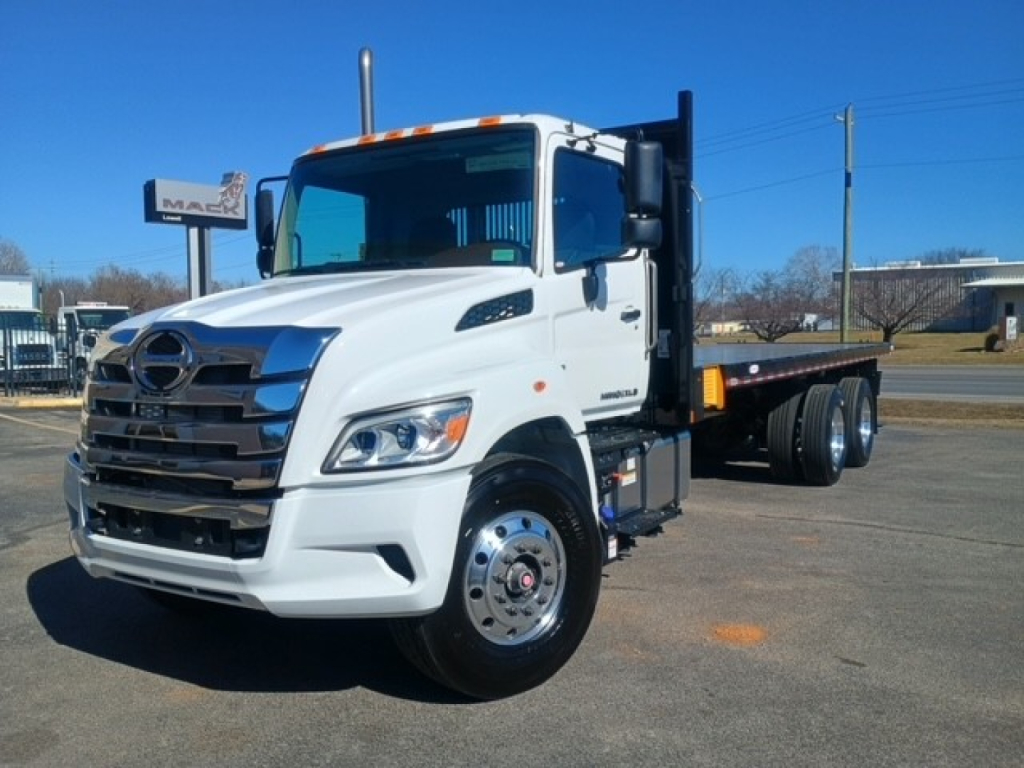
Have hino flatbed truck to sell? List it here to reach thousands of buyers.
About Hino Flatbed Trucks in Arkansas
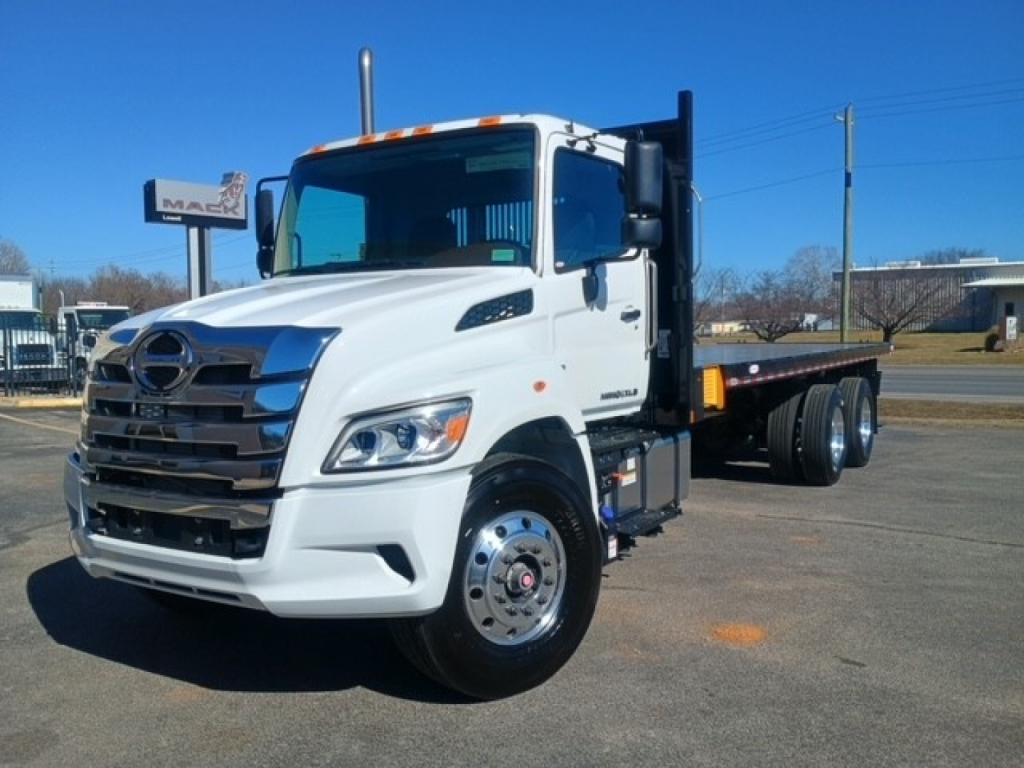
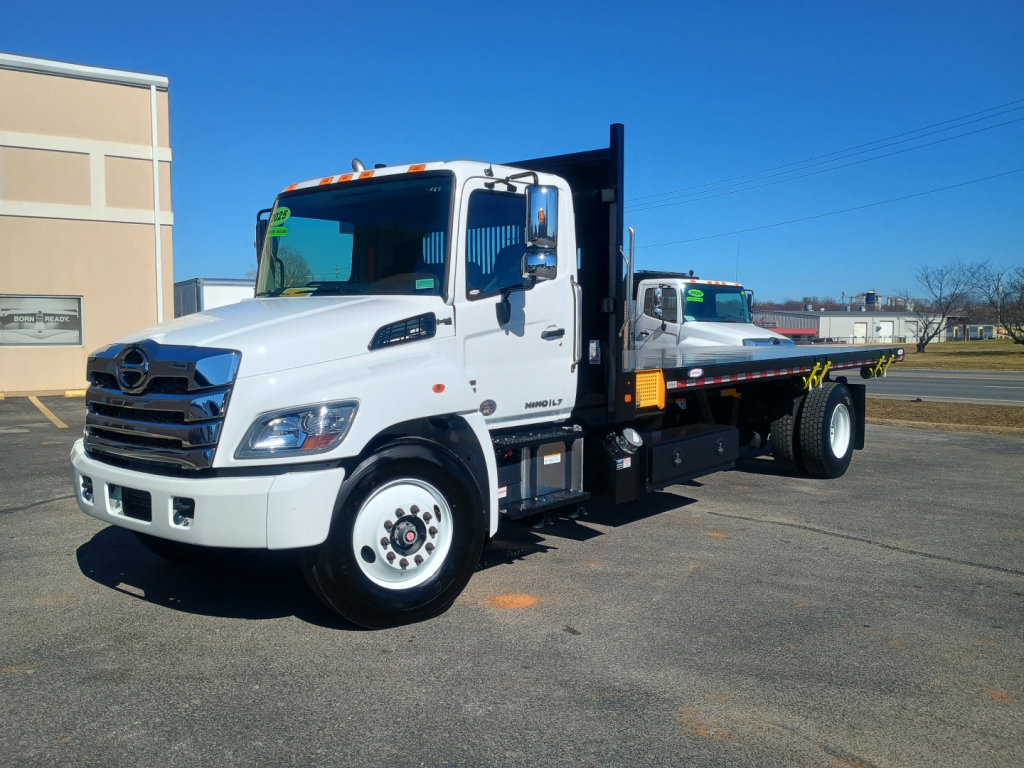
The first decision is usually chassis class and axle configuration. A Hino L7 flatbed is commonly spec'd as a single-axle truck with GVWR around the mid-30,000-pound range, which can be a practical fit for urban and suburban routes, tighter jobsites, and operations that need a straightforward CDL Class B platform. Hino XL models move into heavier territory, including tandem-axle setups with much higher rear axle capacity and GVWR, making them better suited for denser loads, longer beds, and more demanding vocational use. Wheelbase, rear ratio, suspension type, and front axle rating all matter because they directly affect bridge compliance, body length, turning radius, and how the truck carries concentrated loads.
Body spec is just as important as the badge on the hood. Buyers should look closely at deck length, floor material, rub rail design, stake pockets, tie-down placement, headache rack construction, and whether the bed includes a forklift mounting kit for Princeton or Moffett-style truck-mounted forklifts. Some Hino flatbeds are outfitted as straight flatbeds, while others use specialty bodies such as tilting lumber dumps that improve unloading for bundle stock and jobsite material drops. If the truck will handle steel, masonry, or equipment, verify deck height, frame height, and cargo securement layout. If it will run roofing, lumber, or mixed building products, check for tarping compatibility, toolbox space, and enough axle and suspension capacity to carry forklift weight without compromising payload.
Powertrain specs on Hino flatbed trucks are typically aimed at stop-and-go commercial work rather than over-the-road duty. Cummins B6.7 and L9 engines paired with Allison 6-speed automatics are common because they deliver predictable drivability, PTO compatibility, and easier training for mixed driver fleets. In Arkansas, that matters for operations covering a mix of interstate miles, secondary highways, and soft or uneven jobsite entrances. A lower rear ratio may favor launch and load control, while air ride rear suspension can improve ride quality for fragile cargo and driver comfort. The best Hino flatbed for sale is the one whose axle ratings, wheelbase, bed configuration, and upfit match the actual freight being hauled every day.
Frequently Asked Questions
What are the most common Hino flatbed truck models buyers will see?
Hino flatbed listings commonly include L Series medium-duty trucks such as the L7 and heavier XL Series chassis such as the XL8. The L Series is often used for single-axle flatbed applications with moderate payload demands and easier maneuverability. The XL Series is more likely to appear with heavier axle ratings, tandem configurations, and vocational upfits designed for larger payloads, longer decks, or truck-mounted forklift use.
What should I check first when comparing Hino flatbed trucks for sale?
Start with GVWR, front and rear axle ratings, wheelbase, and whether the truck is single axle or tandem axle. Those numbers determine payload potential, body size compatibility, and how well the chassis will handle concentrated cargo. After that, review the body specification itself, including deck length, tie-down points, stake pockets, rub rails, toolboxes, and any specialty equipment such as a forklift kit or tilt function.
Are Hino flatbed trucks a good fit for building material delivery?
Yes. Hino flatbeds are commonly used for lumber, roofing, masonry products, pipe, steel stock, palletized freight, and contractor supply delivery. The open deck makes side loading and unloading easier with forklifts, and many units are spec'd to support truck-mounted forklift systems. The right fit depends on the density of the material, the typical load length, and whether routes require a more maneuverable single-axle truck or a heavier tandem-axle chassis.
What engine and transmission setups are common in Hino flatbed trucks?
Many Hino flatbed trucks on the market use Cummins diesel engines such as the B6.7 or L9 paired with Allison automatic transmissions. This is a common vocational combination because it offers dependable low-speed drivability, straightforward operation for multiple drivers, and good compatibility with PTO-driven equipment. Horsepower and gearing should be matched to route profile, average payload, and how often the truck will operate on grades or soft jobsites.
Does suspension type matter on a Hino flatbed truck?
Yes. Spring suspension is common on many medium-duty flatbeds and is valued for simplicity and durability under vocational use. Air ride rear suspension can improve ride quality, help protect more sensitive cargo, and may offer advantages in driver comfort and load stability. Suspension choice should be matched to load type, body design, and the operating environment, especially if the truck will see frequent dock work, rough entrances, or mixed on-road and off-road conditions.