
Dodge Flatbed Trucks For Sale
No exact matches found for your search
Showing Flatbed Trucks instead.
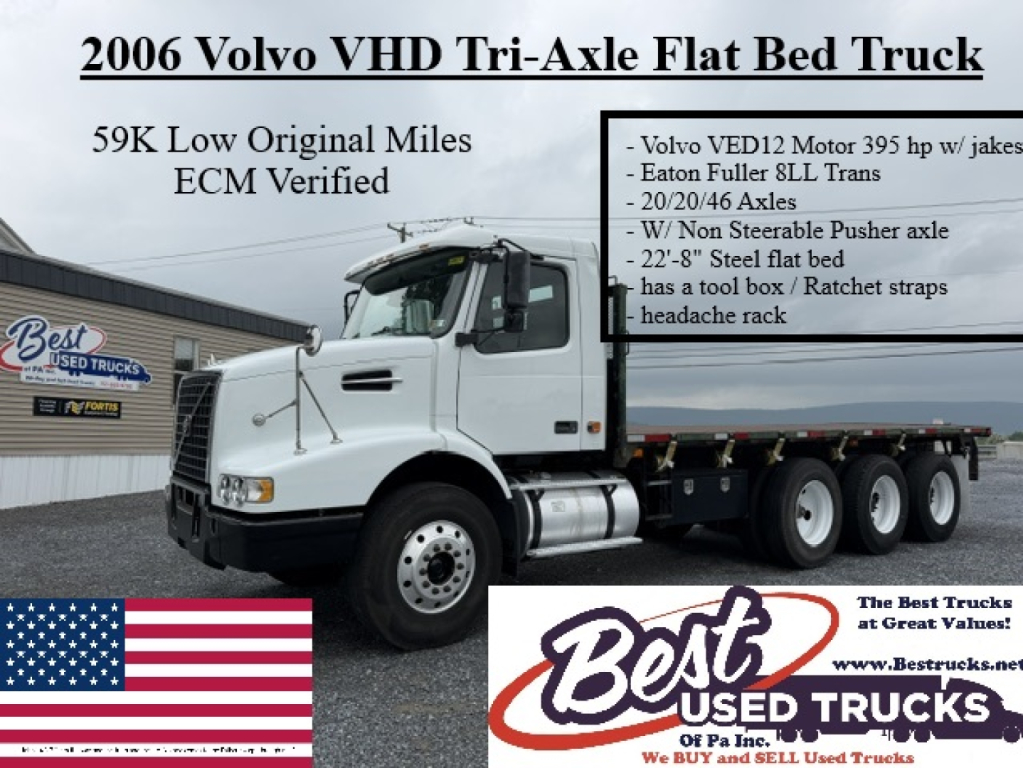
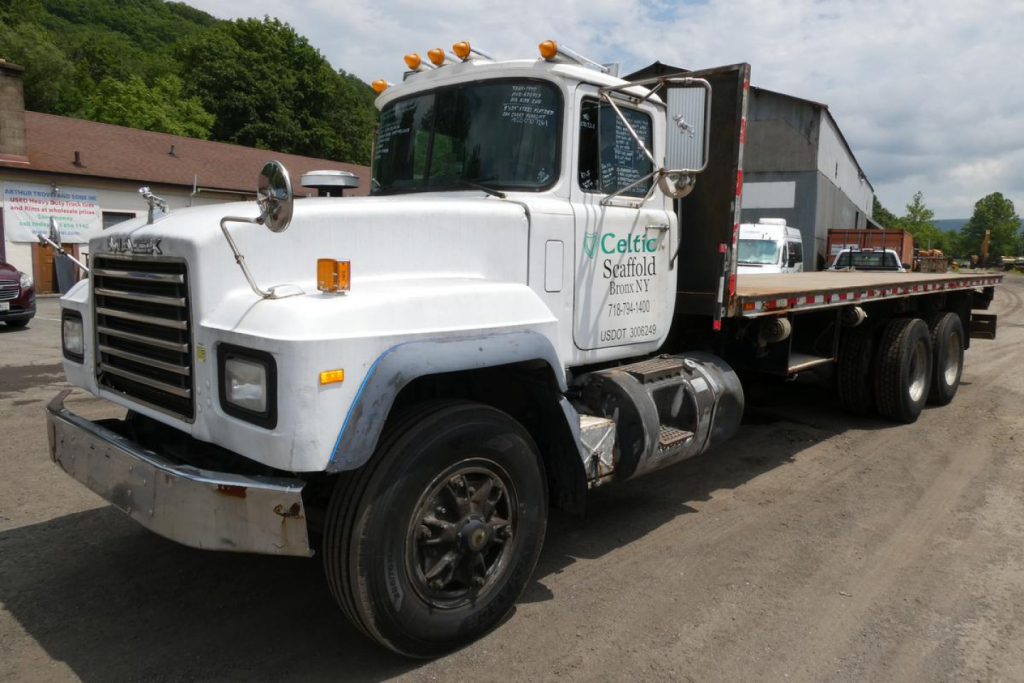
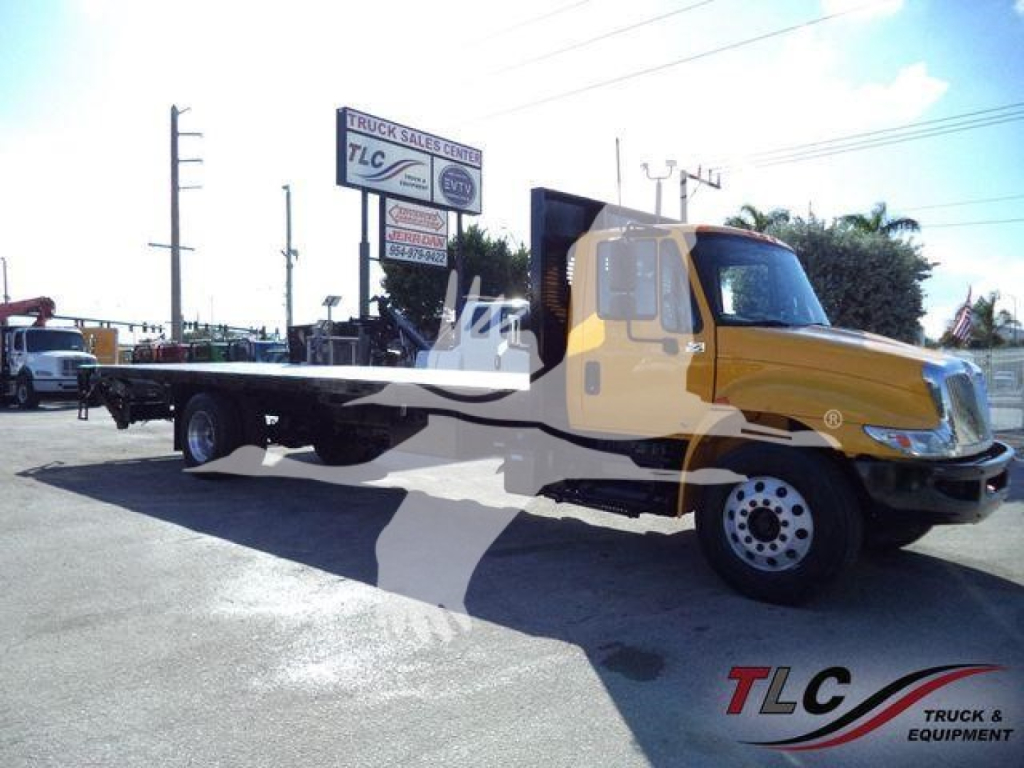
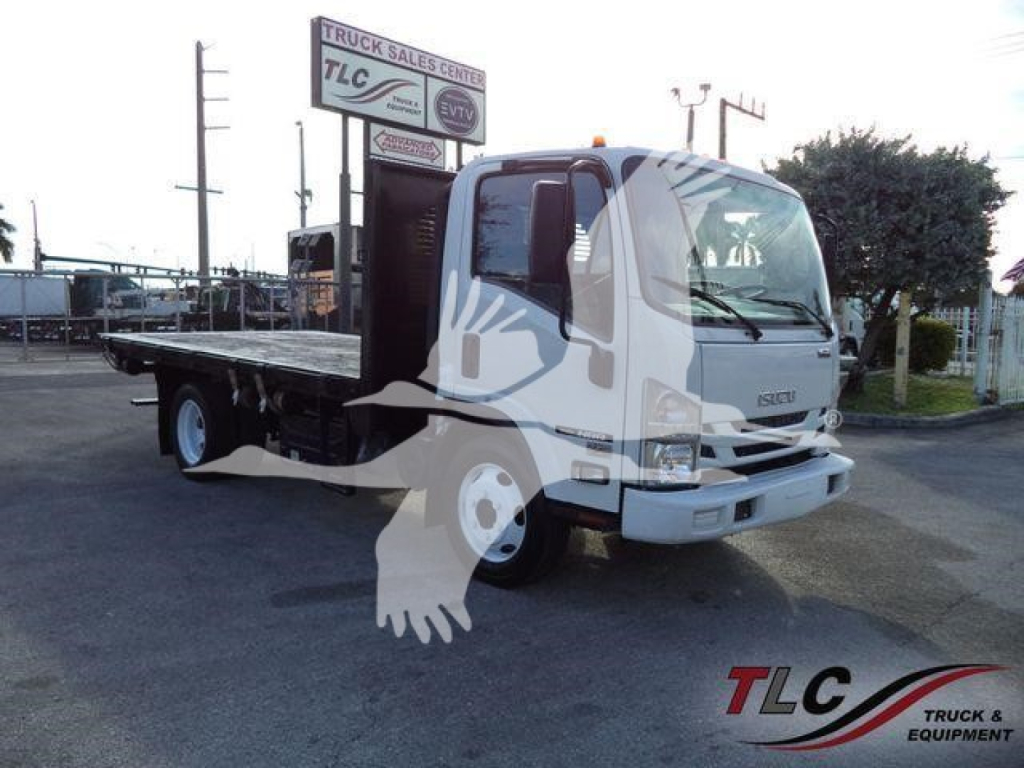
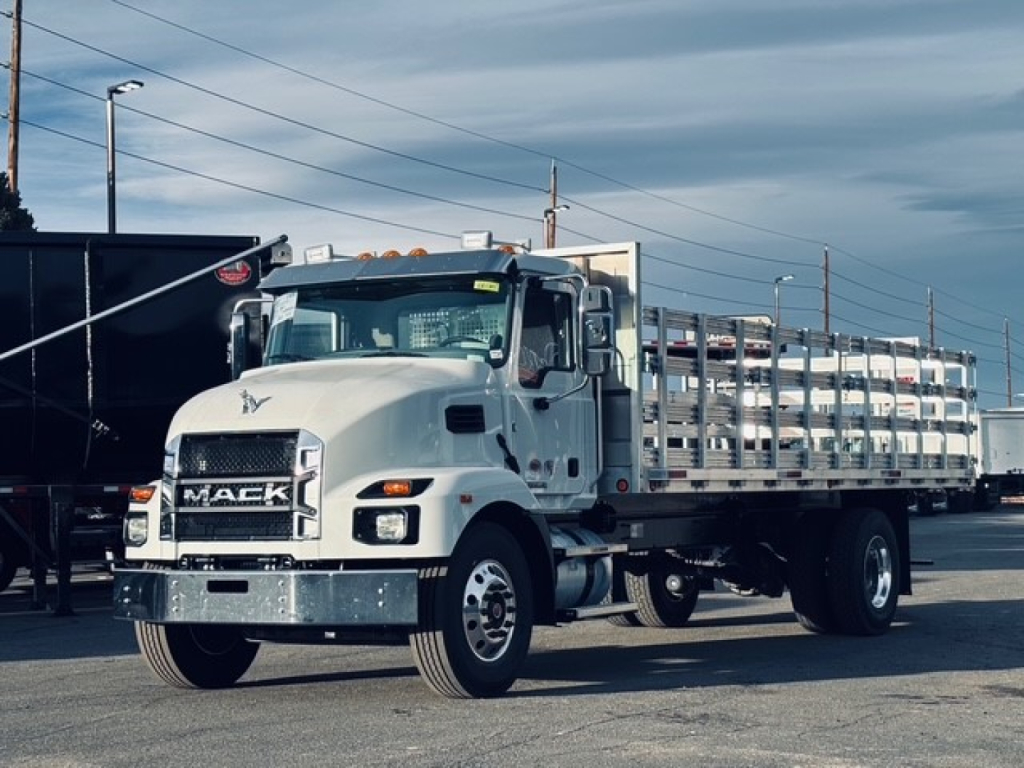
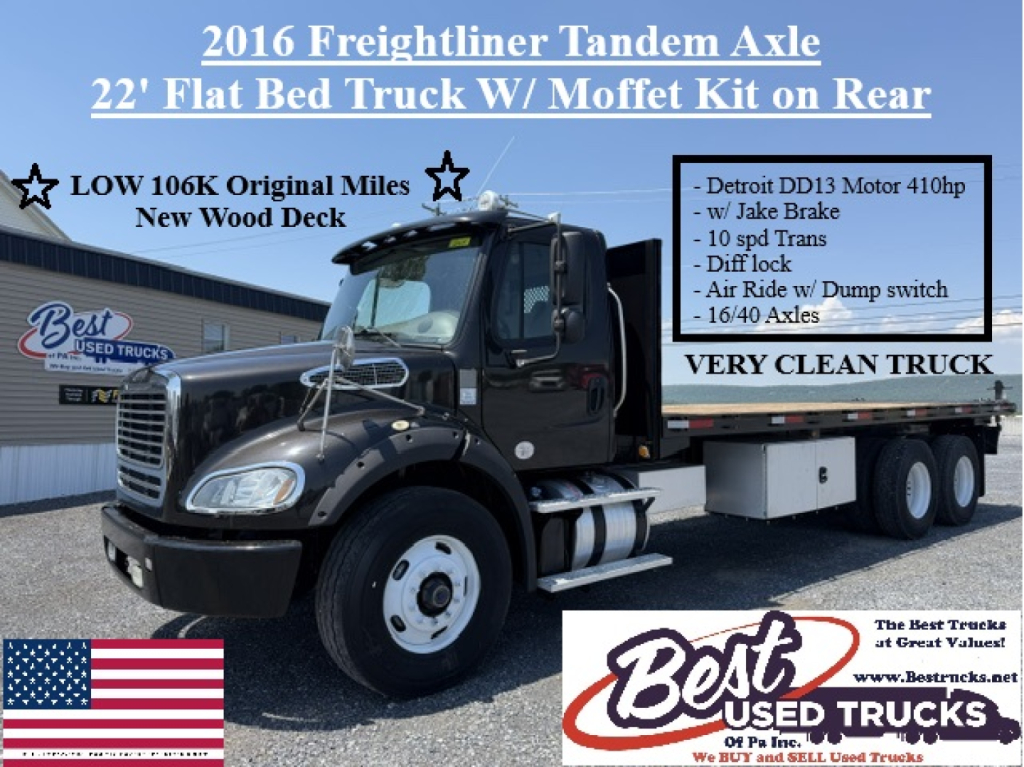
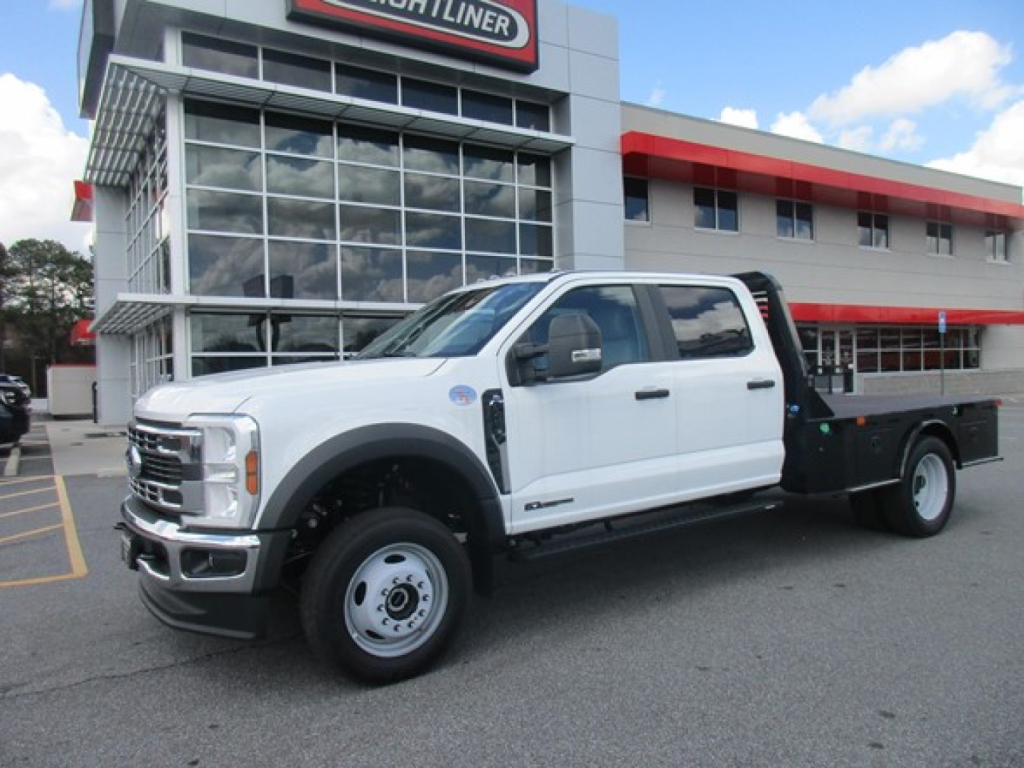
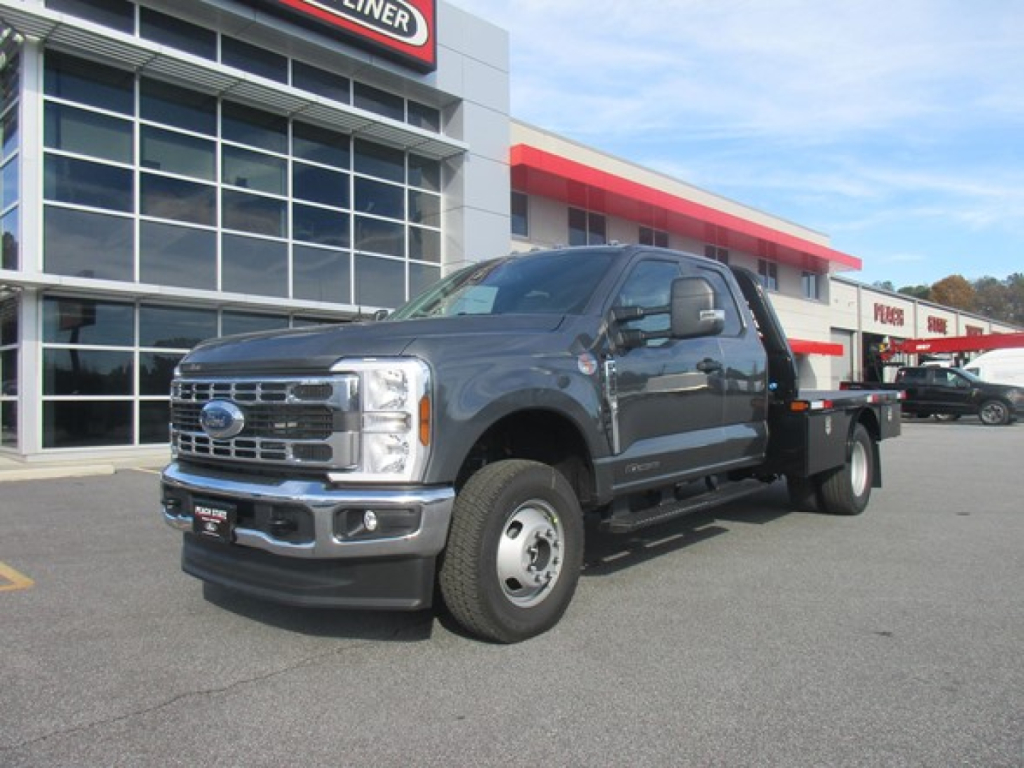
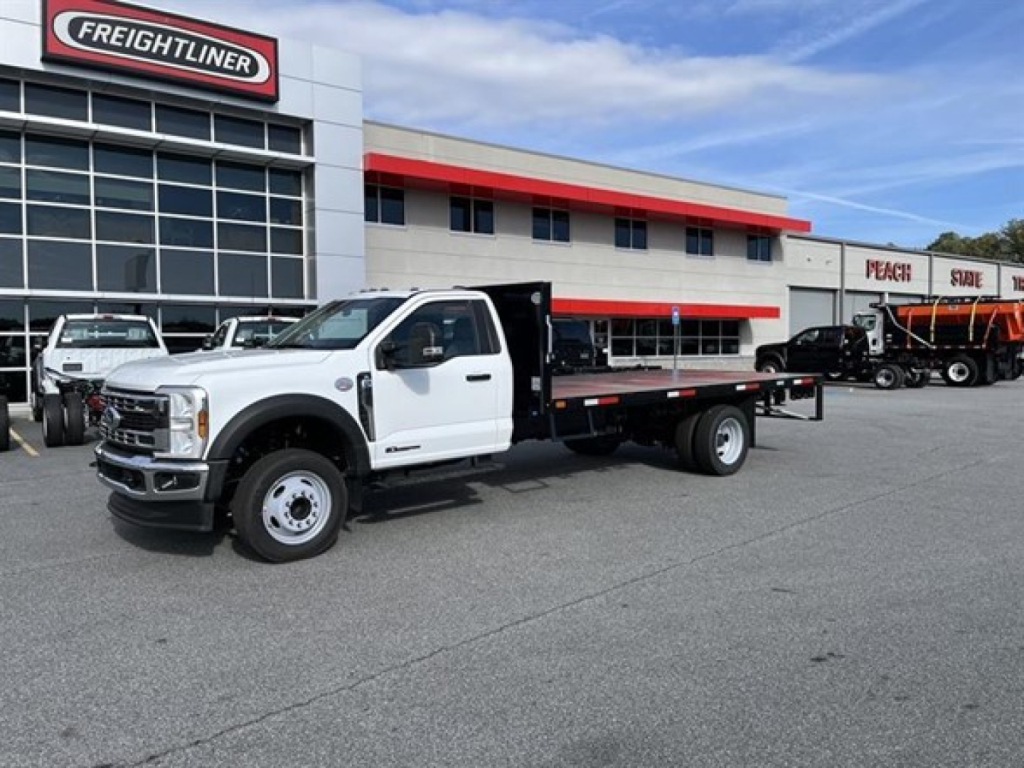
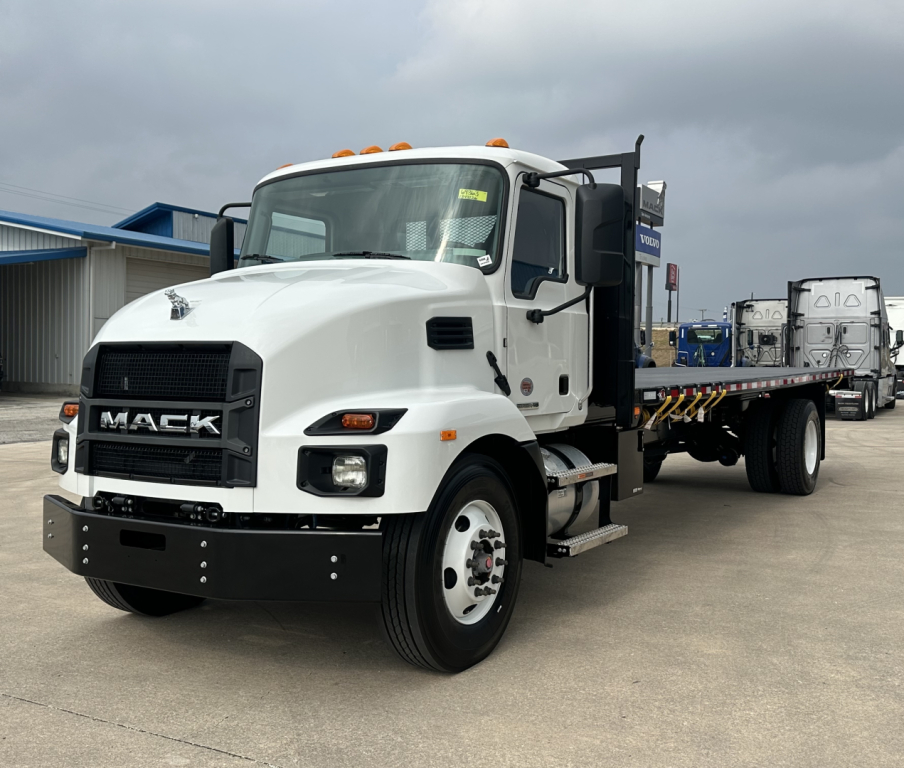
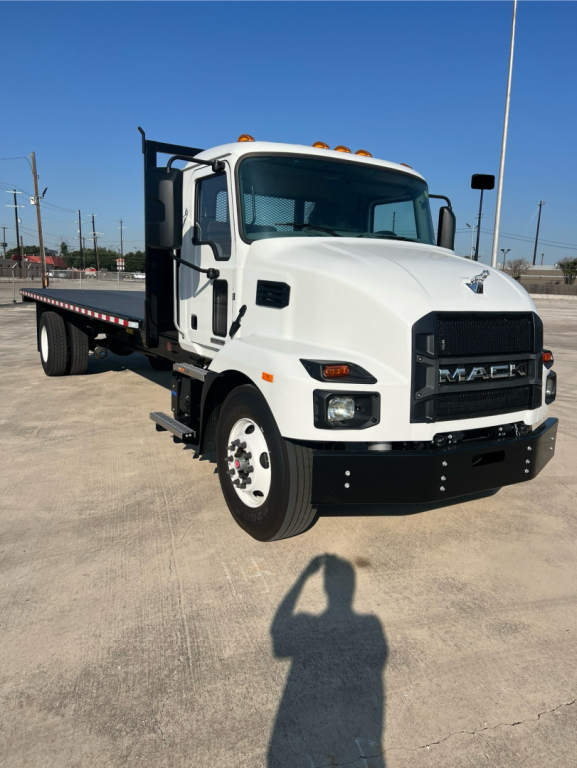
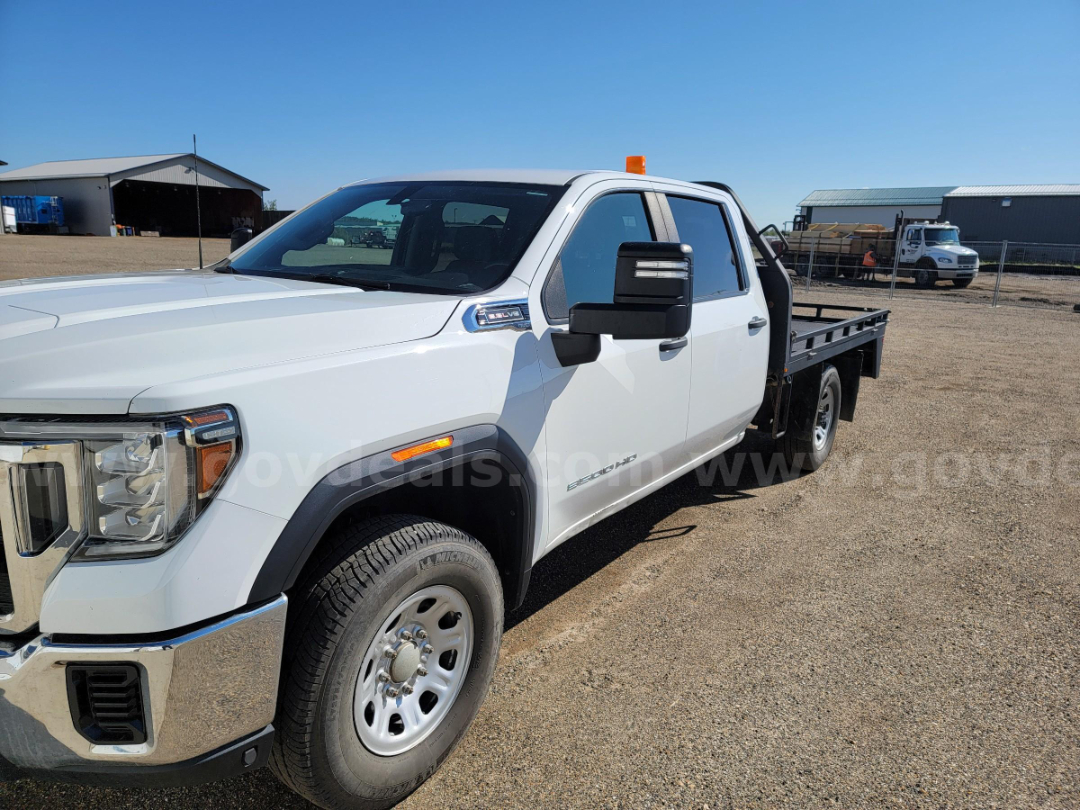
Showing 13 to 24 of 65 results
Have dodge flatbed truck to sell? List it here to reach thousands of buyers.
Dodge Flatbed Trucks
Bed construction and dimensions matter as much as the cab and drivetrain. Common setups include steel or aluminum platform bodies, often with stake pockets, headache racks, rub rails, and underbody toolboxes. Steel beds tend to hold up well in severe-duty service and jobsite use, while aluminum helps reduce curb weight and preserve payload. Deck length, floor height, tie-down placement, and rear apron design all affect day-to-day usability, especially if the truck will carry skids, small machinery, pipe, lumber, or landscape materials. A well-matched flatbed should let the truck work without overloading the rear axle or creating awkward load balance.
Powertrain choice depends on route type and operating weight. Many Dodge flatbed trucks on the used market are gasoline-powered, which can be practical for lighter vocational use and lower annual miles. Buyers should still pay close attention to axle ratio, transmission condition, brake wear, suspension upgrades, and hitch equipment if towing is part of the job. Cab configuration also changes the truck's role. A regular cab usually maximizes bed-to-wheelbase efficiency, while a Quad Cab or Crew Cab supports crews that need enclosed seating but gives up some compactness. Four-wheel drive can be a major advantage for utility work, farm use, and sites with soft ground or winter exposure.
For a buyer comparing listings, the key is to evaluate the truck as a complete package rather than just by model name. Check the GVWR on the door tag, the actual bed builder if known, wheelbase-to-bed fit, and signs of frame modification quality. Rust at bed mounts, cab corners, brake lines, and rear suspension components deserves close attention on older Dodge units, especially in snow-belt service. A Dodge flatbed truck can be a cost-effective choice when the payload needs are realistic, the bed is properly installed, and the truck's chassis class matches the intended work.
Frequently Asked Questions about Dodge Flatbed Trucks
What is the main advantage of a Dodge flatbed truck over a standard pickup bed?
A Dodge flatbed truck offers more usable cargo space, easier side loading, and better access for irregular or oversized material than a factory pickup box. Flatbeds are often better suited for pallets, equipment, building materials, and worksite cargo because the deck is open and tie-down options are usually more versatile.
Which Dodge Ram chassis is best for a flatbed setup?
The right chassis depends on payload, towing demand, and how the truck is used. A Ram 1500 flatbed can work for lighter-duty municipal or maintenance tasks, but many commercial buyers prefer a Ram 2500 or 3500 for higher GVWR, stronger rear suspension, and better durability under repeated hauling or trailer duty.
What should I inspect on a used Dodge flatbed truck?
Focus on the chassis and the body conversion together. Inspect frame condition, bed mounts, wiring for lights and trailer plug, rear spring condition, brake lines, hitch setup, and corrosion around cab corners and underbody areas. It is also important to confirm that the flatbed installation looks professional and that the truck's axle and GVWR ratings fit the intended load.
Are Dodge flatbed trucks good for towing as well as hauling?
They can be, provided the truck is equipped for it. Towing performance depends on engine, transmission, axle ratio, hitch rating, and chassis class. A heavier-duty Ram flatbed with the right receiver or gooseneck setup is generally much better suited to combined hauling and towing than a lighter-duty half-ton truck.
Is an aluminum or steel flatbed better on a Dodge truck?
Steel flatbeds are usually favored for harder jobsite use because they are rugged and often cost less to repair. Aluminum flatbeds reduce empty weight and can improve available payload while resisting corrosion better. The better choice depends on how rough the service is, how important weight savings are, and how long the truck is expected to stay in the fleet.