
Flatbed Trucks For Sale in Arkansas
Shop flatbed trucks for sale in Arkansas. Compare bed lengths, GVWR, axle ratings, suspension, and PTO-ready specs for delivery and jobsite work.
Learn moreBrowse Flatbed Trucks by Make
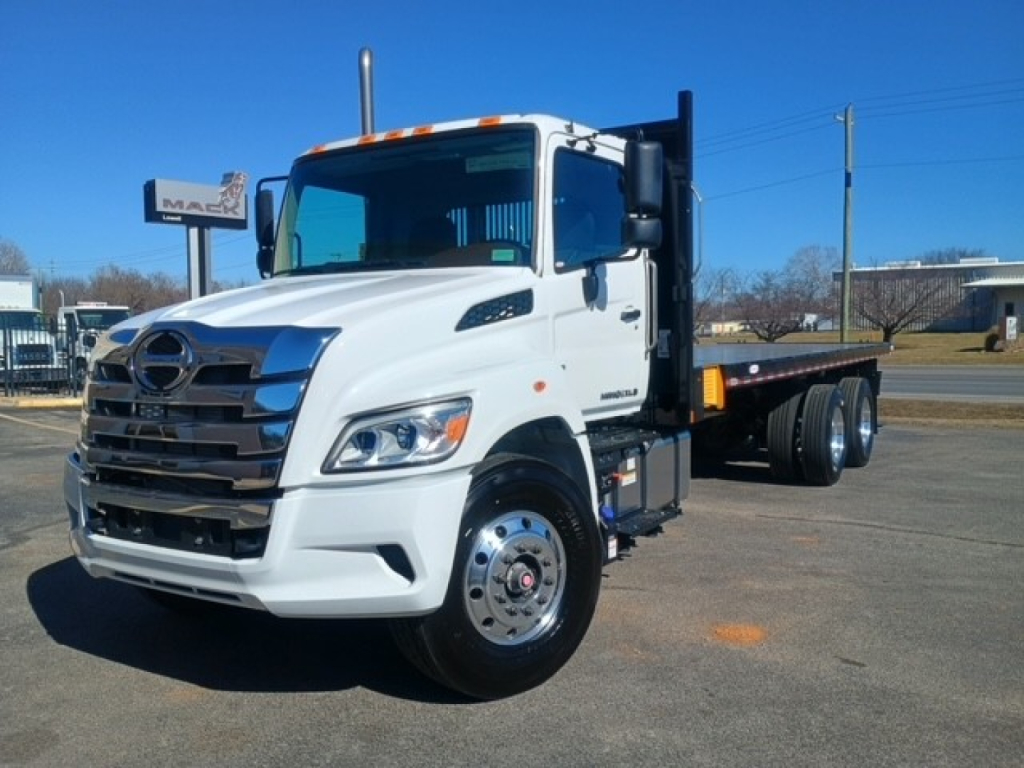
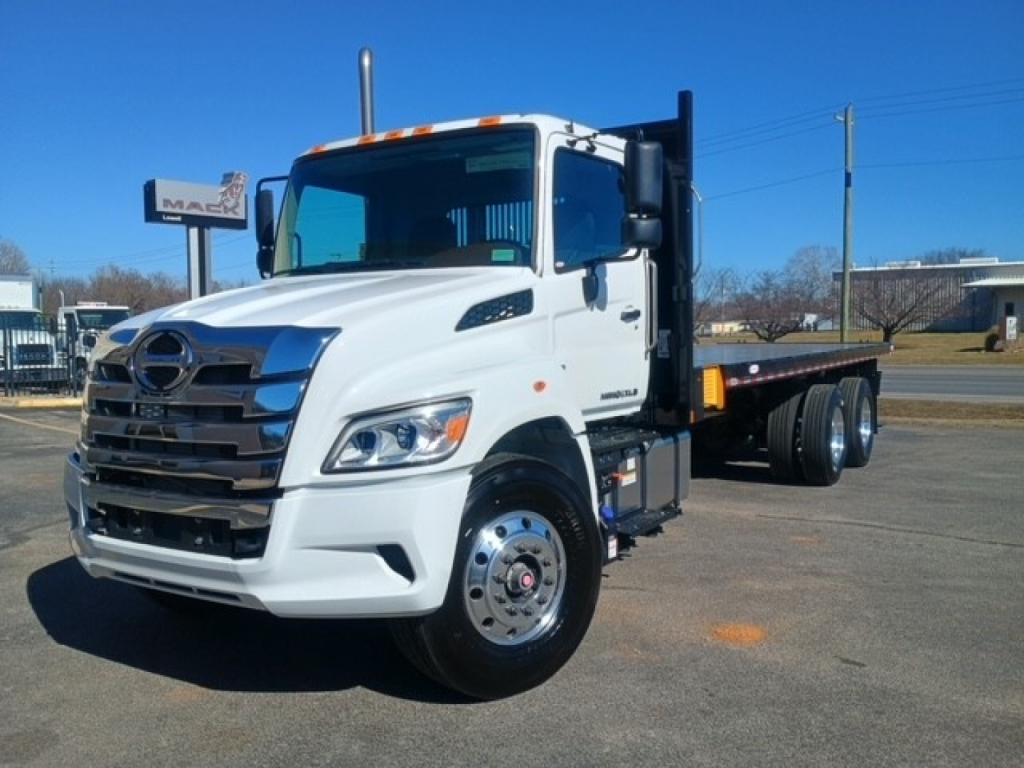
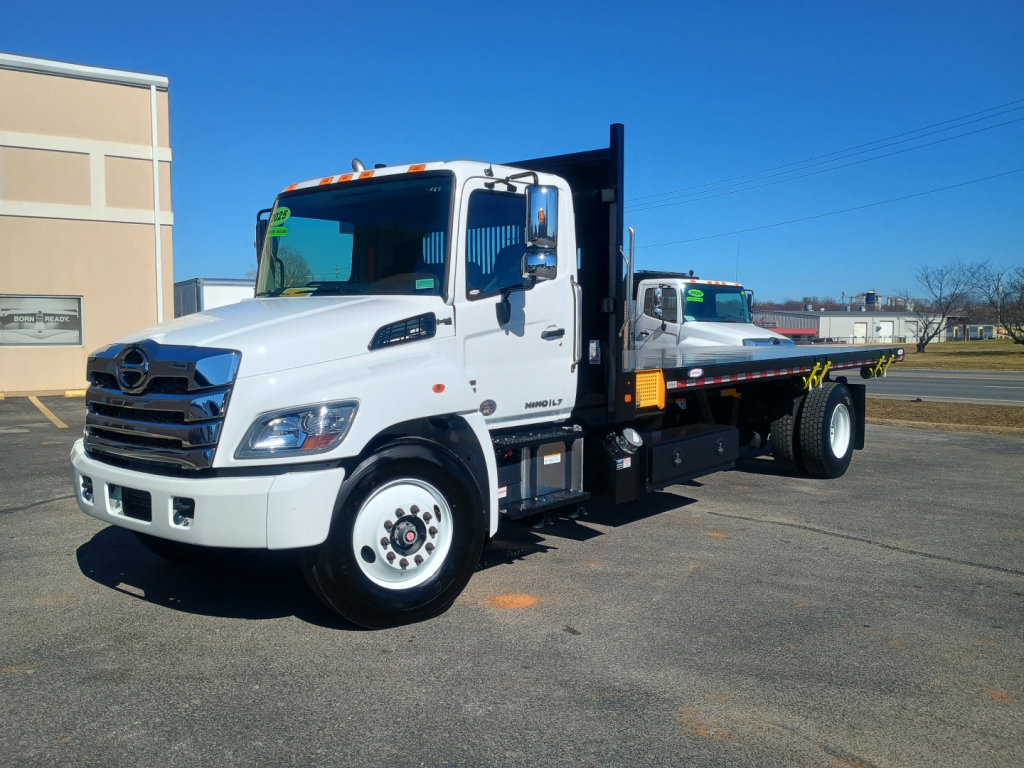
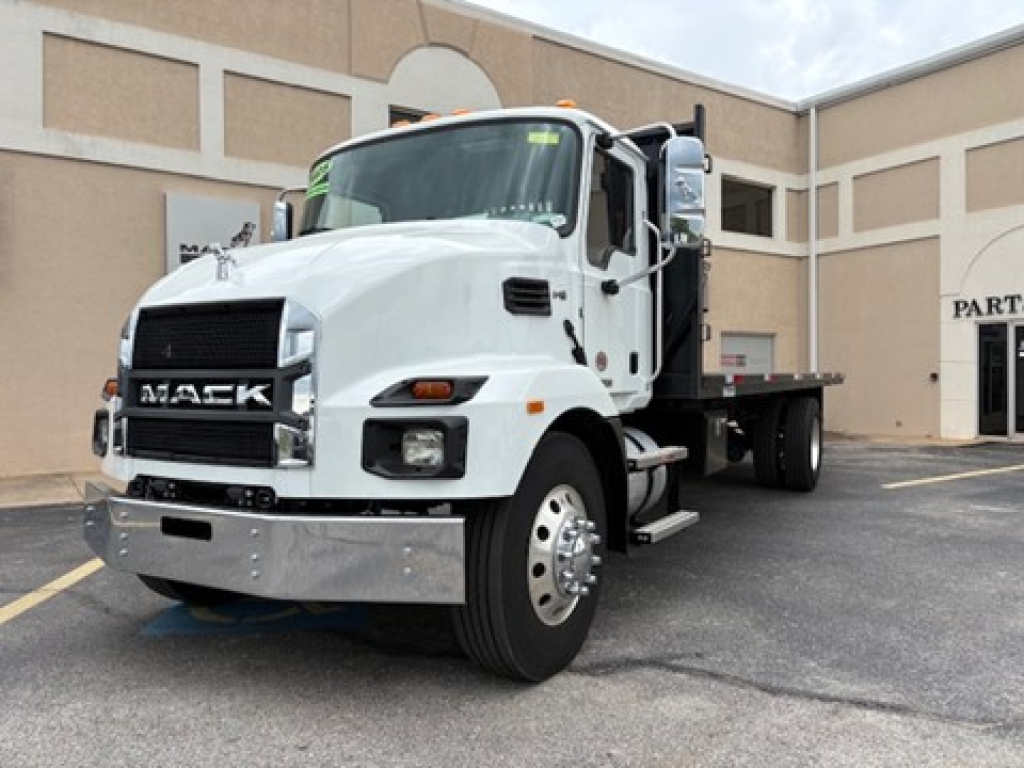
Have flatbed truck to sell? List it here to reach thousands of buyers.
About Flatbed Trucks in Arkansas
The chassis spec matters as much as the bed. Common setups in this class include Class 7 and Class 8 straight trucks with single-axle and tandem-axle configurations, often powered by Cummins B6.7 or L9 diesel engines paired with Allison automatic transmissions. Horsepower in the upper-200 to mid-300 range is typical for regional delivery and building supply work. A single-axle flatbed may be the right choice for tighter urban routes, lower empty weight, and simpler maintenance, while a tandem-axle truck makes more sense when heavier payloads, forklift loading, or rougher site access are part of the job. Rear suspension choice also affects the truck’s role. Spring suspension is durable and straightforward, while air ride can improve loaded ride quality and help protect more fragile cargo.
Body details separate an average flatbed from a productive one. Buyers should pay close attention to deck construction, rub rails, stake pockets, bulkhead design, tie-down points, toolbox placement, and PTO provisions if the truck has a tilting or dump-style lumber body. A forklift or Moffett-Princeton mounting kit can be a major advantage for independent unloading in rural deliveries and construction supply work. Steel decks are common for hard use, but body weight should be considered because every pound in the body reduces available payload. It is also worth checking rear ratio, wheelbase, and axle spread to make sure the truck will launch cleanly under load, track well on secondary roads, and still maneuver in yards, jobsites, and customer locations.
A good flatbed truck is really a freight-handling platform matched to a specific route and commodity mix. If the work involves local building materials, shorter wheelbases and 22-foot bodies often make sense. If the job leans toward heavier products or truck-mounted forklift operation, higher front axle ratings, tandem rears, and a more robust GVWR become more important. Buyers comparing flatbed trucks for sale in Arkansas should focus on legal payload, deck usability, loading method, and drivetrain durability first. Those factors usually determine long-term operating value more than badge alone.
Frequently Asked Questions
What is the typical difference between a single-axle and tandem-axle flatbed truck?
A single-axle flatbed truck usually offers lower empty weight, a tighter turning radius, and simpler maintenance, which makes it a strong choice for local delivery routes and moderate payloads. A tandem-axle flatbed truck is built for higher GVWR, better load distribution, and improved stability with heavier cargo or truck-mounted forklift use. The right choice depends on payload requirements, delivery environment, and whether the truck will spend more time in neighborhoods and yards or under heavier commercial loads.
What bed length is most common on a medium-duty flatbed truck?
On medium-duty flatbed trucks, 22-foot to 24.5-foot bodies are among the most common because they provide useful deck space without making the truck overly difficult to maneuver. A shorter bed can be easier in urban deliveries and tighter jobsites, while a longer bed may better suit lumber, pipe, or long palletized materials. Bed length should always be matched to wheelbase, axle ratings, and the typical dimensions of the freight being hauled.
Why does suspension type matter on a flatbed truck?
Rear suspension affects ride quality, cargo protection, and overall operating feel. Multi-leaf spring suspension is common on work-focused flatbeds because it is rugged, straightforward, and well suited to repeated loading cycles. Air ride suspension can improve ride quality and reduce shock to delicate or high-value freight, and many operators prefer it for better loaded stability and driver comfort. Suspension should be selected based on cargo type, road conditions, and how often the truck runs loaded versus empty.
Should I look for a PTO-ready transmission on a flatbed truck?
A PTO-ready transmission is important if the truck will run hydraulic equipment such as a tilting lumber body, dump-style flatbed, crane, or other auxiliary system. Even if the truck is being used today as a standard deck, PTO provision can add future flexibility and improve resale appeal in work-truck markets. If no hydraulic functions are planned, PTO capability may not be essential, but many buyers still value it because it broadens the truck’s usable applications.
What features improve day-to-day usability on a flatbed truck?
The most useful flatbed features are the ones that speed loading, secure freight properly, and reduce extra handling. Buyers often prioritize a strong bulkhead, stake pockets, rub rails, integrated tie-down points, toolboxes, load binders, and forklift compatibility. For building materials and regional delivery work, these practical details often matter more than appearance because they directly affect loading efficiency, safety, and how many types of freight the truck can handle.