
Used Fire Trucks For Sale in Georgia
Browse used fire trucks for sale in Georgia, including pumpers and cab-over units, with guidance on pump specs, tank size, and chassis condition.
Learn more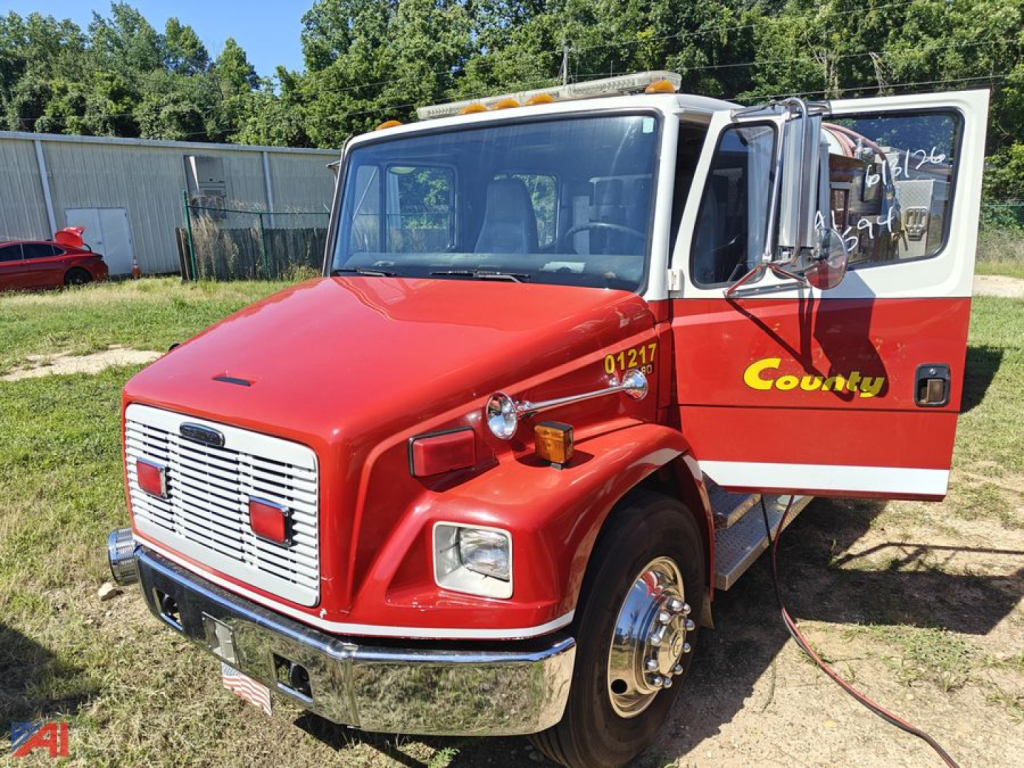
Have used fire truck to sell? List it here to reach thousands of buyers.
About Used Fire Trucks in Georgia
The most important inspection points on a used fire truck are usually the pump, plumbing, electrical system, and body condition. Pump ratings are commonly measured at 1,000 to 1,500 GPM or higher, and buyers should confirm the pump was tested recently and that valves, intakes, discharges, and gauges operate correctly. Tank sizes often range from roughly 500 to 1,000 gallons on standard engines, though some specialty configurations go above or below that depending on mission. On older apparatus, corrosion in the body, frame, and waterway components can be more important than odometer miles, since many fire trucks accumulate low mileage but extensive idle hours. Generator function, emergency lighting, scene lighting, siren controls, and auxiliary equipment should also be checked closely, especially if the truck will remain in emergency service or be repurposed for industrial, airport, forestry, or training use.
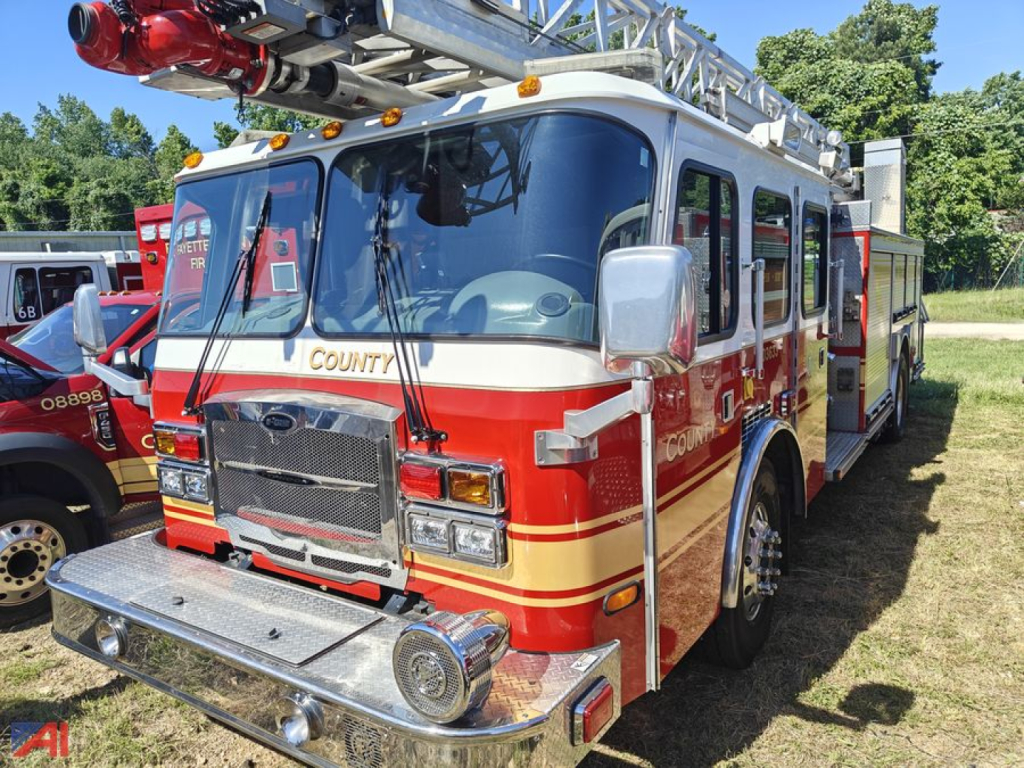
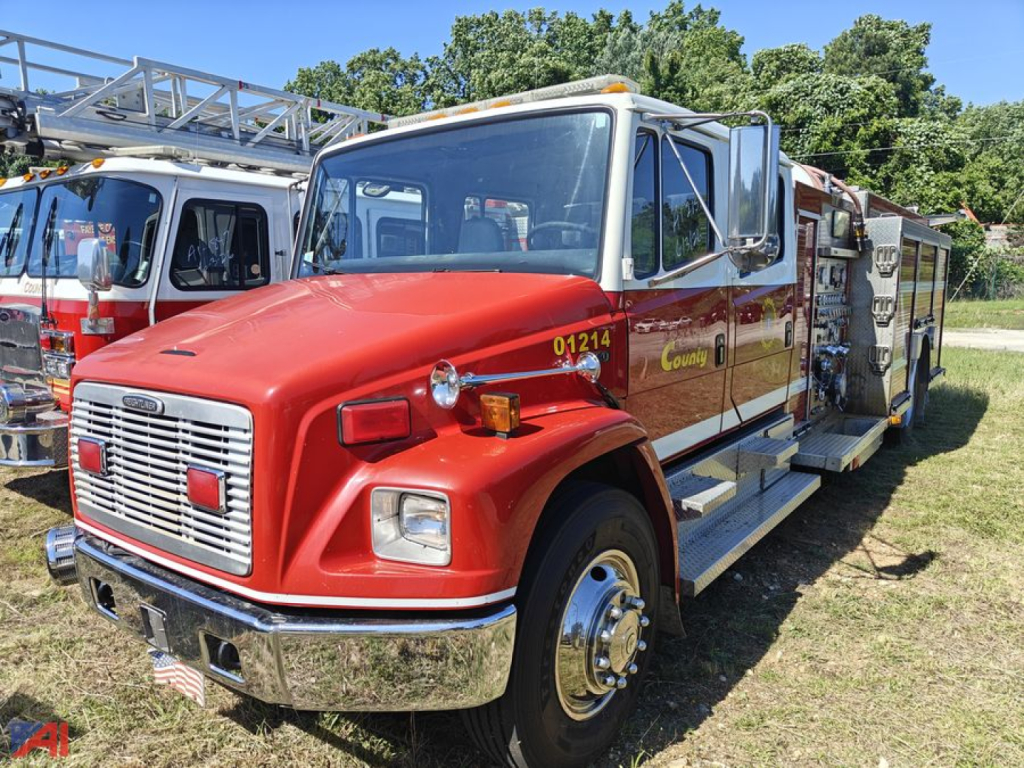
Georgia buyers often pay close attention to cooling performance, air conditioning function, and overall driveline reliability because apparatus may operate in high heat, heavy traffic, and long idle conditions. A commercial chassis like a Freightliner FL80 can be attractive for departments or private operators that want broader service access and familiar medium-duty components. A purpose-built cab-over engine such as an E-One Typhoon may offer better visibility, tighter maneuvering, and a more traditional municipal layout. Brake system condition, tire date codes, suspension wear, and steering play deserve close review on any used fire apparatus, particularly on units that have spent years in stop-and-go municipal duty. If the truck will be used outside public fire service, buyers should also verify local requirements for equipment removal, repainting, warning light compliance, and title or registration classification.
A well-selected used fire truck can still deliver strong value because many apparatus were fleet-maintained on strict municipal schedules and built with heavy-duty components from the start. The best purchase decisions usually come down to documented maintenance records, pump test history, rust exposure, engine hours, and how closely the truck’s configuration matches the intended job. Some buyers need a fully equipped pumper ready for department use, while others are looking for a platform to convert into a water tender, service truck, wildland support unit, or specialty response vehicle. In this category, condition, testing documentation, and parts support typically matter more than model year by itself.
Frequently Asked Questions
What should I check first on a used fire truck?
Start with the pump system, water tank, plumbing, and maintenance records. A used fire truck may show low miles, but idle hours, pump hours, and the condition of valves, gauges, discharges, and suction components often tell the real story. Buyers should also inspect the body for corrosion, verify electrical and warning systems function properly, and review any recent pump certification or service documentation.
Are older fire trucks with low mileage still a good buy?
They can be, but mileage alone is not enough to judge value. Fire apparatus often spend long periods idling on scene or operating pumps without accumulating road miles, so engine hours, pump hours, cooling system condition, and electrical reliability matter just as much. An older truck with complete service records and a sound pump can be a better purchase than a newer unit with neglected maintenance or corrosion issues.
What is the difference between a commercial-chassis fire truck and a purpose-built fire engine?
A commercial-chassis fire truck uses a platform derived from medium-duty truck production, such as a Freightliner FL80, and can offer easier parts sourcing and familiar service procedures. A purpose-built fire engine, such as many cab-over municipal pumpers, is designed specifically for emergency response with apparatus-focused cab layout, visibility, maneuverability, and pump integration. The better choice depends on whether the buyer prioritizes municipal firefighting capability, serviceability, or conversion potential.
Can a used fire truck be repurposed for non-emergency work?
Yes. Used fire trucks are often converted for water hauling, industrial firefighting, airport support, forestry work, training, parade use, or specialized service applications. Before purchase, buyers should confirm the tank and pump setup fits the intended use and check local rules on sirens, emergency lighting, paint schemes, and registration. Trucks built as front-line apparatus can be especially useful when strong pump performance and onboard water capacity are still needed in a secondary role.
What pump and tank specs are common on used fire trucks?
Many used engine trucks are equipped with pumps rated around 1,000 to 1,500 GPM and water tanks in the 500 to 1,000 gallon range. Exact specifications vary by department mission, body design, and whether the apparatus was built as a standard pumper, rescue pumper, tanker-pumper, or brush unit. Buyers should match pump output, discharge layout, and tank size to the truck’s intended workload rather than assuming every fire truck in the category is configured the same way.