
Fire Trucks For Sale in Georgia
Browse fire trucks for sale in Georgia, including pumpers and rescue units, with key specs, body styles, pump ratings, and service considerations.
Learn more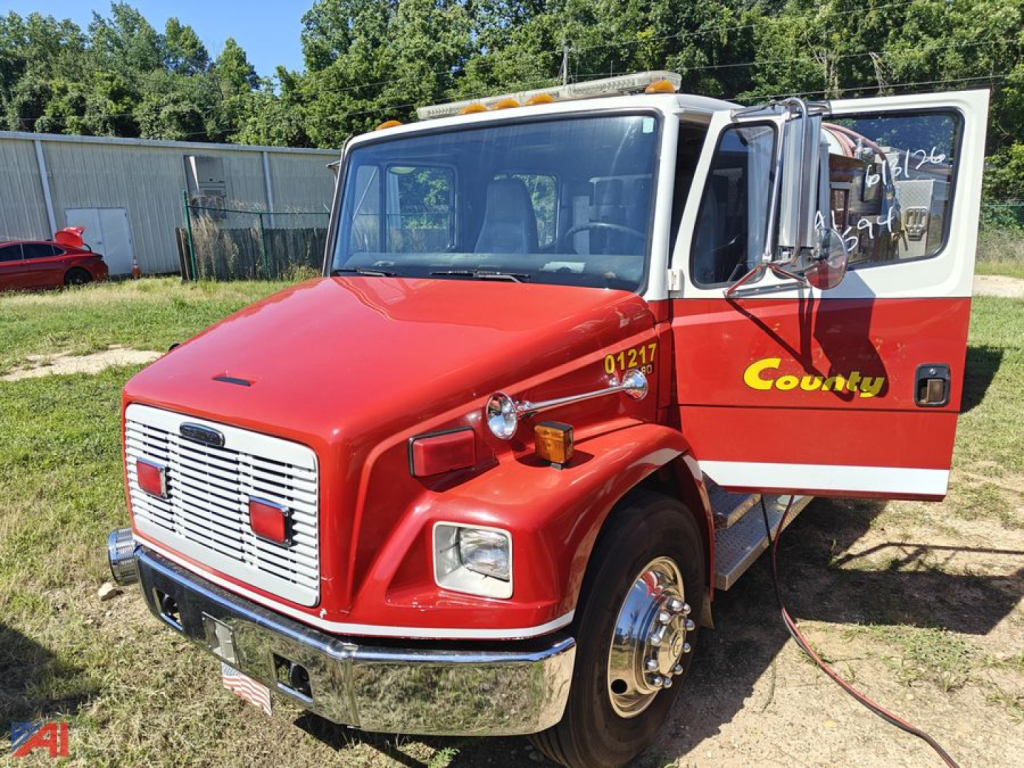
Have fire truck to sell? List it here to reach thousands of buyers.
About Fire Trucks in Georgia
The first specifications to verify are pump rating, water tank capacity, hosebed layout, generator or scene-lighting equipment, and seating configuration. Many used fire trucks in this class carry mid-range to high-capacity pumps measured in gallons per minute, paired with onboard tanks sized for initial attack and rural shuttle support. Buyers should also inspect PTO operation, pump hours versus engine hours, plumbing condition, intake and discharge valve function, and the presence of foam systems if required. On older apparatus, corrosion in body mounts, pump components, and underbody areas can matter more than odometer mileage, especially on units that spent years in stop-and-go service or were exposed to humidity and road treatment.
In Georgia, application matters by region. A truck suited for metro response may prioritize maneuverability, shorter wheelbase, and cab access, while a rural department may put more value on tank volume, drafting capability, and storage for extended incident support. Heat and long idle time also make cooling-system condition, electrical reliability, and A/C performance worth close attention. If the truck will remain in emergency service, buyers should confirm current NFPA-related equipment needs, warning-light compliance, pump test records, and maintenance documentation. If it is being repurposed for airport support, industrial fire brigade work, training, water transport, or promotional use, the focus may shift toward mechanical soundness and body utility rather than frontline spec.
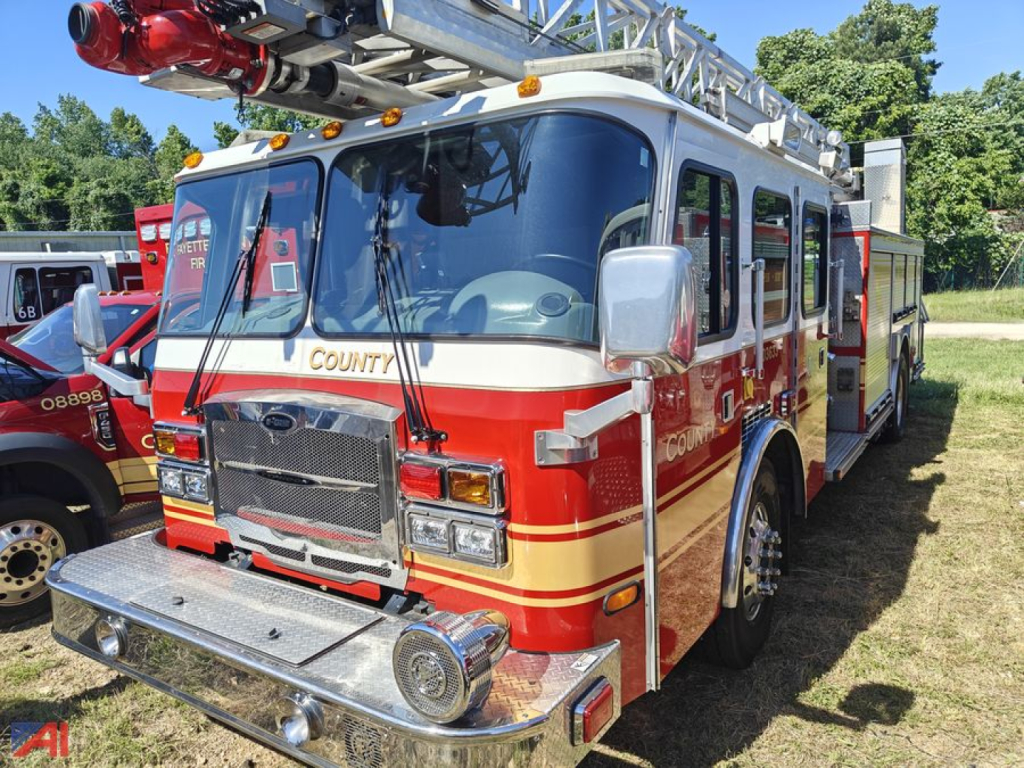
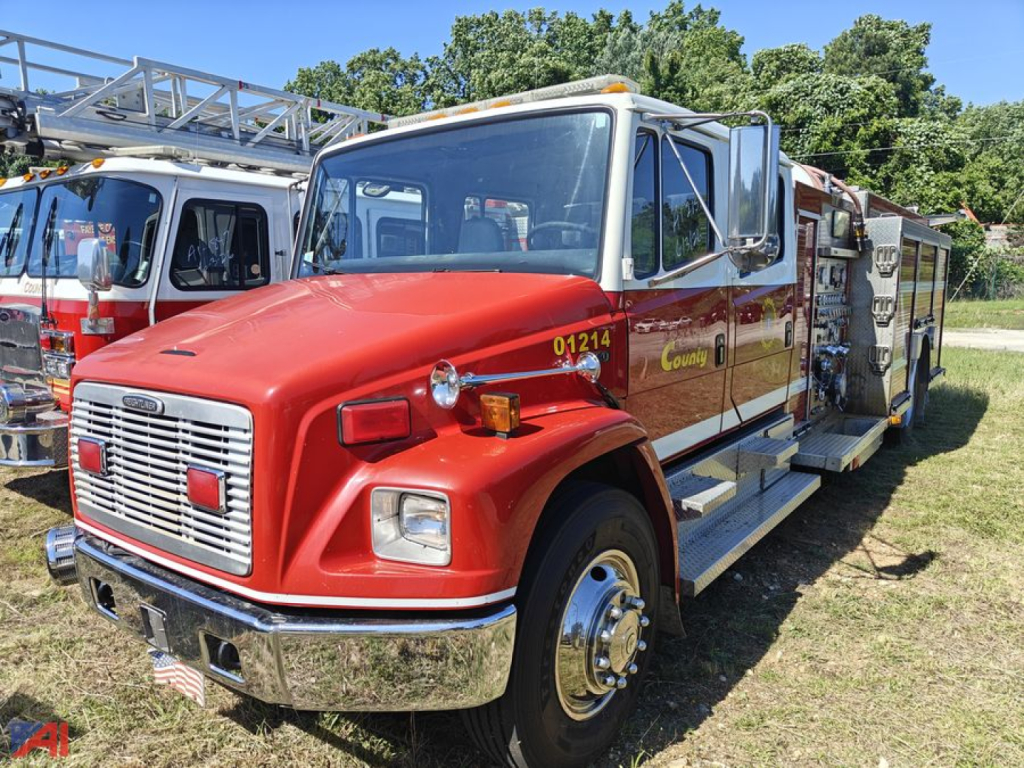
Commercial-chassis fire trucks can be attractive for buyers who want more familiar drivetrain serviceability and parts access, while custom cab-over apparatus often offer better visibility, tighter turning, and purpose-built crew integration. Either way, condition should be judged as a system, not just a chassis. Cab structure, compartment doors, wiring, air brake performance, tires, suspension, and pump-house controls all affect long-term value. A well-matched fire truck is one that fits the response profile, staffing model, and service expectations of the agency or operation putting it to work.
Frequently Asked Questions
What should I look at first when buying a used fire truck?
Start with the truck’s intended mission, then verify the core systems that support it. Pump rating, tank capacity, seating, compartment configuration, and overall apparatus size should match the type of response the truck will handle. After that, focus on service records, pump test history, engine and transmission condition, corrosion, electrical system reliability, and the working condition of valves, gauges, and warning equipment. On a used fire truck, a complete and documented maintenance history is often more valuable than low mileage alone.
Are commercial-chassis fire trucks different from custom fire apparatus?
Yes. Commercial-chassis fire trucks, such as units built on Freightliner platforms, often offer easier drivetrain service, broader parts availability, and lower acquisition cost. Custom fire apparatus, including many cab-over engine models, are designed specifically for fire service and may provide better visibility, tighter turning radius, improved crew ergonomics, and more integrated pump-house and body layouts. The better choice depends on budget, service support, and whether the truck is headed for frontline emergency use or secondary duty.
How important are pump hours on a fire truck?
Pump hours are very important because they show how much wear the fire pump and related systems have seen, independent of road mileage. A truck with modest chassis miles may still have significant pump usage from training, drafting, or prolonged scene operations. Buyers should compare pump hours to engine hours, ask for recent pump test results, and inspect the condition of plumbing, seals, valves, and controls. Heavy pump use is not necessarily a problem if maintenance has been consistent and documented.
What types of fire trucks are most common on the used market?
The used market commonly includes pumpers, tanker-pumpers, rescue trucks, brush units, and reserve engines retired from municipal fleets. Many are sold after replacement cycles even though they still have useful service life for smaller departments, industrial sites, training programs, or support roles. Configuration varies widely, so buyers should pay attention to GVWR, wheelbase, tank size, pump capacity, cab seating, and body construction instead of relying only on the truck’s general label.
Can an older fire truck still be a good buy in Georgia?
Yes, if the truck’s condition, documentation, and intended use line up. Many older fire trucks remain viable for reserve duty, rural response, water supply support, training, or private property fire protection. In Georgia, buyers should pay close attention to cooling system performance, A/C function, electrical condition, and any corrosion related to age or storage environment. An older apparatus can still deliver strong value when the pump, chassis, and body systems have been maintained properly and the truck is not being asked to fill a role beyond its spec.