
American LaFrance Fire Trucks For Sale
Browse American LaFrance fire trucks for sale, including pumpers and specialty apparatus with proven chassis design, pump capacity, and emergency-duty features.
Learn more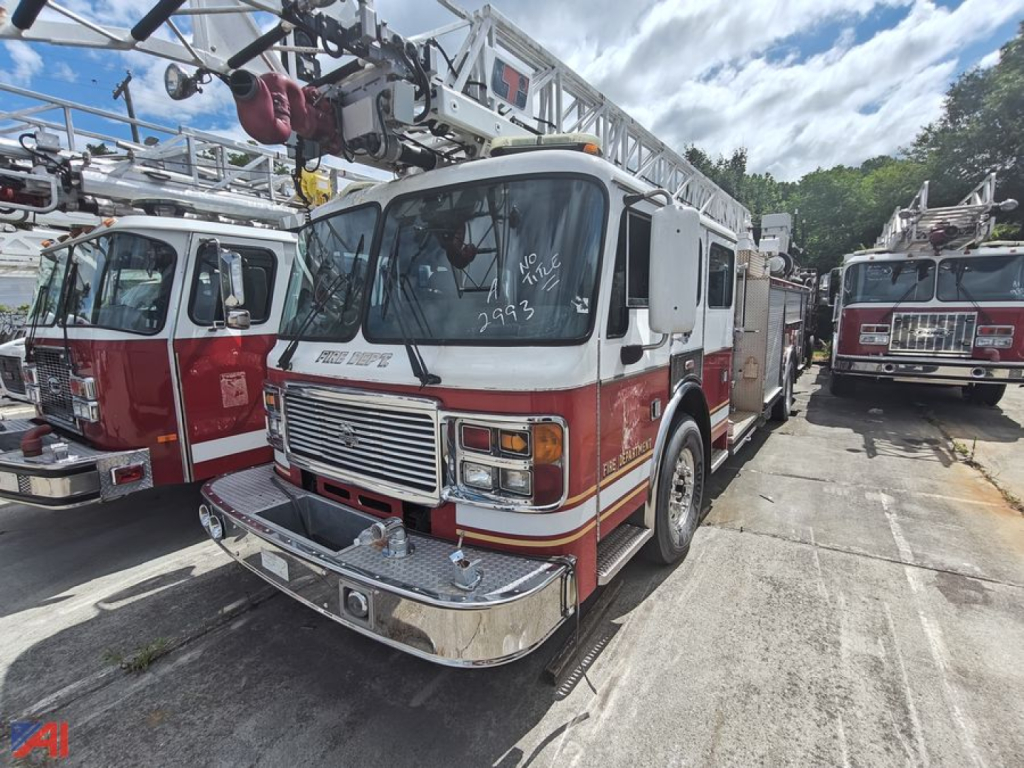
Have american lafrance fire truck to sell? List it here to reach thousands of buyers.
About American LaFrance Fire Trucks
One of the first decisions is matching the truck to the intended role. A front-line structural pumper typically needs verified pump test records, tank size that fits the department's response area, and compartment space for hose, nozzles, ladders, and medical or extrication gear. If the unit is being considered for reserve status, training use, airport support, industrial fire response, or parade and community-service duty, the buyer may place more weight on overall mechanical condition, parts support, and chassis durability than on the newest electronics. Common points to inspect include engine hours versus odometer miles, corrosion in body mounts and compartment floors, condition of the pump panel, valve operation, primer function, electrical load performance, and any signs of water or chemical exposure around plumbing and fittings.
American LaFrance apparatus are often recognized for custom fire chassis design, firefighter-focused cab layouts, and vocational-grade construction. Depending on the build, buyers may find diesel engines from major suppliers, automatic transmissions, air brake systems, generator or scene-lighting equipment, and pump ratings commonly tied to municipal service requirements. Axle capacity, wheelbase, turning radius, and overall apparatus height matter more than many first-time buyers expect, especially when the truck has to clear station doors, navigate tight urban streets, or operate on rural roads with soft shoulders. For many departments, compatibility with existing hose loads, intake and discharge sizes, ladder storage, and radio or warning-system standards can make one truck a much better fit than another even when both appear similar on paper.
Because American LaFrance no longer builds new apparatus, long-term support planning is part of a smart purchase decision. That does not automatically make these trucks difficult to own, but it does make documentation, component sourcing, and maintenance discipline more important. Many service items remain available through the underlying engine, transmission, brake, pump, and electrical component manufacturers, while cab and body-specific parts may require more research. A strong candidate in this category is one with clear maintenance records, recent pump certification if applicable, working emergency equipment, and a chassis specification that fits the buyer's staffing model and response profile. For the right use case, an American LaFrance fire truck can still be a capable and cost-effective piece of apparatus.
Frequently Asked Questions
What should I check first when buying a used American LaFrance fire truck?
Start with the service records, pump test documentation, engine hours, and overall apparatus configuration. A fire truck's value is tied to how it was maintained and whether its pump, tank, plumbing, electrical system, and emergency equipment are still operating correctly. It is also important to inspect corrosion, compartment condition, body mounts, brake system performance, tire age, and the function of valves, gauges, lighting, and warning systems.
Are parts still available for American LaFrance fire trucks?
Many mechanical and driveline parts are still available because these trucks commonly use engines, transmissions, axles, brakes, and pumps from major component manufacturers. The bigger challenge is usually with make-specific cab, trim, body, or electrical pieces. Buyers should identify the exact chassis and apparatus components on the truck and confirm support channels for those items before purchase.
What types of buyers commonly use American LaFrance fire trucks today?
These trucks are often purchased by fire departments needing reserve apparatus, smaller municipalities, industrial facilities, airport operations, training academies, and organizations converting retired apparatus for support roles. Some units also appeal to collectors and parade operators. The best fit depends on pump capacity, tank size, compartment layout, seating, and how closely the truck matches the intended duty cycle.
Is mileage or engine hours more important on a fire truck?
Both matter, but engine hours are often more revealing on emergency apparatus. Fire trucks can spend long periods idling at scenes, during training, or while operating pumps and electrical loads, so a relatively low-mile truck may still have substantial engine wear. Buyers should compare hours, miles, maintenance intervals, and pump-use history together rather than relying on odometer reading alone.