
Trucks For Sale Near Fayetteville, Georgia
Browse trucks for sale in Fayetteville, Georgia, including heavy-duty sleepers, day cabs, tow trucks, and vocational work trucks.
Learn more
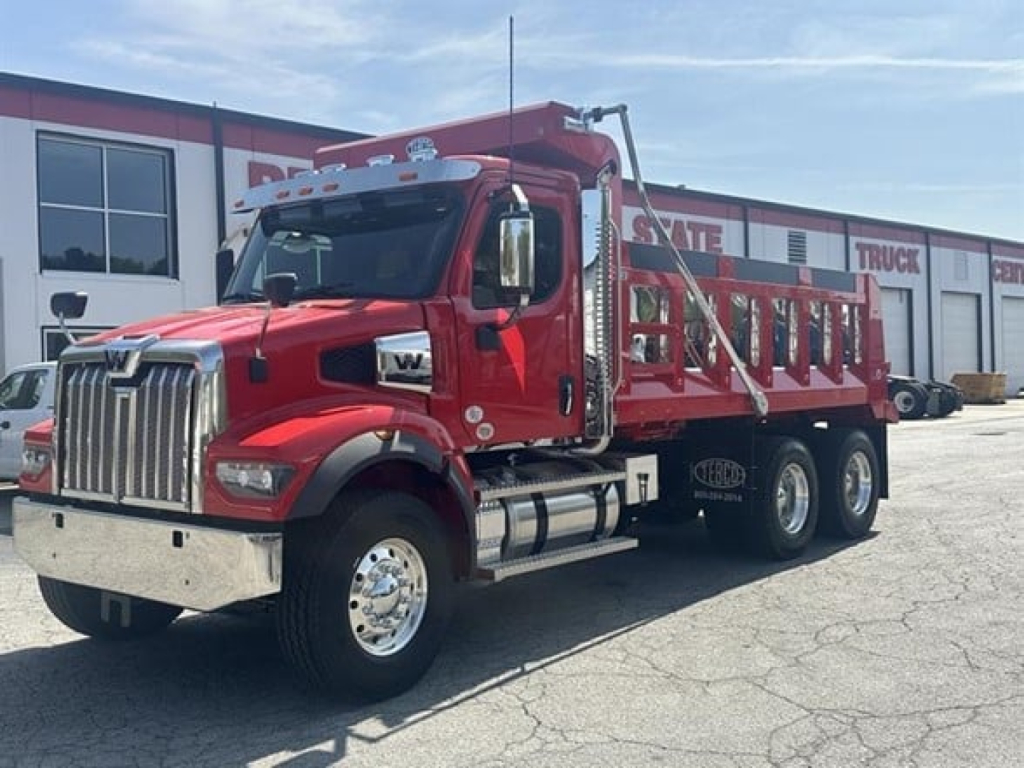
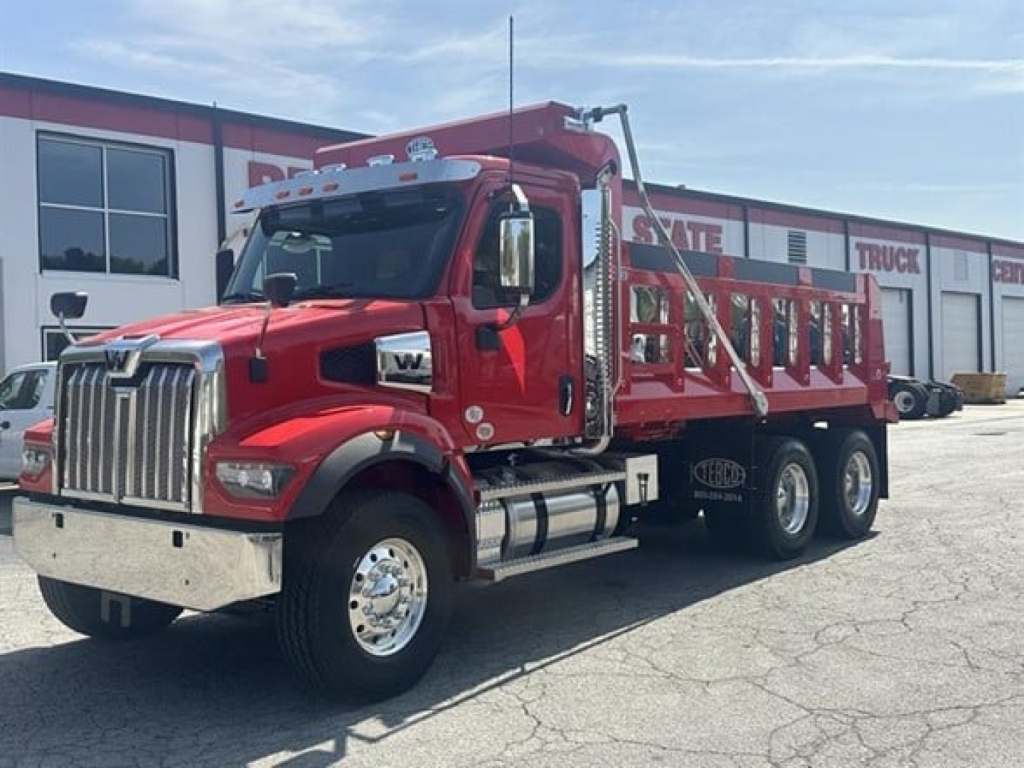
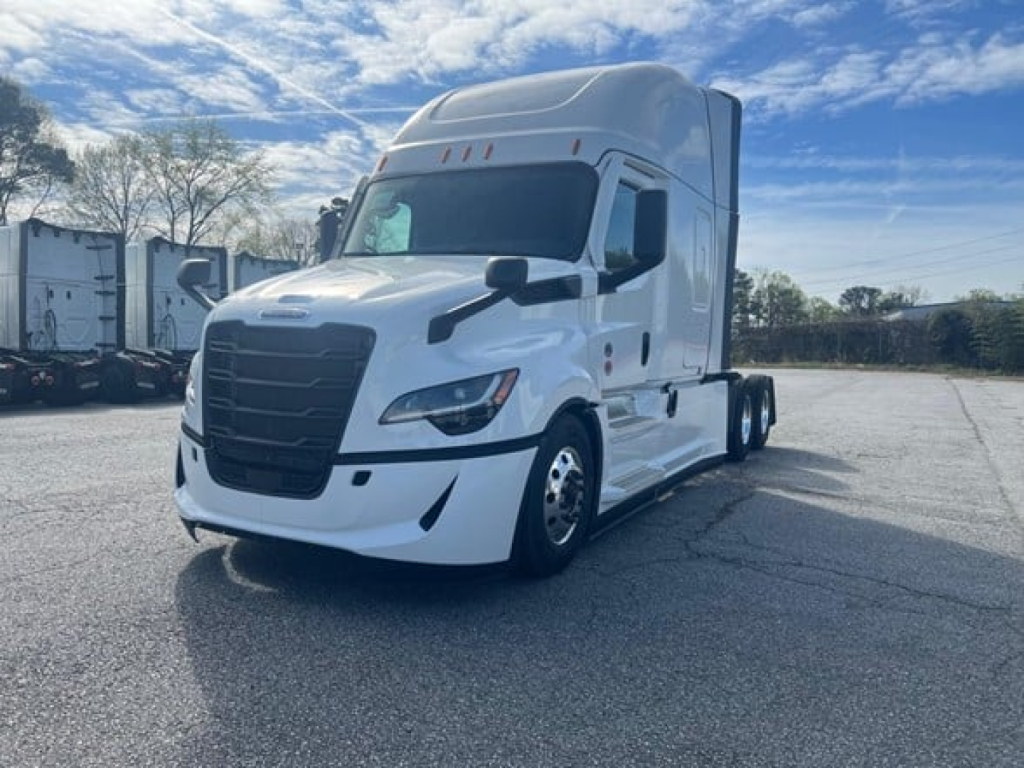
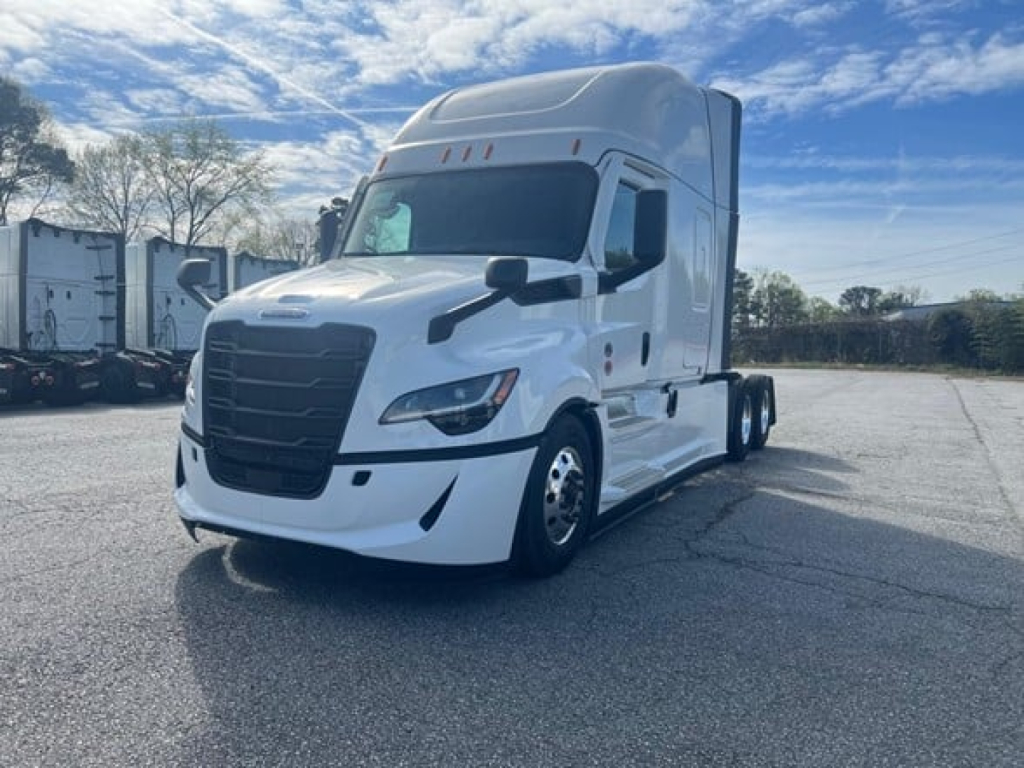
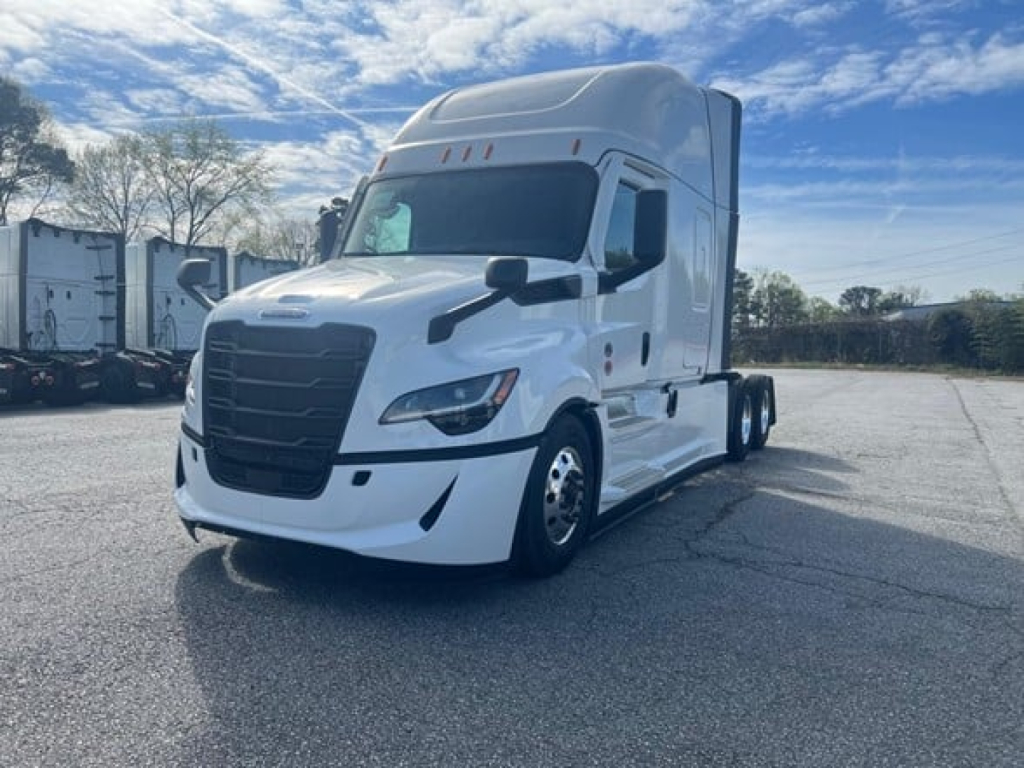
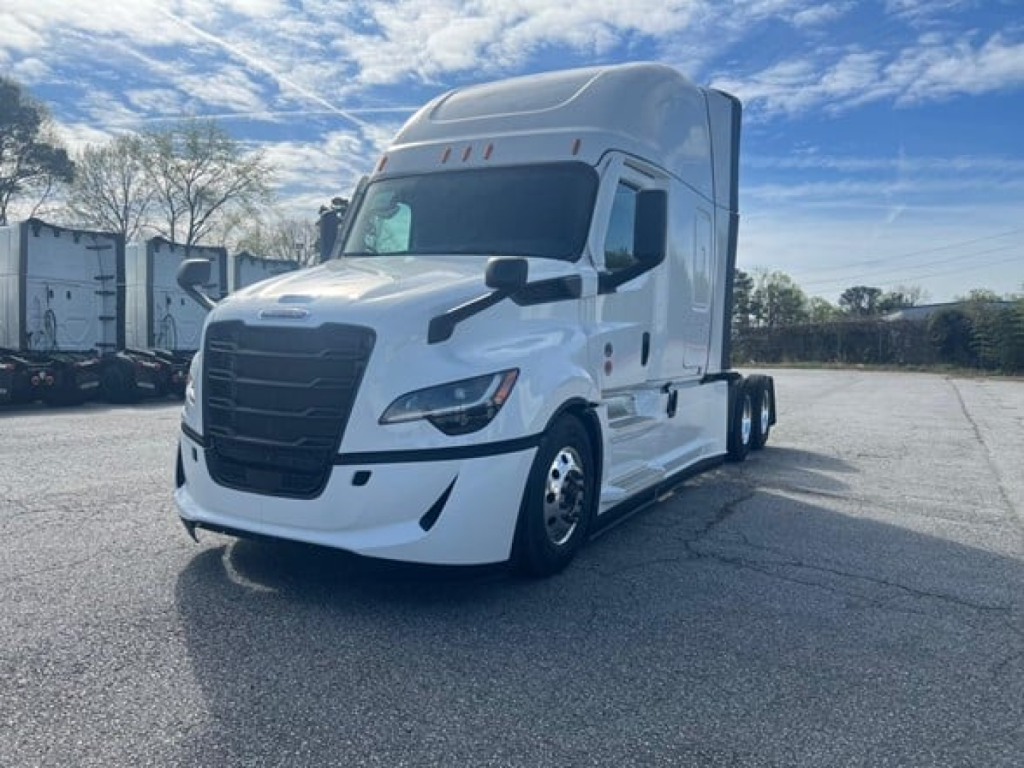
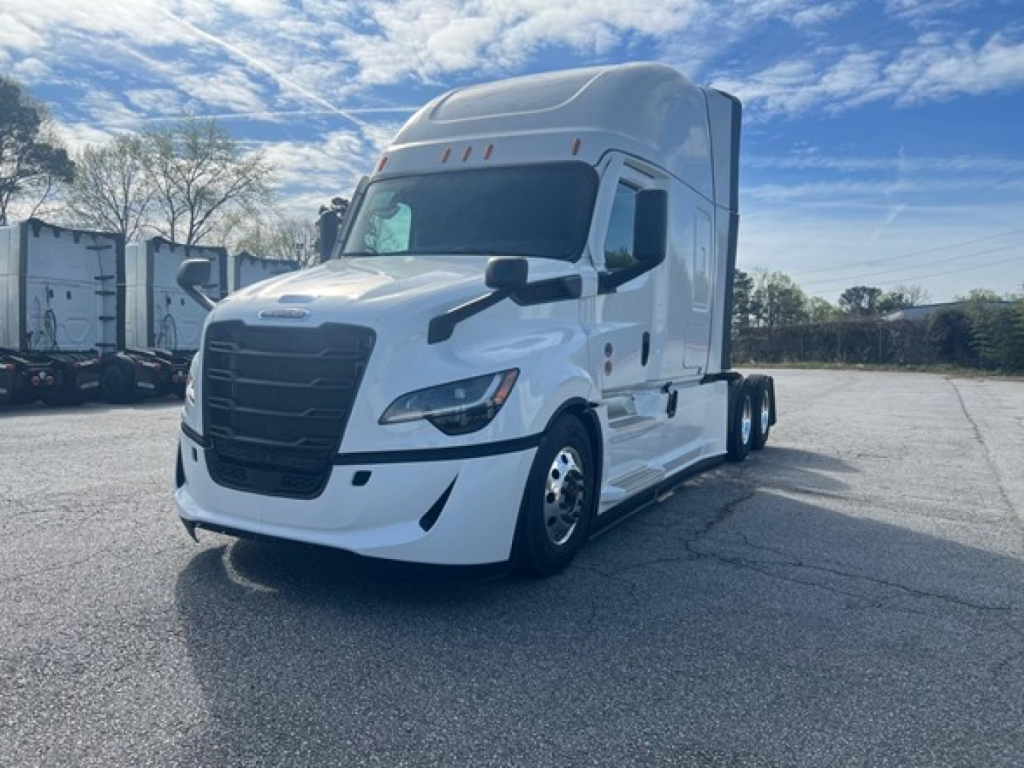
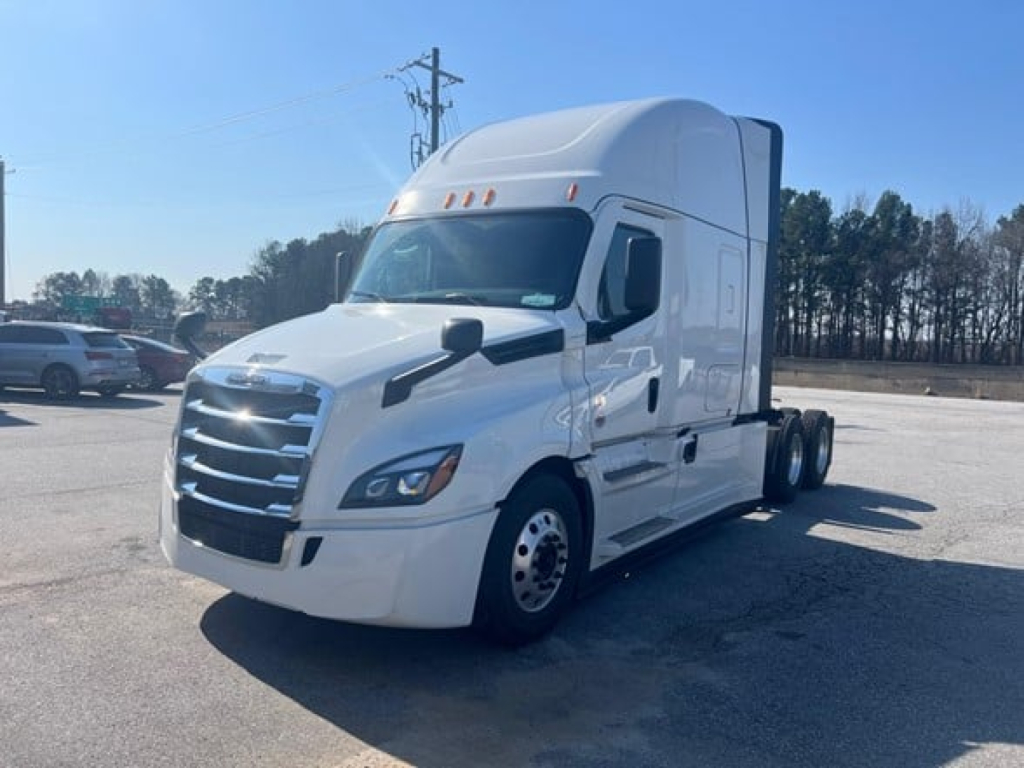
Showing 13 to 24 of 100 results
Have truck to sell? List it here to reach thousands of buyers.
About Trucks Near Fayetteville, Georgia
For highway tractors, the key decisions usually come down to cab style, powertrain, axle setup, and fuel economy. Conventional sleeper trucks are common for regional and long-haul freight, often equipped with tandem axles, 6x4 drivetrains, air ride suspension, and automated manual transmissions. Popular engine platforms in this class include Detroit DD13 and DD15 diesels, typically paired with 12-speed AMTs and rear axle ratios selected for either fuel mileage or startability. Buyers comparing sleepers and day cabs should look closely at wheelbase, fifth wheel type, fuel capacity, brake configuration, and driver comfort features such as bunk heaters, refrigerators, collision mitigation systems, and power accessories. A raised-roof sleeper with a 72-inch bunk fits team and extended-route work, while a day cab is usually the better tool for port, regional, dedicated, and local haul operations.
Vocational trucks require a different checklist. A tow truck or wrecker needs attention to PTO operation, boom or self-loader controls, hydraulic condition, frame integrity, and front axle capacity. Municipal and service units such as salt trucks should be evaluated for spreader condition, corrosion around the hopper and underbody, plow mount wear, and the overall health of the electrical and hydraulic systems. Older vocational trucks can still be productive if the chassis, driveline, and work equipment have been maintained, but rust, inactive PTO components, and hard-use body damage can quickly turn a low purchase price into a high repair bill. For any used truck in Georgia, it also makes sense to factor in cooling system performance, air conditioning, and tire condition because regional heat and stop-and-go service can expose weak components fast.
A strong truck purchase comes down to matching the spec to the job. For freight service, that means horsepower, torque, suspension, and axle ratio aligned with the trailer weight and operating terrain. For local or specialty work, it means the body equipment is as important as the engine and transmission. Review GVWR or class, front and rear axle ratings, brake type, transmission model, mileage, engine hours when available, and maintenance history before comparing price alone. The best trucks in this category are not defined by one brand or model, but by how well the chassis, drivetrain, and equipment package fit the work they are expected to handle in daily service.
Frequently Asked Questions
What types of trucks are commonly included in a general trucks-for-sale category?
A general trucks category can include highway tractors, day cabs, sleeper trucks, tow trucks, municipal service trucks, and other vocational chassis. The listings may range from Class 5 medium-duty units up to Class 8 tandem-axle tractors. That is why buyers should focus first on the truck’s intended application, then narrow by cab type, GVWR, axle configuration, drivetrain, and any mounted equipment such as wreckers, spreaders, or specialty bodies.
How do I choose between a sleeper truck and a day cab?
A sleeper truck is designed for regional and long-haul operations where the driver needs onboard living space, larger fuel capacity, and added storage. A day cab is lighter, shorter, and generally better for local and dedicated routes with frequent turns, tighter yards, and nightly returns to base. The right choice depends on trip length, trailer type, maneuverability requirements, and how much weight and wheelbase you can afford to dedicate to the tractor itself.
What are the most important specs to compare on a used highway truck?
Start with engine model, horsepower, transmission type, rear axle ratio, mileage, wheelbase, and axle ratings. Then review suspension type, brake system, fuel capacity, fifth wheel setup, and emissions system history if available. Driver-facing features like collision mitigation, bunk heater, refrigerator, and cab condition matter too, especially for retention and uptime, but the core value still comes from a powertrain and chassis spec that matches the freight and operating lanes.
What should I inspect on a used vocational truck like a tow truck or salt truck?
Inspect the PTO and hydraulic system first, because work equipment is often the most expensive part to repair. Check the frame rails, crossmembers, hoist or boom structure, wiring, controls, and any signs of corrosion around mounts and underbody components. On salt trucks in particular, rust can be severe around the hopper, spreader, plow gear, and brake and electrical components. A vocational truck can have a sound engine and transmission but still require major reconditioning if the equipment side has been neglected.
Why do axle ratings and wheelbase matter so much when buying a truck?
Axle ratings determine how much weight the truck can legally and safely carry on the steer axle and drive axles, while wheelbase affects turning radius, body fitment, ride quality, and trailer compatibility. On a road tractor, wheelbase also influences fifth wheel placement and bridge law considerations. On a vocational chassis, wheelbase has to match the body or equipment being installed. Getting either one wrong can limit payload, create handling issues, or make the truck poorly suited for the work.