
White Dump Trucks For Sale
Compare White dump trucks by body size, axle setup, engine class, and vocational specs for hauling aggregate, debris, snow, and site material.
Learn moreNo exact matches found for your search
Showing Dump Trucks instead.
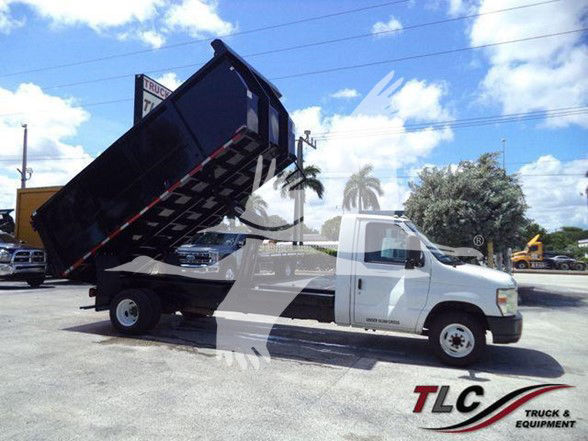

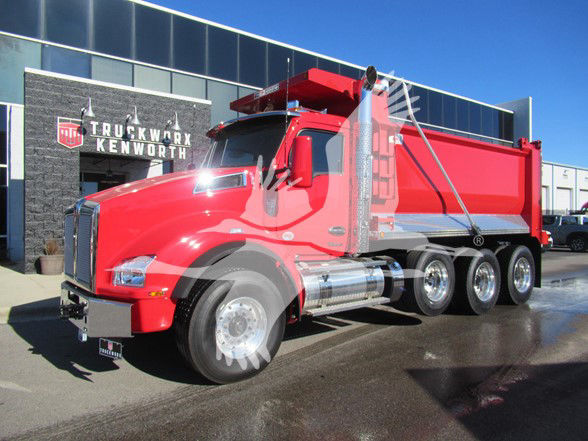
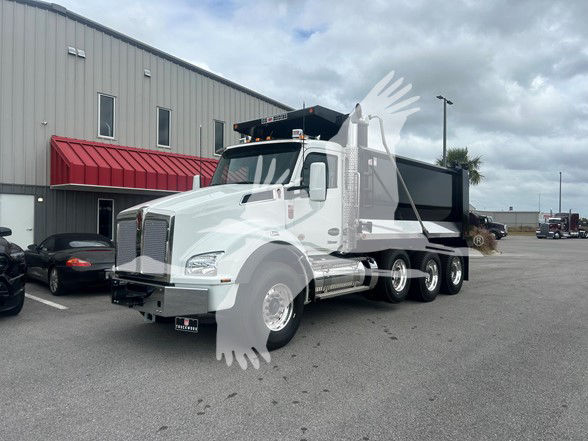
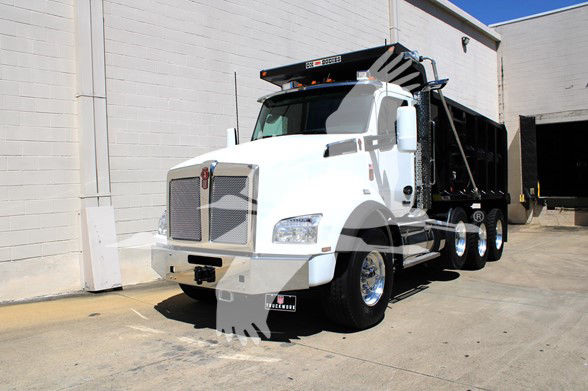
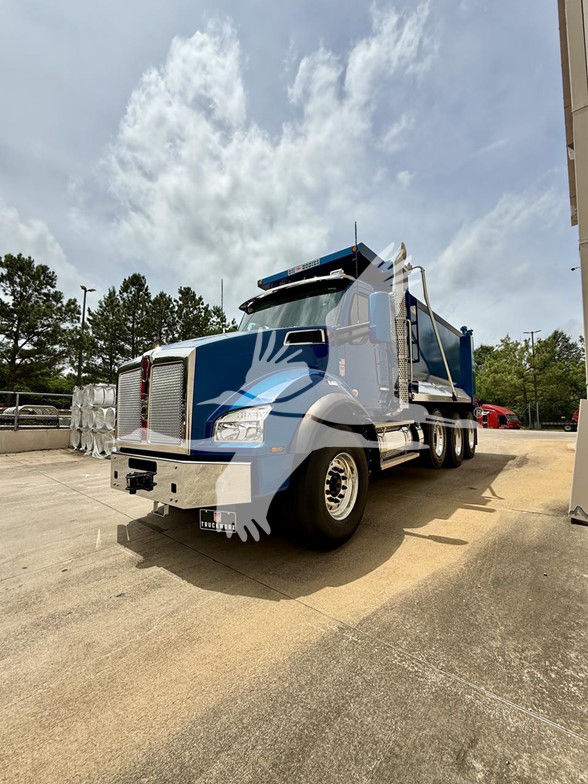
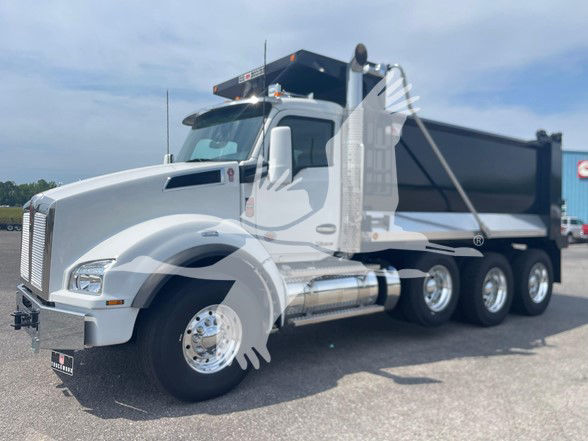
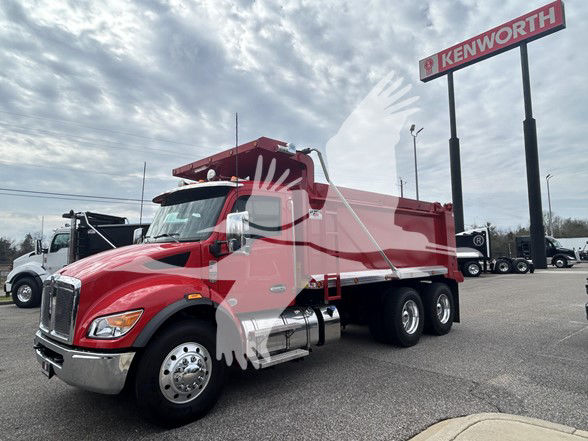
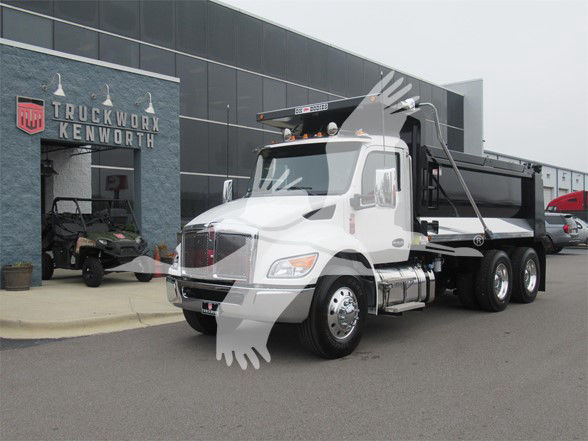

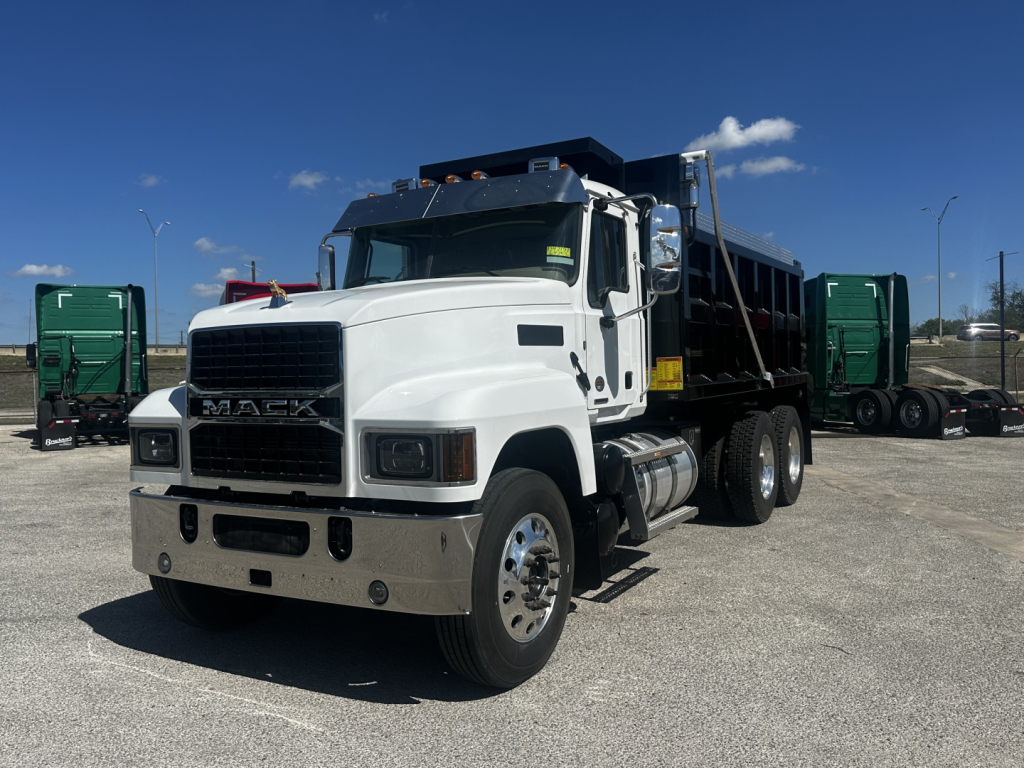
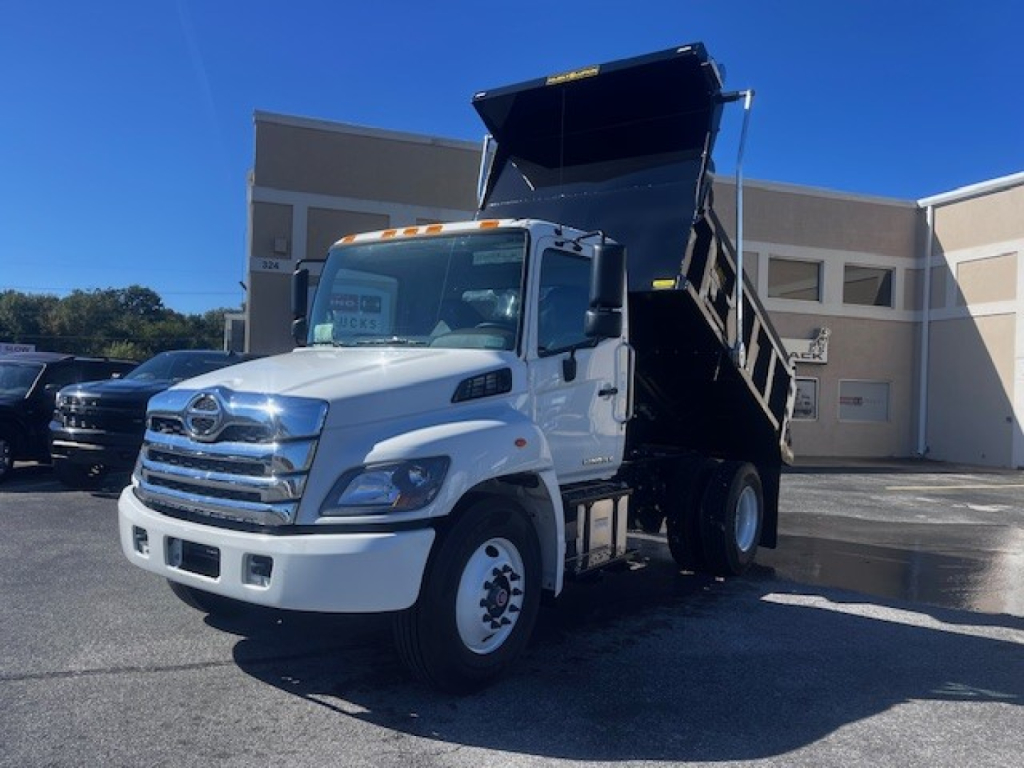
Showing 265 to 276 of 335 results
Have white dump truck to sell? List it here to reach thousands of buyers.
About White Dump Trucks
The first buying decision is usually truck class and body capacity. Many White dump trucks were spec’d as single-axle units for tighter jobsite access and lower operating cost, while heavier tandem-axle versions were built for higher payloads and more demanding aggregate work. Buyers should look closely at GVWR, wheelbase, suspension type, body length, side height, and whether the truck carries a half-round or square-body dump. Hoist type matters too. A front-mounted telescopic hoist is common for strong dumping angles, but condition is everything. Check for cylinder leaks, cracked body mounts, worn hinge pins, and frame repairs around the hoist saddle. On older units, rust in the floor, crossmembers, cab corners, and underbody can be just as important as engine hours or mileage.
White dump trucks were commonly equipped with diesel power from well-known suppliers such as Caterpillar, Cummins, Detroit Diesel, or GMC-era options depending on year and configuration. Transmission choice will often be a manual, including 5-speed, 6-speed, 8LL, or fuller vocational setups, though some automatic units exist in municipal applications. For a dump application, rear axle ratio, locking differentials, and suspension spec can matter more than top road speed. A truck used for asphalt, stone, sand, demolition debris, or snow work needs the right balance of low-speed pulling power, legal payload, and brake capacity. If the truck has a PTO-driven hydraulic system, confirm the PTO engages cleanly, the pump builds pressure properly, and the controls are not excessively worn or modified.
A careful buyer will also pay attention to vocational details that affect daily use. Common features include pintle hitches, hitch plates, tarps, spreader controls, plow mounts, central hydraulics, and auxiliary lighting on ex-municipal trucks. If the truck has seen snow service, inspect corrosion around the frame rails, wiring, cab mounts, and hydraulic lines. Tire condition, steering play, spring wear, and evidence of prior overloading can tell you a lot about how a White dump truck was treated. The value in this category usually comes from buying a truck with a sound frame, a functional dump system, and specs that fit the material and route, not just the lowest purchase price.
Frequently Asked Questions
What should I inspect first on a used White dump truck?
Start with the frame, dump body, and hoist system. Older vocational trucks can still be productive if the structure is sound, but frame rust, poor weld repairs, cracked crossmembers, body rot, and leaking hydraulic cylinders can turn a low purchase price into a costly rebuild. After that, check PTO engagement, brake condition, steering components, suspension wear, and any signs the truck was consistently overloaded.
Are White dump trucks good for construction and municipal work?
Yes, many White dump trucks were originally spec'd for exactly those applications. They are commonly found in local hauling, road maintenance, snow service, site work, and material delivery. Their appeal is usually a rugged vocational chassis and simpler mechanical systems, but suitability depends on the exact axle configuration, GVWR, body size, and current condition of the hydraulic and braking systems.
How do I choose between a single-axle and tandem-axle White dump truck?
A single-axle White dump truck is typically easier to maneuver, lighter to operate, and often better for landscape supply, local delivery, or tighter municipal routes. A tandem-axle truck generally offers more legal payload and better weight distribution for gravel, asphalt, demolition debris, and heavier jobsite work. The right choice depends on bridge laws, route restrictions, material type, and how much time the truck spends on soft ground or uneven jobsites.
What engines and transmissions are common in older White dump trucks?
Older White dump trucks may be powered by Caterpillar, Cummins, Detroit Diesel, or White GMC-era engine options, depending on the model and production year. Manual transmissions are common in vocational specs because they offer durability and low-speed control, although some municipal units may have automatics. Buyers should focus less on brand alone and more on cold-start behavior, blow-by, fluid leaks, clutch condition, shift quality, and service history.
Do ex-municipal White dump trucks make good buyers' trucks?
They can, especially if maintenance records are available and the truck was serviced on schedule. Municipal trucks often have desirable equipment such as plow mounts, central hydraulics, spreader setups, and heavy-duty electrical systems. The tradeoff is that snow and salt exposure can accelerate corrosion in the frame, wiring, body, and hydraulic components, so rust inspection is critical before purchase.