
Used Dump Trucks For Sale in Texas
Browse used dump trucks for sale in Texas, including tandem and tri-axle models for construction, aggregate, paving, and site work.
Learn moreBrowse Dump Trucks by Make

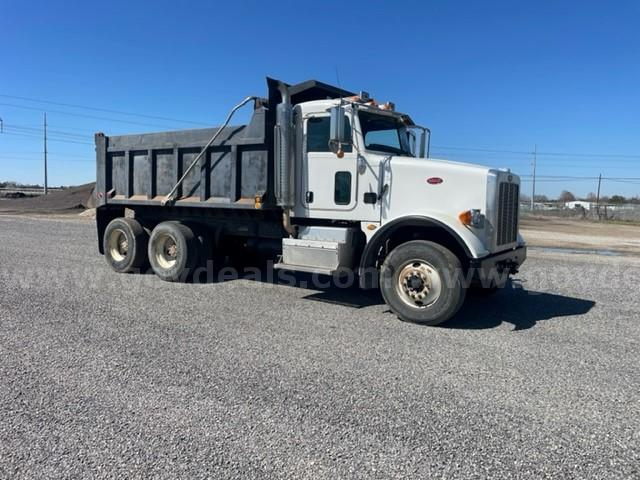
Showing 25 to 27 of 27 results
Have used dump truck to sell? List it here to reach thousands of buyers.
About Used Dump Trucks in Texas
The first buying decision is usually transmission and suspension. Automatic and automated manual transmissions are common on used dump trucks because they reduce driver fatigue and help in stop-and-go jobsite work, while traditional manuals still appeal to fleets that want simplicity and direct control on grades or in mud. Rear suspension is just as important. Walking beam and camelback-style suspensions remain popular for severe service and off-road stability, while air ride can improve ride quality but is usually less favored for constant rough terrain. Buyers should also compare body construction closely. Steel dump bodies are standard for rock, demo, and abrasive material, while lighter bodies may make sense when payload is the priority. Side height, floor thickness, liner condition, hoist type, tailgate style, and tarp system all affect day-to-day usefulness.
In Texas, application drives spec more than brand loyalty. A truck working in Dallas-Fort Worth subdivision work may need maneuverability and an automatic transmission for short-cycle hauling, while a unit running caliche, sand, or base material in West Texas may benefit from heavier suspension, aggressive tires, and a simpler vocational spec. Tri-axle dump trucks are common where operators want better payload distribution and higher legal carrying capacity, but they also bring more tires, brakes, and suspension components to inspect. PTO operation, wet kit condition, frame integrity, and hoist performance should be checked carefully on any used dump truck. Look for signs of body twist, cracked crossmembers, tailgate wear, uneven tire wear, and corrosion around the hoist mounts and hinge points.
A strong used dump truck should be evaluated as a complete vocational package, not just an engine and odometer reading. Engine ratings like the Mack MP8 in the 445 HP range are common in heavier regional and jobsite applications, but the right truck depends on body capacity, axle ratings, wheelbase, and how the truck has been worked. Bridge formula compliance, steer axle capacity, lockable differentials, and vocational tire spec can matter as much as horsepower. For buyers comparing multiple used dump trucks in Texas, the best value usually comes from matching the truck's axle setup, suspension, transmission, and dump body to the material hauled and the roads it will see every day.
Frequently Asked Questions
What should I look for first when buying a used dump truck in Texas?
Start with axle ratings, suspension type, body condition, and transmission choice because those items determine how well the truck fits the work. Texas dump truck buyers should also verify legal weight capacity, front axle rating, rear axle rating, wheelbase, and body size before focusing on cosmetics. A truck can have a strong engine and still be the wrong fit if the body is too light for rock, the suspension is wrong for rough jobsites, or the axle setup limits payload.
Is a tandem axle or tri-axle dump truck better for Texas hauling?
A tandem axle dump truck is often the better choice for tighter jobsites, lower maintenance cost, and general construction work. A tri-axle dump truck can offer better weight distribution and higher legal payload potential, which matters in aggregate, paving, and bulk material hauling. The tradeoff is added complexity, more brake and tire expense, and a larger turning footprint. The better option depends on haul distance, material type, and local weight requirements.
Are automatic transmissions good for used dump trucks?
Yes. Automatic and automated manual transmissions are widely used in dump truck service because they help with stop-and-go driving, reduce clutch wear, and make the truck easier to operate on crowded jobsites. They are especially useful in urban Texas markets where frequent starts, backing, and short hauls are common. A manual transmission may still appeal to buyers who want lower electronic complexity or who operate in conditions where direct gear control is preferred.
How important is the dump body condition on a used dump truck?
The dump body is critical because it often reflects the kind of work the truck has done and directly affects future repair cost. Buyers should inspect the floor, sidewalls, crossmembers, hinges, hoist mounts, tailgate, tarp system, and liner wear. Damage from rock, demolition debris, or repeated overloading can lead to expensive structural repairs even when the chassis and powertrain are in good shape. A sound body and hoist system are just as important as engine condition.
What engine and horsepower range is common in used dump trucks?
Many used heavy-duty dump trucks fall in the 350 to 500 horsepower range, with higher-output vocational engines common in tandem and tri-axle applications. The right horsepower depends on gross vehicle weight, terrain, transmission, and the material being hauled. For Texas work, buyers often prioritize torque, cooling capacity, and durability over peak horsepower because dump trucks spend a lot of time under load, in traffic, and on unpaved surfaces.