
Dump Trucks For Sale in Nevada
Shop dump trucks for sale in Nevada. Compare axle setups, body sizes, PTO systems, suspensions, and specs for hauling aggregate, asphalt, and debris.
Learn moreNo exact matches found for your search
Showing Dump Trucks instead.
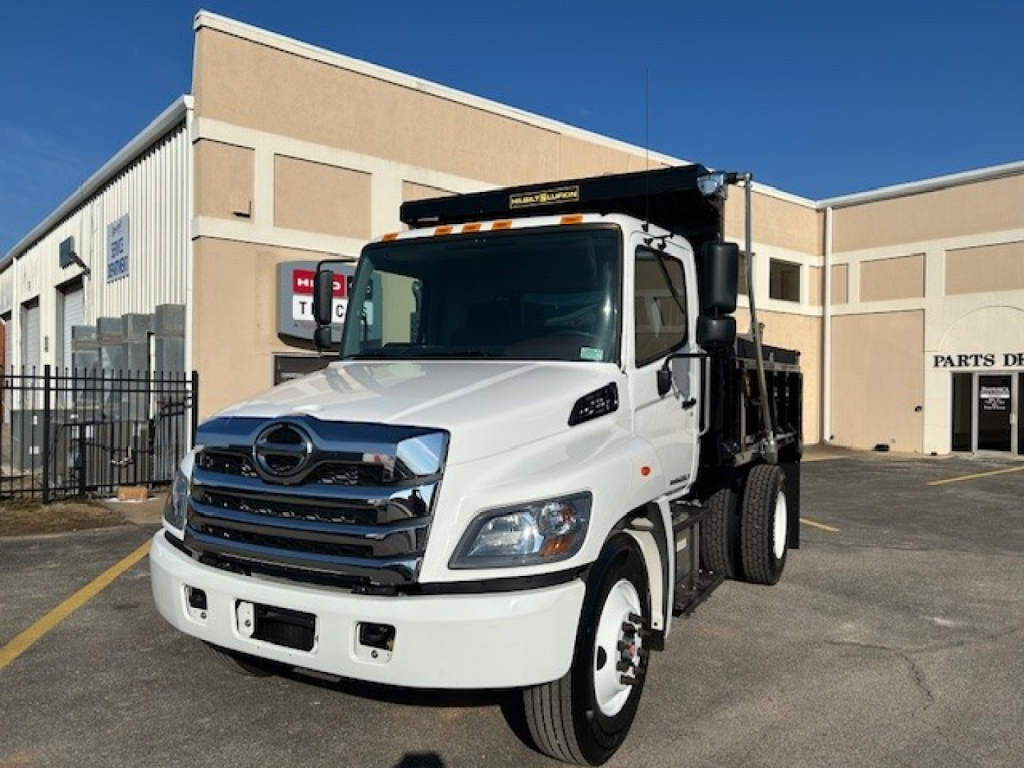
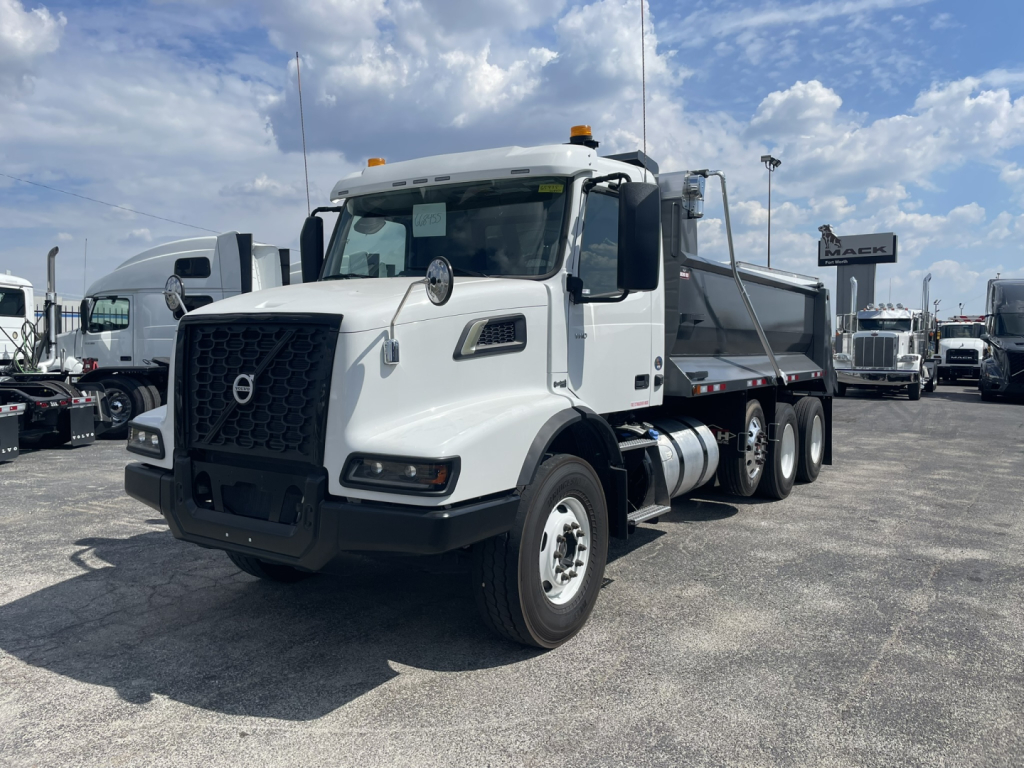
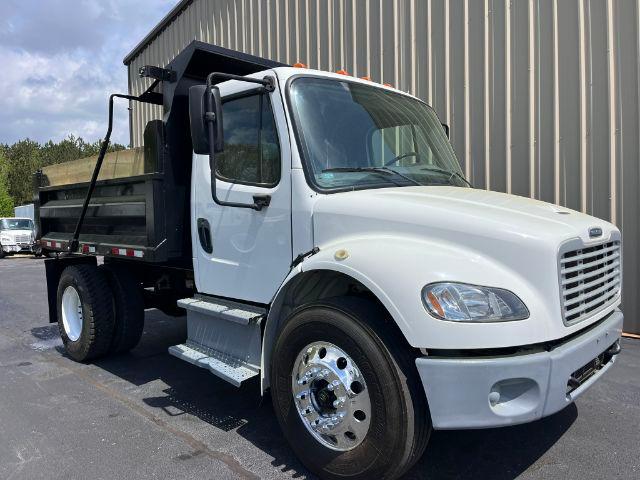

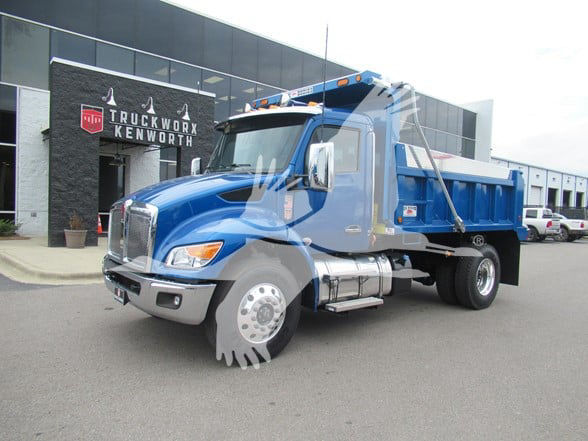
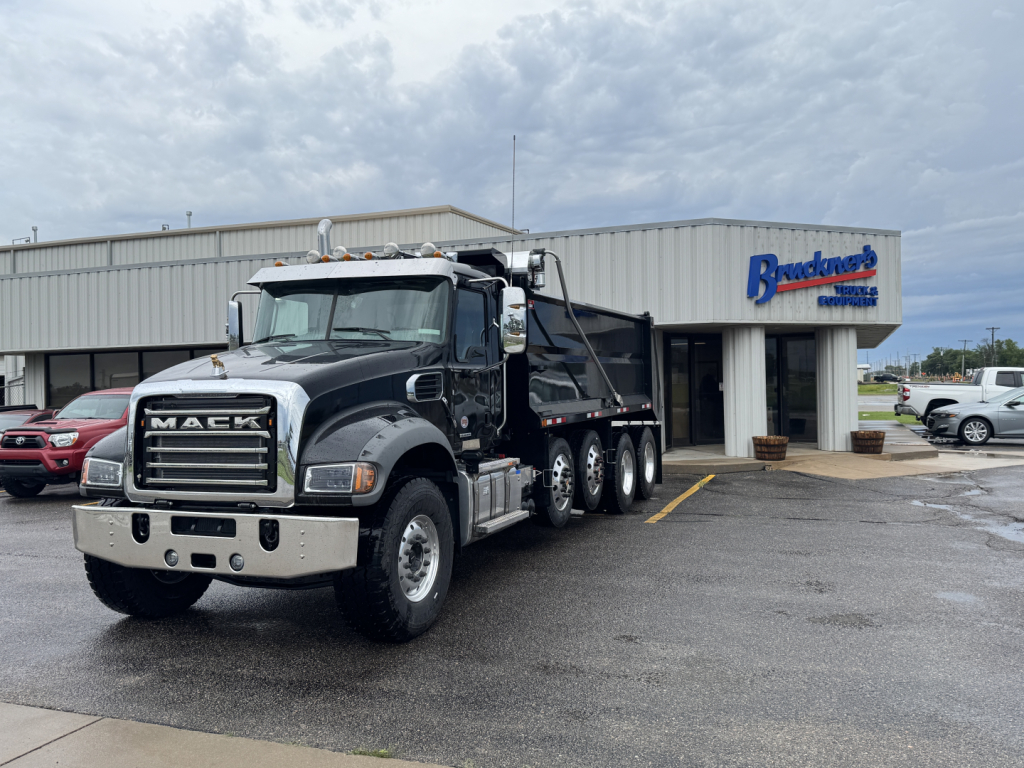
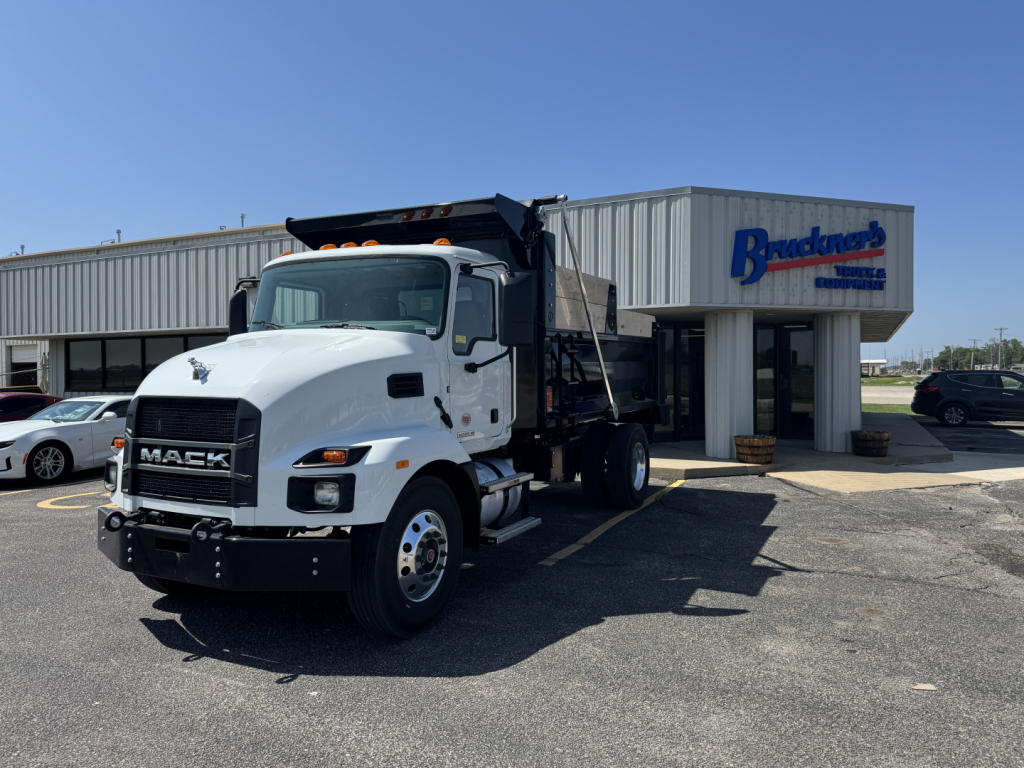
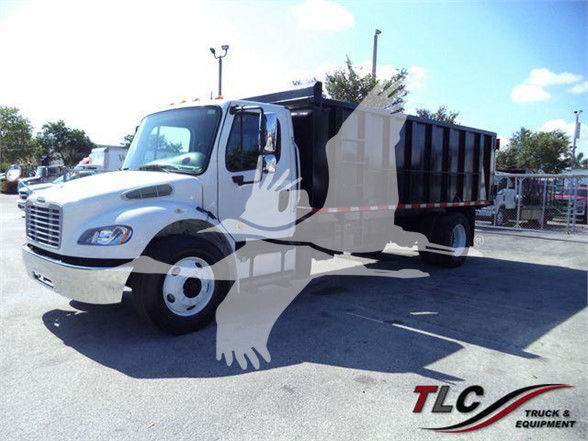
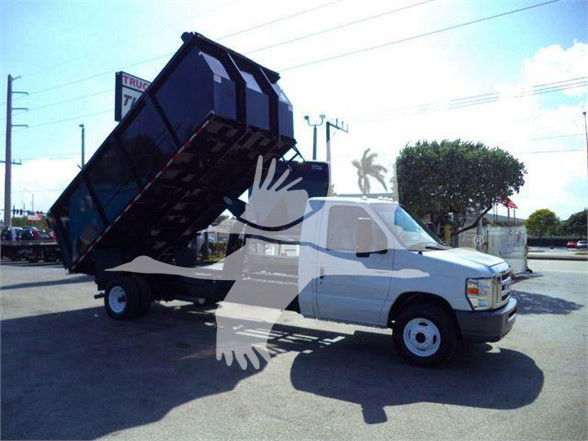
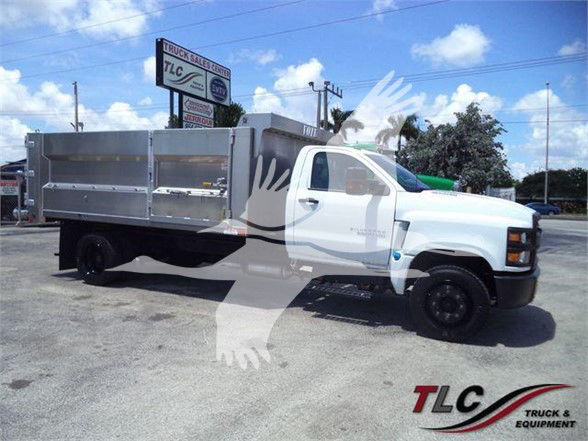
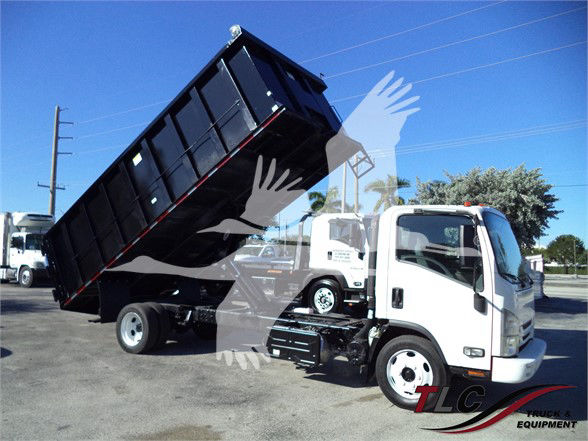
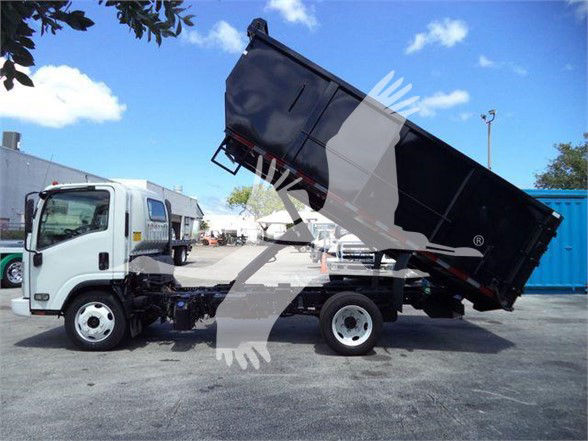
Showing 289 to 300 of 339 results
Have dump truck to sell? List it here to reach thousands of buyers.
About Dump Trucks in Nevada
For buyers comparing used dump trucks for sale, the body and hoist matter as much as the powertrain. Hardox or other abrasion-resistant steel can be valuable in severe aggregate service, while heavier floors and reinforced crossmembers hold up better under rock, riprap, or demolition debris. Look closely at side height, tailgate style, air-operated gate controls, electric or manual tarps, and liner condition. Front-mounted telescopic hoists are common on straight dump trucks, but underbody hoists may still appear in lighter applications. PTO engagement, hydraulic pump condition, cylinder seepage, hinge wear, and frame integrity are all worth checking because dump work puts constant stress on the chassis and body mounting points.
Powertrain choices usually come down to torque, durability, and drivability at low speed. Many vocational dump trucks run in the 350 to 565 horsepower range with diesel engines from Cummins, Paccar, or Detroit, paired with automatic or automated manual transmissions. Locking differentials, double frame construction, and vocational rear suspensions are common because traction and stability matter on loose surfaces and uneven approaches. A buyer in Nevada should also pay attention to cooling capacity, air conditioning performance, and brake spec, especially for desert heat, long grades, and stop-and-go hauling. Front axle ratings, rear axle capacities, wheelbase, suspension type, and tire size all affect payload, turning radius, and how the truck performs on quarry roads or urban jobs.
The best dump truck is the one matched to the material and route. Asphalt fleets often want precise body dimensions, clean hoists, and tarp systems that support paving operations. Aggregate and excavation work usually favor higher GVWR, durable steel bodies, full lockers, and lift axles for payload flexibility. Municipal and utility buyers may prioritize shorter wheelbases, easier maneuverability, and all-purpose spec packages. When comparing listings, pay attention to PTO hours if available, signs of frame repair, body floor wear, kingpin-style hitch needs if towing is involved, and whether the truck has the axle spread and body spec required for your state's legal loads.
Frequently Asked Questions
What axle configuration is best for a dump truck in Nevada?
That depends on the material, route, and legal payload target. Tandem-axle dump trucks are common for general construction and municipal work because they balance capacity, maneuverability, and operating cost. Tri-axle dump trucks, often with a lift or pusher axle, are preferred when payload matters most and the truck needs to maximize legal weight on public roads. Buyers in Nevada should compare axle ratings, bridge law compliance, wheelbase, and how often the truck will run on tighter urban sites versus open aggregate routes.
What should I inspect on a used dump body before buying?
Start with the body floor, side panels, tailgate, hoist mounts, and hinge areas. Look for cracking, excessive bowing, patched steel, corrosion around crossmembers, and uneven wear from abrasive material. Check the tarp system, air gate operation, and whether the hoist raises smoothly without drift or visible hydraulic leaks. The condition of the body often tells you how the truck was worked, especially in rock, demolition, or paving service where damage can develop quickly.
Are automatic transmissions a good choice for dump trucks?
Automatic and automated manual transmissions are common in modern dump truck applications because they reduce driver fatigue and can improve consistency in stop-and-go work. They are especially useful on urban routes, jobsite traffic, and applications with frequent backing and repositioning. A manual transmission may still appeal to some fleets for simplicity or driver preference, but many buyers now prioritize the ease of use and vocational programming available in automatic setups.
How do I choose the right dump body size?
Body size should match the material being hauled, target payload, and local weight limits. A longer or higher-capacity body may seem attractive, but bulkier materials can cube out before the truck reaches legal weight, while dense materials like rock can overload the axles quickly. Buyers should compare body length, side height, steel thickness, and hoist rating against the actual product they plan to haul. The right body is a balance between cubic capacity, durability, and legal axle loading.
What features matter most for aggregate and quarry work?
Aggregate service is hard on both chassis and body, so durability comes first. Buyers typically want a heavy steel body, reinforced floor, locking differentials, a strong rear suspension, and axle ratings that support full payloads without overstressing components. Tire spec, brake performance, and frame condition are also critical because these trucks spend time on rough haul roads and uneven loading areas. In severe service, details like abrasion-resistant steel, full-locking rears, and a reliable PTO and hoist setup can make a noticeable difference in uptime.