
Dump Trucks For Sale in Massachusetts
Browse dump trucks for sale in Massachusetts, including light, medium, and heavy-duty models for construction, municipal, paving, and landscape work.
Learn moreBrowse Dump Trucks by Make
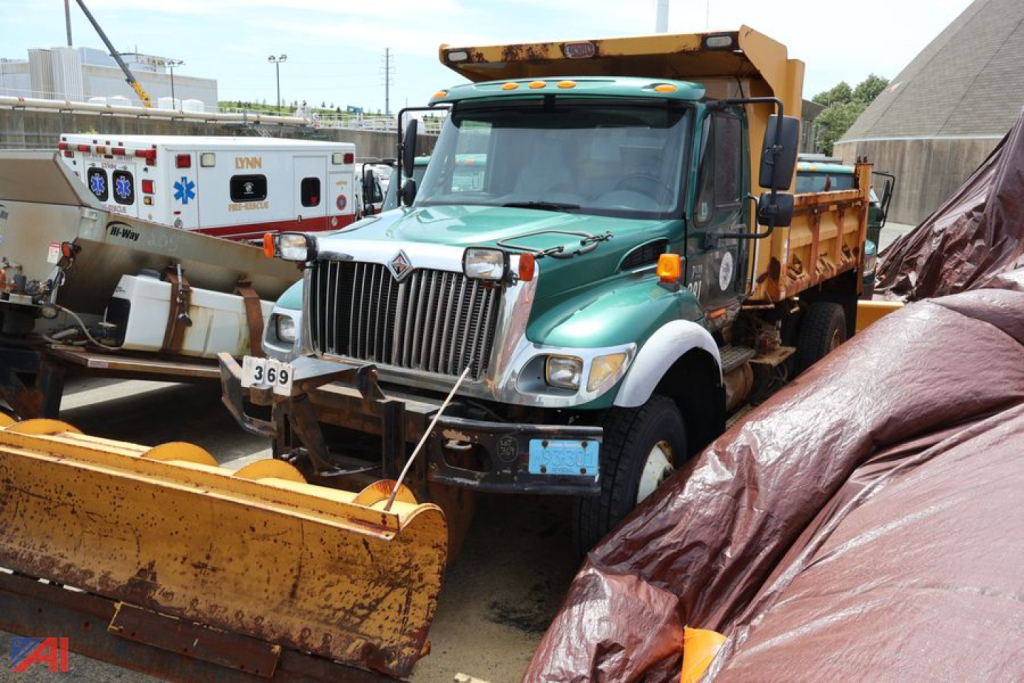
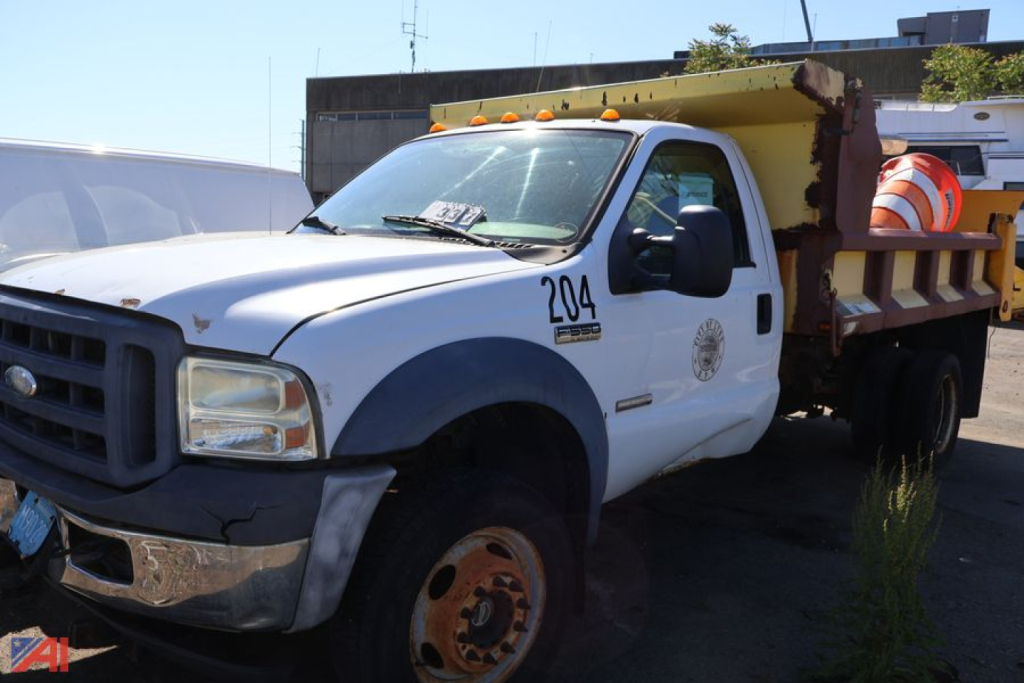
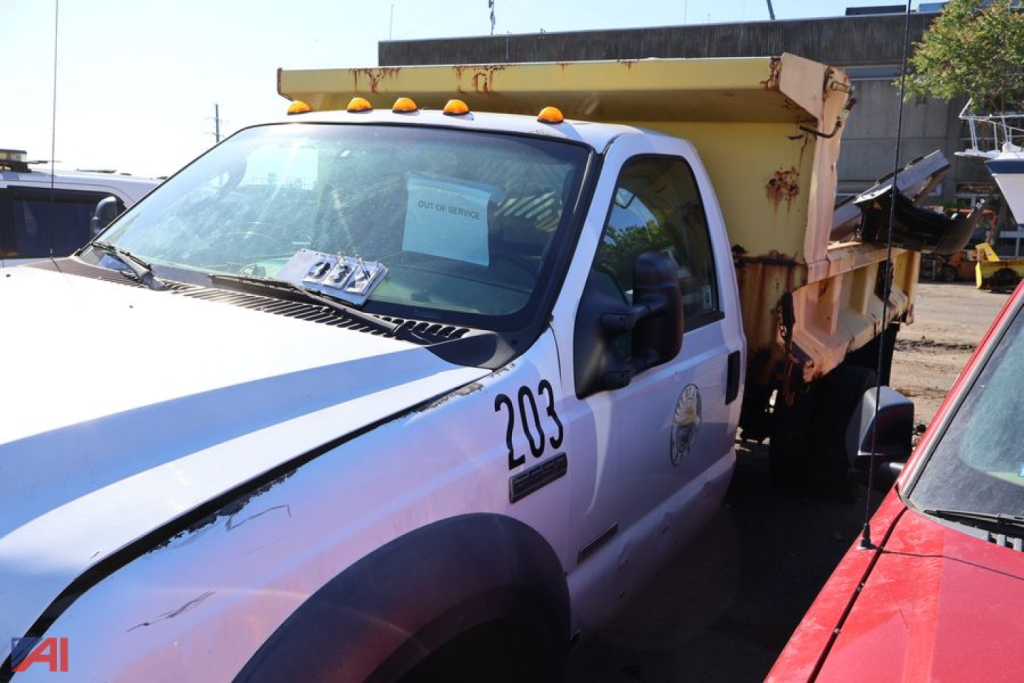
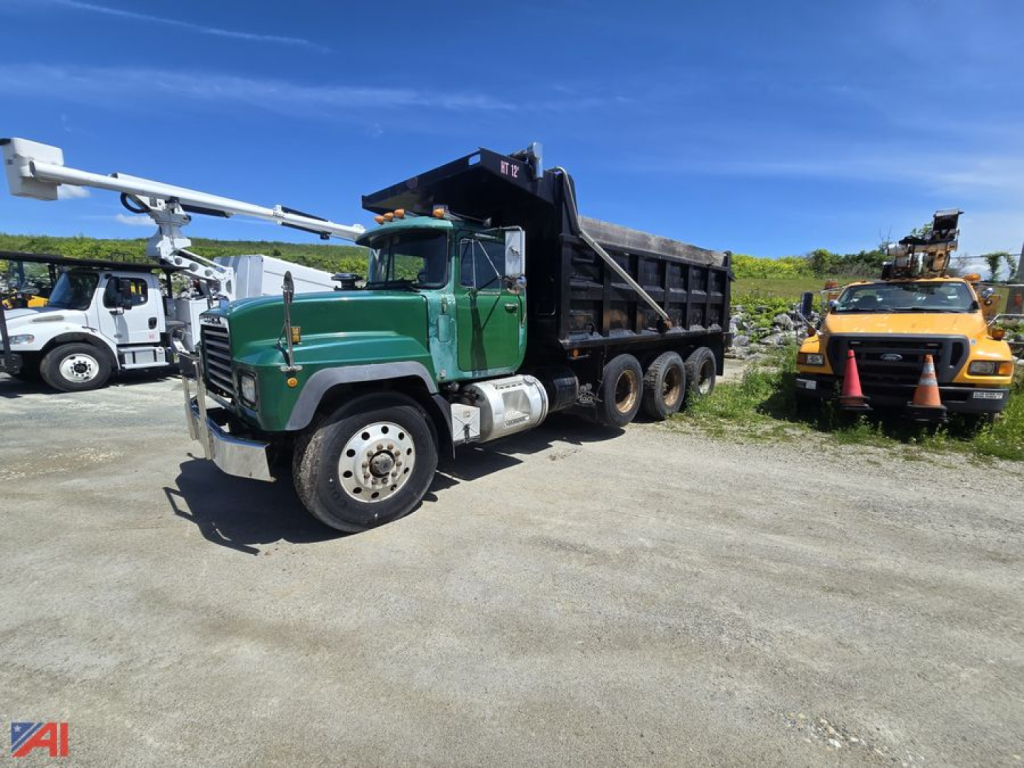
Showing 13 to 16 of 16 results
Have dump truck to sell? List it here to reach thousands of buyers.
About Dump Trucks in Massachusetts
Key buying points usually start with GVWR, axle configuration, body length, and hoist type. A shorter wheelbase and tighter turning radius help in older Massachusetts streets, parking lots, and residential work, while tandem axle dumps bring better payload capacity and bridge-law flexibility for heavier hauling. Buyers should pay close attention to body material, side height, tailgate configuration, and underbody versus telescopic hoists. Steel bodies are common for abrasive material and demolition work, while lighter bodies can make sense when payload efficiency is the priority. A truck set up with a spreader, plow hydraulics, PTO, pintle hitch, or central hydraulic system can also be more valuable for four-season use in New England.
Rust, corrosion, and seasonal wear deserve extra scrutiny in this category. Massachusetts dump trucks often see snow, salt, wet material, and hard winter service, so frame condition, crossmembers, cab corners, hydraulic lines, electrical connections, and body floor integrity should all be checked carefully. It also helps to evaluate suspension type, brake configuration, tire condition, and drivetrain spec against the work the truck will actually do. Diesel engines dominate heavier classes, but fuel type, transmission choice, and rear axle ratio should match route length, jobsite conditions, and expected load weight. If the truck will spend time off-road or on soft ground, locking rears, vocational tires, and proper suspension spec can make a major difference in uptime.
A good dump truck spec is less about maximum size and more about fit for the work. Buyers comparing listings should think in terms of legal payload, body volume, maneuverability, seasonal attachments, and total lifecycle cost. A contractor hauling stone across short local routes may prioritize body durability and PTO reliability, while a municipality may focus on plow compatibility, spreader controls, and easy service access. The best dump trucks for sale are the ones configured for the material, road conditions, and operating pattern they will face every day.
Frequently Asked Questions
What size dump truck is best for Massachusetts contractors?
The best size depends on the material being hauled, the jobsite access, and the legal weight limits on the routes you use most. Light-duty dump trucks work well for landscapers, small contractors, and municipal departments handling loose material, brush, or snow-related tasks in tighter areas. Medium-duty and tandem axle dump trucks are a better fit for aggregate, asphalt, demolition debris, and higher-volume construction work where payload and durability drive profitability.
What should I inspect first on a used dump truck?
Start with the frame, dump body, and hydraulic system. In Massachusetts, corrosion from road salt can affect frame rails, crossmembers, hoist mounts, hinges, hydraulic lines, and electrical connections. After that, inspect the body floor for excessive wear, check tailgate operation, confirm PTO engagement, and evaluate suspension, brakes, tires, and any plow or spreader hydraulics. A dump truck can look presentable and still have expensive structural or hydraulic issues underneath.
Are steel dump bodies better than aluminum bodies?
Steel dump bodies are generally preferred for abrasive material, demolition debris, and severe-duty work because they resist impact damage better and are easier to repair in many vocational applications. Aluminum bodies reduce tare weight and can improve legal payload in the right operation, but they are not always the best match for constant rock, scrap, or demolition service. The right body material depends on what you haul, how often you load with heavy equipment, and how rough the duty cycle is.
Which features matter most for year-round dump truck use in New England?
For four-season use, many buyers prioritize PTO-driven hydraulics, plow prep, central hydraulics, a pintle hitch, and compatibility with spreaders or snow and ice equipment. Heated mirrors, good lighting, traction-oriented axle specs, and durable electrical routing also matter in winter service. A truck that can shift between construction hauling and snow operations often delivers better utilization and stronger value over the full year.
Is a tandem axle dump truck always the better choice?
No. A tandem axle dump truck usually offers better payload capacity and is often the right answer for heavier materials and larger jobs, but it also brings a larger footprint, higher operating cost, and less maneuverability. For local property work, residential access, municipal maintenance, or lighter material hauling, a single axle or light-duty dump truck can be more efficient, easier to park, and less expensive to maintain.