
Dump Trucks For Sale in Indiana
Browse dump trucks for sale in Indiana, including single-axle and tandem models for hauling aggregate, asphalt, dirt, salt, and demolition debris.
Learn moreNo exact matches found for your search
Showing Dump Trucks instead.
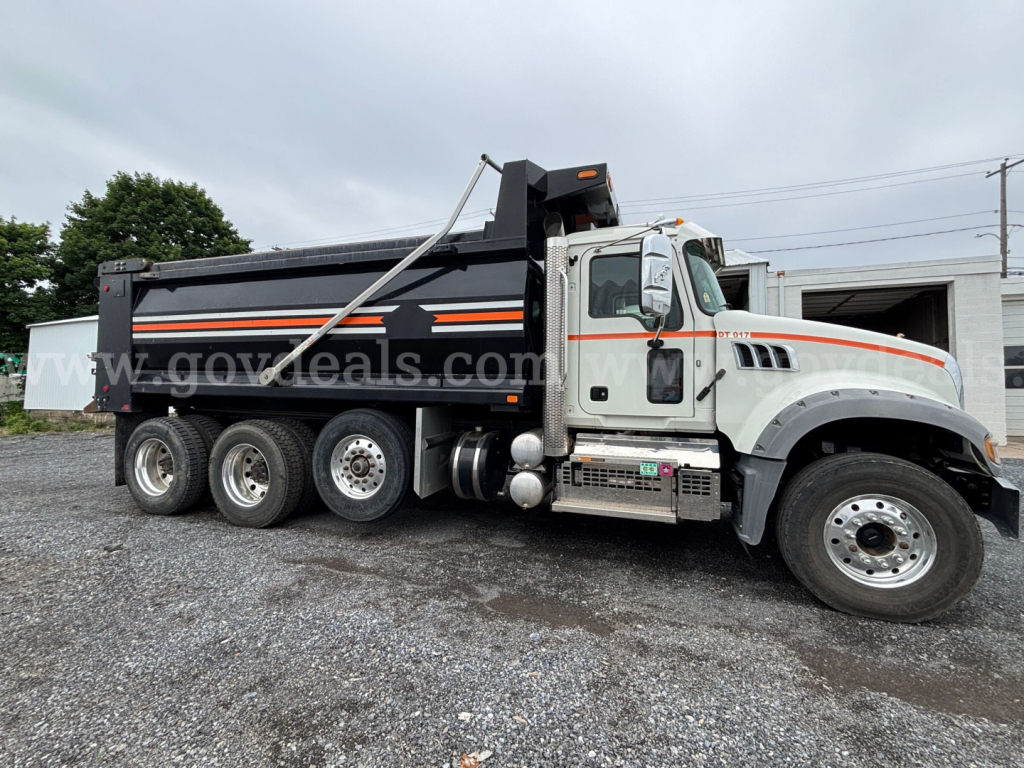
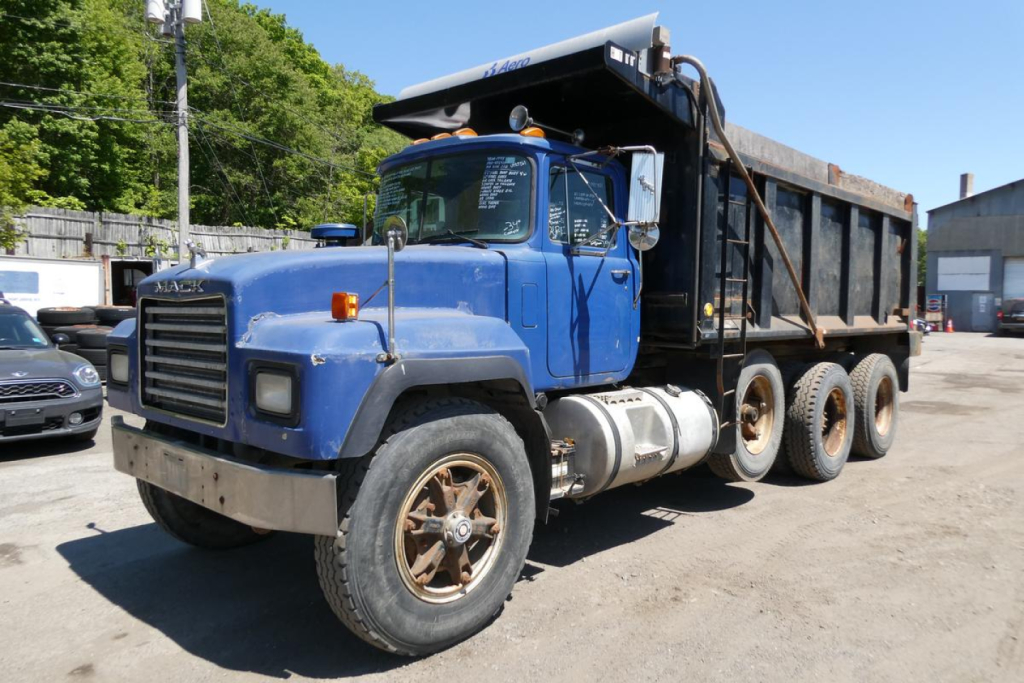
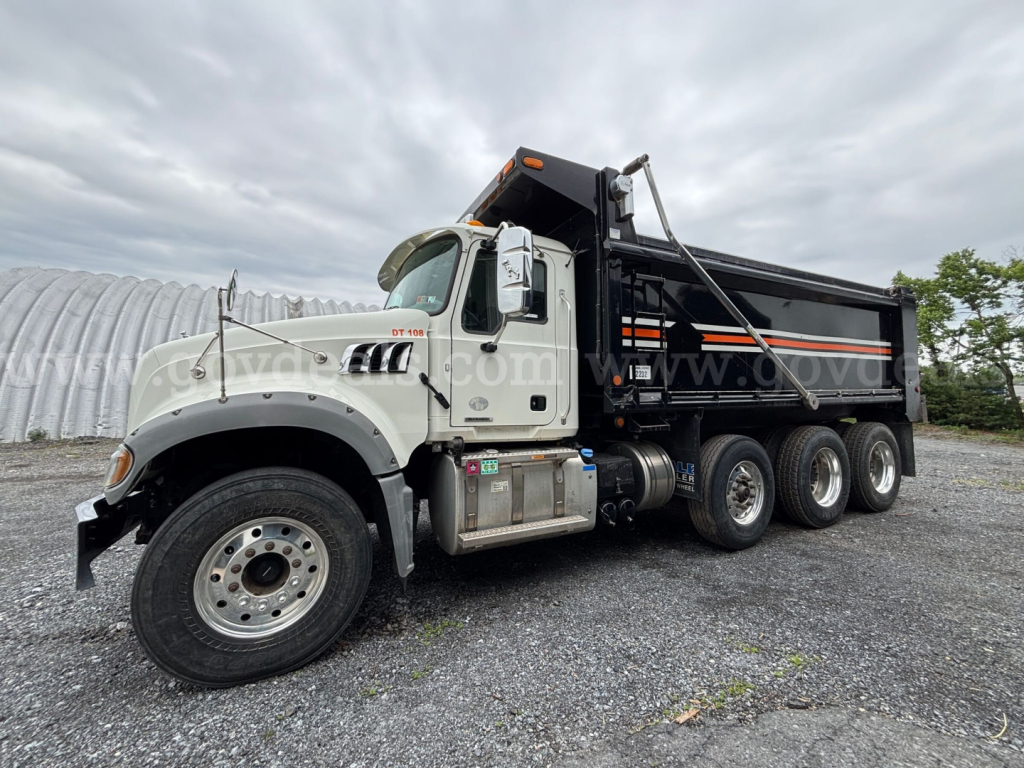
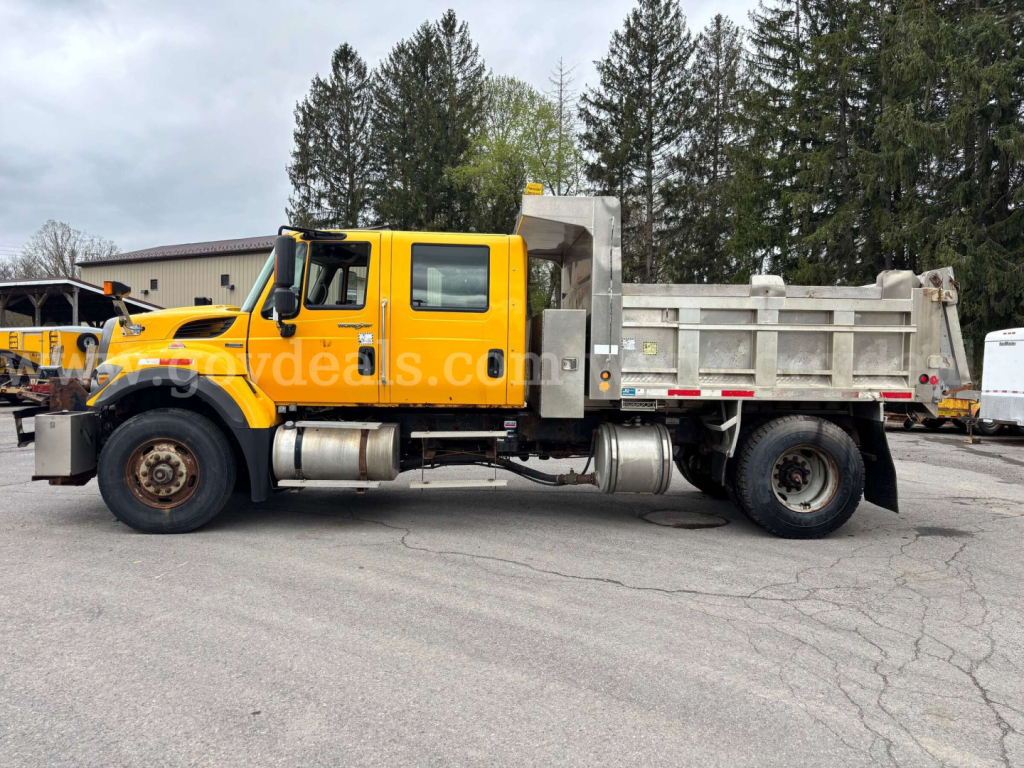
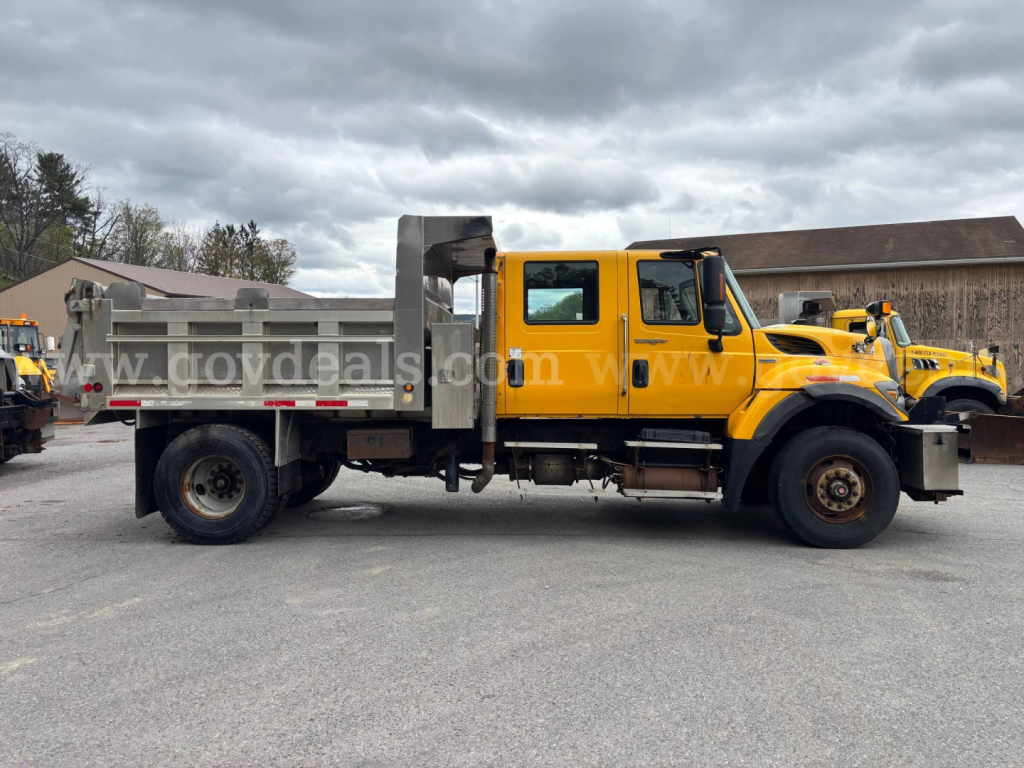
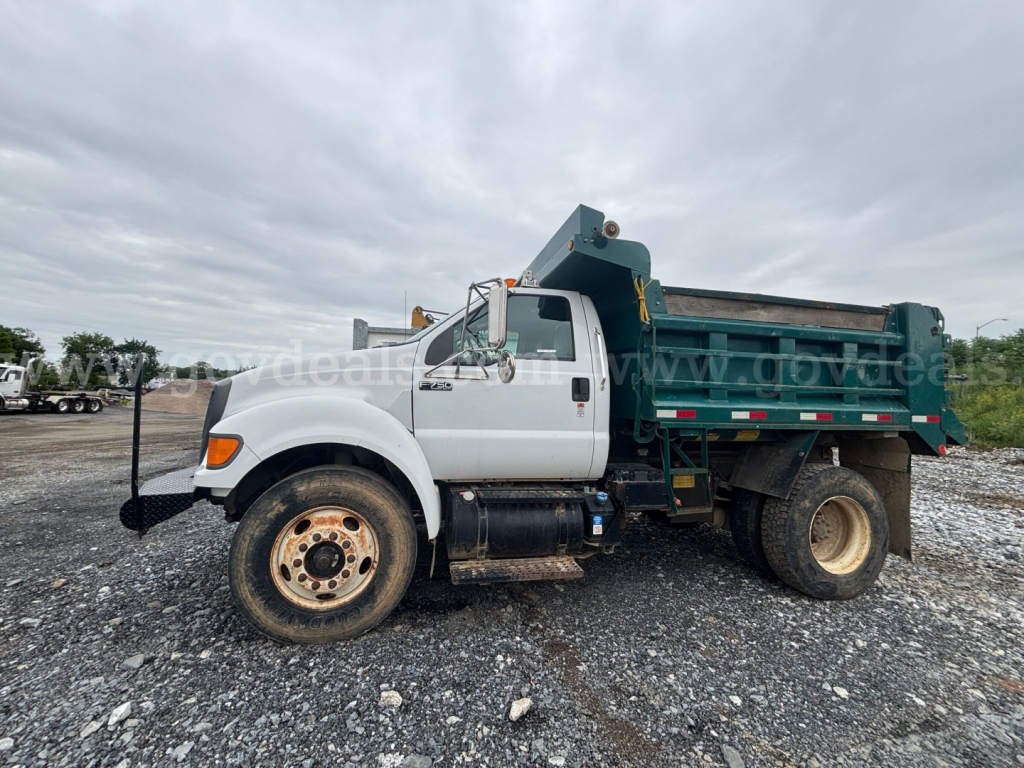
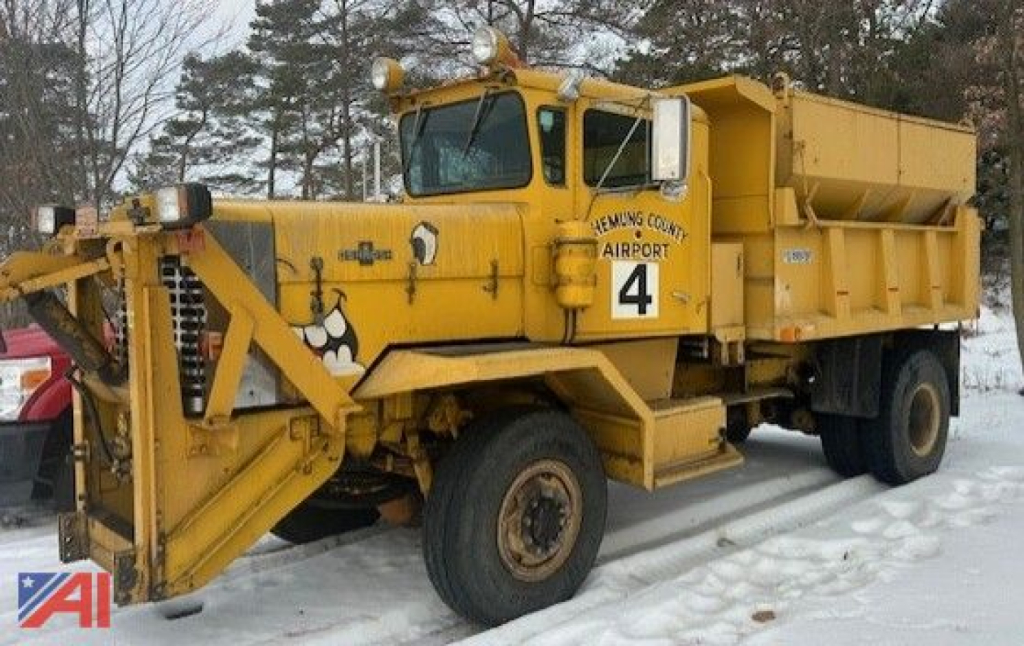
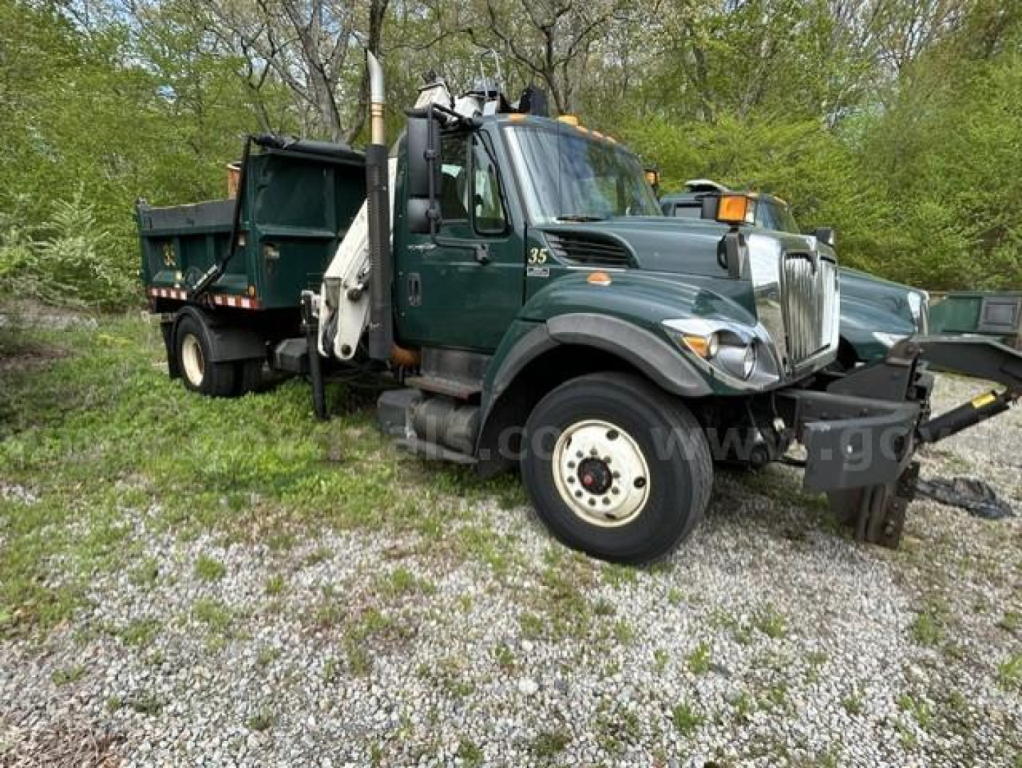
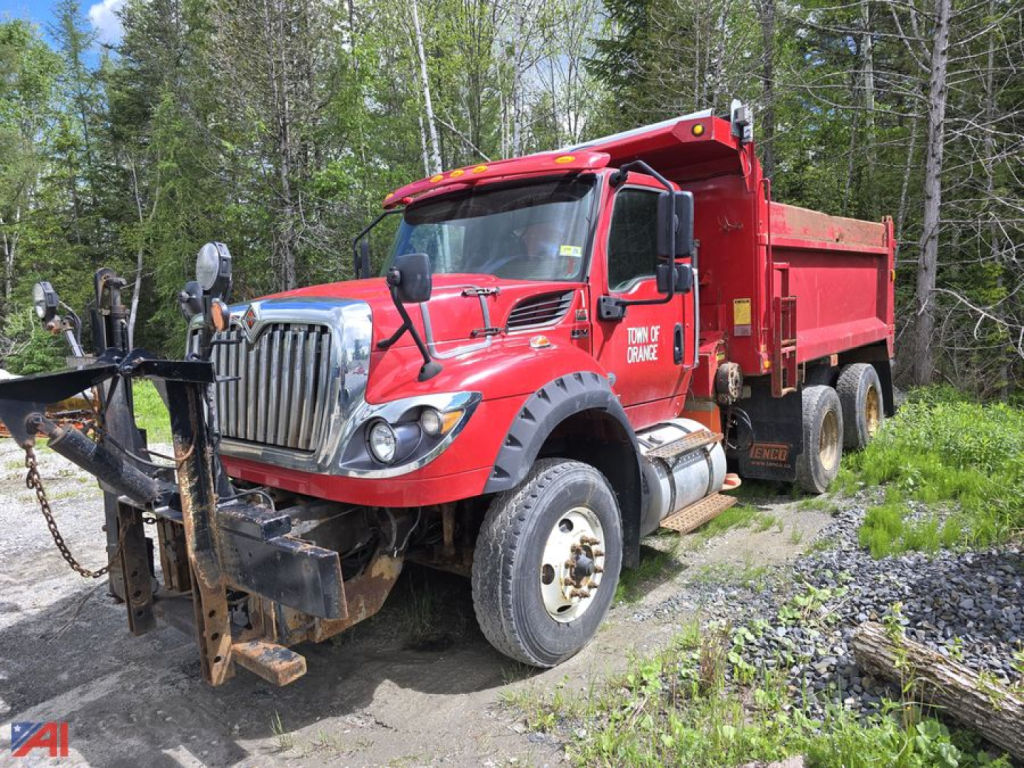
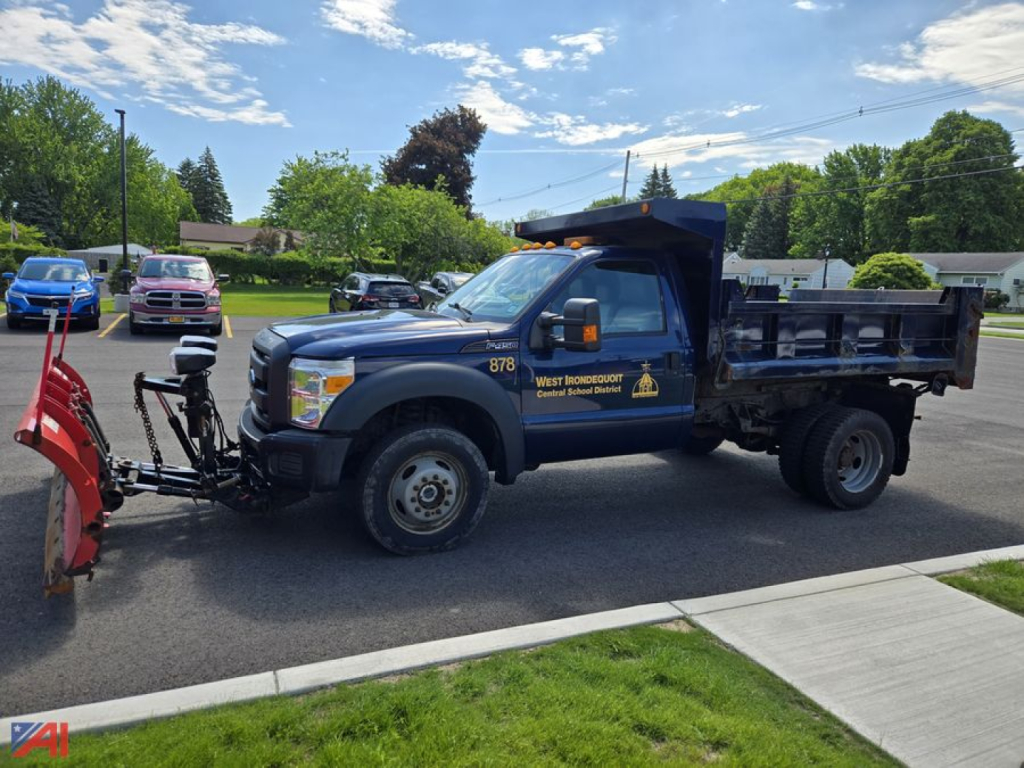
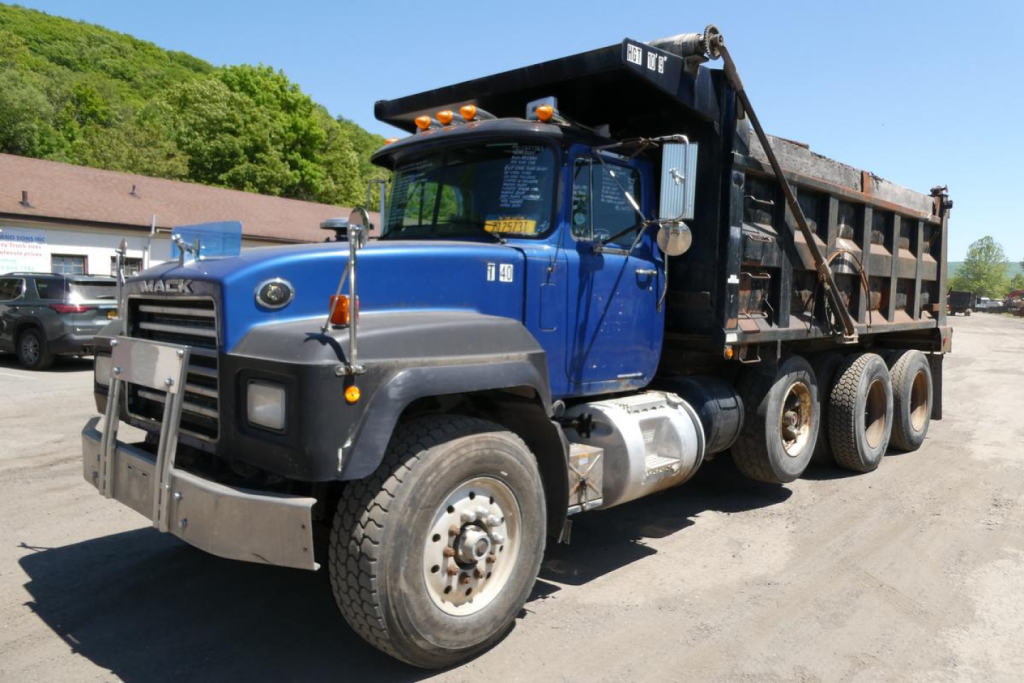
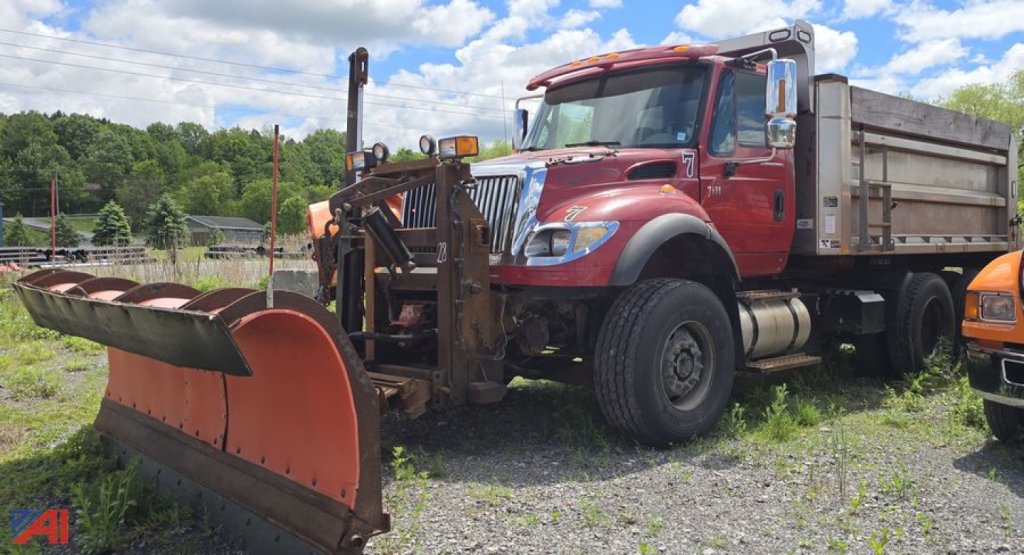
Showing 1 to 12 of 335 results
Have dump truck to sell? List it here to reach thousands of buyers.
About Dump Trucks in Indiana
Body spec matters as much as the chassis. Dump bodies are commonly steel for abrasive material like riprap, broken concrete, and demolition debris, while lighter aluminum bodies can make sense where payload is the priority and the material is less punishing. Buyers should look closely at body length, side height, floor thickness, tailgate style, and hoist type. Underbody hoists are common on smaller and medium-duty units, while telescopic front-mounted hoists are typical on heavier trucks that cycle dense loads. Features like asphalt tarps, electric or air-operated tailgates, vibrator systems, pintle hitches, wet kits, and backup cameras can change how useful a truck is day to day. For Indiana operations, it is also common to see dump trucks set up with front plows, wing plows, and salt spreader or sander provisions for winter municipal and contractor work.
Truck class and axle ratings should be checked against the routes and payloads you expect to run. Medium-duty dump trucks such as an International 4700 are often used by municipalities, landscapers, utility contractors, and smaller excavation crews. Heavier vocational models are better suited to sustained off-road use, paving support, and higher-volume hauling. Suspension type, wheelbase, axle ratio, locking differentials, and tire size all affect jobsite traction, bridge law compliance, and ride quality under load. Buyers should also inspect frame condition, crossmembers, PTO operation, hydraulic lines, cylinder seals, and signs of hard use around the body mounts and hinge area. On older dump trucks, rust in the cab, body, and hoist subframe is a major value factor, especially in Midwest states where road salt exposure is common.
A well-matched dump truck should fit the material, the jobsite, and the season. If the truck will double as a snow unit, look for plow hydraulics, lighting provisions, and compatibility with a spreader body or insert. If the truck will spend more time on paving or aggregate work, focus on body durability, hoist cycle speed, and axle capacity. Indiana buyers often balance road travel with rough jobsite access, so reliability, brake condition, steering wear, and hydraulic performance matter more than cosmetic appearance. The best choice is usually the one with a body and chassis spec that supports legal payload, easy loading, and dependable daily cycles without overbuying truck class.
Frequently Asked Questions
What is the difference between a single-axle and tandem-axle dump truck?
A single-axle dump truck typically has one drive axle and is favored for lighter payloads, tighter turning radius, and easier operation on city streets or smaller jobsites. A tandem-axle dump truck has two rear drive axles, which increases gross vehicle weight capacity, improves traction, and makes it better suited for hauling stone, dirt, asphalt, and demolition material. The right choice depends on legal weight limits, average haul distance, and how much maneuverability the work requires.
What dump body material is best: steel or aluminum?
Steel dump bodies are generally preferred for abrasive, high-impact materials such as gravel, riprap, broken concrete, and mixed demolition debris because they resist denting and wear better. Aluminum bodies reduce empty weight and can improve payload, but they are usually a better fit for less abusive applications. Buyers should match body material to the commodity, not just the scale ticket, because repair costs and long-term durability often outweigh a small payload advantage.
What should I inspect on a used dump truck before buying?
Focus on the hydraulic and structural components first. Check PTO engagement, hoist function, cylinder condition, hydraulic leaks, body hinge wear, tailgate operation, frame corrosion, and cracking around body mounts or crossmembers. Then inspect suspension, brakes, steering play, driveline condition, tire wear, and evidence of overload use. In Indiana, rust is a major issue on older vocational trucks, so cab corners, floors, dump body sills, and the hoist subframe deserve close attention.
Are automatic transmissions common in dump trucks?
Yes, especially in medium-duty and municipal dump trucks. Automatic transmissions are common where the truck makes frequent stops, runs plow routes, or is operated by multiple drivers with varying experience levels. Manual transmissions are still common in older and heavier vocational units, and some buyers prefer them for control and service familiarity. Transmission choice should match the route, driver pool, and how much stop-and-go work the truck will see.
Can a dump truck also be used for snow plowing and salt spreading?
Many dump trucks are configured for year-round municipal or contractor use. It is common to see front plow mounts, hydraulic controls, lighting packages, and setup for a salt spreader, sander, or combination dump-spreader body. If winter use is part of the plan, verify the truck has the correct hydraulic capacity, electrical connections, and mounting provisions rather than assuming it can be converted easily.