
Crane Trucks For Sale in New York
Compare crane trucks for sale in New York, including boom and knuckle boom models for utility, construction, delivery, and lifting work.
Learn moreNo exact matches found for your search
Showing Crane Trucks instead.

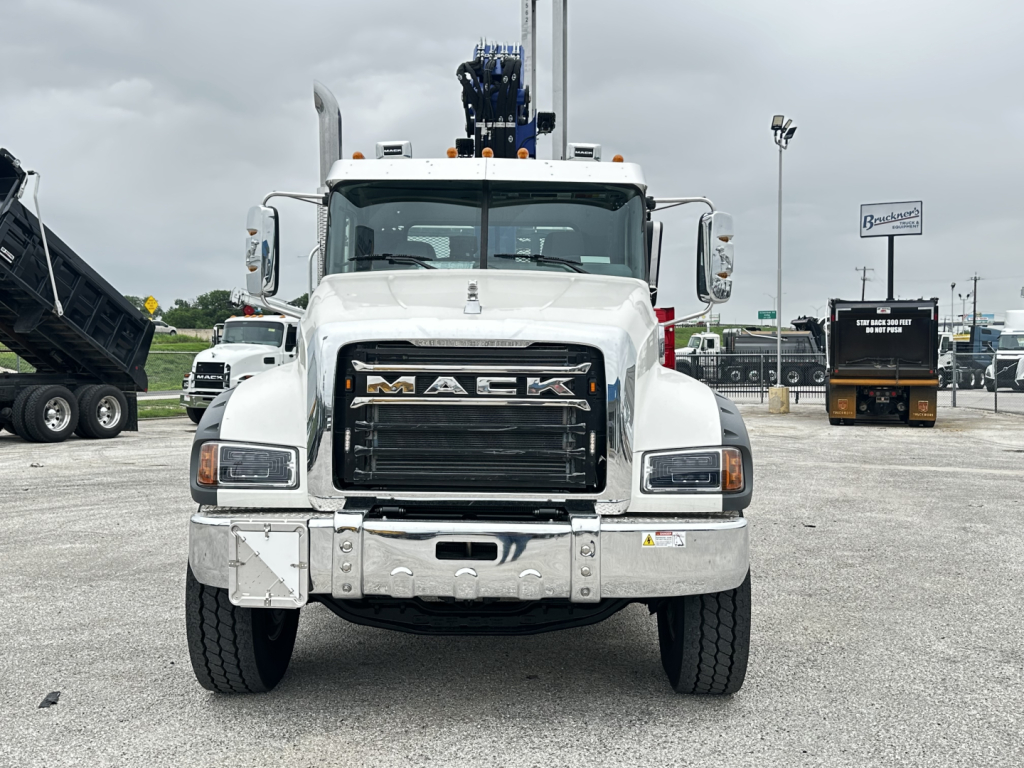
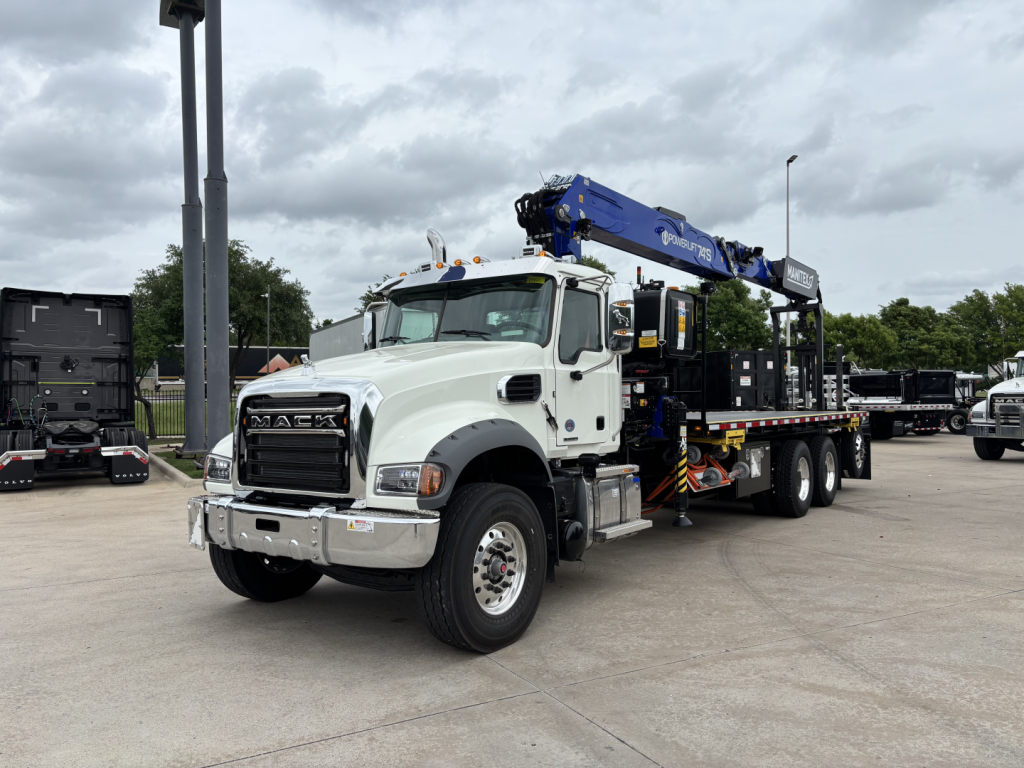
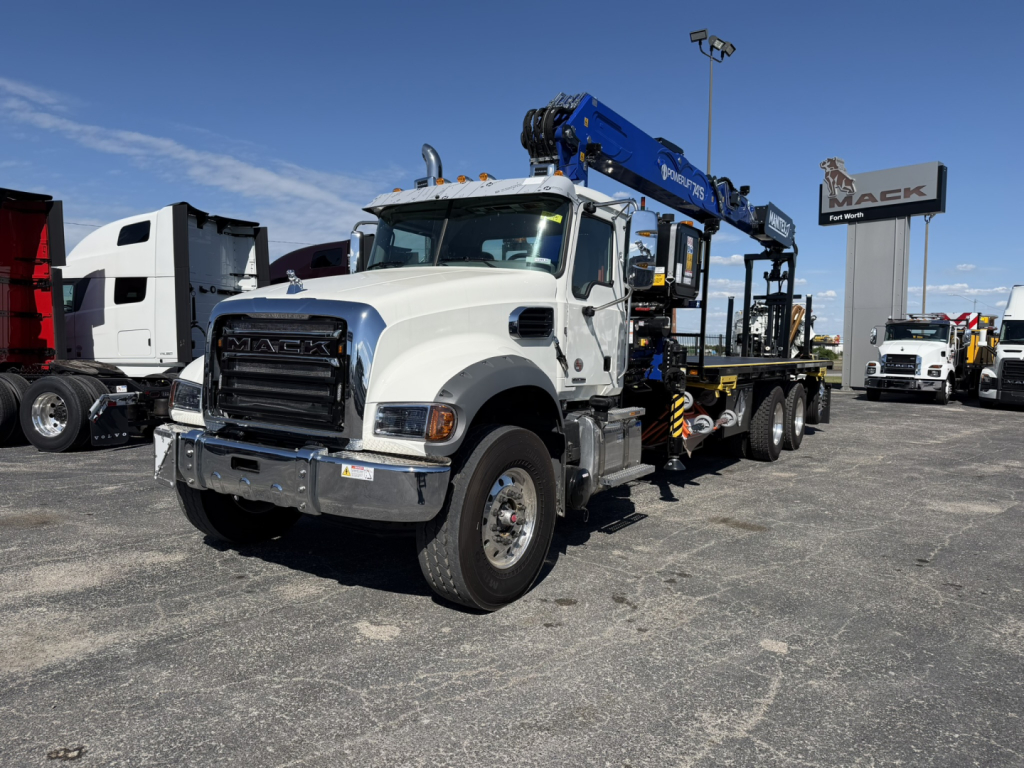
Showing 13 to 23 of 23 results
Have crane truck to sell? List it here to reach thousands of buyers.
About Crane Trucks in New York
The truck itself matters as much as the crane. Buyers should look at GVWR, axle ratings, frame reinforcement, wheelbase, and body layout before focusing only on lift capacity. A crane truck that handles heavy picks well still has to carry the body, outriggers, subframe, and payload without compromising stability or legal roadability. Common spec points include crane rating in ton-feet, maximum horizontal reach, hydraulic outrigger spread, PTO setup, and whether the unit has a flatbed, stake body, mechanics body, or material handling deck. If the work involves rooftop units, rebar, generators, palletized masonry, or bundles of framing lumber, deck length and tie-down layout are just as important as crane reach.
For New York buyers, operating environment is a major factor. Tight streets, overhead utility congestion, bridge clearance concerns, and seasonal corrosion exposure all affect the right spec. Knuckle boom crane trucks are often preferred where maneuverability and compact stowing dimensions matter, while heavier straight boom setups may fit more open commercial and infrastructure work. It is also smart to evaluate outrigger deployment needs, ground bearing pressure, and any restrictions tied to city delivery zones or local permit requirements. If winter use is expected, pay close attention to hydraulic condition, rust around outriggers and body mounts, and the overall health of the electrical system.
A good crane truck is not defined by crane size alone. The best fit comes from matching lifting chart performance, chassis durability, body configuration, and jobsite access requirements. Buyers comparing listings should pay close attention to crane manufacturer support, inspection history, cable or hydraulic wear points, remote control setup, and signs of frame stress around the mount area. On used units, service records, annual crane inspections, and evidence of proper stabilization practices can tell you as much as the published specs.
Frequently Asked Questions
What is the difference between a knuckle boom crane truck and a straight boom crane truck?
A knuckle boom crane truck uses an articulating boom with multiple pivot points, which allows the operator to fold the crane compactly and place loads precisely in confined areas. A straight boom crane truck uses a telescopic or fixed boom design that often provides simpler lifting geometry and strong reach in more open work zones. The better choice depends on the job. Tight urban deliveries, material placement behind obstacles, and compact storage usually favor a knuckle boom. Open-site lifting and more straightforward pick-and-carry style tasks often favor a straight boom.
What specs matter most when comparing crane trucks for sale?
The key specs are crane capacity, rated in ton-feet or by lifting chart, maximum horizontal reach, vertical reach, body length, outrigger spread, and the chassis GVWR and axle ratings. Buyers should also review the subframe design, PTO and hydraulic system, deck payload, and how the crane weight affects usable cargo capacity. A truck with a large crane can lose practical value if the body is too short, the payload is too limited, or the axle ratings do not match the intended work.
Are crane trucks a good fit for New York job conditions?
Crane trucks are often a strong fit for New York because they combine transport and lifting in one unit, which helps on jobs where access, traffic, and setup time are constant issues. In dense urban areas, compact crane configurations and careful outrigger planning are especially important. Buyers should consider bridge and height restrictions, limited curb space, and corrosion from winter road treatment. Equipment that works well in suburban delivery yards may need a different crane profile and body layout for city routes and tighter jobsites.
What should I inspect on a used crane truck?
Start with the crane inspection history, load chart, and any records of annual certification or service. Then check the hydraulic system for leaks, cylinder condition, hose wear, and smooth operation under load. Inspect outriggers, pads, frame mounts, weld areas, and the truck frame for rust, cracking, or signs of overloading. On cable-equipped cranes, evaluate sheaves, winch condition, and cable wear. Also review PTO engagement, remote control function if equipped, and the truck chassis condition, including suspension, brakes, and tire wear.
How do I know if a crane truck has enough capacity for my work?
Capacity should be judged by the crane's lifting chart, not the maximum headline rating alone. A crane lifts less as the load moves farther from the center of rotation, so horizontal reach is just as important as the weight being picked. Buyers should compare their common load weights, pick radius, lift height, and the truck's stabilizer setup against the published chart. If the work includes placing material onto rooftops, into back lots, or over existing structures, required reach and load position usually determine the right crane faster than the advertised peak capacity.