
2027 Volvo Conventional Sleeper Trucks For Sale
Shop 2027 Volvo conventional sleeper trucks, including VNL sleepers built for long-haul comfort, fuel efficiency, safety, and fleet uptime.
Learn more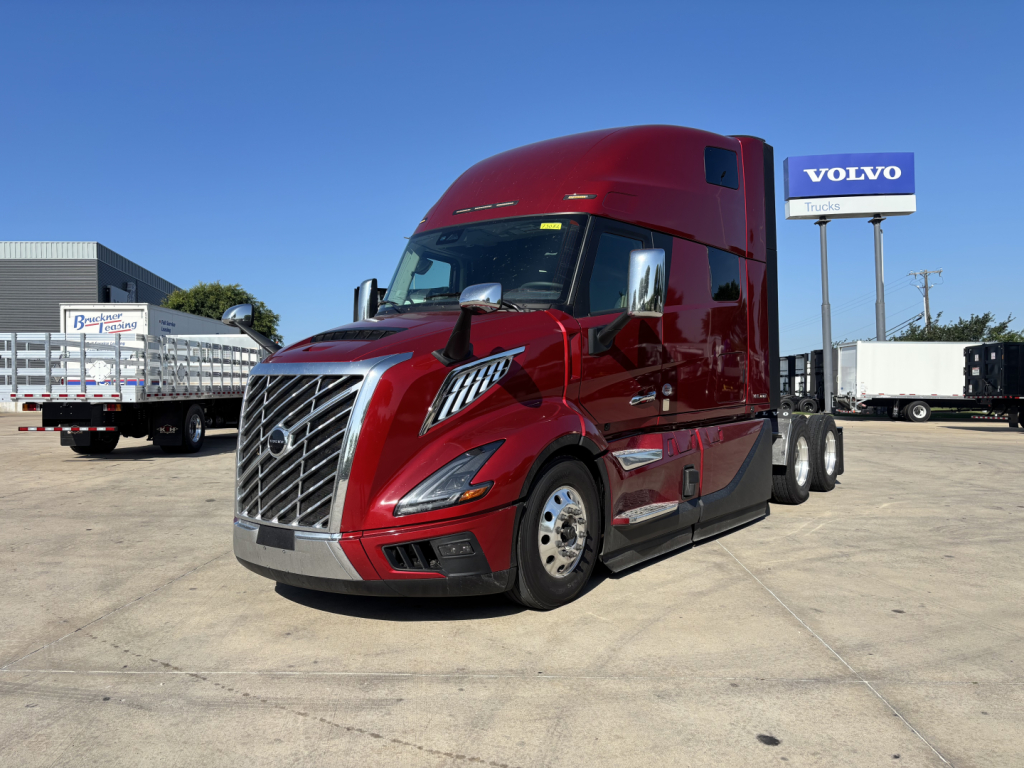

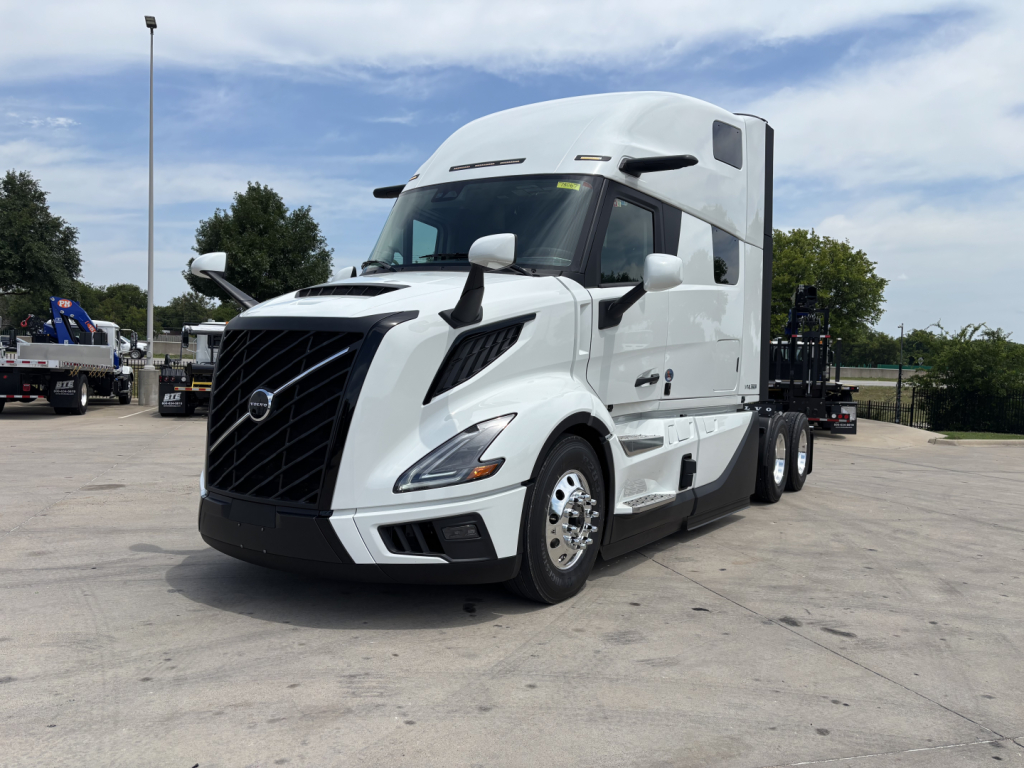
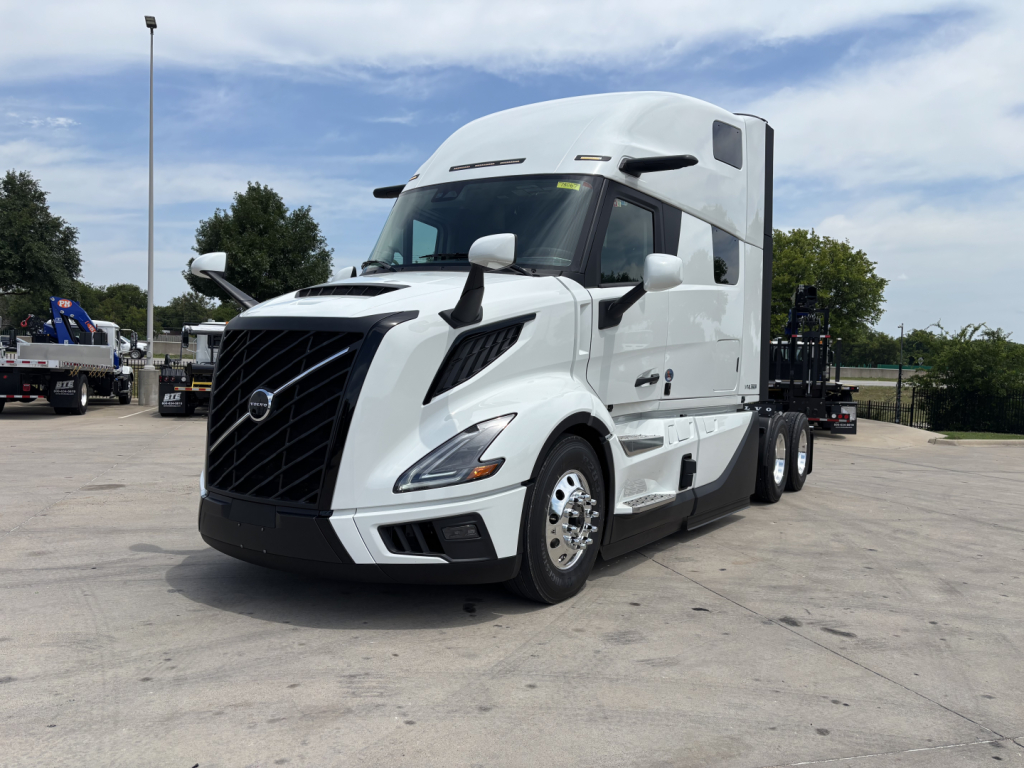
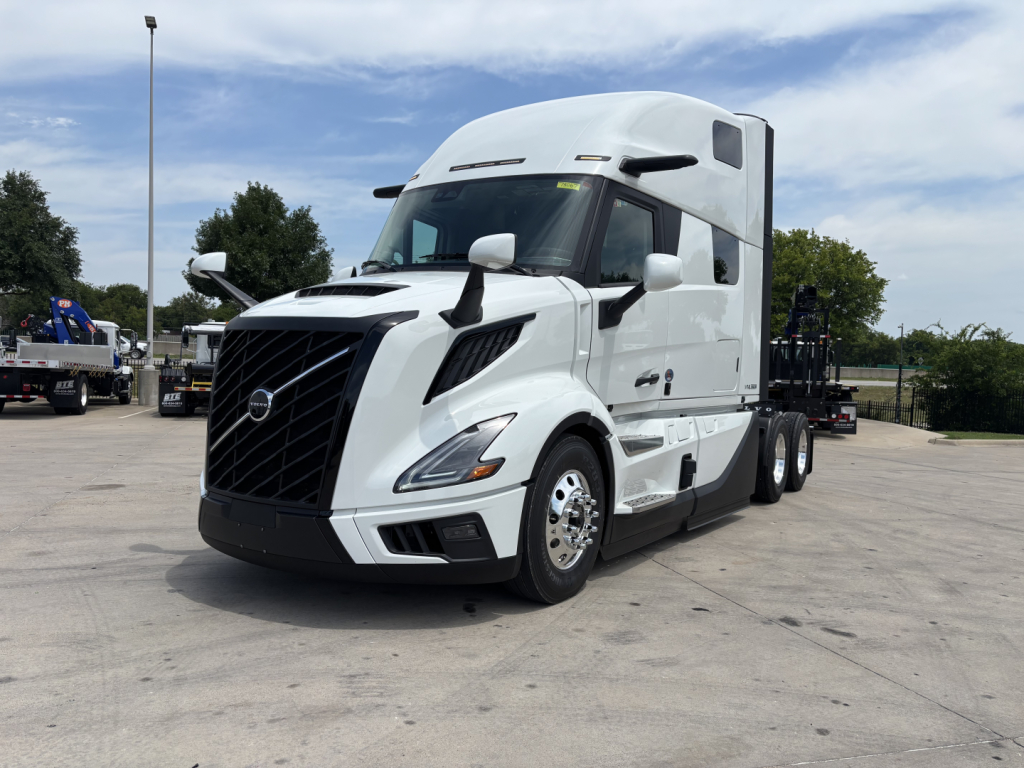
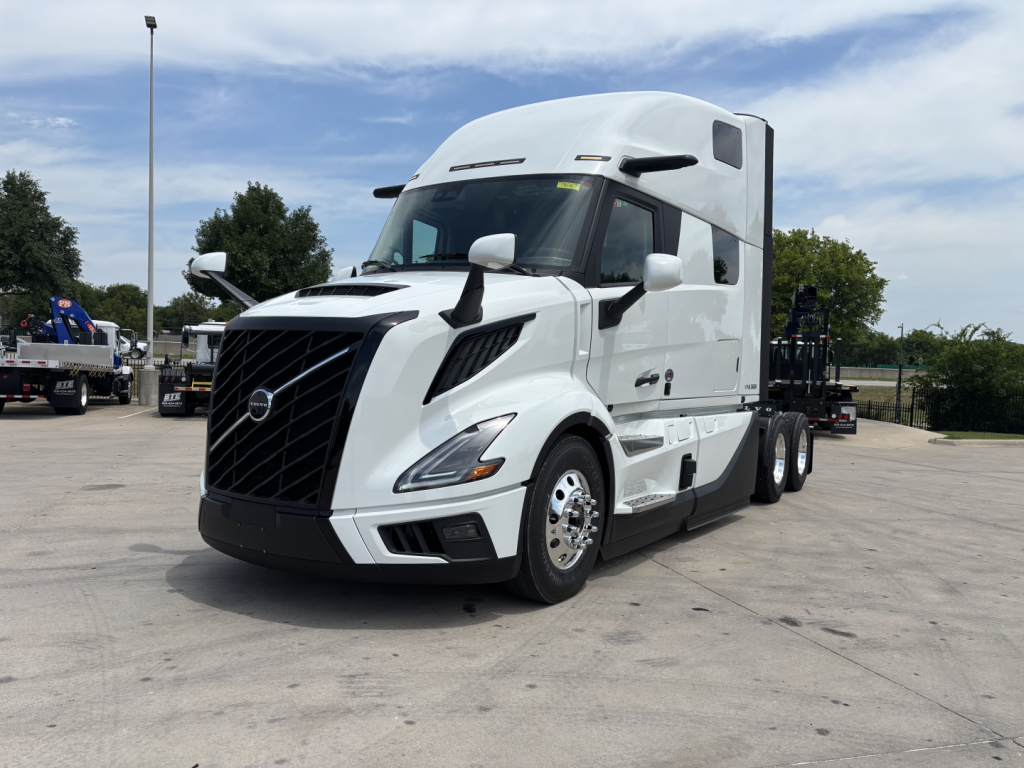
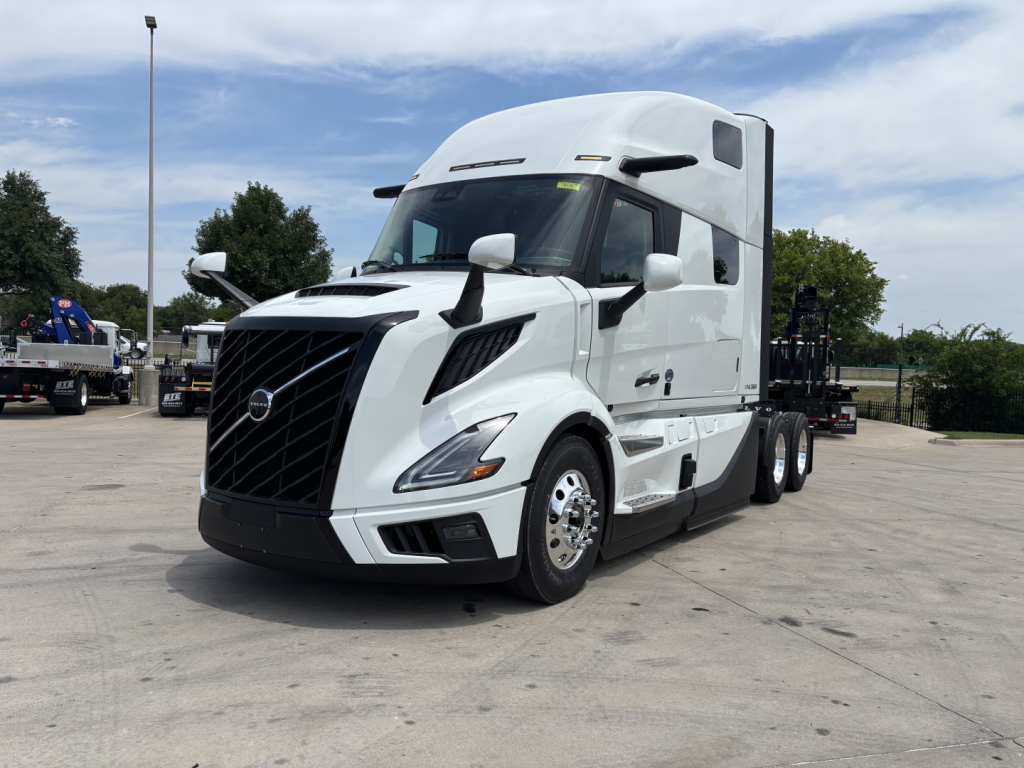
Showing 121 to 132 of 166 results
Have 2027 volvo conventional sleeper truck to sell? List it here to reach thousands of buyers.
About 2027 Volvo Conventional Sleeper Trucks
The first buying decision is usually sleeper size and chassis layout. Most buyers in this category focus on a tandem axle 6x4 tractor with a raised-roof sleeper, common wheelbase options, and a GCWR matched to van, reefer, or general freight work. Volvo sleepers are often spec'd with the D13 engine, automated I-Shift transmission, and integrated powertrain controls that help keep the truck in the fuel-efficient operating range. For linehaul use, key spec points include rear axle ratio, horsepower and torque rating, fuel tank capacity, fifth wheel setup, and whether the truck is optimized for 53-foot dry van or refrigerated trailer service. If the operation runs heavier freight or mountainous lanes, the engine rating and axle spec deserve extra attention.
Cab environment is a major reason buyers gravitate to Volvo sleeper models. The VNL series has a strong reputation for a quiet interior, driver-focused dash layout, strong visibility, and sleeper accommodations that support team or solo operations. Depending on configuration, buyers may see premium features such as larger bunks, workstation space, refrigerator prep, inverter packages, bunk heaters, and advanced idle reduction setups. Safety and driver-assist technology are also central to the category, with many modern specs including collision mitigation, adaptive cruise, lane departure warning, and integrated telematics. For fleets managing total cost of ownership, these features can support retention, lower fatigue, and help reduce preventable incident exposure.
A smart comparison between 2027 Volvo conventional sleepers should go beyond model name alone. Look at the exact sleeper dimensions, suspension type, wheelbase, fuel capacity, fairing package, tire size, and maintenance coverage. Confirm emissions and software support, review service network access in your operating region, and check how the truck is spec'd for your trailers, payloads, and average trip length. The right Volvo sleeper should fit the lane, the driver, and the maintenance plan just as well as it fits the load.
Frequently Asked Questions
What is a Volvo conventional sleeper truck used for?
A Volvo conventional sleeper truck is primarily used for long-haul and regional freight where the driver needs a dedicated sleeping area built into the cab. These trucks are common in dry van, reefer, and general freight operations because they combine aerodynamic highway performance with enough living space for overnight or multi-day runs. The conventional hood layout also provides good engine access for service compared with cab-over designs.
What engine and transmission are common in Volvo VNL sleeper trucks?
Many Volvo VNL sleeper trucks are spec'd with the Volvo D13 engine paired with the Volvo I-Shift automated manual transmission. This combination is popular because it is designed to work as an integrated powertrain, helping with fuel economy, shift quality, and drivability. Exact horsepower, torque, and axle ratio should always be matched to the intended freight, terrain, and gross combination weight.
What should buyers compare when shopping for a conventional sleeper?
The most important items to compare are sleeper size, axle configuration, wheelbase, engine rating, transmission, rear axle ratio, fuel capacity, and fifth wheel position. Buyers should also review suspension type, safety technology, aerodynamic package, and interior amenities that affect driver comfort on long trips. A truck that looks similar on paper can perform very differently depending on how it is spec'd.
Is a Volvo sleeper a good choice for fleet fuel economy and driver retention?
Volvo sleeper tractors are often chosen by fleets because they put strong emphasis on aerodynamics, integrated powertrain controls, and a driver-friendly cab. Fuel economy depends on the exact spec and duty cycle, but the VNL platform is widely recognized as a competitive long-haul tractor. Driver comfort features such as a quiet cab, supportive seating, and a practical sleeper layout can also help with retention in over-the-road operations.
How do I choose the right sleeper size for my operation?
Sleeper size should match trip length, driver schedule, and the level of onboard amenities needed. Solo regional operations may not need the same bunk space or storage as a long-haul team application. Larger sleepers add comfort and living space, but they can also affect wheelbase, weight, and maneuverability, so the best choice depends on the balance between operational efficiency and driver needs.