
Kenworth Conventional Sleeper Trucks For Sale in California
Shop Kenworth conventional sleeper trucks for long-haul freight, with T680 specs, sleeper options, powertrain choices, and California buying tips.
Learn more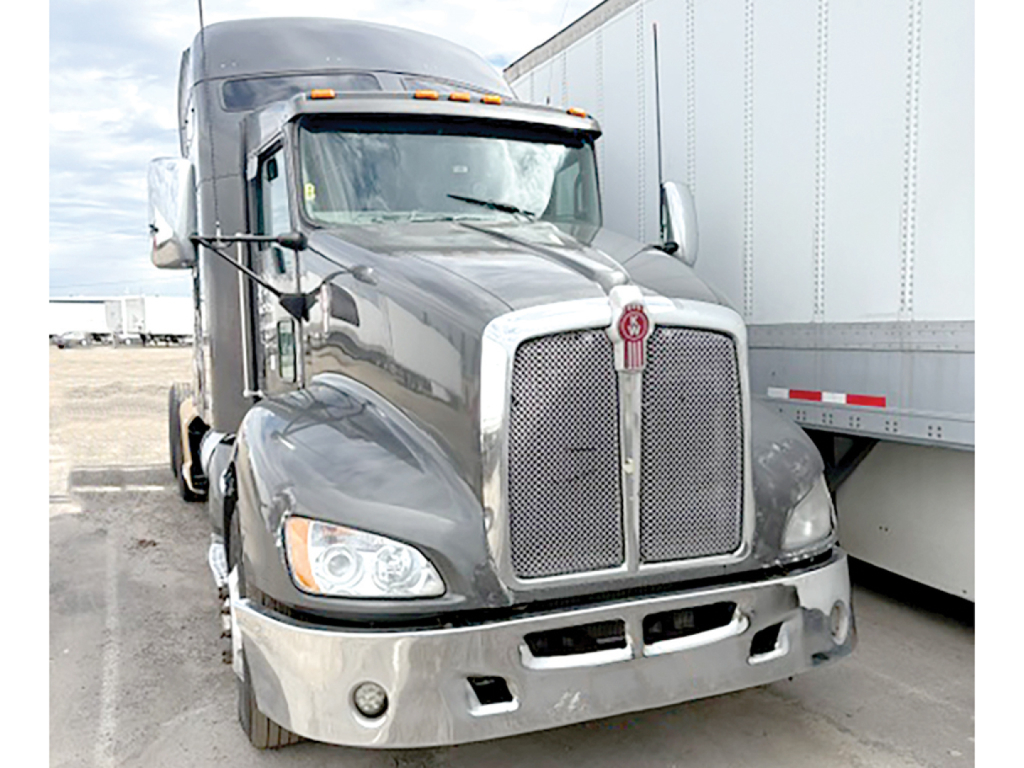

2020 Kenworth T-680
2020 Kenworth T-680
2020 Kenworth T-680
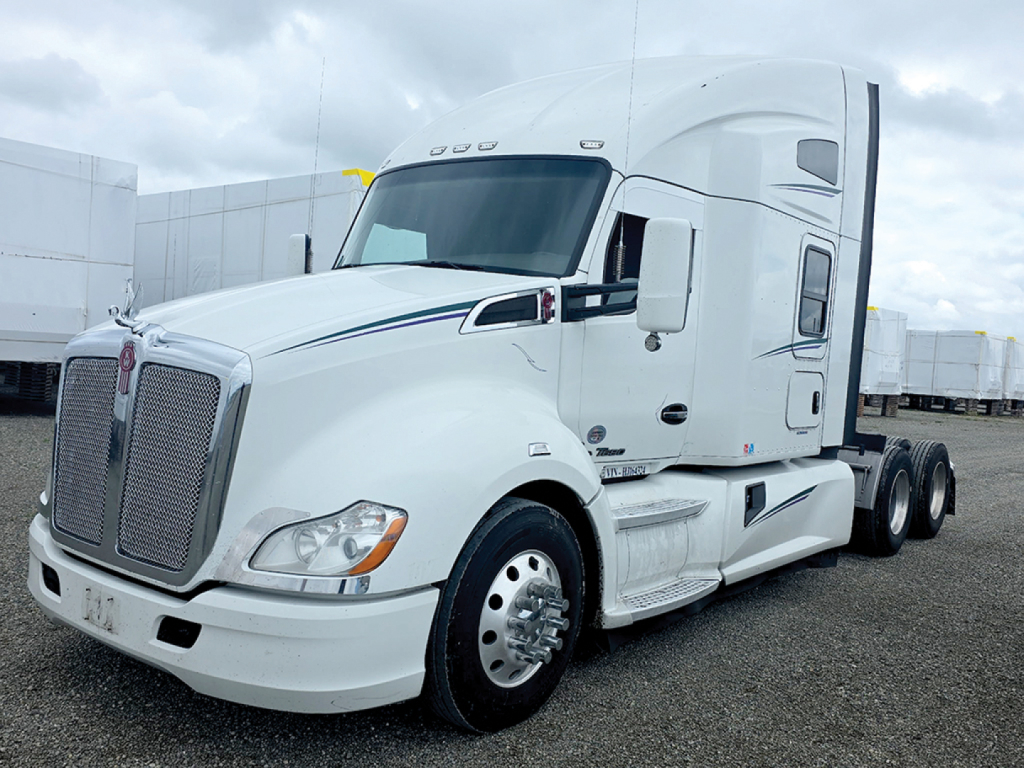
2017 Kenworth T-680
2021 Kenworth T-680
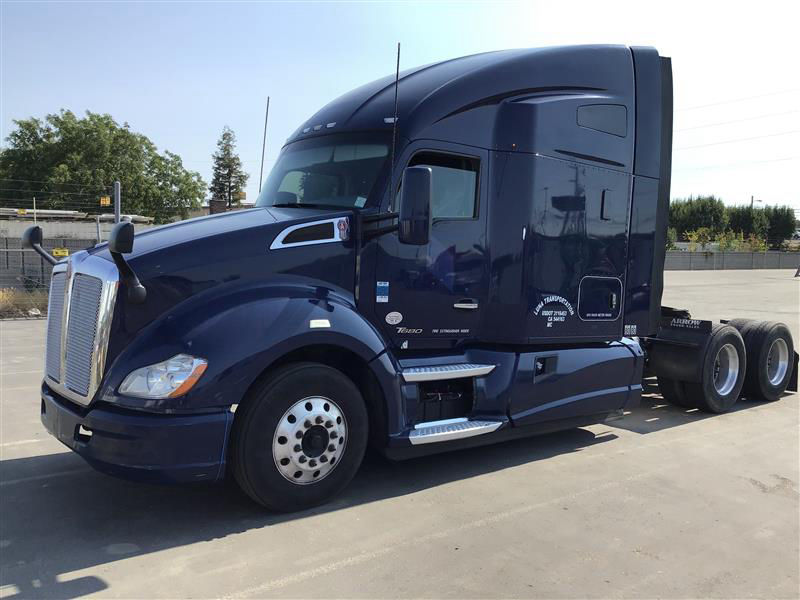
2021 Kenworth T-680
2021 Kenworth T-680
Have kenworth conventional sleeper truck to sell? List it here to reach thousands of buyers.
About Kenworth Conventional Sleeper Trucks in California
Powertrain choice is usually the first major filter. Many Kenworth conventional sleepers are spec'd with Cummins ISX or X15 engines in the 425 to 500 horsepower range, paired with 10-speed, 12-speed, or automated transmissions. Rear axle ratings around 40,000 pounds are common, and highway gearing such as 2.85 or similar fuel-economy-oriented ratios is typical on trucks built for dry van and reefer lanes. Buyers should match ratio, transmission, and horsepower to average gross weight and terrain. A truck that spends most of its time on California corridors and western interstate runs may be spec'd differently than one pulling heavy freight through mountain grades on a daily basis. Engine brake performance, cooling system condition, emissions history, and suspension type deserve close attention on any used sleeper.
Cab and chassis details can make a meaningful difference in day-to-day operation. Air ride suspension, air slide fifth wheels, dual aluminum fuel tanks, low-profile 22.5 tires, and aluminum wheels are all common on this category. On Kenworth sleepers, buyers also tend to look for practical driver features such as bunk heaters, quality interior trim packages, tilt and telescoping steering, cruise control, and good storage layout. Exterior equipment like side fairings, cab extenders, quarter fenders, and deer guards may add value depending on route and operating style. If the truck will be assigned to team operation or extended trips, sleeper condition, HVAC performance, bunk configuration, and noise insulation should be evaluated just as closely as engine and driveline specs.
California buyers should also pay attention to emissions compliance, idle management needs, and overall maintenance records. A conventional sleeper truck can look strong on paper, but the best value usually comes from a spec that fits the lane, trailer type, and expected annual miles. Kenworth has long been a preferred name in the sleeper market because the trucks generally offer a driver-friendly cab, solid parts support, and configurations that work well for van, reefer, and general freight applications. When comparing listings, focus on sleeper size, roof profile, axle ratio, engine family, transmission type, wheelbase, and maintenance documentation before weighing cosmetic upgrades.
Frequently Asked Questions
What is the most common Kenworth conventional sleeper model for long-haul freight?
The Kenworth T680 is one of the most common conventional sleeper models in long-haul service because it combines aerodynamic design, a roomy raised-roof or high-roof sleeper, and widely used Cummins power options. It is commonly spec'd for van and reefer work, with highway-friendly axle ratios, air ride suspension, and sleeper layouts suited for solo or team operation.
What horsepower range is typical for a Kenworth conventional sleeper?
A typical Kenworth conventional sleeper is often equipped in the 425 to 500 horsepower range, most commonly with Cummins ISX or X15 engines. The right horsepower depends on gross weight, terrain, and average trip length. Lower horsepower can work well for lighter, flatland highway operations, while higher horsepower is often preferred for heavier freight or regular mountain routes.
What sleeper size is common on Kenworth T680 trucks?
A 76-inch sleeper is a very common configuration on Kenworth T680 conventional sleeper trucks. This size usually provides enough room for a bunk area, storage cabinets, and a more livable interior for over-the-road use. Buyers should also check roof height, upper bunk configuration, and interior package because two trucks with the same sleeper length can feel very different in actual use.
What should buyers inspect on a used Kenworth sleeper truck in California?
California buyers should inspect emissions system history, engine hours, cooling system condition, transmission operation, suspension wear, and complete maintenance records. It is also important to verify axle ratio, wheelbase, and fifth wheel setup against the intended trailer and freight. Sleeper HVAC performance, bunk heater operation, and fairing condition matter as well, especially on trucks that will stay in long-distance service.
Are Kenworth conventional sleepers good for reefer and dry van work?
Kenworth conventional sleeper trucks are well suited for reefer and dry van operations because they are commonly spec'd for highway efficiency, driver comfort, and all-day road use. Aerodynamic bodywork, large fuel capacity, sleeper storage, and highway gearing make them a practical fit for time-sensitive freight, regional distribution, and cross-country lanes.