
Used International Conventional Sleeper Trucks For Sale in Florida
Shop used International conventional sleeper trucks in Florida. Compare LT sleepers, Cummins power, roof heights, wheelbases, and spec options.
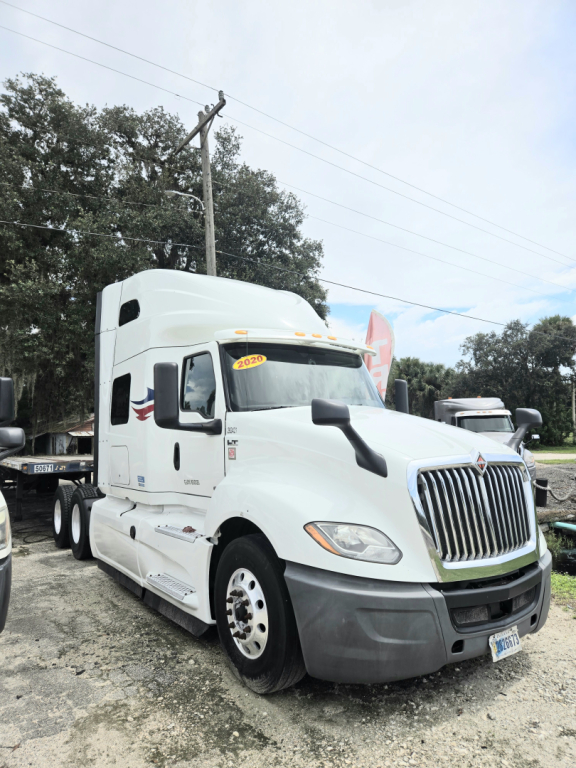
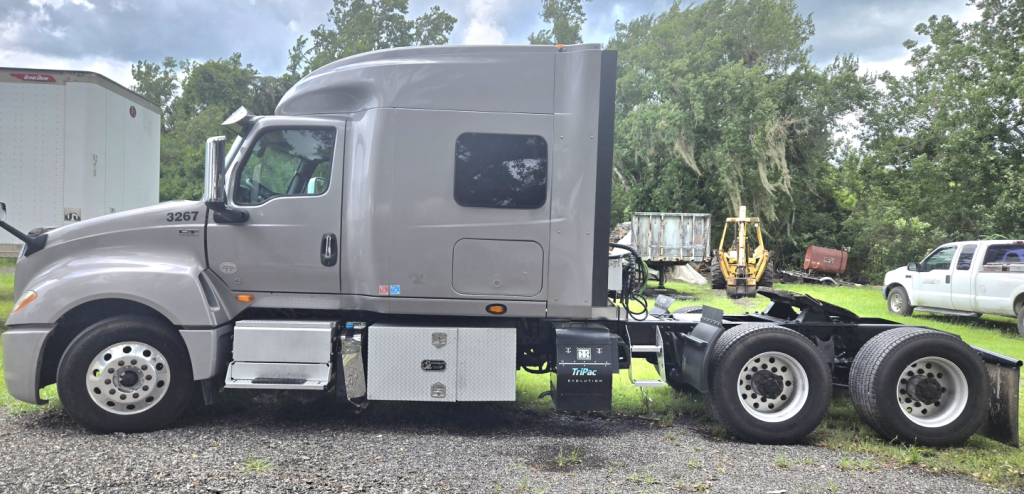
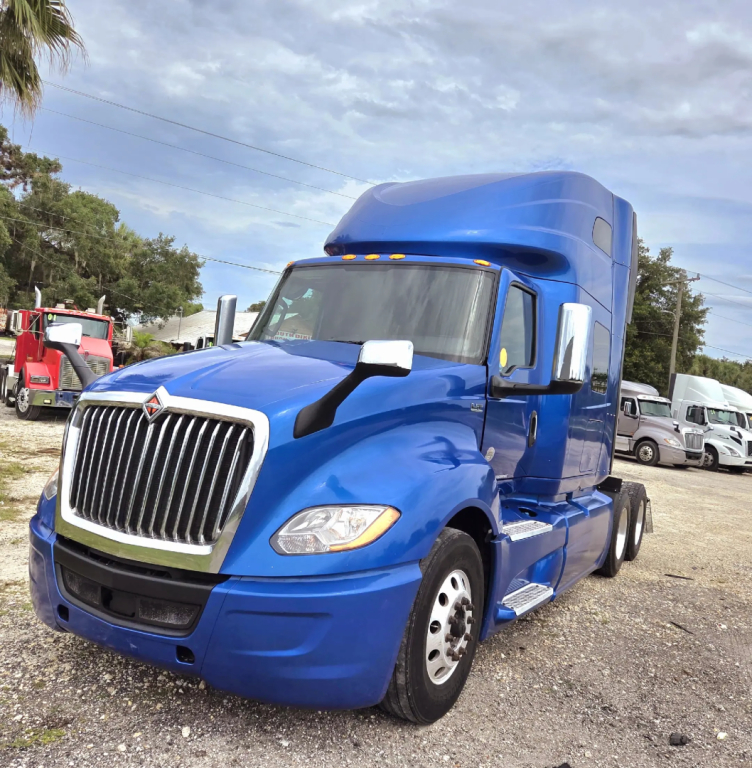
Have used international conventional sleeper truck to sell? List it here to reach thousands of buyers.
Used International Conventional Sleeper Trucks in Florida
The sleeper setup matters as much as the engine. A mid-roof International sleeper is often favored for weight-sensitive lanes, day-cab-to-sleeper fleet consistency, and operations that do not need the tallest interior. Larger sleepers and double-bunk layouts make more sense for team service, extended OTR runs, and drivers who spend more nights in the truck. Buyers should compare bunk size, cabinet layout, idle management equipment, inverter prep, and HVAC configuration, along with wheelbase and fuel capacity. In Florida, where trucks may move between port work, regional van freight, and longer Southeast runs, the right sleeper spec depends on how often the truck leaves the state and how many nights per week it stays out.
On the chassis side, focus on rear axle ratio, suspension rating, fifth wheel position, and tire size before looking only at mileage. International sleepers are commonly spec'd as 6x4 highway tractors with air ride suspension, tandem rear axles, and aerodynamic fairings. For dry van, reefer, and general freight, a 450 hp class engine with a direct or overdrive transmission is a common sweet spot. If the truck will pull heavier freight or spend more time in rolling terrain outside Florida, check torque rating, GCWR, and cooling package specs. Interior wear, emissions history, aftertreatment maintenance, and software calibration updates are also important on used late-model diesels.
A good used International conventional sleeper should be evaluated like a revenue asset, not just a cab and engine package. Review service records, engine hours, idle hours, DPF and SCR history, clutch life on automated transmissions, and signs of uneven tire wear that may point to alignment or suspension issues. It also helps to verify bunk heater or APU operation, roof and door seal condition, and the condition of seats, dash switches, and sleeper controls. International remains a familiar platform in for-hire fleets, and that makes these sleepers relevant for buyers who want mainstream parts support, modern driver comfort, and a highway tractor suited to van, reefer, and general OTR freight.
Frequently Asked Questions about Used International Conventional Sleeper Trucks in Florida
What engine is most common in used International conventional sleeper trucks?
Many late-model International conventional sleeper trucks are equipped with the Cummins X15, often rated around 400 to 450 horsepower for linehaul work. That engine is widely used in fleet specifications because it balances fuel economy, service familiarity, and strong torque for general freight applications. Buyers should still verify the exact horsepower, torque rating, emissions equipment history, and transmission pairing on each truck, because those details affect performance and operating cost more than the badge alone.
What is the difference between a mid-roof and a raised-roof International sleeper?
A mid-roof sleeper typically offers a lower overall cab profile and is often chosen for regional haul, weight-conscious operations, or fleets that want a simpler highway spec. A raised-roof sleeper provides more standing room and usually a better living environment for long trips, team driving, or drivers who stay out for extended periods. The best choice depends on how many nights the truck will be away from home, how much onboard storage is needed, and whether driver retention is a priority in the operation.
Are used International sleeper trucks a good fit for Florida operations?
They can be a strong fit for Florida because they are commonly used in regional and long-haul freight, including dry van, reefer, and port-related lanes that connect the state to the Southeast and beyond. Florida buyers should pay close attention to cooling system condition, A/C performance, corrosion exposure, and the truck's prior duty cycle. A sleeper tractor used mainly on highway freight may present differently than one that spent time in short-haul or stop-and-go service near ports or distribution centers.
What should I inspect first on a used International conventional sleeper?
Start with service documentation, engine and idle hours, fault code history, and emissions system maintenance records. Then inspect tire wear, suspension condition, fifth wheel wear, brake life, and any signs of air leaks or coolant seepage. Inside the cab and sleeper, check bunk components, HVAC controls, power accessories, and general driver-area wear, because those items can reveal how the truck was treated and how much reconditioning it may need before going to work.
Which applications are International conventional sleeper trucks best suited for?
This equipment class is best suited for dry van, reefer, dedicated contract freight, and general over-the-road hauling where aerodynamic design, sleeper comfort, and mainstream serviceability matter. They are also common in regional long-haul operations that require a sleeper but do not necessarily need a premium owner-operator spec. The exact application depends on wheelbase, fuel capacity, axle ratio, and sleeper size, so matching the truck's configuration to the intended route structure is critical.