
International Conventional Sleeper Trucks For Sale in California
Shop International conventional sleeper trucks in California. Compare LT625 specs, sleeper sizes, Cummins power, wheelbase, and fuel-saving options.
Learn more
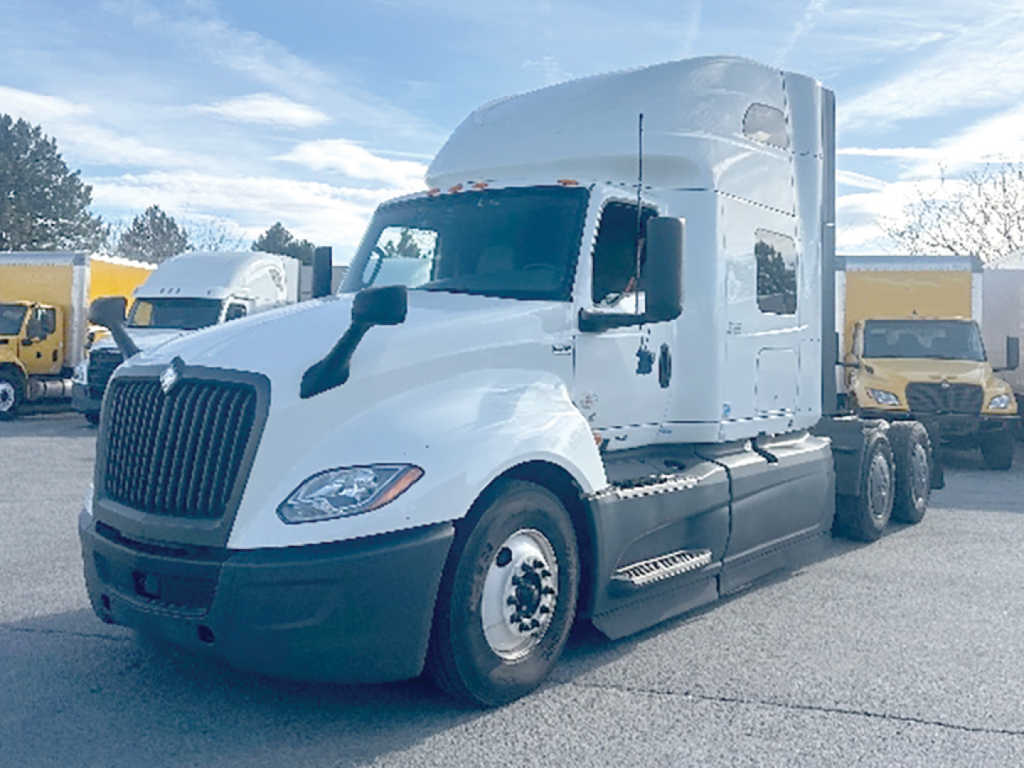
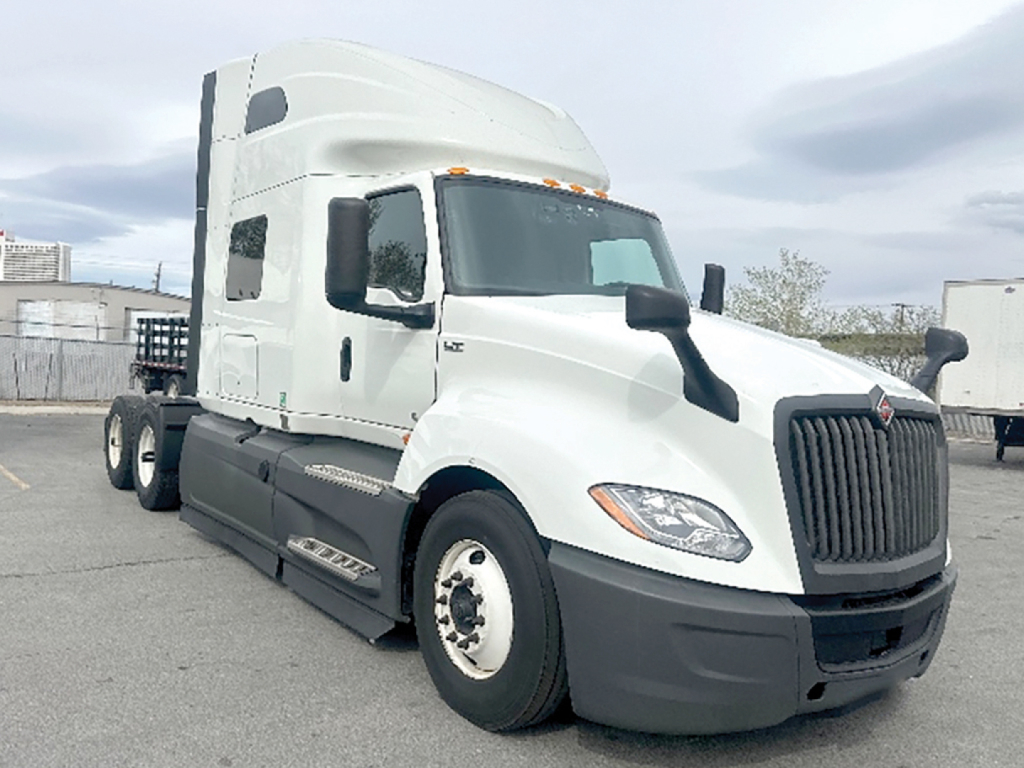
Have international conventional sleeper truck to sell? List it here to reach thousands of buyers.
About International Conventional Sleeper Trucks in California
One of the biggest buying decisions is powertrain spec. Many International sleepers in this class are paired with the Cummins X15 in the 400 to 450 horsepower range, backed by an automated manual transmission such as the Eaton Endurant. Rear axle ratings around 40,000 pounds are common, along with faster highway ratios like 2.64 or 2.79 for fuel-conscious linehaul work. Wheelbases in the 230- to 238-inch range are typical on fleet-spec trucks and give a good balance between trailer gap management, ride quality, and weight distribution. Buyers should look closely at engine brake performance, transmission calibration, and whether the truck has an air slide fifth wheel if trailer position flexibility is important.
Cab and chassis spec can make a major difference in daily operating cost. California buyers often pay close attention to emissions system condition, idle-reduction features, and aerodynamic equipment such as roof fairings, cab extenders, side fairings, and quarter fenders. Disc brakes are increasingly common on newer International sleeper tractors and can improve stopping consistency and reduce brake service variability in regional and highway use. Dual aluminum fuel tanks, air ride suspension, collision mitigation systems, and low-profile 22.5-inch rubber are all features that can affect uptime, driver acceptance, and total cost per mile.
The sleeper itself deserves as much scrutiny as the drivetrain. A 56-inch sleeper can work well for solo operators who want lower weight and a tighter package, while a 73-inch sleeper adds space for storage, an upper bunk, and amenities like a refrigerator, bunk heater, workstation, or driver lounge setup. Interior condition, insulation, HVAC performance, and sleeper layout all matter on trucks expected to stay on the road for days at a time. For buyers comparing multiple International conventional sleepers, the smart approach is to match sleeper size, axle ratio, horsepower, and wheelbase to the actual freight lane and trailer type rather than buying strictly on model year alone.
Frequently Asked Questions
What is the most common International conventional sleeper model for long-haul use?
The International LT625 is one of the most common conventional sleeper models in long-haul service. It is designed as an aerodynamic highway tractor with sleeper configurations that support solo and team operations. Buyers frequently find it spec'd with Cummins X15 power, automated transmissions, fairings, and fuel-efficient axle ratios aimed at van and reefer freight.
Is a 56-inch or 73-inch sleeper better on an International LT?
A 56-inch sleeper is usually a practical choice for solo over-the-road work where lower weight and a shorter overall package are priorities. A 73-inch sleeper offers more living space, additional storage, and better suitability for extended trips or team driving. The better choice depends on trip length, driver preferences, and whether onboard amenities like a refrigerator, upper bunk, or workstation are important.
What axle ratio works best in an International sleeper truck?
Common ratios such as 2.64 and 2.79 are typically chosen for highway fuel economy when paired with an overdrive or direct-drive automated transmission. A lower numerical ratio can reduce cruise RPM and improve fuel burn on flat or moderate terrain. Buyers running heavier loads, mountain routes, or more stop-and-go work should confirm that the ratio still provides the startability and grade performance their operation requires.
Are disc brakes a good option on a conventional sleeper tractor?
Disc brakes are a strong option for many highway tractors because they can provide more consistent braking performance, good heat management, and simpler brake inspection compared with some drum setups. They are especially attractive on newer fleet-spec sleepers used in steady linehaul service. Buyers should still review pad life, rotor condition, and service history because brake replacement cost can vary by spec and duty cycle.
What should California buyers check first on a used International sleeper truck?
California buyers should start with emissions system health, fault code history, aftertreatment service records, and overall engine and transmission diagnostics. They should also verify aerodynamic components, tire condition, brake type, sleeper HVAC operation, and any safety systems such as collision mitigation. On a highway sleeper, these items affect compliance, downtime risk, and cost per mile more than cosmetic condition alone.