
Freightliner Conventional Sleeper Trucks For Sale in Mississippi
Browse Freightliner conventional sleeper trucks for sale in Mississippi, including Cascadia models with raised-roof sleepers and Detroit power.
Learn more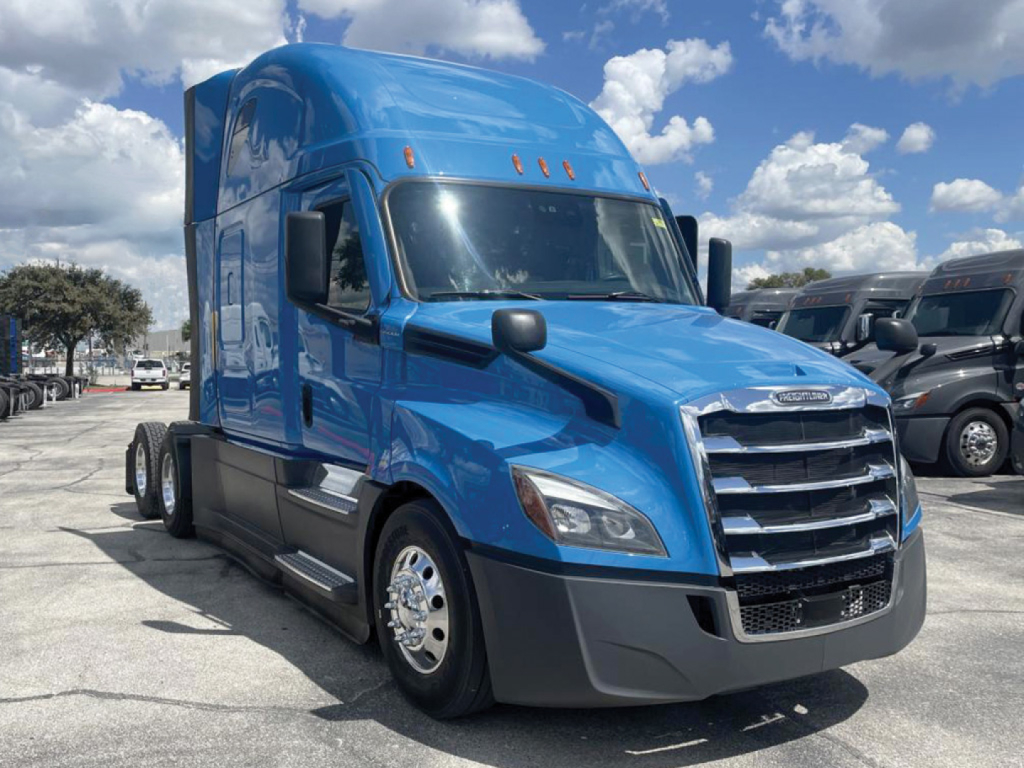
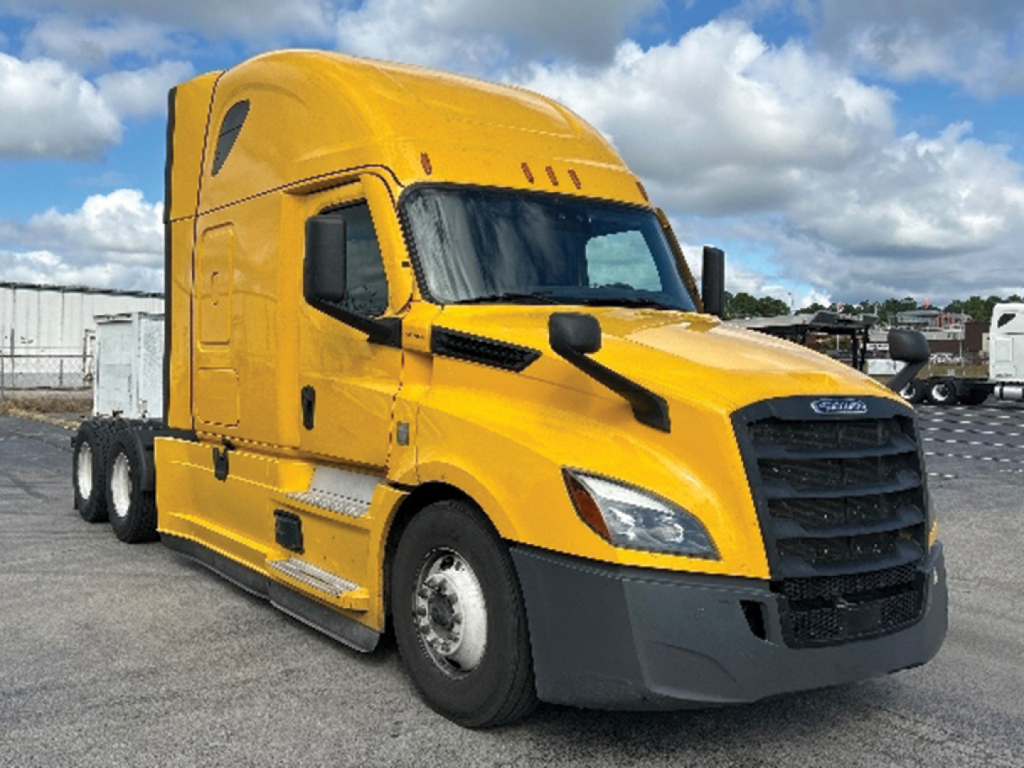

Showing 13 to 15 of 15 results
Have freightliner conventional sleeper truck to sell? List it here to reach thousands of buyers.
About Freightliner Conventional Sleeper Trucks in Mississippi
The first buying decision is usually sleeper size and roof configuration. A 60-inch sleeper can make sense for regional or shorter over-the-road work where wheelbase and weight matter, while a 72-inch raised-roof sleeper is better suited to teams, longer dispatch cycles, or fleets trying to improve driver retention with more living space. Buyers should compare upper bunk layout, bunk heater, APU presence, storage, and fairing condition, because those details affect idle time, comfort, and operating cost. Wheelbase also matters more than many buyers expect, especially if the truck needs to balance ride quality with maneuverability at tighter docks and customer yards.
Powertrain specs on Freightliner sleepers often center on Detroit DD13 and DD15 engines paired with a DT12 automated manual or, in older configurations, a manual transmission. The DD13 is a solid choice for lighter long-haul or regional applications, while the DD15 is more common when buyers want stronger pull for heavier gross weights or more demanding terrain. Horsepower in this class commonly runs from the mid-400s up to around 505 hp, with rear axle ratios such as 3.25, 3.31, 3.08, or even tall downsped ratios like 2.15 depending on the intended cruise speed and fuel economy strategy. A buyer should match the ratio, transmission calibration, and tire size to actual route profile, because a truck spec'd for flat interstate miles can feel very different in stop-start or heavier vocational crossover work.
Most Freightliner conventional sleepers in this class carry tandem 40,000-pound rears, air ride suspension, engine brakes, sliding fifth wheels, and dual aluminum fuel tanks. Disc brakes, low-profile 22.5 tires, cab extenders, side fairings, and aluminum wheels are also common. Some units are spec'd beyond standard over-the-road service with locking differentials, wetline kits, PTOs, heat lines, or product pumps, which can make a sleeper tractor useful for tanker or specialized hauling. Buyers should pay close attention to maintenance history, emissions system service, APU hours, fairing damage, and the condition of the sleeper interior, because those are the areas that tend to separate a clean fleet tractor from a truck that will need immediate reconditioning.
Frequently Asked Questions
What is the difference between a Freightliner Cascadia sleeper with a DD13 and one with a DD15?
The Detroit DD13 is typically chosen for lighter long-haul, regional haul, or fleets focused on lower tare weight and efficient cruising. The Detroit DD15 is more common in heavier over-the-road service where stronger torque and higher horsepower ratings are important. The right choice depends on gross weight, terrain, average trip length, and cruise speed. For buyers running heavy van, reefer, or specialized freight, the DD15 is often the more flexible spec.
Is a 60-inch sleeper or a 72-inch sleeper better in a Freightliner conventional truck?
A 60-inch sleeper is usually the better fit for regional overnight work, shorter dispatch cycles, or operations that want a slightly shorter wheelbase. A 72-inch raised-roof sleeper gives drivers more room, more storage, and often an upper bunk, which helps on longer over-the-road runs and team operations. The tradeoff is added length and, in some cases, a little more weight. Buyers should choose based on freight network, driver expectations, and how much time the truck will spend away from home base.
Are DT12 automated transmissions a good choice in Freightliner sleeper trucks?
The DT12 is a common and proven automated manual in late-model Freightliner Cascadia sleepers. It supports fuel-efficient shift logic, helps standardize driver performance, and is well suited for fleet use. It can also reduce clutch-related wear compared with a manual in mixed-driver operations. Buyers should still verify software updates, clutch condition, fault history, and service records, especially on higher-mileage trucks.
What rear axle ratio works best in a Freightliner sleeper tractor?
The best rear axle ratio depends on the engine, transmission, tire size, typical gross weight, and the speeds the truck will run most often. Ratios like 3.25 or 3.31 are common all-around choices for general highway freight. A taller ratio such as 2.15 is usually aimed at downsped fuel-economy applications and works best when matched to the right engine calibration and steady interstate operation. If a truck will spend more time in heavy loads, rolling hills, or stop-start service, a numerically higher ratio may be the better fit.
What should buyers inspect first on a used Freightliner conventional sleeper truck?
Start with the engine and emissions service history, then look at transmission operation, aftertreatment records, and any evidence of recurring fault codes. After that, inspect sleeper condition, APU operation, bunk heater function, fairings, wheel ends, brakes, and suspension wear. On aerodynamics-heavy trucks like the Cascadia, damaged exterior panels and missing trim can affect both appearance and fuel economy. A thorough maintenance file is often as important as the odometer reading.