
Freightliner Conventional Sleeper Trucks For Sale in Georgia
Freightliner sleeper tractors for Georgia fleets, with focus on powertrains, tare weight, sleeper thermal integrity, frame strength, and corrosion.
Learn more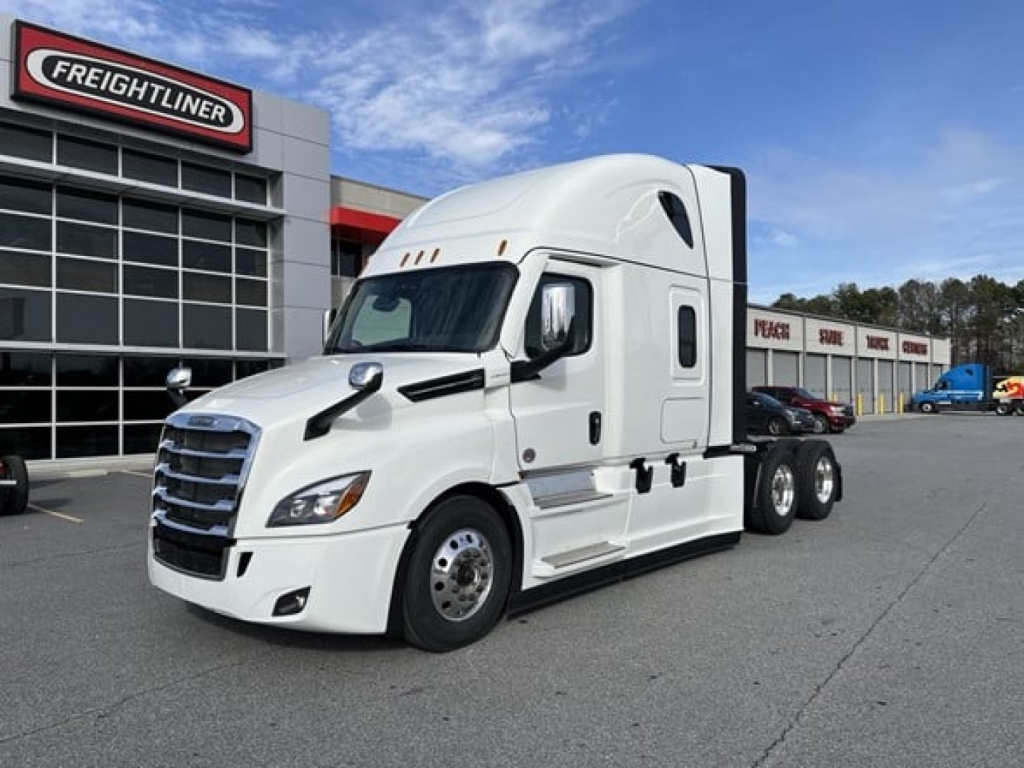
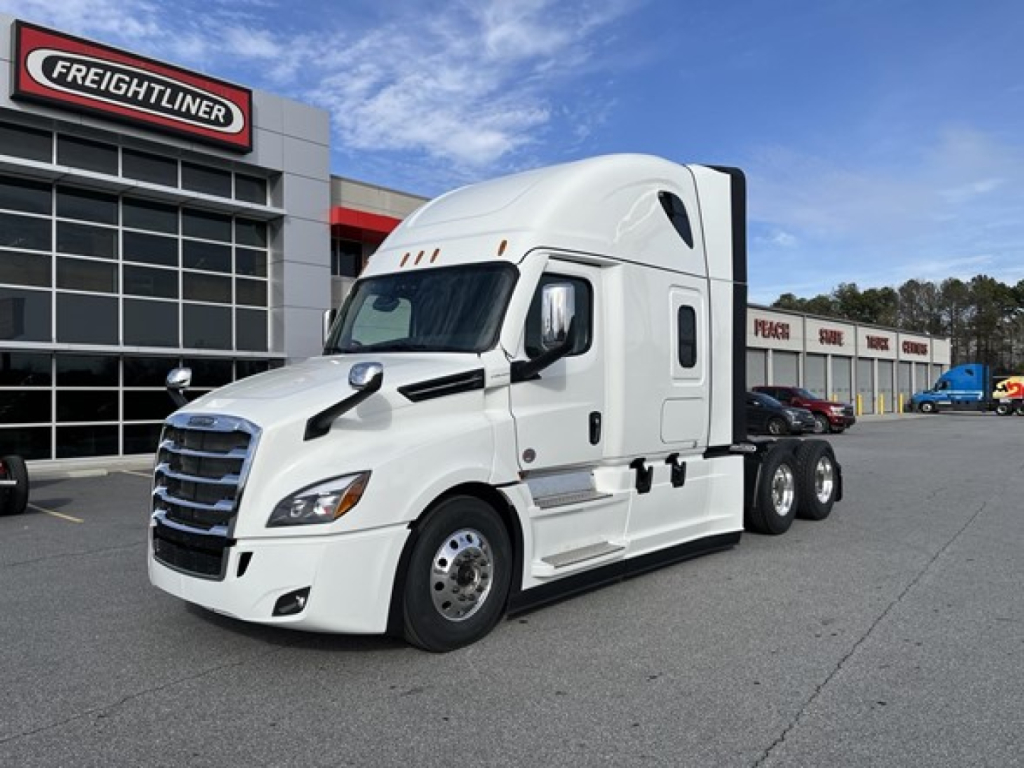
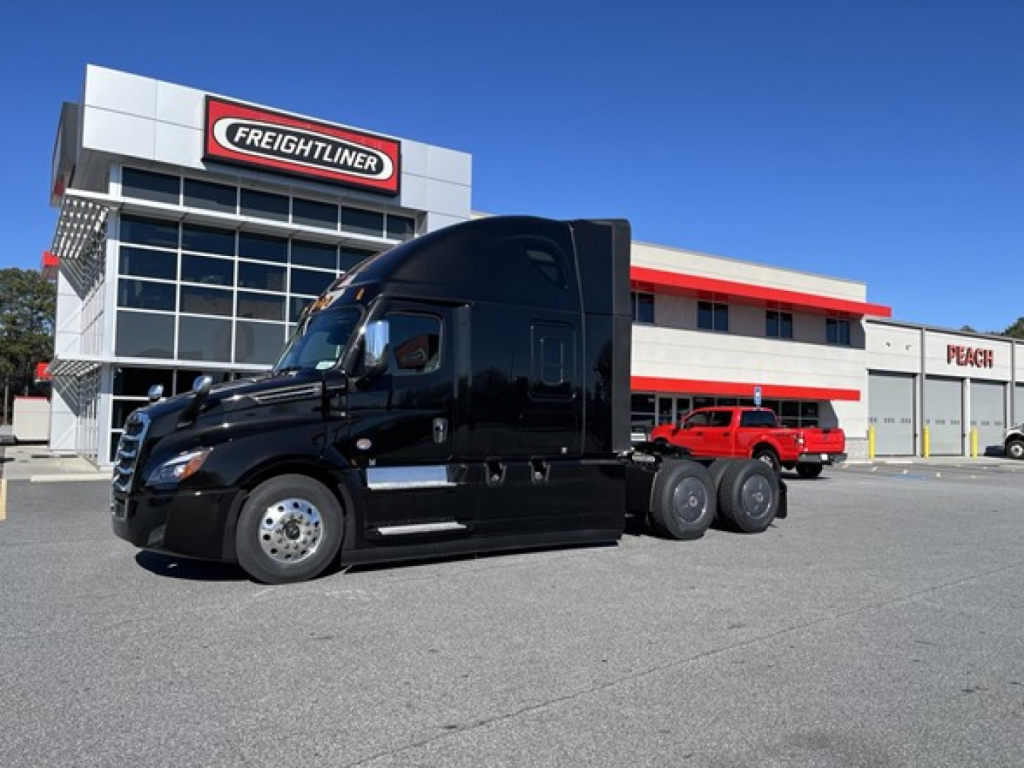
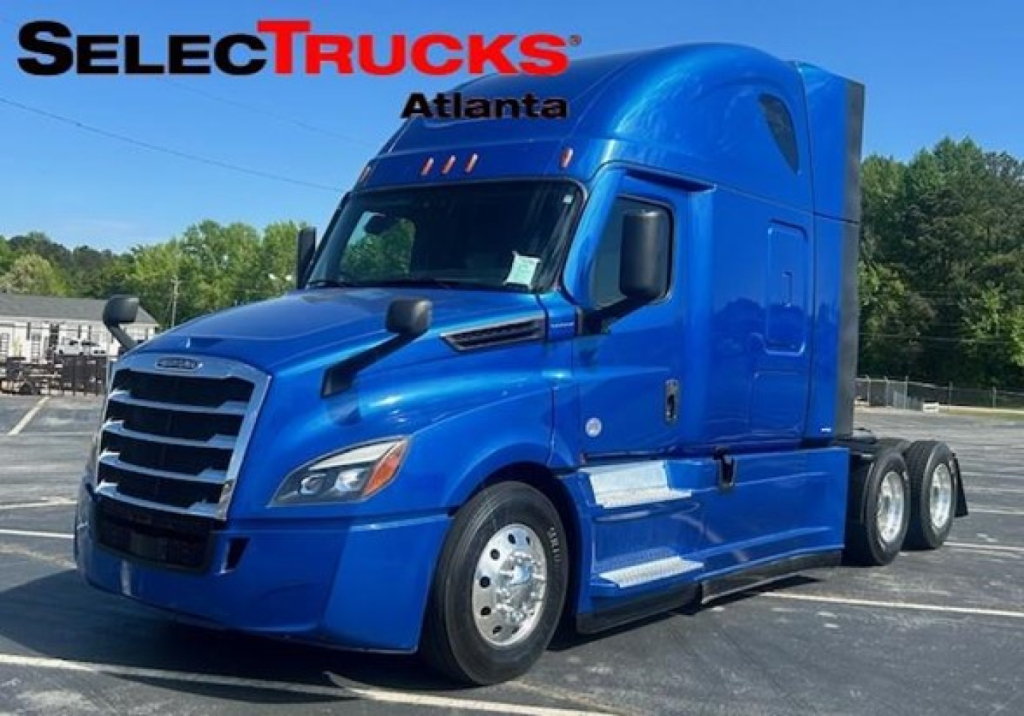
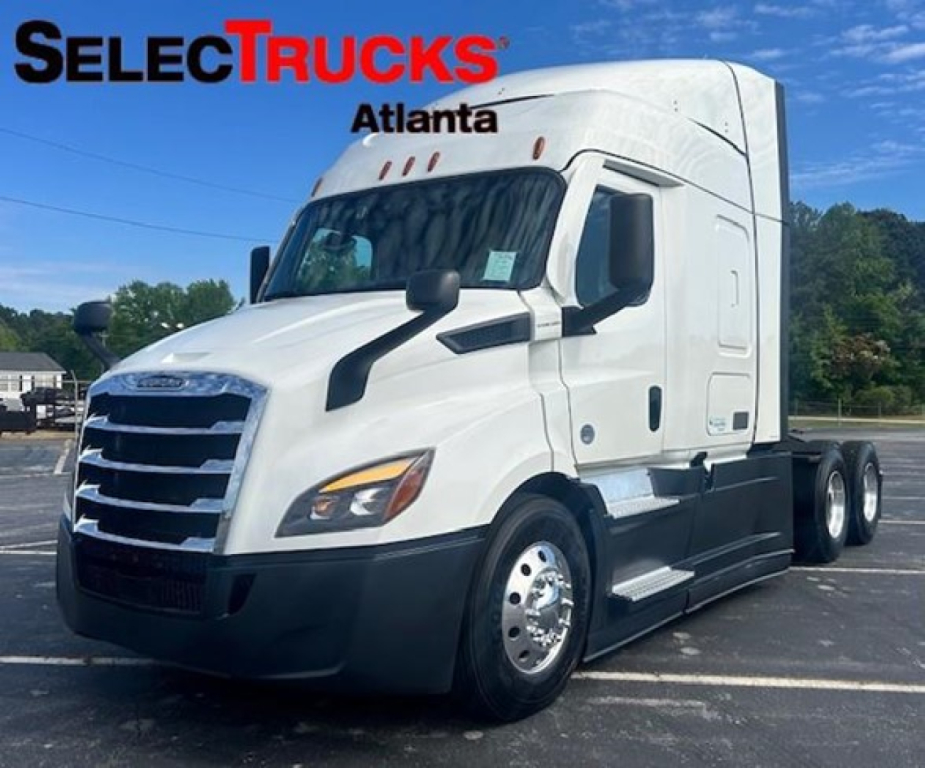
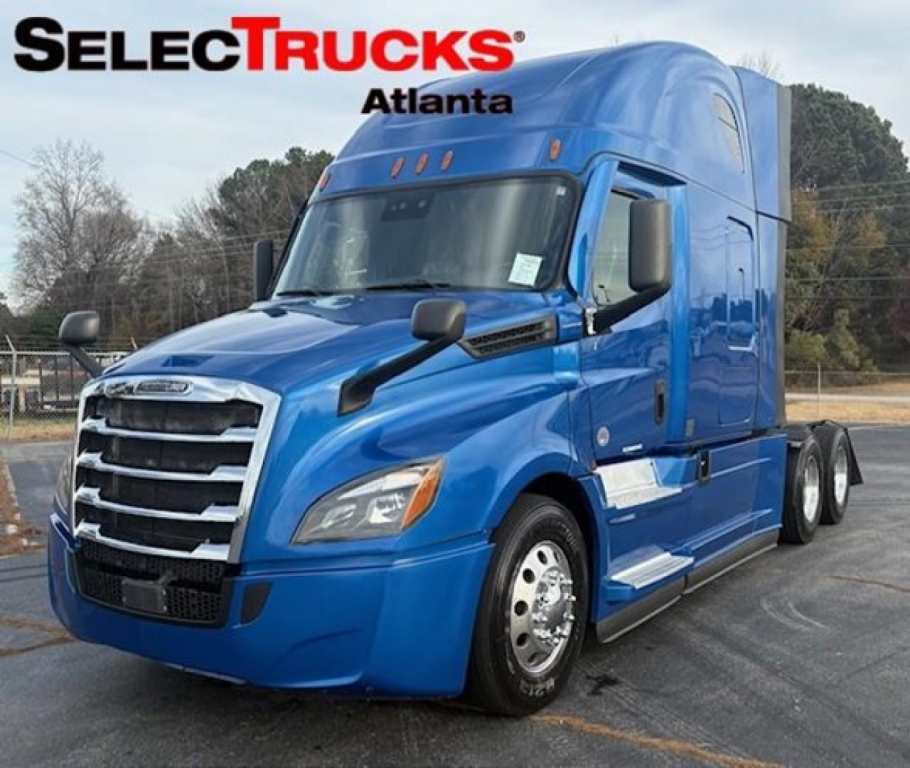
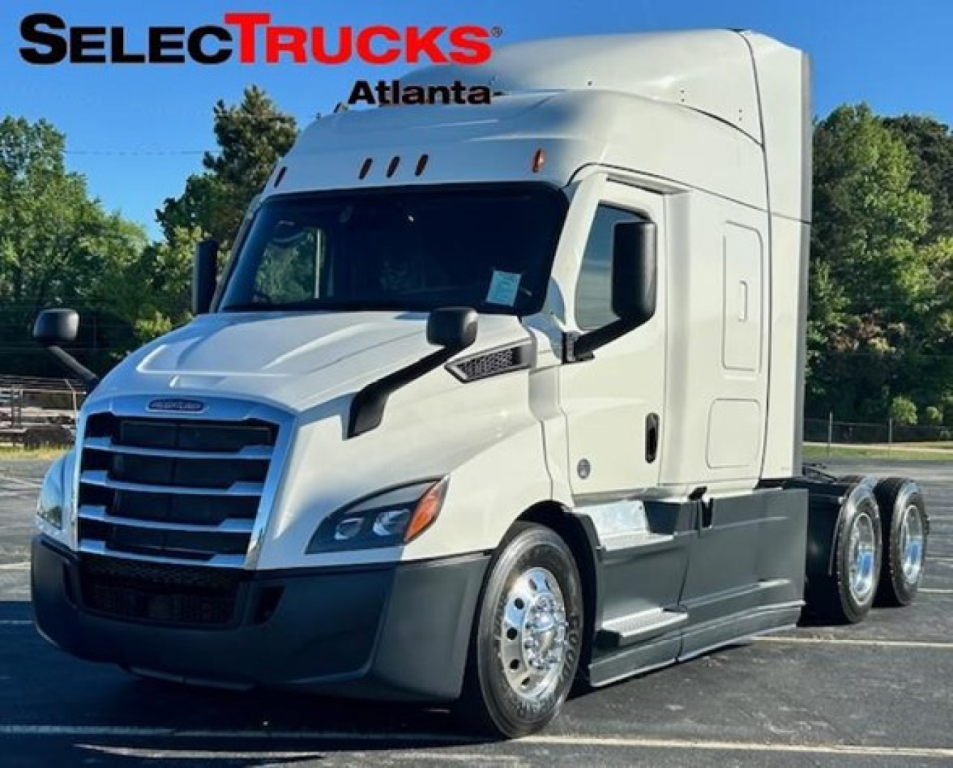
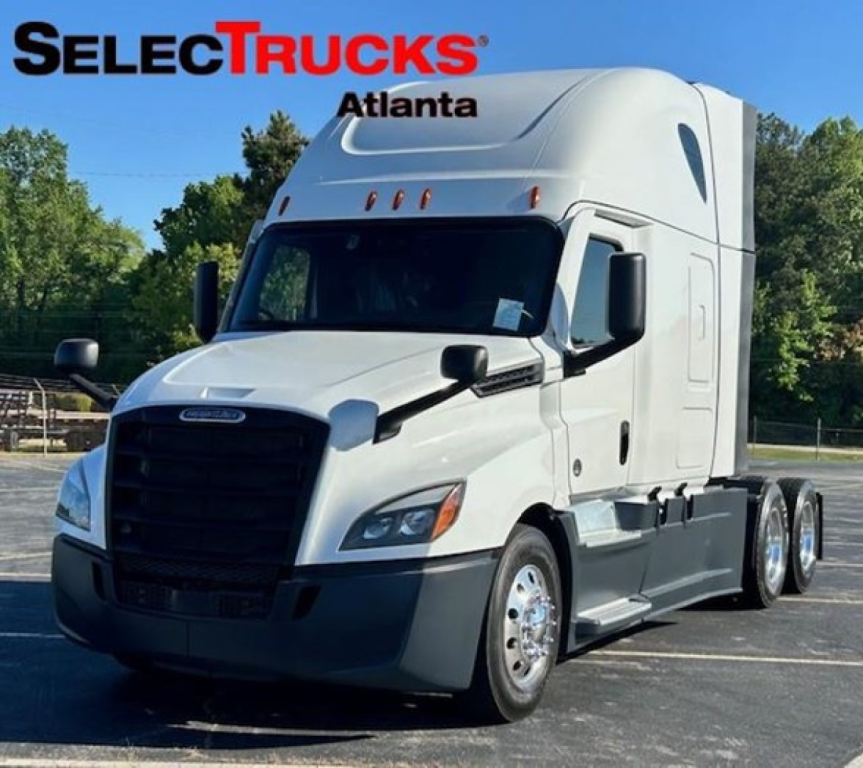
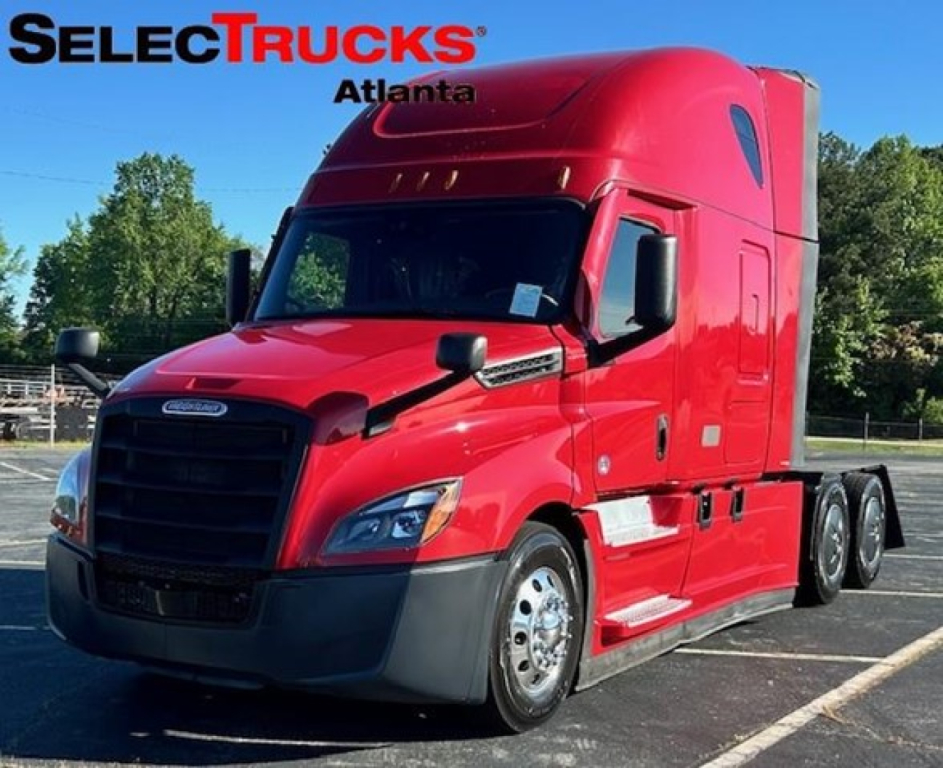
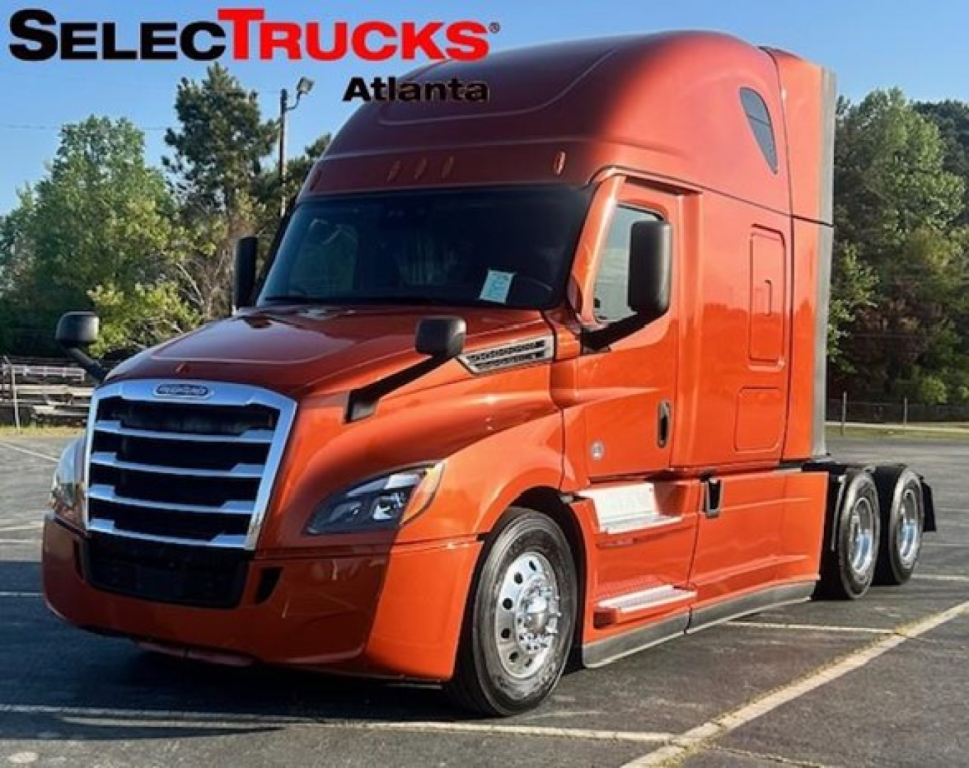
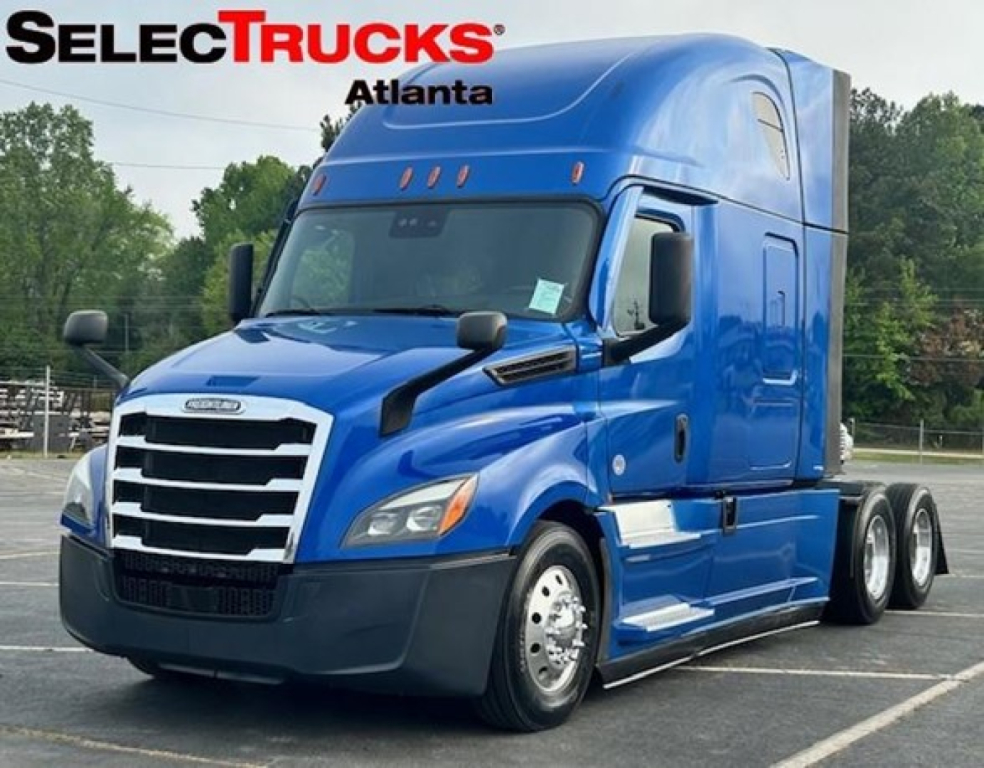
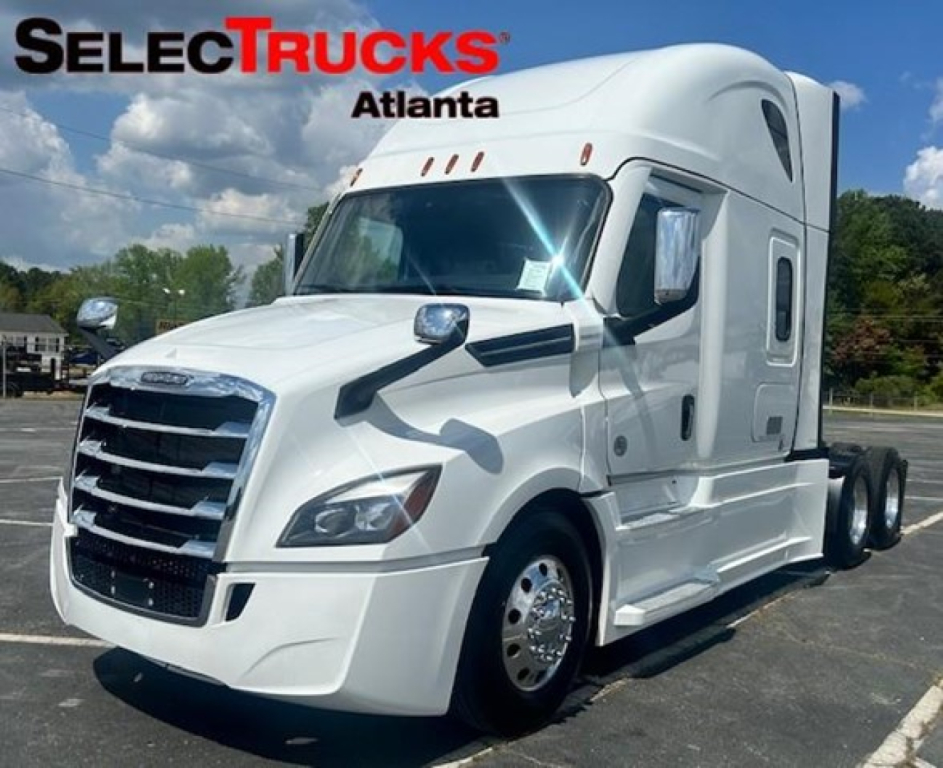
Showing 49 to 60 of 74 results
Have freightliner conventional sleeper truck to sell? List it here to reach thousands of buyers.
About Freightliner Conventional Sleeper Trucks in Georgia
Structural rigidity starts with high tensile frame rails and huck bolted crossmembers, a stable base for a sliding fifth wheel and suspension brackets. Cab and sleeper floors use composite or reinforced steel substrates under the seats, fridge, and cabinets; they resist flex and moisture, which keeps latches tight and reduces squeaks over time. AirLiner rear suspensions in 40k or 46k ratings control roll and maintain ride height, and wide track steer axles improve return to center. Disc brakes shorten stops and cut unsprung weight; drum packages remain viable for lower acquisition cost and familiar service.
Thermal integrity is a strong point when the mercury climbs. Sleeper insulation, tight door and window seals, and efficient HVAC ducting keep the bunk cool with less compressor load. Battery powered HVAC like ParkSmart or an APU supports overnight rest without long idle, and auxiliary diesel bunk heaters provide dry heat in cooler months with minimal fuel burn. Thermal curtains, UV tinted glass, and low leakage cab design reduce heat soak, saving fuel and preserving battery health during Savannah port turns and overnight Atlanta layovers.
Corrosion resistance benefits fleets across Georgia, including coastal humidity near Brunswick and Savannah. E coated frames, aluminum cabs and fuel tanks, composite fairings, sealed electrical connectors, and stainless hardware in high splash zones slow rust and keep fasteners serviceable. A sliding fifth wheel with solid deck plating spreads load and protects the catwalk, and proper fifth wheel position relative to trailer kingpin helps keep axle weights legal under bridge formula on state scales. Detroit Connect telematics with remote diagnostics, collision mitigation systems like Bendix Wingman, and integrated TPMS improve uptime and safety; spec for your route density and maintenance program to balance weight, traction, and serviceability.
Frequently Asked Questions
What sleeper sizes and roof heights are common on Freightliner conventional sleepers?
The Cascadia line offers mid roof and raised roof sleepers around 60 to 72 inches, with some 76 to 80 inch configurations in certain years. Single or double bunks, cabinet modules, and refrigerator prep are common. Floors under bunks and cabinets are reinforced, and scuff resistant trim around entry points holds up to frequent in and out during multi stop routes.
Which powertrain and axle specs work best for Georgia routes that mix interstates with city delivery?
For regional and long haul, DD13 at 400 to 450 hp or DD15 at 455 to 505 hp paired with the DT12 AMT is a proven match. Downsped rear axle ratios in the 2.16 to 2.64 range with 22.5 low profile tires keep cruise rpm low, cutting fuel burn on I 75 and I 16 while maintaining gradeability in North Georgia. A 6x4 setup offers traction margin on wet docks and hills; a 6x2 reduces tare weight and drivetrain loss, but it requires traction management strategy and careful tire selection. Include a multi stage engine brake for safe descents.
How durable are the cab and sleeper floors under heavy use?
Freightliner sleeper cabs use multi layer floor structures with steel reinforcement at seat mounts, step wells, and cabinet bases. The design resists moisture and flex, so hinges stay aligned and latch hardware does not loosen quickly. Rubber or vinyl floor coverings clean easily, and drain paths keep water from pooling at the door threshold, which prevents corrosion at the cab corner and prolongs interior life on high cycle fleets.
How can I keep the bunk comfortable in summer without extended idling?
Pair strong insulation and thermal curtains with battery HVAC or an APU sized to your duty cycle. ParkSmart type systems can deliver several hours of cooling if batteries are healthy and condenser coils are clean; an engine off diesel bunk heater handles cool mornings efficiently. Routine HVAC service, clean cab air filters, and reflective shades reduce compressor load and preserve battery state of charge in Georgia heat and humidity.
What corrosion protection matters if the truck will work near the coast?
Look for e coated or powder coated frame rails, aluminum cabs and tanks, sealed Deutsch style electrical connectors, stainless or zinc nickel fasteners, and polymer air and DEF lines. Add extra undercarriage rinses, dielectric grease on exposed connections, and consider stainless quarter fenders and catwalk hardware. For trades that see fertilizers or salt air, internal frame rail cavity wax and frequent wash cycles extend service life and preserve resale.