
Volvo Conventional Daycab Trucks For Sale in New York
Shop Volvo conventional daycab trucks for regional, local, and terminal work. Compare VNM specs, D11 and D13 engines, wheelbases, and axle setups.
Learn more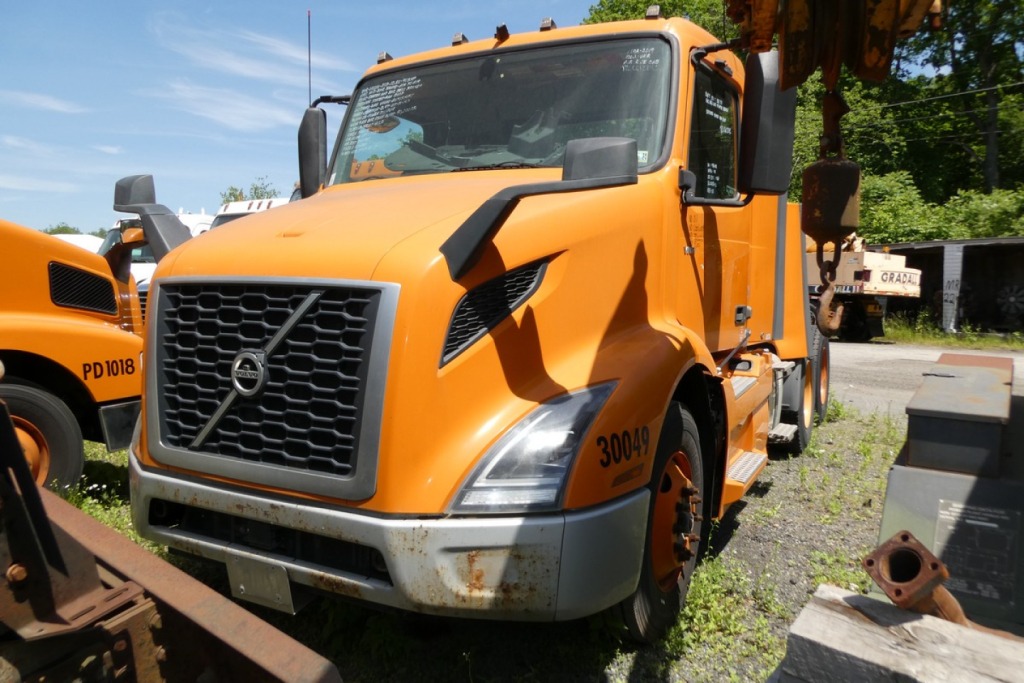
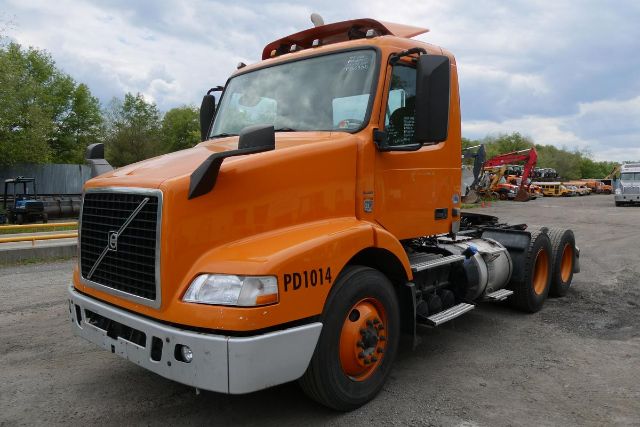
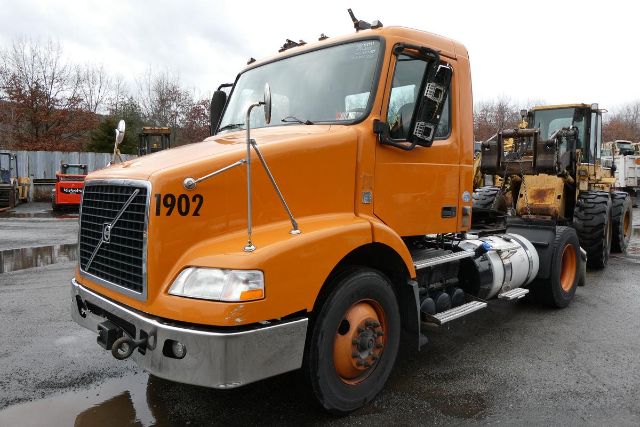
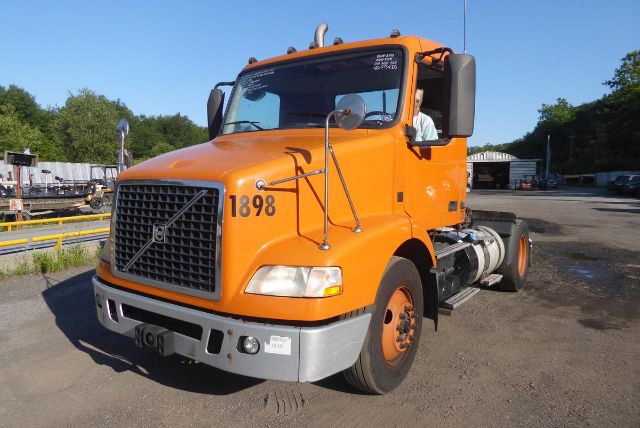
2012 Volvo VNM42T
555,302 mi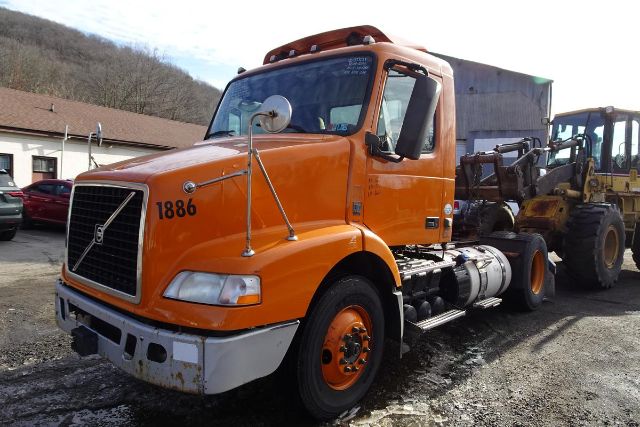
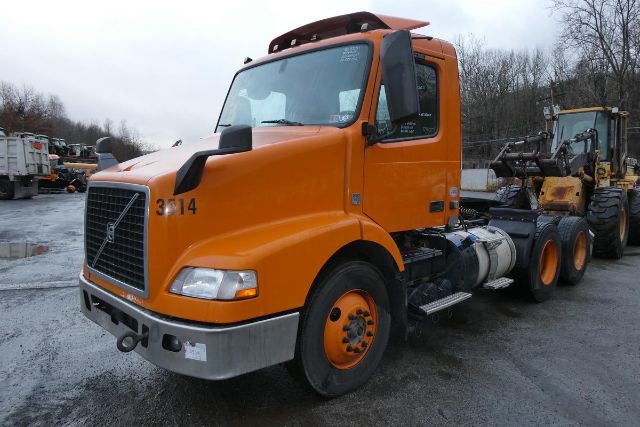
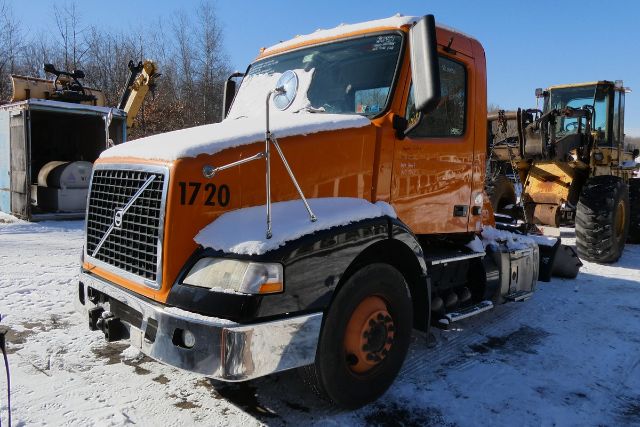
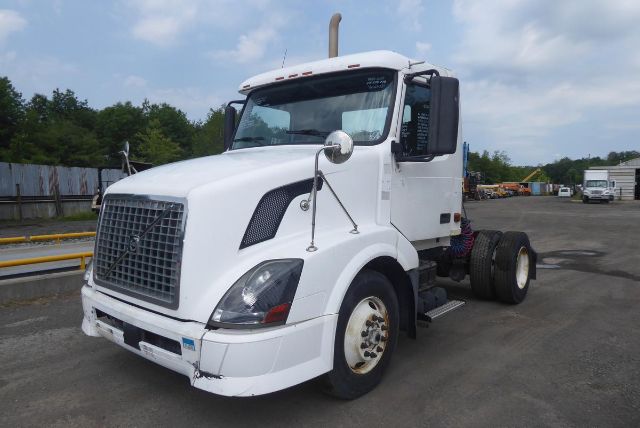
2018 Volvo VNM64T
773,463 mi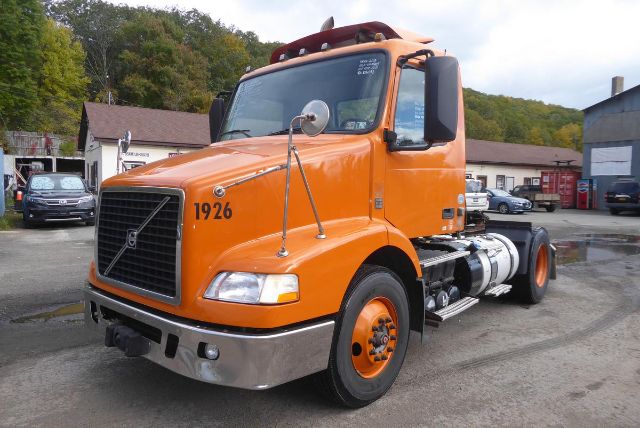
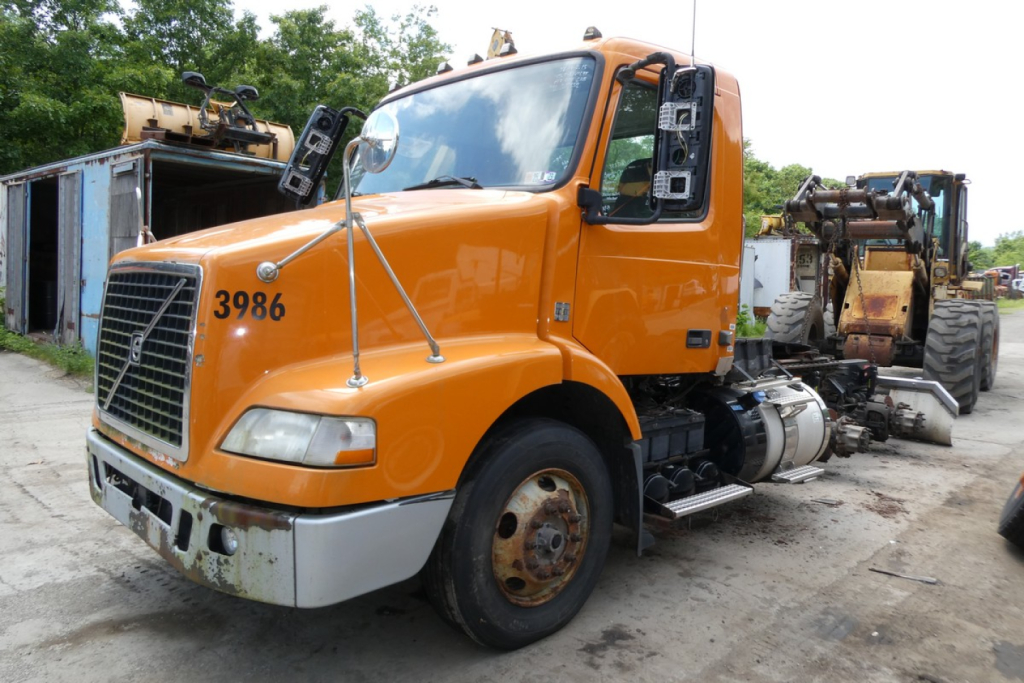
2013 Volvo VNM42T
643,264 mi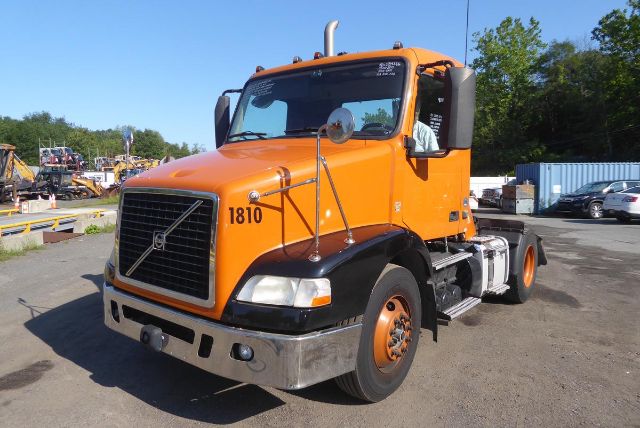
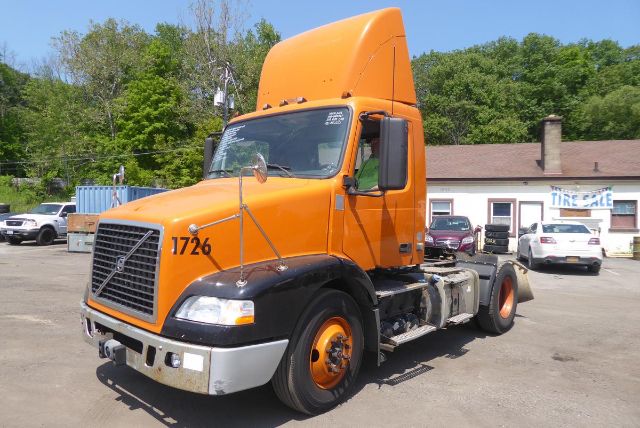
Showing 49 to 60 of 60 results
Have volvo conventional daycab truck to sell? List it here to reach thousands of buyers.
About Volvo Conventional Daycab Trucks in New York
The main spec decision is usually single axle versus tandem axle. A 4x2 Volvo daycab with a D11 engine, around 385 hp, and a 154-inch wheelbase is a practical fit for lighter regional freight, short-haul van work, and customers focused on lower tare weight and tighter turning radius. A 6x4 VNM daycab with a D13 in the 455 hp range, 40,000 lb rears, and wheelbases in the low-170-inch range is better suited for heavier trailer loads, tougher grades, and applications where traction and durability under higher GCW matter. Common drivetrain combinations include Eaton Fuller 10-speed manuals and Volvo I-Shift automated manuals, so buyers should match transmission type to driver preference, route profile, and maintenance strategy.
Rear axle ratio, suspension, and fifth wheel setup affect how the truck performs in daily service. Ratios in the low-3s tend to support versatile regional work, while taller ratios such as 2.64 are more oriented to fuel-conscious linehaul style operation if the engine and transmission calibration are right for the load. Volvo air ride suspensions, often 2-bag on single-axle units and 4-bag on tandem trucks, help ride quality and trailer stability. Many trucks in this class are spec'd with air slide or stationary fifth wheels, single frame layouts, 11R22.5 rubber, and air disc brakes. For a buyer in New York, it also makes sense to pay close attention to wheelbase, cab-to-axle measurement, and overall tractor length because those details affect bridge law compliance, trailer swing clearance, and ease of operation in dense urban and warehouse environments.
Condition matters as much as base spec on used Volvo daycabs. Pay close attention to aftertreatment health on DEF-equipped D11 and D13 engines, including SCR faults, derate history, and any active warning lights. Review engine hours against odometer readings to understand idle exposure, and inspect common wear points such as clutch operation on manual trucks, I-Shift calibration and drivability on automated units, air conditioning performance, brake life, and suspension condition. If the truck is intended for daily revenue service, confirm the status of emissions components, turbocharger, and engine brake operation before comparing price alone. A well-matched Volvo daycab can be a productive local or regional tractor, but the right choice depends on axle configuration, engine package, transmission, and how closely the truck’s current condition aligns with the job.
Frequently Asked Questions
What is the difference between a Volvo VNM single-axle daycab and a tandem-axle daycab?
A single-axle 4x2 Volvo VNM daycab is generally lighter, shorter, and easier to maneuver, which makes it a strong choice for local lanes, city pickups, and lighter trailer applications. A tandem-axle 6x4 daycab adds carrying capacity, better traction, and improved suitability for heavier freight or more demanding regional work. The right choice depends on trailer weight, operating terrain, and how much emphasis you place on payload, turning radius, and tire and drivetrain costs.
Is a Volvo D11 or D13 better in a daycab application?
The Volvo D11 is commonly chosen for lighter regional and local service because it keeps weight down and still provides solid horsepower for van, reefer, and general freight work. The Volvo D13 is a better fit when the truck will regularly pull heavier loads, run more highway miles, or operate in terrain where extra torque helps maintain speed and drivability. Buyers should compare horsepower, torque rating, rear axle ratio, and expected GCW instead of choosing by engine size alone.
Are Volvo I-Shift transmissions a good option in a used daycab?
Volvo I-Shift automated manuals are widely used in daycab service because they reduce driver fatigue, support fuel efficiency, and deliver consistent shift logic in stop-and-go work. In a used truck, the key is condition and calibration rather than the transmission type itself. Buyers should verify that the transmission shifts cleanly, engages properly from a stop, has no active fault codes, and has been maintained in line with Volvo service intervals.
What specs matter most when buying a Volvo daycab for New York operations?
For New York service, buyers should focus on wheelbase, cab-to-axle measurement, axle configuration, and overall tractor weight because those details affect maneuverability, bridge law considerations, and trailer compatibility. A shorter wheelbase can be a major advantage in urban deliveries, container yards, and older industrial sites with tighter access. It is also important to confirm axle ratings, fifth wheel position, and suspension spec so the truck matches the trailers and legal weights used in your lane.
What should I inspect first on a used Volvo conventional daycab?
Start with the emissions system, engine fault history, and any sign of derate conditions because aftertreatment problems can quickly change the real cost of the truck. Then review engine hours, service records, transmission performance, brake condition, suspension wear, and tire wear patterns. On Volvo daycabs used in regional or port service, it is also smart to inspect the fifth wheel, frame condition, and cab components that see constant entry and exit, including the driver seat, steering wheel controls, and HVAC performance.