
Used Conventional Daycab Trucks For Sale in Oklahoma
Browse used conventional daycab trucks in Oklahoma with specs for local haul, regional freight, vocational work, wheelbase, axle, and PTO needs.
Learn moreBrowse Conventional Daycab Trucks by Make
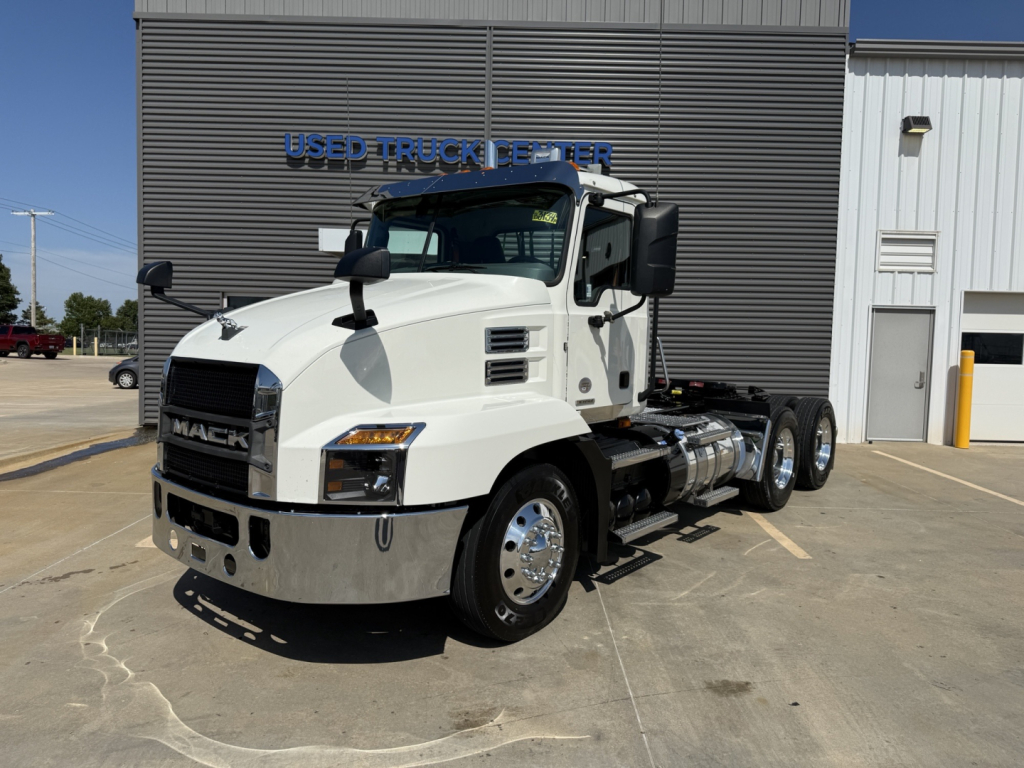
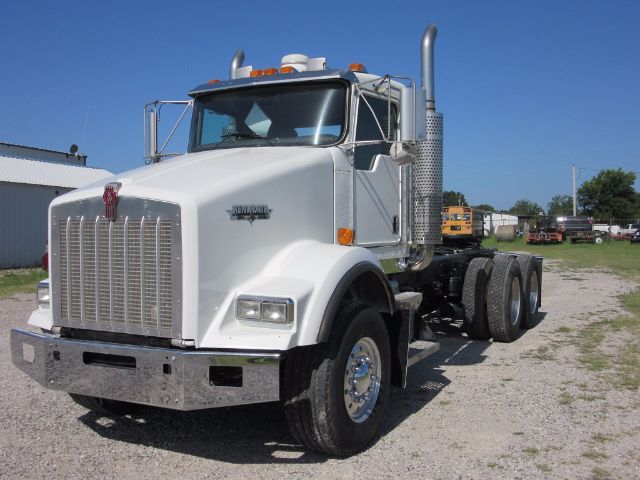
Showing 13 to 14 of 14 results
Have used conventional daycab truck to sell? List it here to reach thousands of buyers.
About Used Conventional Daycab Trucks in Oklahoma
The most important buying decision is how the truck was originally spec'd. A fleet road tractor daycab may have a lighter setup with a single axle or tandem axle, modest fuel capacity, aerodynamic fairings, and gearing aimed at fuel economy. A vocationally minded daycab can look very different, with 12,000 to 12,500 lb front axles, 40,000 lb rears, air ride suspension, fixed non-tilt fifth wheels, PTO provisions, and single-line or dual-line wet kits for dump and hydraulic trailer work. Wheelbase is a major factor. Shorter wheelbases help in urban yards and tighter job sites, while longer wheelbases can improve bridge law flexibility, frame space for hydraulic equipment, and trailer clearance depending on the body or application.
Powertrain choices on used conventional daycabs typically fall in the 400 to 505 hp range, often paired with automated manual transmissions or traditional manuals. For regional freight and general trailer pulling, buyers usually focus on engine make, transmission type, rear axle ratio, and cruise-speed efficiency. For heavier vocational work, torque output, PTO compatibility, cooling capacity, and rear suspension rating matter more than aerodynamic trim. It also pays to check brake configuration, tire size, wheel material, and emissions system history, especially on later-model used trucks with DEF and aftertreatment components. Service records, ECM data, idle hours, and evidence of consistent maintenance can tell you more than mileage alone.
A good used conventional daycab should match the trailer and route before anything else. Confirm fifth wheel height, kingpin setting compatibility, axle spread, fuel capacity, and frame layout for the work you plan to do. In Oklahoma, trucks often see a combination of interstate miles, oilfield-related hauling, agricultural support, and short regional turns, so durability and application-specific spec matter more than appearance. Buyers comparing listings should pay close attention to wheelbase, axle rating, horsepower, gearing, PTO or wet kit equipment, and whether the truck was built for straight highway freight or for more demanding vocational service.
Frequently Asked Questions
What is a conventional daycab truck used for?
A conventional daycab truck is used for hauling where the driver returns home daily or does not need a sleeper berth. Common applications include local delivery, regional freight, intermodal work, tanker service, dump trailer pulling, and dedicated lane operations. The conventional hood design also makes these trucks common in fleets that prioritize easy engine access and familiar serviceability.
What should I look for first when buying a used conventional daycab?
Start with the original spec, not just the model year or mileage. Wheelbase, axle ratings, engine horsepower, rear axle ratio, suspension type, and transmission setup determine whether the truck fits your trailers and routes. A daycab built for fuel-efficient highway service is very different from one spec'd for dump, tanker, or PTO-driven hydraulic work, so the intended application should drive the buying decision.
Are used daycab trucks good for vocational work in Oklahoma?
Yes, if the truck has the right vocational spec. In Oklahoma, many buyers need a daycab that can handle regional highway miles plus jobsite or energy-sector demands. Features such as tandem 40,000 lb rears, higher front axle ratings, air ride suspension, fixed fifth wheels, wet kits, and strong torque output make a used conventional daycab more suitable for dump and heavy trailer applications.
Is an automated transmission a good choice in a used conventional daycab?
An automated transmission can be a very good choice if the truck has been maintained properly and the calibration matches the job. Automated manuals reduce driver fatigue, improve consistency, and are common in newer fleet daycabs. Buyers should still review service history, clutch wear data when available, fault codes, and driveline specs to make sure the transmission is suited for stop-and-go hauling, highway freight, or PTO-related use.
How important is wheelbase on a conventional daycab truck?
Wheelbase is one of the most important specs because it affects maneuverability, trailer clearance, bridge law flexibility, and frame space for accessories like hydraulic tanks or wet kits. A shorter wheelbase is usually better for tight yards and city work, while a longer wheelbase may be preferred for certain vocational setups or specialized trailer combinations. It should always be matched to the trailer type and the operating environment.