
Conventional Daycab Trucks For Sale in North Carolina
Shop conventional daycab trucks for hauling, port, regional, and local routes. Compare wheelbase, engine, axle ratio, and 5th wheel specs.
Learn moreNo exact matches found for your search
Showing Conventional Daycab Trucks instead.

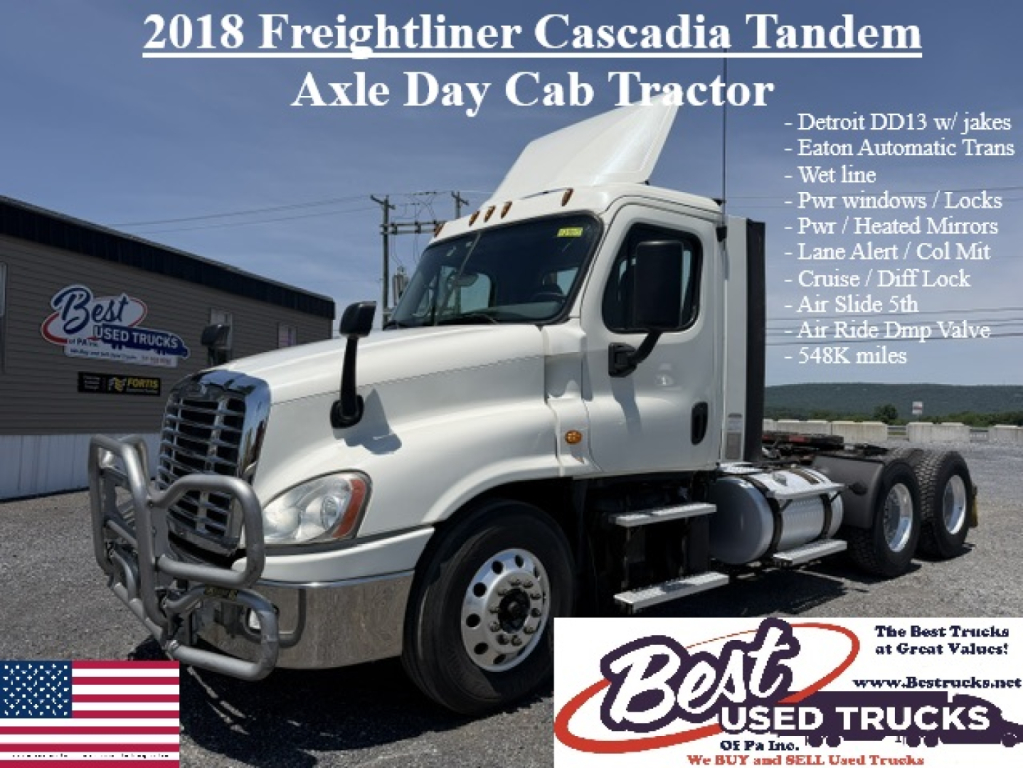
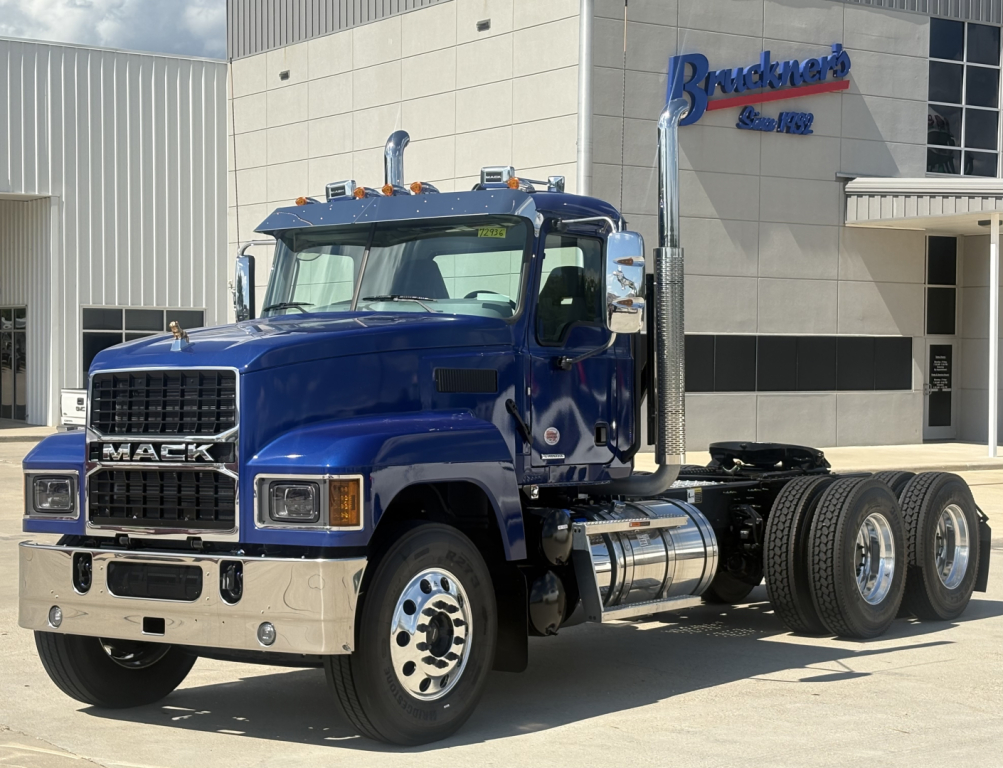
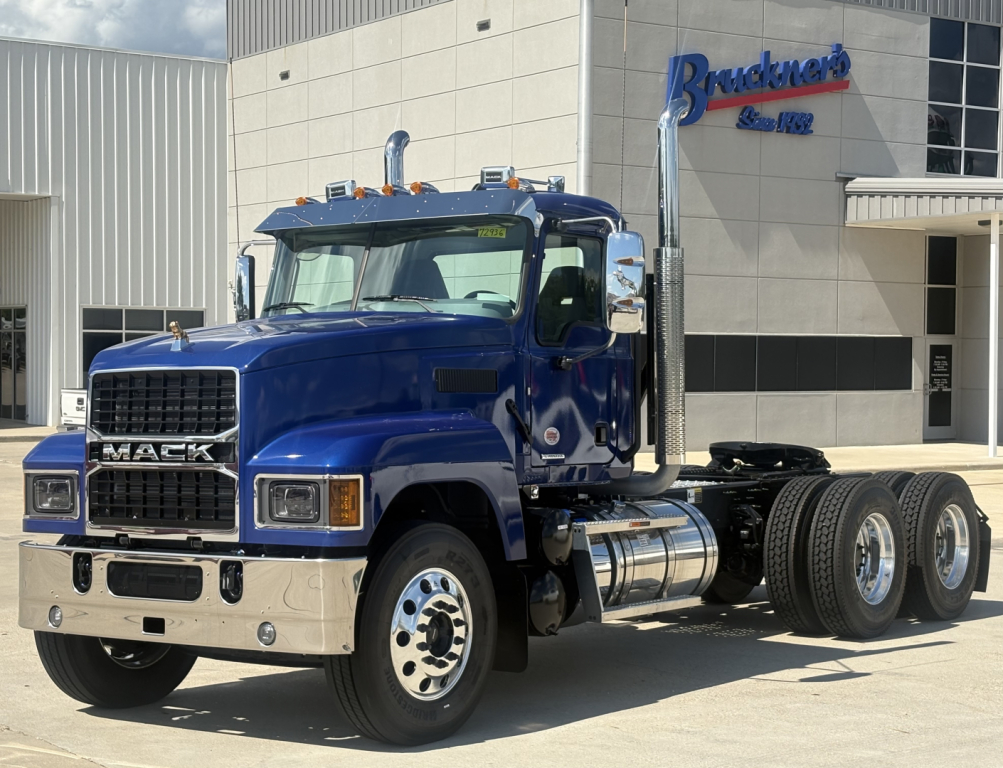
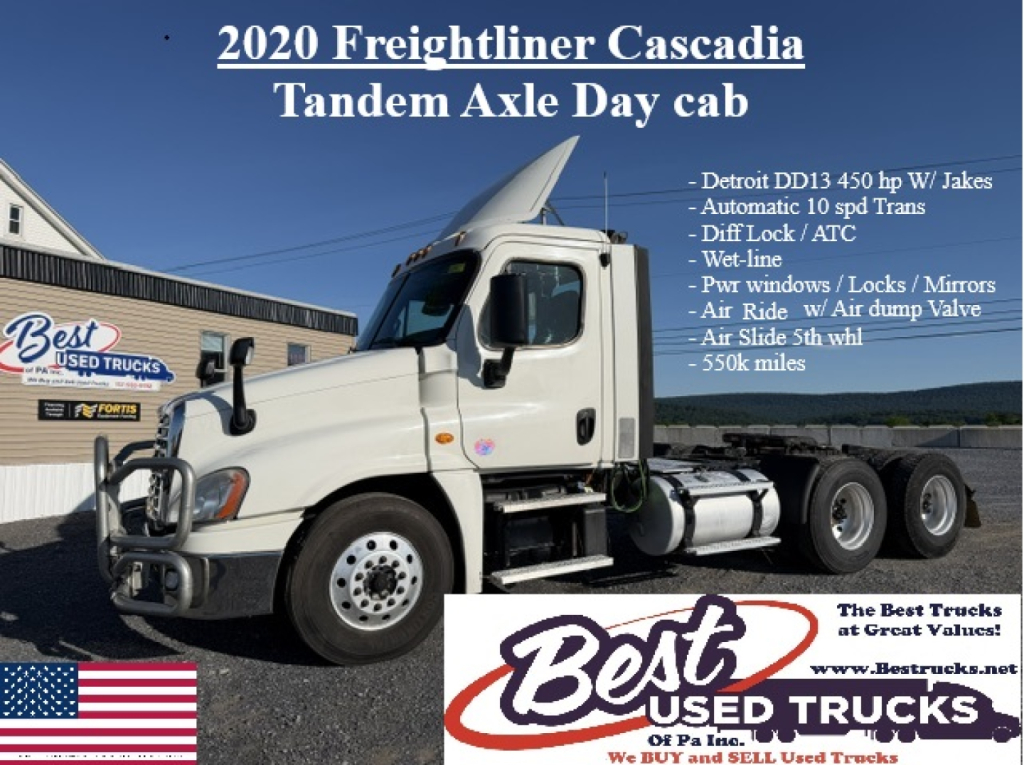
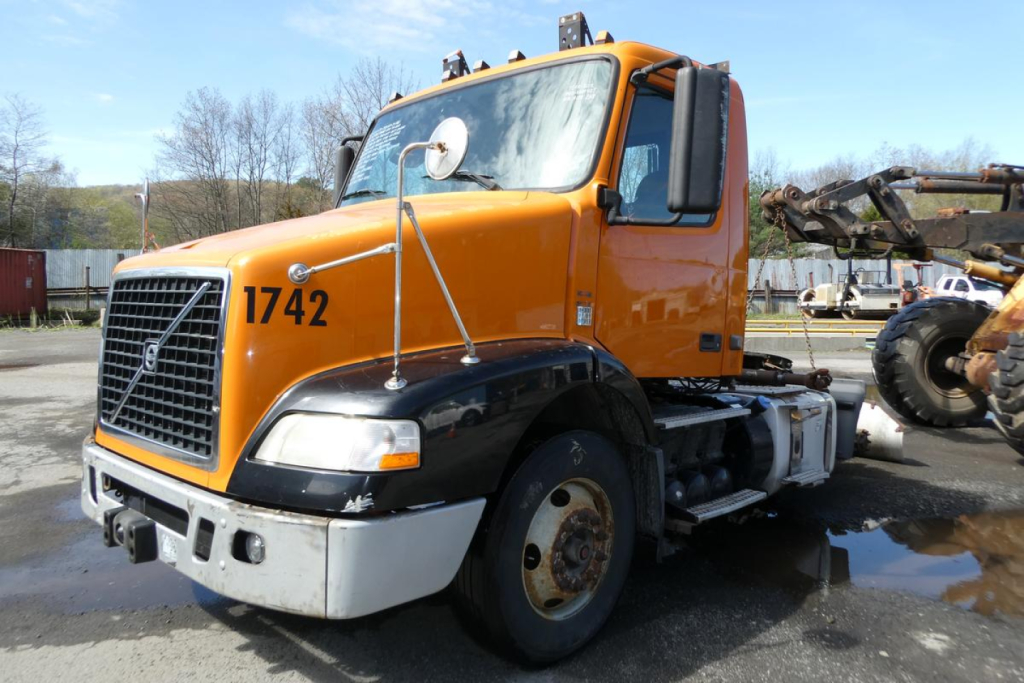
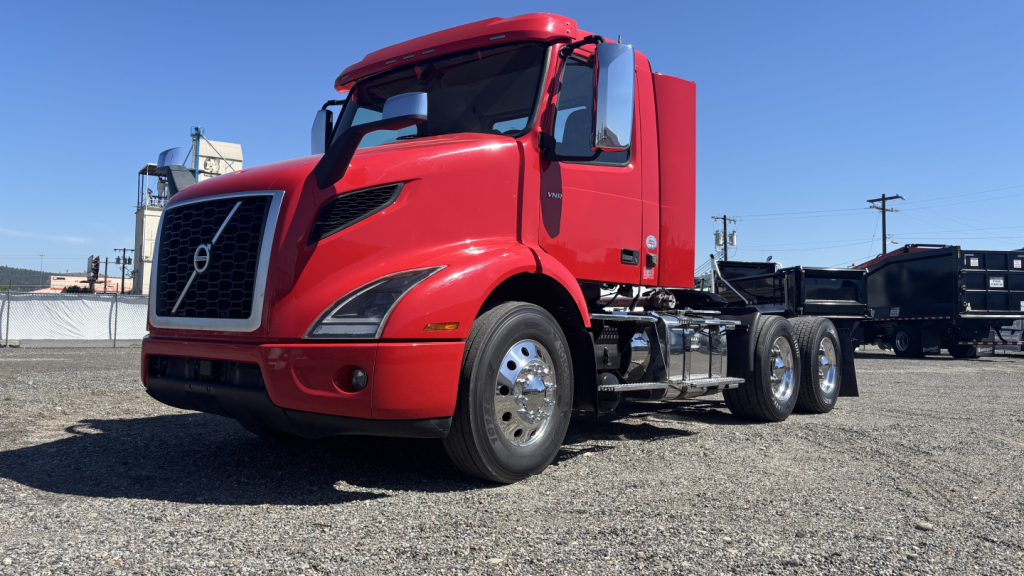
Showing 61 to 72 of 583 results
Have conventional daycab truck to sell? List it here to reach thousands of buyers.
About Conventional Daycab Trucks in North Carolina
Most conventional daycabs in this category run 12 to 15 liter diesel engines in the 400 to 450 horsepower range, paired with automated manual transmissions or full automatics. Common examples include Volvo D13 and Cummins X15 or ISX15 power, often backed by 10-speed or 12-speed automated gearboxes. A 40,000 lb tandem rear axle is standard for many fleet-spec road tractors, and rear axle ratios such as 2.64, 2.79, or 3.70 tell you a lot about intended use. Lower numerical ratios generally favor fuel economy and highway cruise speed, while deeper ratios can help in stop-and-go service, heavier starts, and operations with more urban pulling conditions.
In North Carolina, a daycab often needs to cover a wide mix of work from Charlotte distribution lanes to port-related freight moving inland from Wilmington, plus regional runs through the Carolinas and into neighboring states. That makes aerodynamics, fuel capacity, and cab access more important than many buyers expect. Features like roof fairings, cab extenders, low-profile 22.5 tires, aluminum wheels, air ride suspension, and sliding or adjustable fifth wheels are common because they improve driver comfort, trailer positioning, and operating efficiency. Engine brakes, power windows, tilt and telescoping steering, and air-conditioned cabs are now routine on newer fleet daycabs and can make a difference in driver retention on multi-stop routes.
The best used conventional daycab is not simply the newest one. Buyers should match the truck to trailer type, average payload, loading dock geometry, and daily miles. Check the wheelbase against your trailer swing clearance and turning needs. Confirm the fifth wheel travel, suspension type, and rear ratio before assuming a truck will fit both local and regional work. If the truck will stay in fleet service, pay close attention to emissions system history, transmission calibration, tire wear patterns, and maintenance records on common wear items such as brakes, bushings, and driveline components. A well-spec'd daycab can be one of the most efficient assets in a fleet when its gearing, chassis layout, and powertrain are aligned with the job.
Frequently Asked Questions
What is a conventional daycab truck used for?
A conventional daycab truck is used for local and regional tractor work where the driver returns home daily and does not need a sleeper. Common applications include dry van, reefer, flatbed, container drayage, terminal transfer, dedicated store delivery, and short-haul freight. The conventional hood design provides easier engine access than cabover designs and remains the dominant tractor style in most North American fleet operations.
What wheelbase is best for a daycab tractor?
The right wheelbase depends on trailer length, axle spread, fifth wheel position, and how tight the operating environment is. Shorter wheelbases generally improve maneuverability in yards, city docks, and port work, while longer wheelbases can offer a smoother ride and better fit for certain trailer settings or weight distribution needs. Buyers should compare wheelbase with kingpin setting, back-of-cab clearance, and bridge-law requirements instead of choosing by overall length alone.
How do rear axle ratios affect a conventional daycab?
Rear axle ratio changes how the truck accelerates, cruises, and handles load startability. Ratios like 2.64 or 2.79 are often chosen for fuel-efficient regional or highway service because they keep engine rpm lower at road speed. A ratio such as 3.70 is better suited to heavier starts, lower-speed operation, and routes with more stop-and-go work. The best ratio depends on gross combination weight, transmission gearing, tire size, and average road speed.
Are automated manual transmissions common in daycab trucks?
Yes. Automated manual transmissions are now standard in many fleet-spec daycab tractors because they improve consistency, reduce driver fatigue, and help protect the driveline from poor shift technique. Systems such as Volvo I-Shift and Eaton automated models are widely used in local and regional service. Buyers should still confirm software updates, clutch life, and service history because calibration and maintenance have a direct effect on shift quality and long-term reliability.
What should I inspect first on a used conventional daycab truck?
Start with the powertrain and chassis match. Verify engine model, horsepower, transmission, rear axle rating, ratio, and wheelbase against the work the truck is expected to do. Then inspect the emissions system, engine brake operation, fifth wheel wear, suspension condition, brake life, tire wear, and signs of frame or cab damage. Uneven tire wear, excessive fifth wheel play, and poor service documentation can reveal expensive problems faster than cosmetic condition alone.