
Used Cabover Sleeper Trucks For Sale
Shop used cabover sleeper trucks with insight on sleeper sizes, maneuverability, powertrain specs, maintenance points, and route fit.
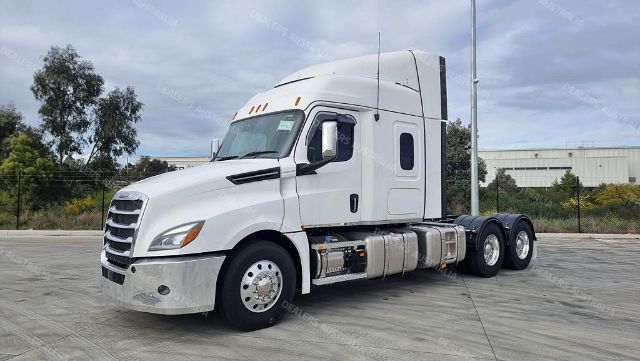
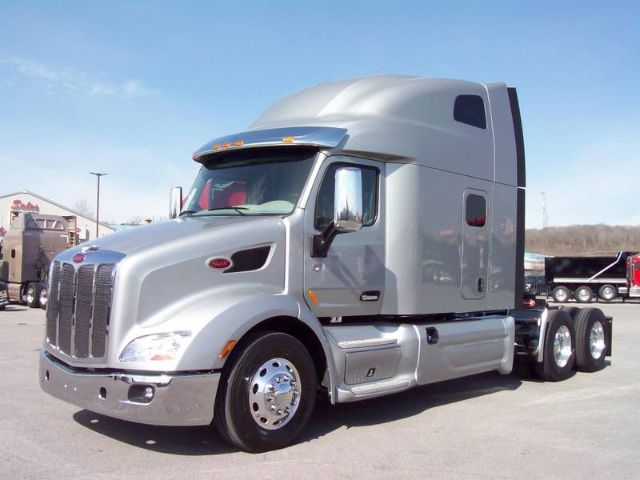
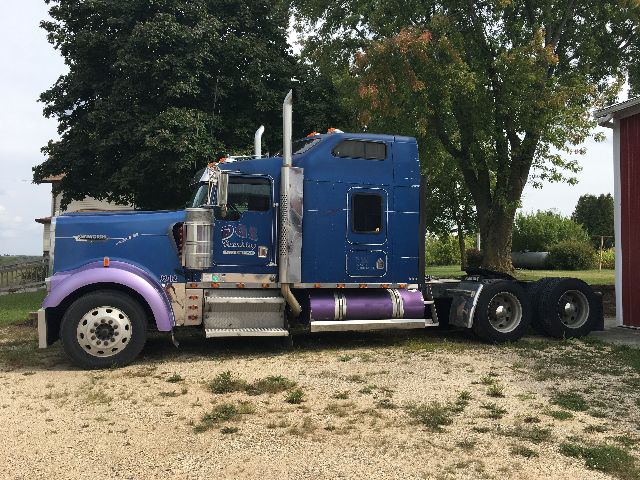

Selling a used cabover sleeper truck? List your used cabover sleeper truck for sale and reach thousands of commercial buyers.
Used Cabover Sleeper Trucks
The used market includes a wide spread of specs, so application should drive the shortlist. Pay close attention to sleeper size, axle configuration, wheelbase, engine rating, and transmission type. Many cabover sleepers are spec'd as 4x2 or 6x2 units for weight-sensitive regional work, while 6x4 setups remain common for heavier freight and mixed terrain. Horsepower and torque should be matched to gross combination weight and terrain, not just headline numbers. Automated manual transmissions are common in newer fleet trucks, but many buyers still prefer a manual for driver preference or simpler long-term service strategy. Front axle capacity, rear ratio, and tire size all affect launch, cruise rpm, and fuel economy, so those details matter more than badge alone.
A used cabover sleeper should be evaluated closely for cab suspension wear, steering play, cooling system condition, and evidence of hard stop-and-go service. Since the cab tilts for engine access on many COE designs, inspect tilt components, hinges, latches, and hydraulic mechanisms. Inside the sleeper, check bunk structure, storage layout, HVAC performance, insulation, and signs of water intrusion. On higher-mile units, look hard at emissions system history, overhead wiring condition, dash electronics, and service records for clutch, transmission, and kingpin-related wear if the truck spent time in tight dock work. Driver comfort also deserves attention because cabovers typically place the operator closer to the steer axle, which can change ride feel and noise levels on rough pavement.
For the right operation, a used cabover sleeper can be a practical way to balance overnight capability with compact dimensions. Buyers hauling regional dry van, refrigerated freight, intermodal containers, or dedicated urban routes often value the shorter overall package and improved sight lines. The best unit is usually the one with a documented maintenance history, a sleeper size that matches route length, and a powertrain spec aligned with actual freight demands. When comparing listings, focus less on model-year alone and more on how the truck was spec'd, maintained, and used.
Frequently Asked Questions about Used Cabover Sleeper Trucks
What is a cabover sleeper truck?
A cabover sleeper truck is a tractor with the cab mounted over the engine and a sleeper compartment behind the seats. This design shortens overall vehicle length compared with a conventional sleeper tractor, which helps in tight city streets, terminals, ports, and customer yards. The sleeper allows for overnight or multi-day use while keeping the truck compact.
What should I inspect first on a used cabover sleeper?
Start with maintenance records, engine and emissions history, transmission performance, and cab tilt operation if the model uses a tilt-cab design. Then inspect steering components, cab mounts, suspension wear, cooling system condition, and any signs of leaks or deferred repairs in the sleeper area. Interior condition matters more than many buyers think because water intrusion, HVAC faults, and electrical issues can become costly quickly.
Are cabover sleeper trucks good for long-haul use?
They can be, but they are usually strongest in regional, urban, port, and space-restricted applications. A cabover sleeper gives you rest space without the longer wheelbase of a conventional tractor, but ride quality and cab noise can be less forgiving depending on the model and suspension setup. For frequent long-haul runs, sleeper size, seat comfort, insulation, and drivetrain gearing should be checked carefully.
Which specs matter most when buying a used cabover sleeper truck?
The most important specs are sleeper size, axle configuration, wheelbase, engine horsepower and torque, rear axle ratio, transmission type, and front and rear axle ratings. These determine how the truck will handle payload, grades, tight turns, fuel economy, and driver comfort. Buyers should also review tire size, brake configuration, and any idle-reduction or driver-assist equipment if uptime and operating cost are priorities.
Why do some fleets choose cabover sleeper trucks instead of conventional sleepers?
Fleets choose cabover sleepers when overall length, maneuverability, and visibility matter more than having a long conventional hood. The shorter chassis can improve turning radius and make docking or navigating congested areas easier. In operations where every foot counts, a cabover can help match sleeper capability with a compact tractor footprint.