
2025 Mack Cab and Chassis Trucks For Sale
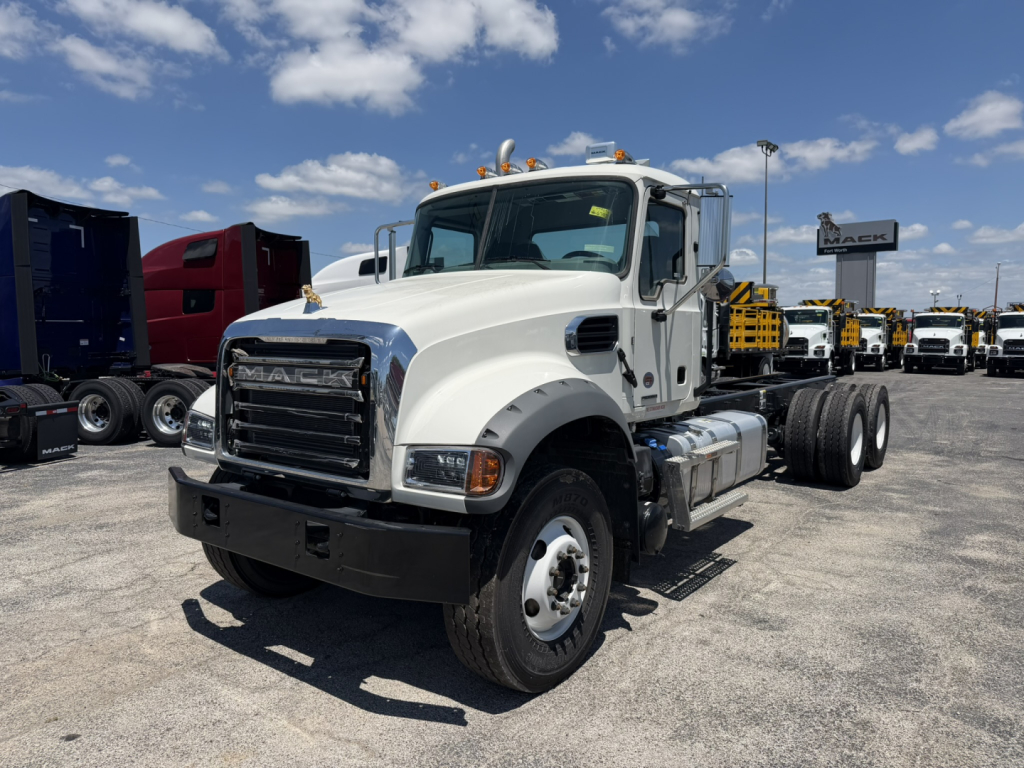
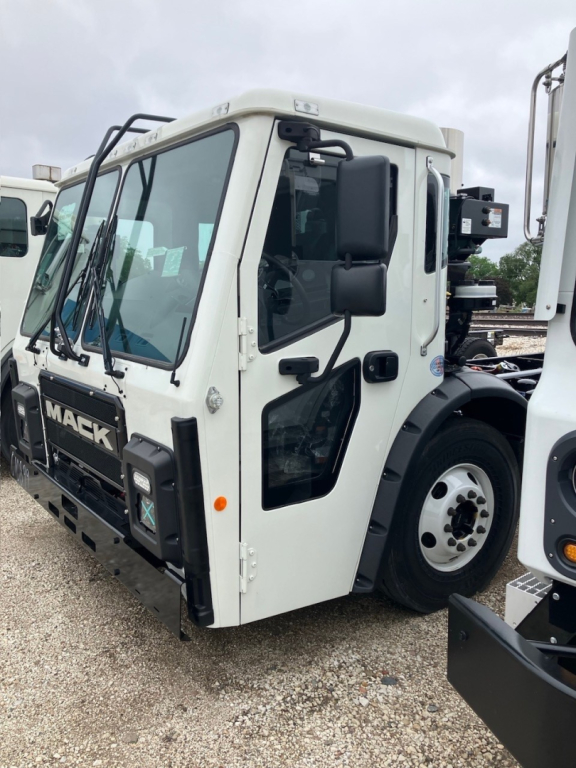
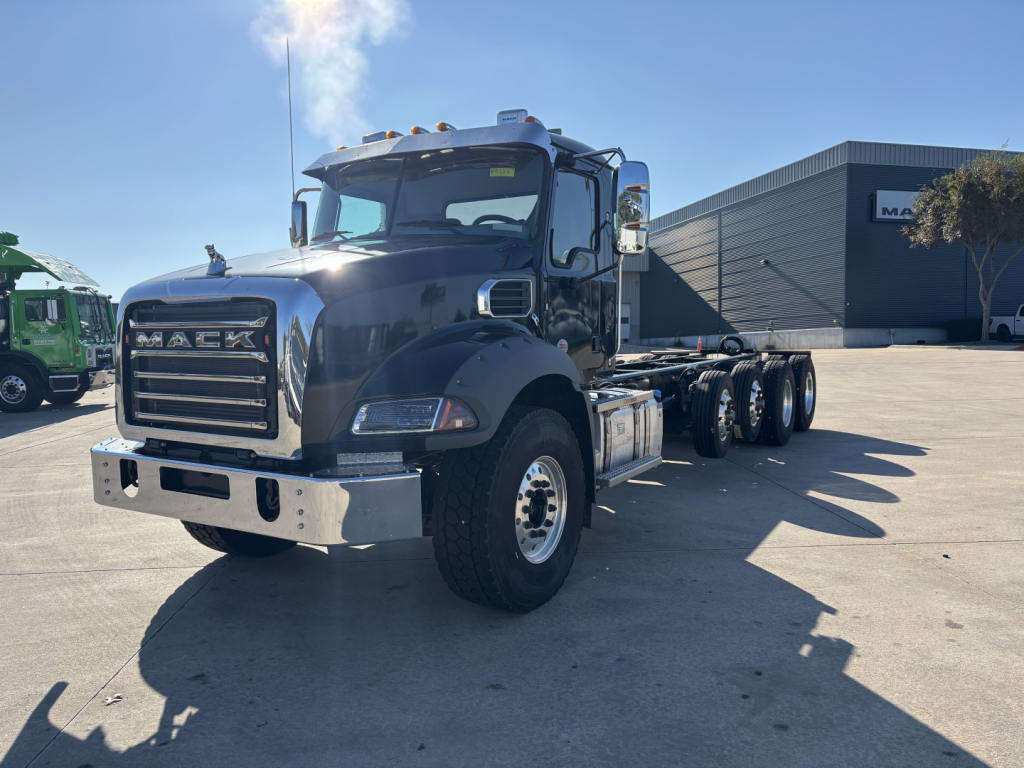
Shop 2025 Mack cab and chassis trucks built for body upfits, vocational work, and durable performance with Granite and heavy-duty specs.
Learn more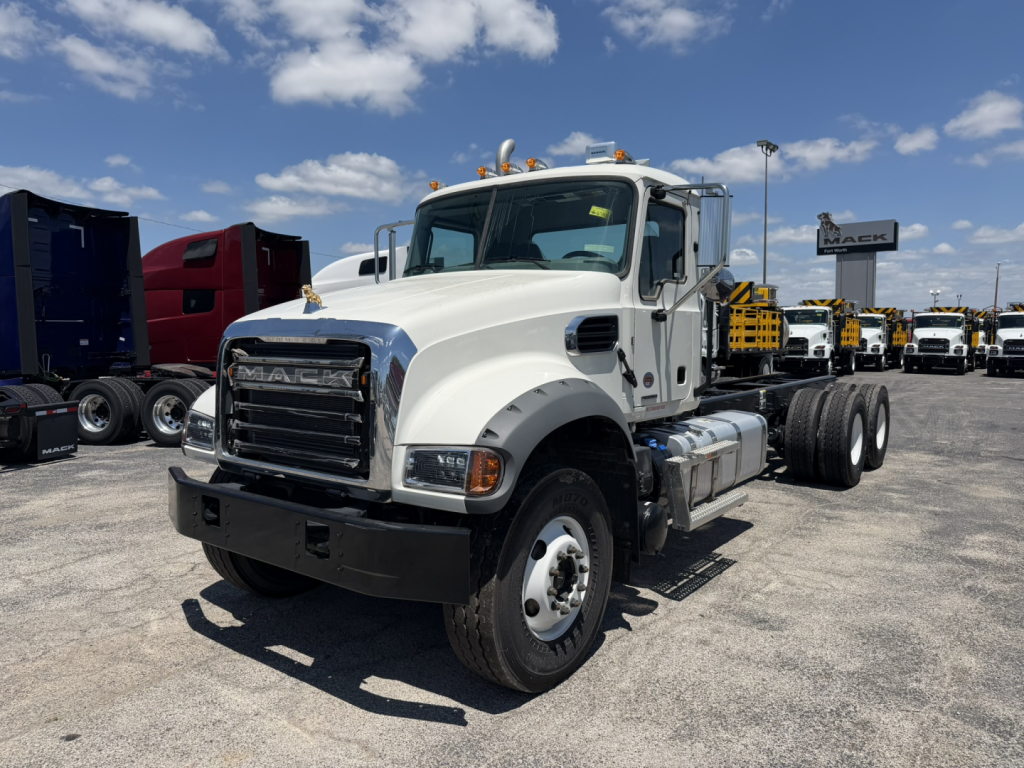
Have 2025 mack cab and chassis truck to sell? List it here to reach thousands of buyers.
About 2025 Mack Cab and Chassis Trucks
The first decision is usually chassis layout. Buyers should focus on wheelbase, cab-to-axle, and cab-to-end dimensions because those numbers determine what body can be installed and how weight will balance across the axles. Front axle ratings in this class often step into heavy vocational territory, while rears commonly support tandem configurations for higher GVWR and body payload. Mack cab and chassis trucks are often spec'd with Camelback or other vocational suspensions, locking differentials, double-frame options on severe applications, and rear axle ratios selected for startability and jobsite performance rather than highway cruise speed alone.
Powertrain selection matters because a cab and chassis truck may spend its life in city routes, quarries, paving work, or utility service. Mack MP engines are common in this category, with horsepower and torque ranges suited to PTO-driven equipment and loaded starts. Transmissions may include Mack mDRIVE automated manuals for easier operation and consistent shifting, or Allison automatics where stop-and-go work and PTO integration are priorities. Brake spec is another major checkpoint. Some buyers prefer drum brakes for vocational durability and service familiarity, while others want disc brakes for stronger on-road stopping performance. Fuel tank capacity, lift axle prep, frame spacing, and body-builder provisions can also make a major difference once the truck is sent for upfit.
A good 2025 Mack cab and chassis spec is the one that fits the body, target payload, and operating environment without wasting capacity or creating axle balance problems. For snow and ice regions, corrosion protection and frame cleanliness matter. For construction fleets, ground clearance, ride height, and suspension durability usually move to the top of the list. For municipal or utility work, maneuverability, visibility, PTO compatibility, and idle management can be just as important as raw horsepower. Buyers comparing listings should read past the model name and concentrate on the chassis measurements, axle ratings, transmission type, suspension, and body-ready equipment because those details determine how well the truck will perform after the upfit is installed.
Frequently Asked Questions
What is a Mack cab and chassis truck used for?
A Mack cab and chassis truck is a body-ready platform designed to accept a vocational upfit. Common uses include dump trucks, refuse trucks, roll-off trucks, concrete mixers, utility bodies, flatbeds, tank trucks, hooklift applications, and municipal equipment. The chassis is sold with the cab, frame, axles, and driveline in place so the buyer or body builder can install the correct body for the intended work.
What specs matter most when buying a 2025 Mack cab and chassis?
The most important specs are wheelbase, cab-to-axle, cab-to-end, front and rear axle ratings, suspension type, transmission, rear ratio, and engine PTO compatibility. Those numbers determine body fitment, legal axle loading, turning radius, and job performance. Buyers should also confirm frame configuration, brake type, fuel capacity, and any body-builder switches or wiring provisions that simplify the upfit process.
Which Mack models are common in cab and chassis configurations?
The Mack Granite is one of the most common cab and chassis platforms for vocational work because it is designed for construction, municipal, and severe-service applications. Depending on market and application, other Mack configurations may also appear as body-ready chassis. The exact model matters less than the actual chassis spec, because two trucks with the same model name can be built very differently for different body installations and operating conditions.
Should I choose an mDRIVE or an Allison transmission in a Mack cab and chassis truck?
That depends on the duty cycle and body equipment. Mack mDRIVE automated transmissions are popular when buyers want efficient operation, consistent shifting, and reduced driver fatigue in heavy-duty vocational service. Allison automatic transmissions are often preferred for stop-and-go routes, PTO-intensive work, and applications where smooth low-speed control is critical. The best choice usually comes down to route type, driver mix, body equipment, and maintenance preference.
How do I know if a cab and chassis will work for the body I plan to install?
Start with the body manufacturer’s required cab-to-axle and frame length, then verify axle ratings, frame height, frame rail dimensions, and any PTO or electrical requirements. Weight distribution is critical, especially on dump, tank, and roll-off applications where body placement affects steer axle and drive axle loading. A truck can have enough total GVWR and still be a poor fit if the wheelbase or cab-to-axle measurement is wrong for the body.