
Bus Trucks For Sale in Maine
Browse bus trucks for sale in Maine, including school and shuttle bus configurations with common chassis, passenger capacity, and spec insights.
Learn more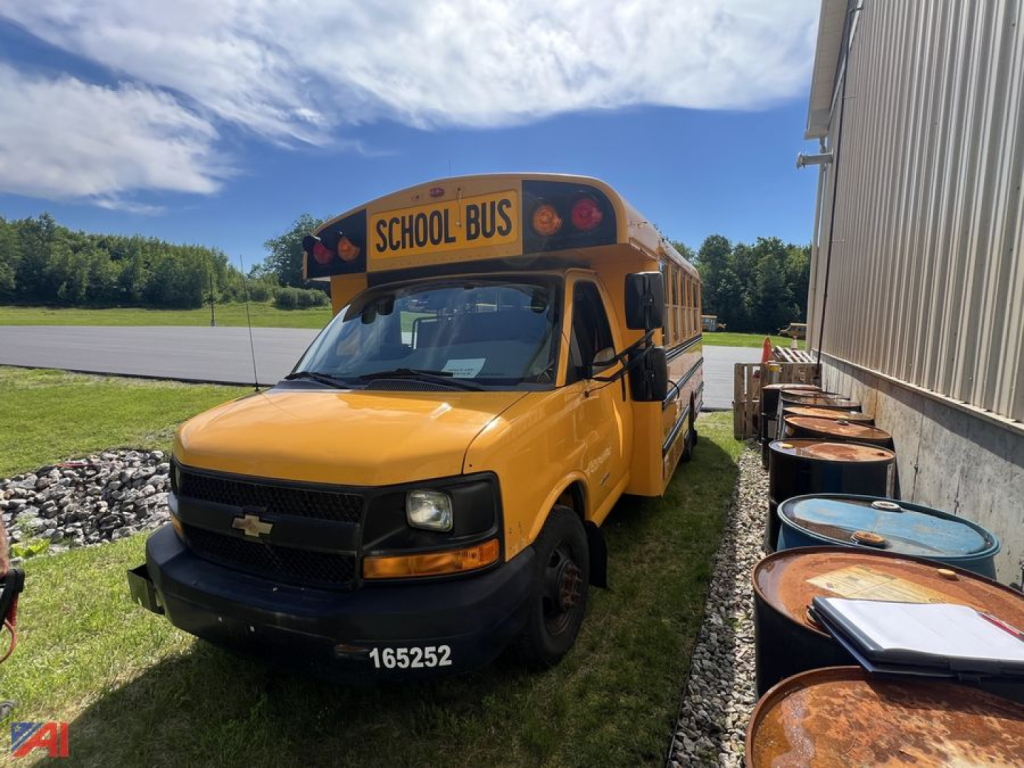
Have bus truck to sell? List it here to reach thousands of buyers.
About Bus Trucks in Maine
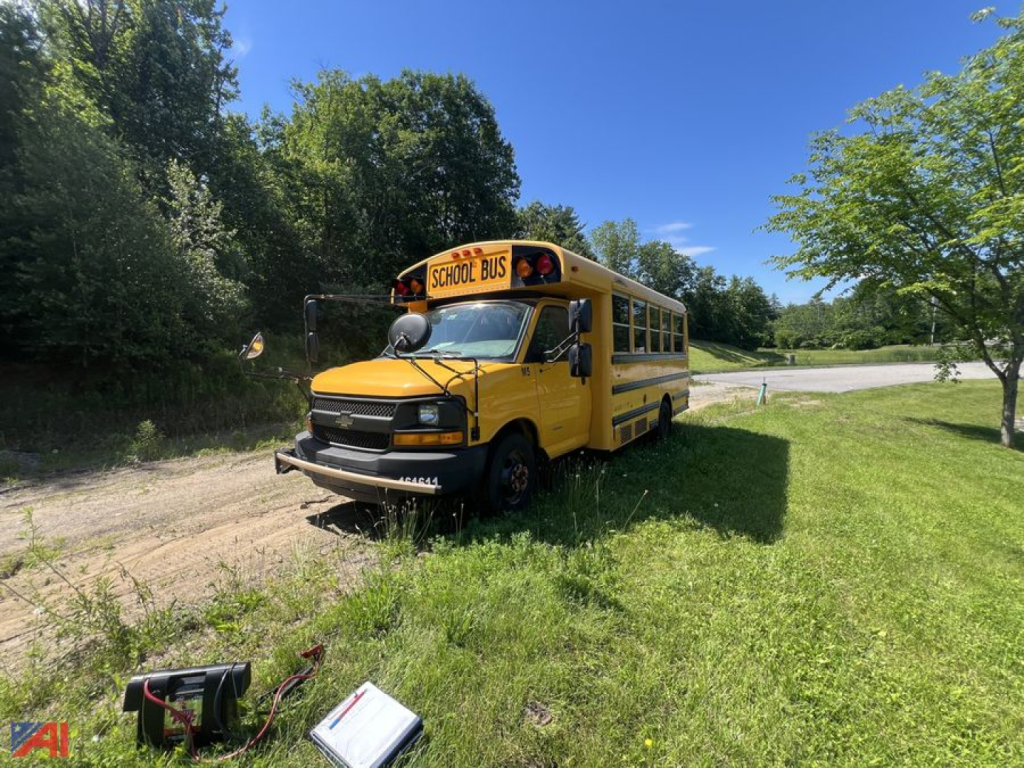
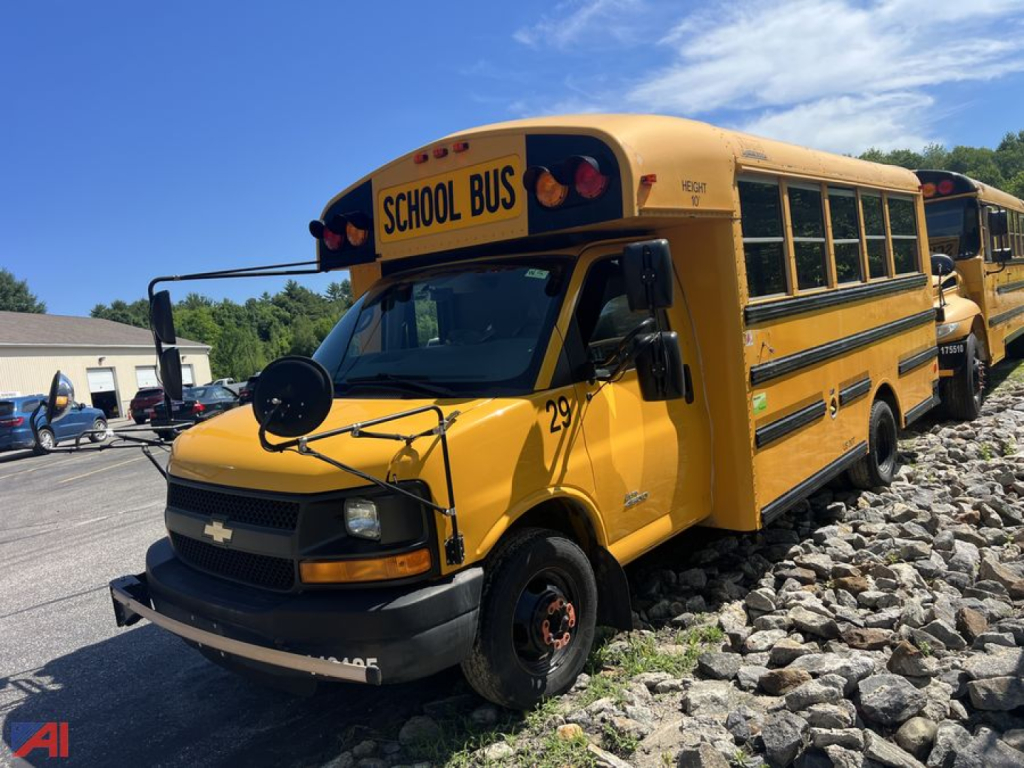
A full-size school bus is typically the better fit for higher passenger counts, longer daily routes, and fleets that need the durability of heavier axles, larger brakes, and purpose-built bus body construction. These units are often spec'd with diesel engines, automatic transmissions, underbody storage options, and standard school transportation safety equipment. Cutaway buses, also called shuttle buses or mini buses depending on body style, are easier to maneuver in tighter lots and older town streets, and they are often chosen for smaller student groups, special needs transport, senior transportation, or private shuttle work. Buyers comparing a full-size bus to a cutaway should pay close attention to GVWR, wheelbase, interior headroom, entry door configuration, and service access to engine and HVAC components.
Condition matters more on a bus than many buyers expect because passenger equipment sees constant stop-and-go use, long idle time, and heavy seasonal HVAC demand. A smart evaluation includes floor structure, stepwell condition, body corrosion, frame rust, window seals, emergency exits, heater performance, and the operation of warning lights or accessibility equipment if fitted. In Maine, rust exposure from winter road treatment is a major factor, so undercarriage inspection is critical. Tire age, brake wear, suspension condition, and documented maintenance history can tell you a lot about how the bus was operated. If the bus is being repurposed outside school service, confirm title status, seating layout, and any state or local compliance requirements before purchase.
For most buyers, the best bus is the one matched closely to route type and passenger load, not just the lowest upfront price. A lighter cutaway may reduce operating costs for low-volume service, while a conventional school bus may hold up better in repeated route work with higher occupancy. Heating performance, cold-weather starting, visibility, turning radius, and parts support should all be part of the decision in a northern market like Maine. When comparing listings, focus on body style, seating capacity, powertrain, rust level, and maintenance records first, because those factors usually determine long-term value more than model year alone.
Frequently Asked Questions
What is the difference between a full-size school bus and a cutaway bus?
A full-size school bus uses a purpose-built bus body on a heavier chassis and is designed for higher passenger counts, frequent stop-and-go routes, and long service life. A cutaway bus is built on a van-style chassis with a bus body added behind the cab, making it easier to maneuver and often less expensive to operate for smaller groups. Full-size buses generally offer greater seating capacity and heavier-duty components, while cutaway buses are common for shuttle work, special needs transport, and lower-volume routes.
What should I inspect first when buying a used bus in Maine?
Start with rust and structural condition. Maine buyers should closely inspect the frame, underbody, stepwell, floor, wheel wells, suspension mounting points, and lower body panels because winter road salt can shorten service life. After that, check brakes, tires, HVAC operation, emergency exits, electrical systems, and maintenance records. A clean-looking body does not always reflect the condition underneath, so undercarriage inspection is essential.
Are bus trucks in this category usually diesel or gas?
Both are common, but the chassis and application usually determine the engine type. Full-size school buses are often diesel because they are built for heavier route duty and longer service cycles. Cutaway buses, including many Chevrolet Express-based units, are frequently equipped with gasoline engines, although diesel versions also exist. Buyers should compare fuel type with local service support, expected mileage, idle time, and total maintenance cost rather than assuming one is automatically better.
How do I choose the right passenger capacity for a bus?
Choose capacity based on your real daily load, not your occasional peak. A bus that is too large can add unnecessary fuel, tire, and maintenance costs, while one that is too small limits route flexibility and may create compliance issues. Also consider whether the bus needs wheelchair positions, luggage space, wider aisles, or room for adult passengers, because those factors can reduce seated capacity compared with a standard school route layout.
Can a used school bus be repurposed for shuttle or private use?
Yes, but buyers should confirm how the bus will be titled, registered, and insured before purchase. School buses may need changes to warning light systems, stop arms, seating layout, or signage depending on the intended use and state requirements. If the bus has wheelchair equipment or specialized seating, verify that those systems are operational and suitable for your application. Repurposing can be cost-effective, but compliance and conversion costs should be reviewed early.