
Ford Bus Trucks For Sale in Vermont
Shop Ford bus trucks for sale in Vermont. Compare E450 shuttle and wheelchair buses by seating, lift setup, GVWR, and service history.
Learn more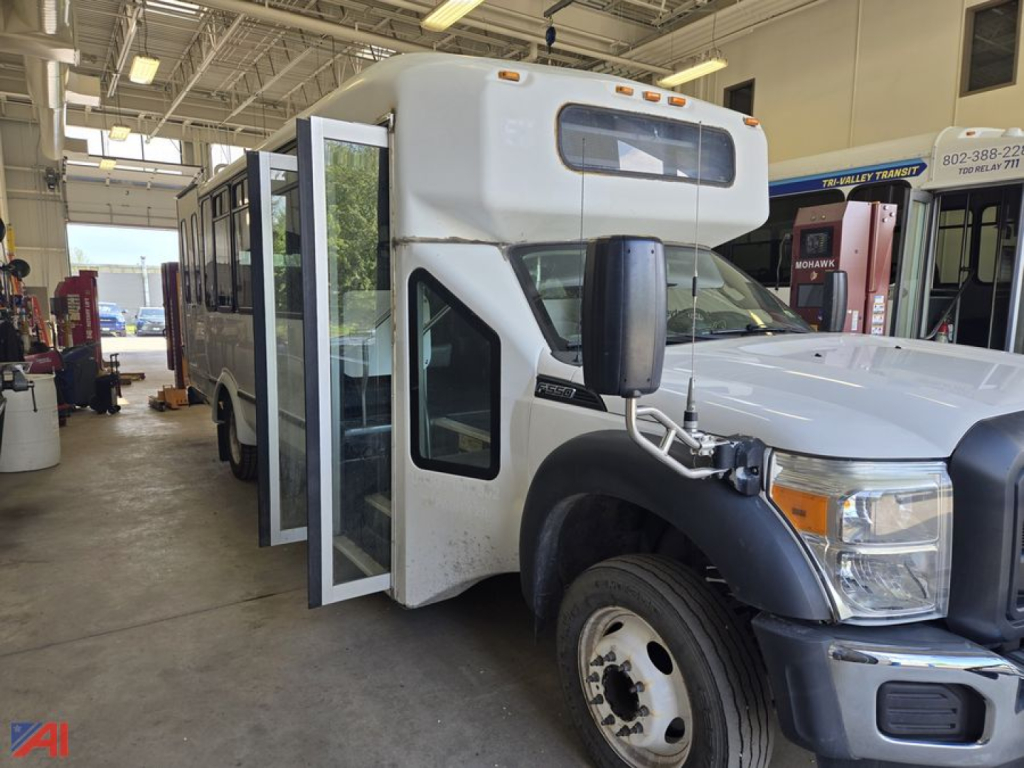
Have ford bus truck to sell? List it here to reach thousands of buyers.
About Ford Bus Trucks in Vermont
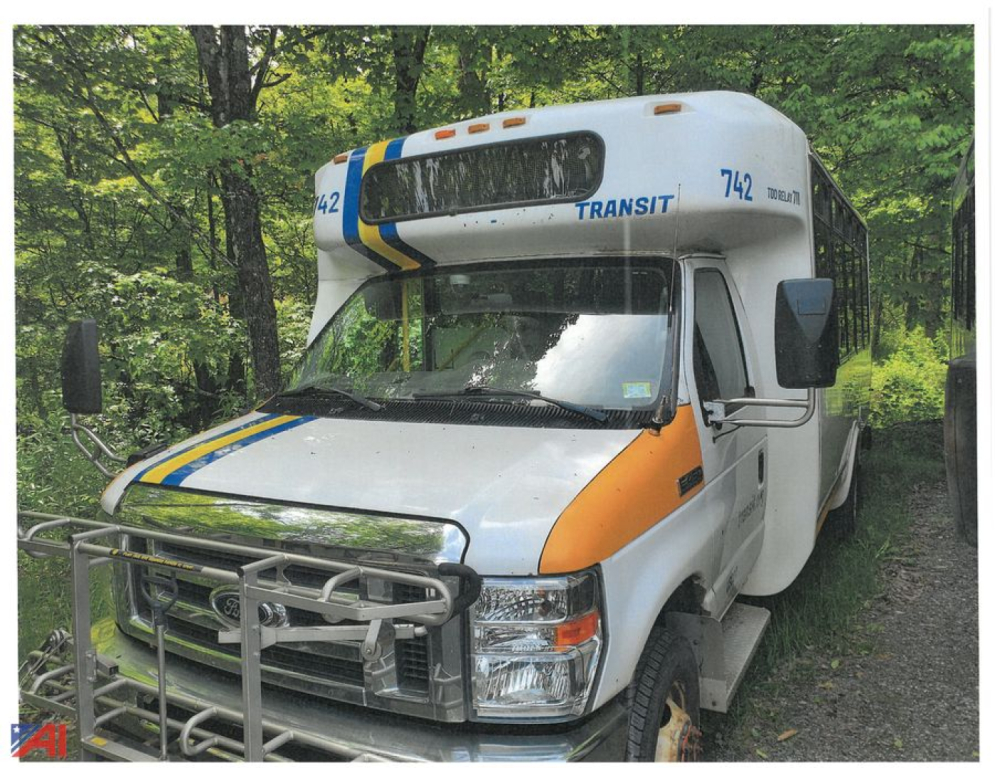
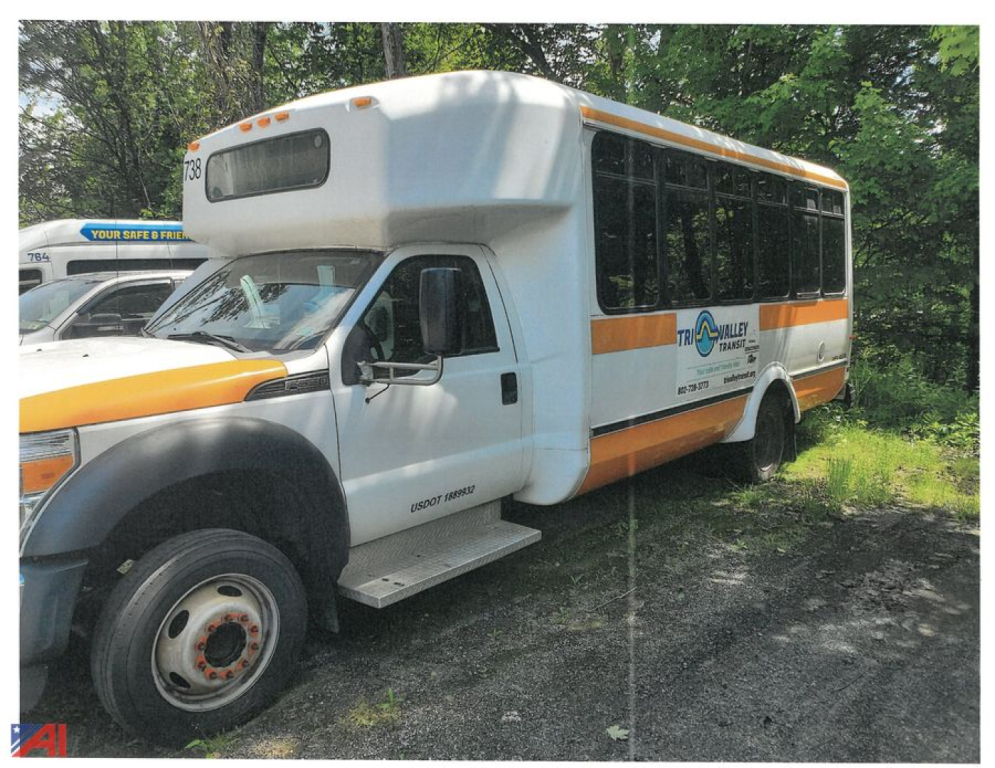
The first buying decision is usually layout, not just mileage. A standard shuttle configuration may prioritize total seating count, while an ADA setup trades some passenger positions for wheelchair stations, tie-downs, and lift access. Many Ford E450 bus trucks use rear or side-entry wheelchair lifts, and buyers should inspect lift brand, platform dimensions, cycle count, and interlock operation. Interior condition matters more than many buyers expect. Check seat mount integrity, flooring wear, HVAC performance, stepwell condition, and whether the bus has dual rear A/C, auxiliary heaters, or rear heat for cold-weather operation. In Vermont, rust exposure can be a major factor, so underbody corrosion, brake lines, body mounts, and lower skirt panels deserve close attention.
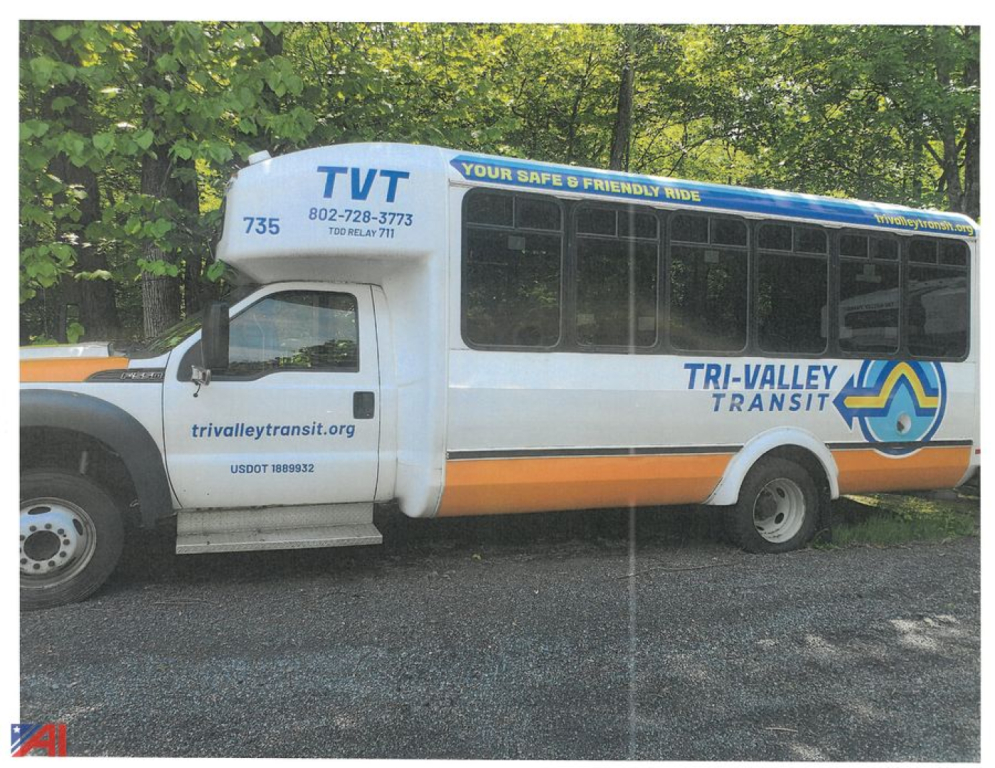
On the chassis side, Ford E450 buses are known for straightforward serviceability and a GVWR that suits medium-capacity passenger work. Depending on body length and configuration, you may see seating capacities ranging from roughly 12 passengers up to 25 or more, with lower counts on wheelchair-equipped units. Common specs include automatic transmissions, dual rear wheels, gasoline V8 or older V10 power, hydraulic brakes, and commercial electrical systems to support passenger lighting, lift equipment, and climate control. A buyer should confirm actual axle ratings, tire date codes, charging system health, and whether the body manufacturer integrated cleanly with the Ford chassis wiring. Service records are especially important on shuttle and paratransit buses because idle time, frequent stop cycles, and accessory loads can affect long-term reliability as much as odometer miles.
Ford bus trucks are a practical fit for operators who need a serviceable, familiar platform without moving into a full-size transit bus. They are easier to route through tighter town centers, medical campuses, and rural pickup areas than larger coach-style buses, and they can be equipped for accessible transport with relatively simple driver training requirements. For buyers comparing multiple listings, the best unit is often the one with the right seating and mobility configuration, a clean maintenance history, strong HVAC performance, and minimal corrosion rather than the newest model year alone.
Frequently Asked Questions
What is the most common Ford bus truck configuration on the used market?
The most common configuration is a Ford E450 cutaway shuttle bus or wheelchair bus. This chassis is widely used because it supports a range of body lengths, passenger layouts, and ADA equipment while remaining familiar to commercial fleet technicians. Many used examples come from transit agencies, senior transport fleets, churches, schools, and private shuttle operators.
How many passengers does a Ford E450 bus typically carry?
Passenger capacity depends on body length, seat spacing, and whether the bus includes wheelchair positions. A standard shuttle layout may seat around 12 to 25 passengers, while an ADA-equipped unit usually has fewer fixed seats to allow room for mobility devices and tie-down stations. Always verify the exact seating chart and legal capacity on the body plate or fleet documentation rather than assuming capacity from appearance alone.
What should buyers inspect on a used wheelchair bus?
The wheelchair lift and securement system should be inspected first. Check that the lift deploys smoothly, the interlocks function correctly, handrails are secure, and the platform is not bent or excessively corroded. Buyers should also inspect tie-down tracks, occupant restraint systems, door seals, stepwell lighting, and floor integrity around lift entry points, since these areas see concentrated wear in paratransit service.
Are Ford bus trucks a good choice for Vermont operators?
They can be a strong fit for Vermont because the E450 platform is maneuverable enough for small towns, rural routes, medical transport, and community shuttle work. The main concern is winter-related corrosion. Buyers should pay close attention to the frame, brake and fuel lines, suspension components, body skirt panels, and rear step areas, especially on units that have spent multiple seasons on salted roads.
Which matters more on a used Ford bus, mileage or maintenance history?
Maintenance history usually matters more. Shuttle and transit buses often accumulate engine hours, idle time, frequent door cycles, and repeated HVAC use that do not show up fully in mileage alone. A bus with documented maintenance, strong charging and cooling systems, clean underbody condition, and properly serviced lift equipment is often a better purchase than a lower-mile unit with poor records.