
2017 Ford Bus Trucks For Sale
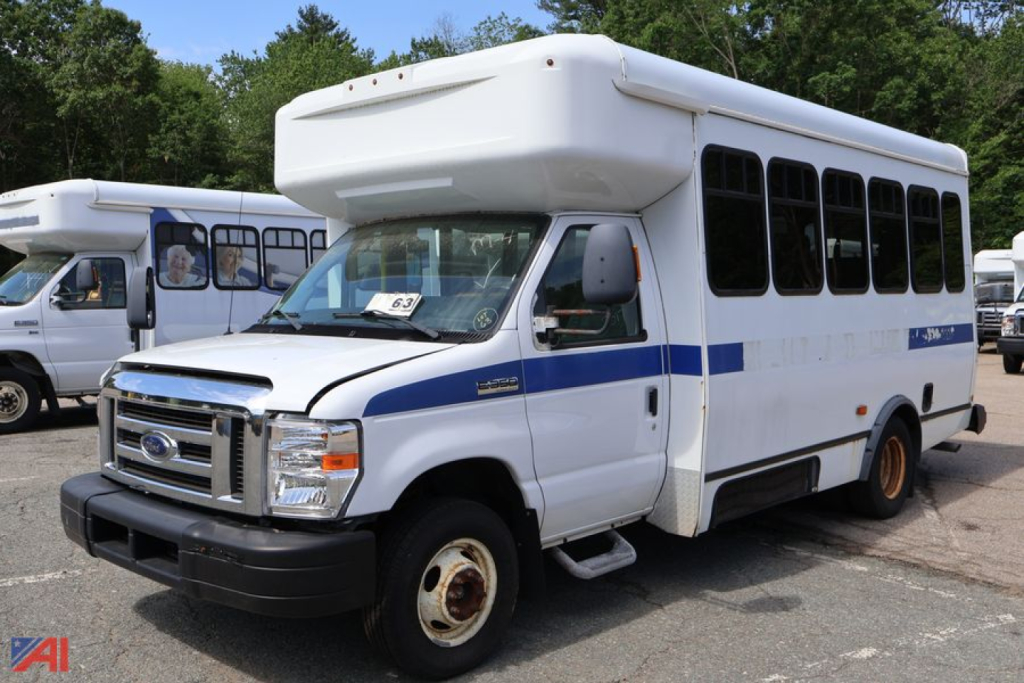
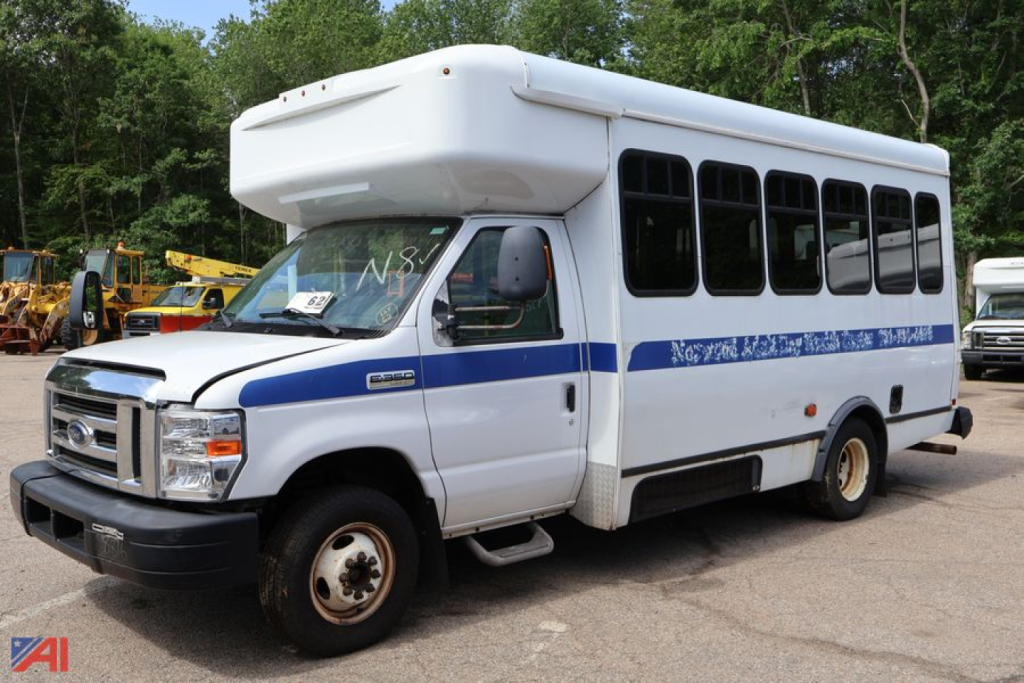
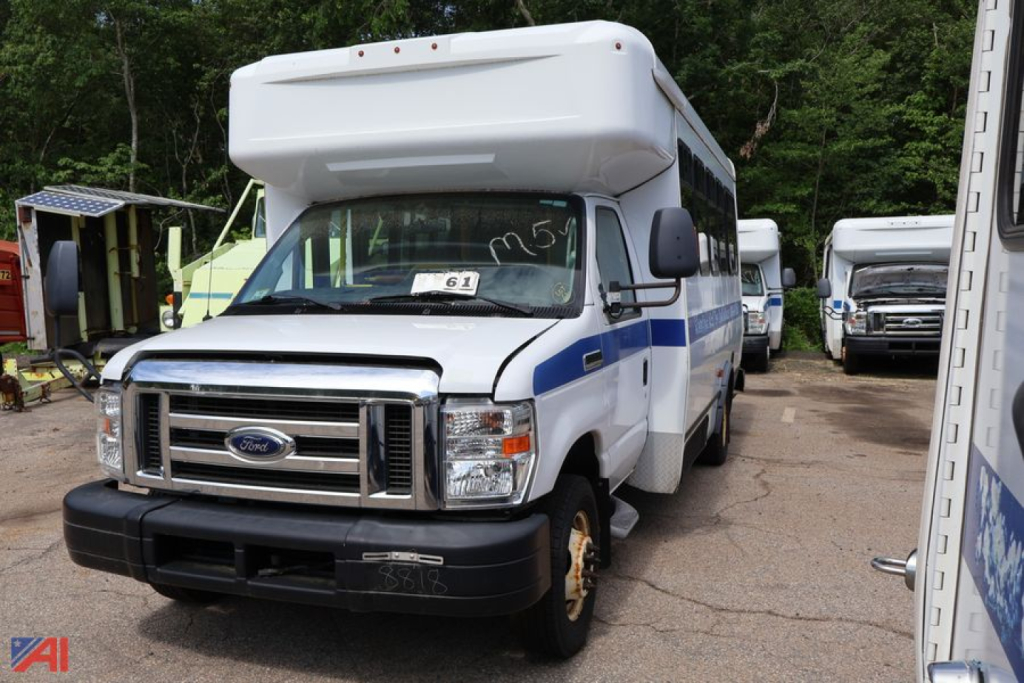
Shop 2017 Ford bus trucks including E350 and Super Duty shuttle bus configurations, wheelchair-accessible layouts, and commercial transit bodies.
Learn more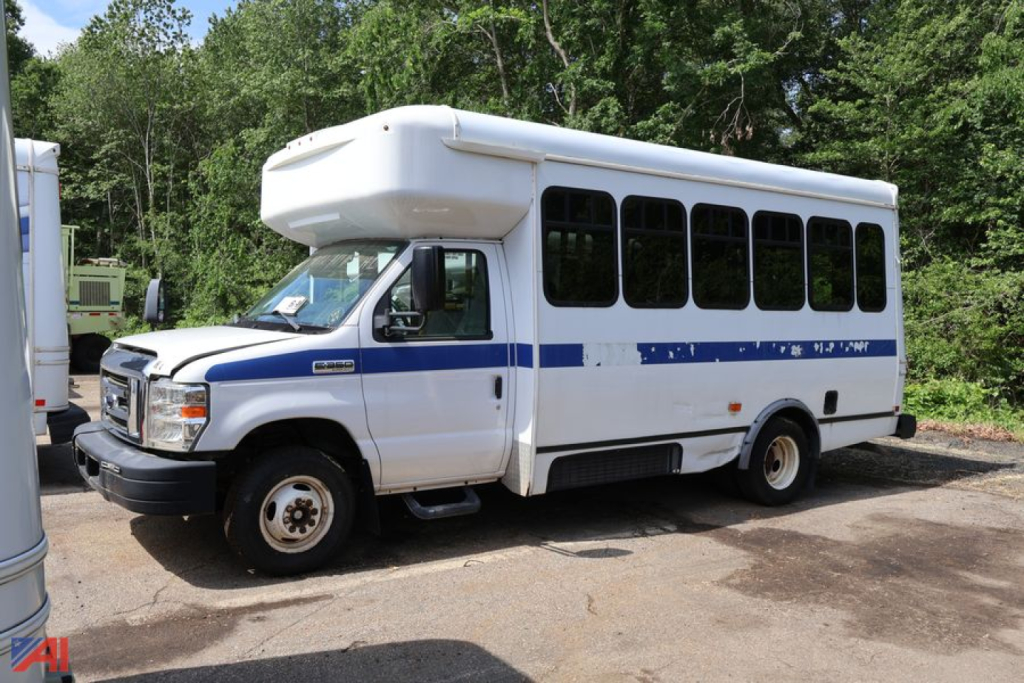
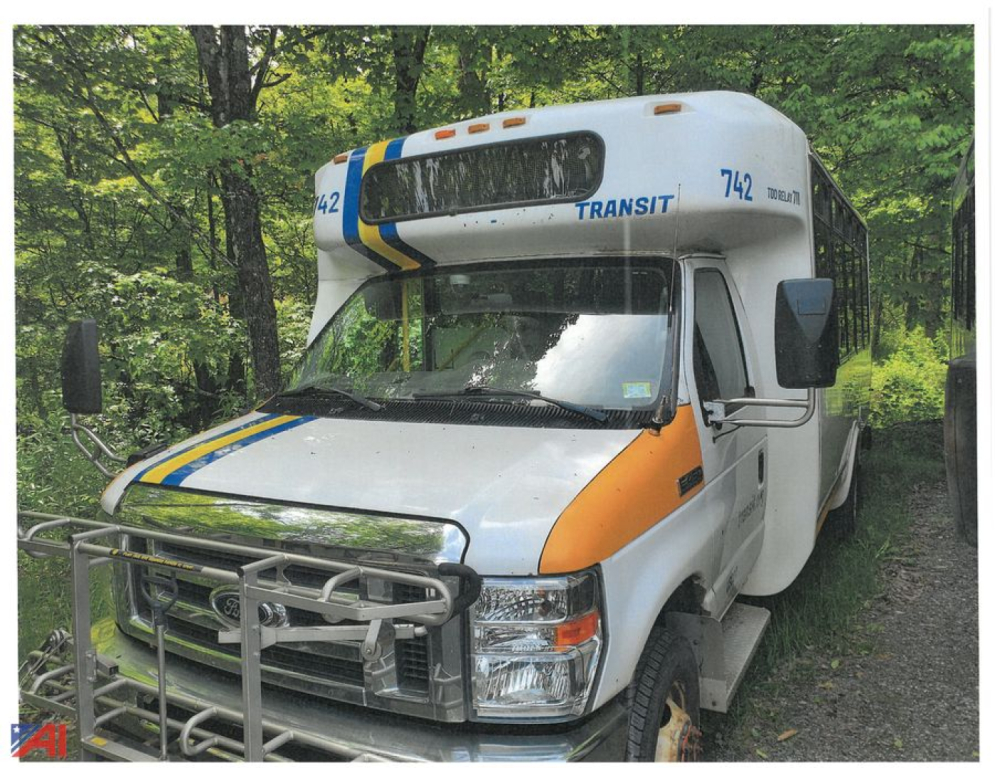
Have 2017 ford bus truck to sell? List it here to reach thousands of buyers.
About 2017 Ford Bus Trucks
For many buyers, accessibility equipment is the first checkpoint. A large share of 2017 Ford buses on the used market are wheelchair buses with side or rear lifts, Q'Straint or similar securement systems, lower-floor entry layouts, and ADA-focused seating plans. Beyond the lift itself, inspect door cycle counts, ramp or platform condition, interlock function, kneeling system operation if equipped, and the condition of securement tracks. Seating capacity can vary widely depending on ambulatory versus wheelchair positions, so the useful spec is not just total passengers but the exact seated-plus-mobility layout.
Powertrain and serviceability matter because these buses usually spend their life in stop-and-go duty. A 2017 Ford E350 bus will commonly be tied to the 6.8L Triton V10 and automatic transmission, a combination many fleets know well for parts access and straightforward service support. Body construction deserves the same attention as the chassis. Check for roof seam leaks, corrosion around step wells, condition of the bus body subfloor, HVAC performance front and rear, and operation of emergency exits and warning systems. On shuttle and transit-style bodies, generator systems are less common than on coach applications, so electrical condition, battery reserve, and wheelchair lift power supply should be reviewed carefully.
The right 2017 Ford bus depends on route profile, passenger mix, and licensing requirements. Shorter wheelbase E-Series buses are easier to maneuver in cities, campuses, and medical transport settings. Heavier Super Duty bus setups can make sense for higher daily cycle counts or rougher secondary roads. Buyers should compare GVWR, axle ratings, door style, interior headroom, luggage or rear storage, and overall body length before focusing on cosmetics. A clean service record, documented lift maintenance, and evidence of commercial fleet inspection history usually tell you more about future operating cost than odometer reading alone.
Frequently Asked Questions
What are the most common 2017 Ford bus truck configurations?
The most common 2017 Ford bus truck configurations are E-Series cutaway shuttle buses, especially Ford E350 units, and some heavier Ford F-550 Super Duty bus conversions. These are typically built as shuttle buses, wheelchair-accessible buses, senior transport buses, church buses, and municipal paratransit vehicles. Body builders can configure them with different roof heights, seating layouts, rear luggage space, and ADA equipment, so two buses with the same chassis can serve very different operations.
Is a 2017 Ford E350 bus a good choice for wheelchair and ADA transport?
A 2017 Ford E350 bus is a common platform for wheelchair and ADA transport because it offers a proven cutaway chassis, manageable size, and broad aftermarket body support. Many units are equipped with wheelchair lifts, securement stations, grab rails, and transit-style flooring designed for frequent passenger loading. The key is to evaluate the condition and certification history of the accessibility equipment, because lift performance, interlocks, and floor track condition are just as important as the chassis itself.
What should I inspect first on a used 2017 Ford bus?
Start with the service records, wheelchair lift history if equipped, body integrity, and HVAC operation. After that, inspect the step well, entry door mechanism, roof seams, emergency exits, seat mounting points, and underbody corrosion. On the chassis side, review engine and transmission service, front suspension wear, brake condition, and tire age. Used bus value is heavily affected by how the body and passenger systems were maintained, not just the drivetrain.
What is the difference between a Ford E350 bus and a Ford F-550 bus?
A Ford E350 bus is usually a lighter cutaway shuttle platform with good maneuverability and lower operating complexity for many passenger applications. A Ford F-550 bus generally offers a heavier-duty chassis, higher GVWR potential, and may be better suited for larger bodies, heavier passenger loads, or harder daily duty cycles. The best choice depends on passenger count, route mileage, terrain, and how much body weight comes from lifts, securement equipment, and interior build-out.
Are 2017 Ford buses expensive to maintain?
Maintenance cost depends more on duty cycle and body equipment than the model year alone. A 2017 Ford bus with a well-supported E-Series chassis can be practical to maintain because drivetrain parts and service familiarity are strong in many fleet markets. Costs rise when buses have deferred body repairs, aging wheelchair lifts, failing HVAC components, electrical issues, or water intrusion. A bus with documented preventive maintenance will usually be less expensive to own than a lower-priced unit with poor fleet history.