
2016 Ford Bus Trucks For Sale
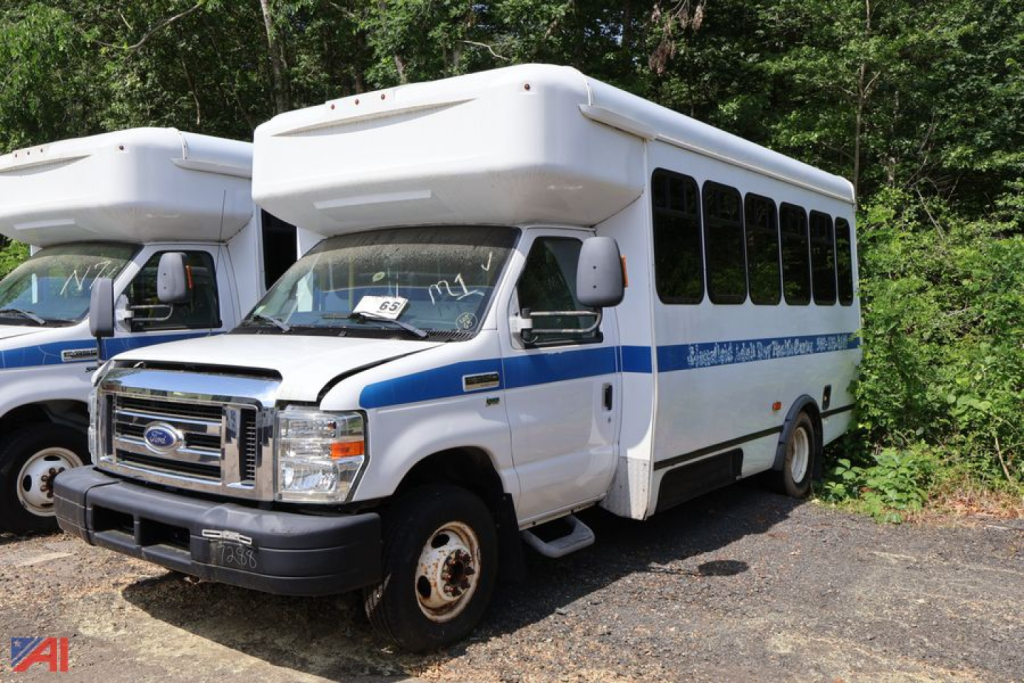
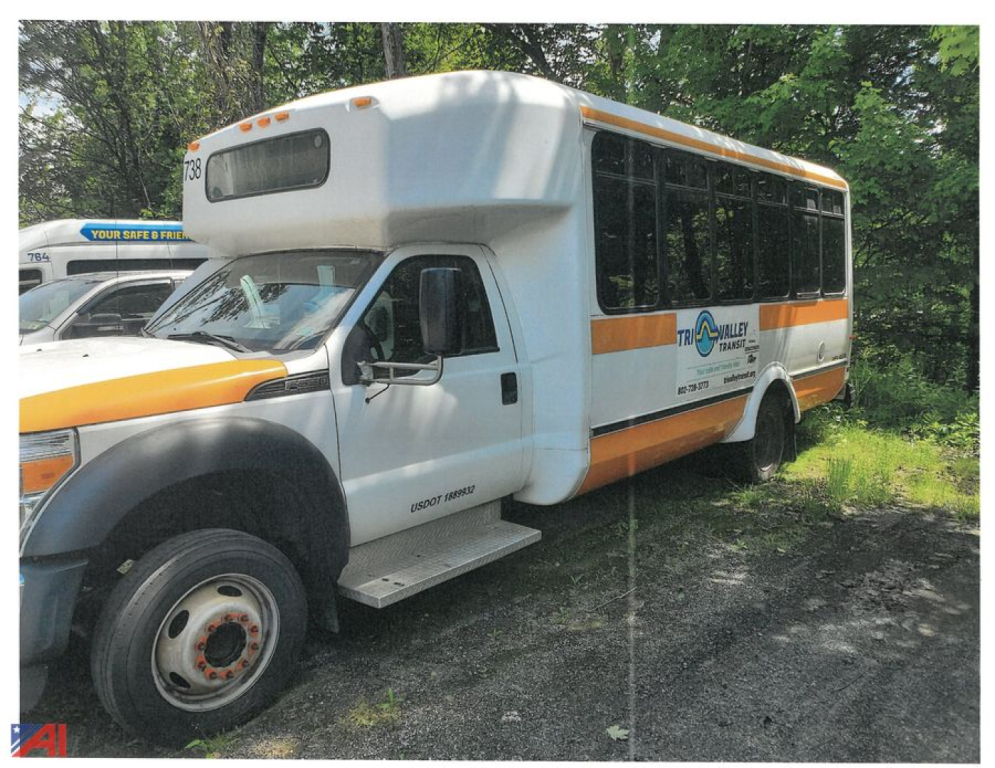
Shop 2016 Ford bus trucks for passenger, shuttle, and paratransit work. Compare E-450 and F-550 based buses, seating, lift, and service needs.
Learn more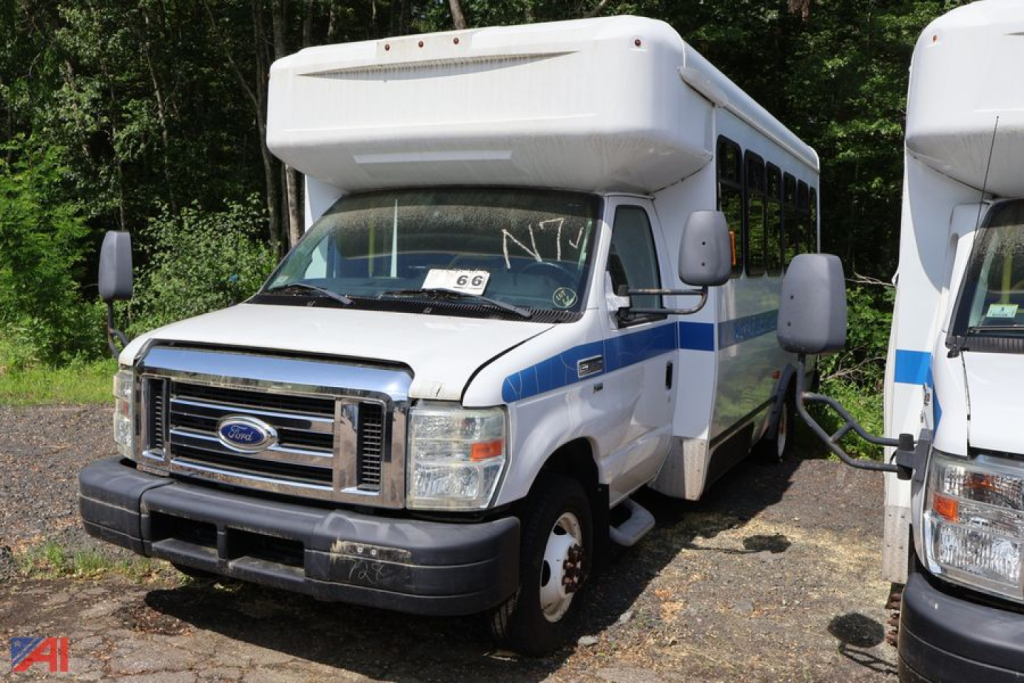
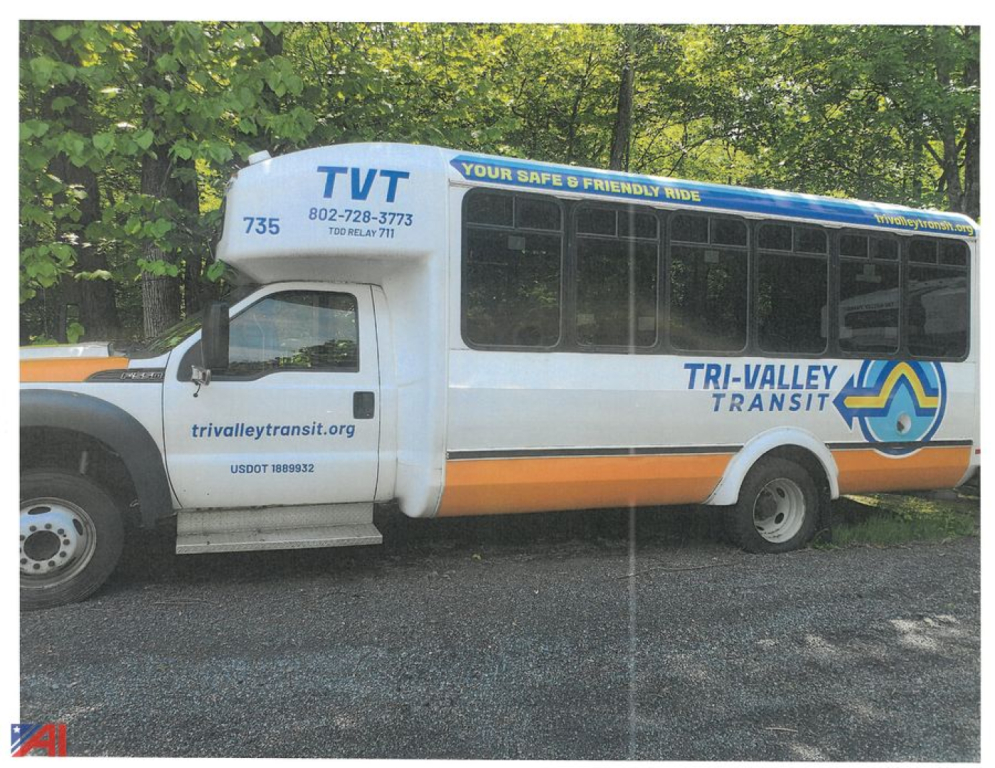
Have 2016 ford bus truck to sell? List it here to reach thousands of buyers.
About 2016 Ford Bus Trucks
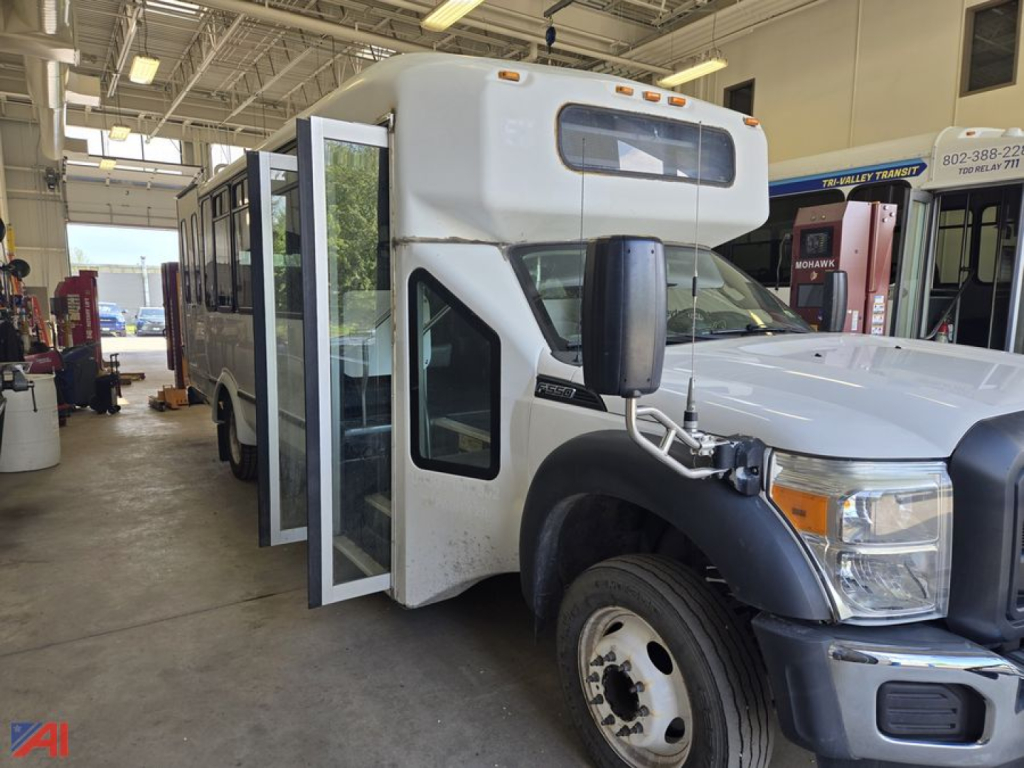
Passenger capacity and accessibility equipment should drive the shortlist early. Many 2016 Ford buses were built in 12-passenger, 14-passenger, or higher-capacity shuttle layouts, and ADA configurations may reduce seated capacity to make room for wheelchair positions and a lift. Buyers should verify lift brand, cycle condition, interlock operation, and securement hardware, along with door seals, stepwell condition, grab rails, and flooring wear. Interior climate control is another major checkpoint. Dual A/C systems and auxiliary heaters are common on bus conversions and can be expensive to sort out if neglected. If the bus will be used for public-facing routes, pay close attention to rider comfort items such as rear A/C performance, seat mounting, window hardware, PA or A/V systems, and backup alarm or camera function.
From a mechanical standpoint, a 2016 Ford bus truck should be evaluated as both a truck and a passenger body. Review engine and transmission service records, suspension wear, brake history, front-end condition, and tire age, then inspect the body structure for water intrusion, corrosion, and signs of commercial-use fatigue around entry doors and lift openings. Cutaway buses often carry weight high and rearward depending on the body design, so steering feel, spring condition, and brake performance under load deserve a road test. Electrical condition is also important because many shuttle and mobility buses have added circuits for lifts, lighting, HVAC, door controls, and entertainment systems. A clean upfit installation with labeled wiring and functional switches is a strong sign of a better-maintained unit.
For buyers comparing 2016 Ford bus trucks across multiple listings, the best value usually comes from matching the bus to the route profile instead of chasing the lowest upfront price. A hotel shuttle or church bus may prioritize seating and luggage space, while a senior transport or medical route may place more value on ADA access, low-step entry, and dependable climate control. Ford-based buses from this model year remain relevant because they are familiar to many fleets and independent service shops, and they cover a wide range of medium-duty passenger applications without moving into full-size transit bus complexity. The strongest units are the ones with clear maintenance documentation, working accessibility equipment, solid body integrity, and a seating layout that fits the job from day one.
Frequently Asked Questions
What is the difference between a 2016 Ford E-450 bus and a 2016 Ford F-550 bus?
The main difference is the underlying chassis and duty rating. A 2016 Ford E-450 bus is a very common cutaway platform for shuttle and small passenger bus applications, with widespread parts availability and familiar service needs. A 2016 Ford F-550 bus is built on a heavier-duty Super Duty chassis and may be selected for higher GVWR requirements, certain body configurations, or more demanding commercial use. The right choice depends on passenger load, body size, route conditions, and how the unit was upfitted.
How many passengers does a 2016 Ford bus typically seat?
Passenger capacity varies by body builder, interior layout, and whether the bus includes ADA equipment. Many 2016 Ford bus trucks fall into 12-passenger, 14-passenger, or small shuttle configurations, but exact capacity can change if wheelchair positions, luggage space, or wider aisle layouts are included. Buyers should confirm seated capacity, standing limitations if applicable, and the number of wheelchair securement stations before purchase.
What should I inspect first on a used 2016 Ford bus truck?
Start with maintenance records, lift operation if equipped, HVAC performance, tire date codes, brake condition, and signs of water intrusion in the passenger body. Then inspect the entry door, stepwell, wheelchair securement points, suspension, steering components, and all auxiliary electrical systems. A used bus can look clean cosmetically but still need significant work in the lift, air conditioning, or body structure, so both the chassis and the passenger compartment need equal attention.
Are 2016 Ford bus trucks good for ADA and paratransit service?
Yes, many 2016 Ford bus trucks were built specifically for ADA shuttle and paratransit use. These units often include wheelchair lifts, securement tracks, interlock systems, and interior layouts designed for mobility passengers. The key issue is not just whether the equipment is present, but whether it still operates correctly and meets the needs of the route. Lift condition, door function, floor structure, and tie-down hardware should all be checked carefully.
Why does body condition matter so much on a used bus?
Bus bodies see constant passenger traffic, repeated door cycling, and frequent low-speed urban or campus use, which creates a different wear pattern than a standard box truck or cargo van. Roof seams, side panels, flooring, stepwells, and lift openings can develop leaks, corrosion, or structural fatigue over time. A sound chassis is important, but poor body condition can create expensive repairs, downtime, and safety concerns in passenger service.