
Box Trucks For Sale in New York
Shop box trucks for sale in New York. Compare GVWR, body lengths, liftgates, reefer options, cab styles, and medium-duty diesel specs.
Learn moreBrowse Box Trucks by Make
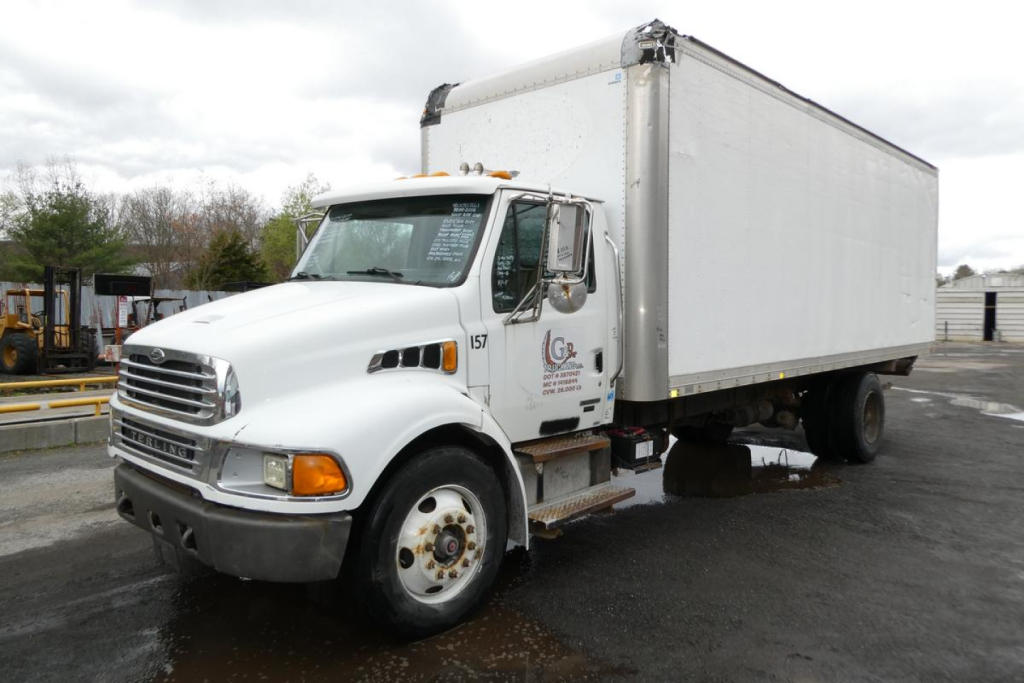
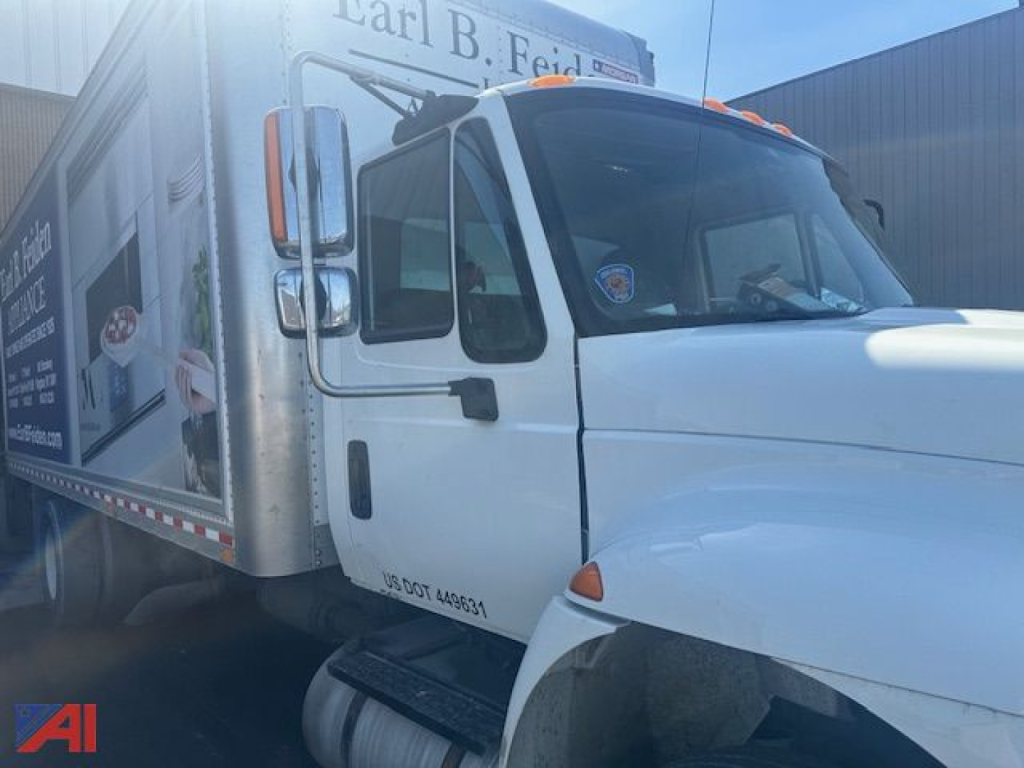
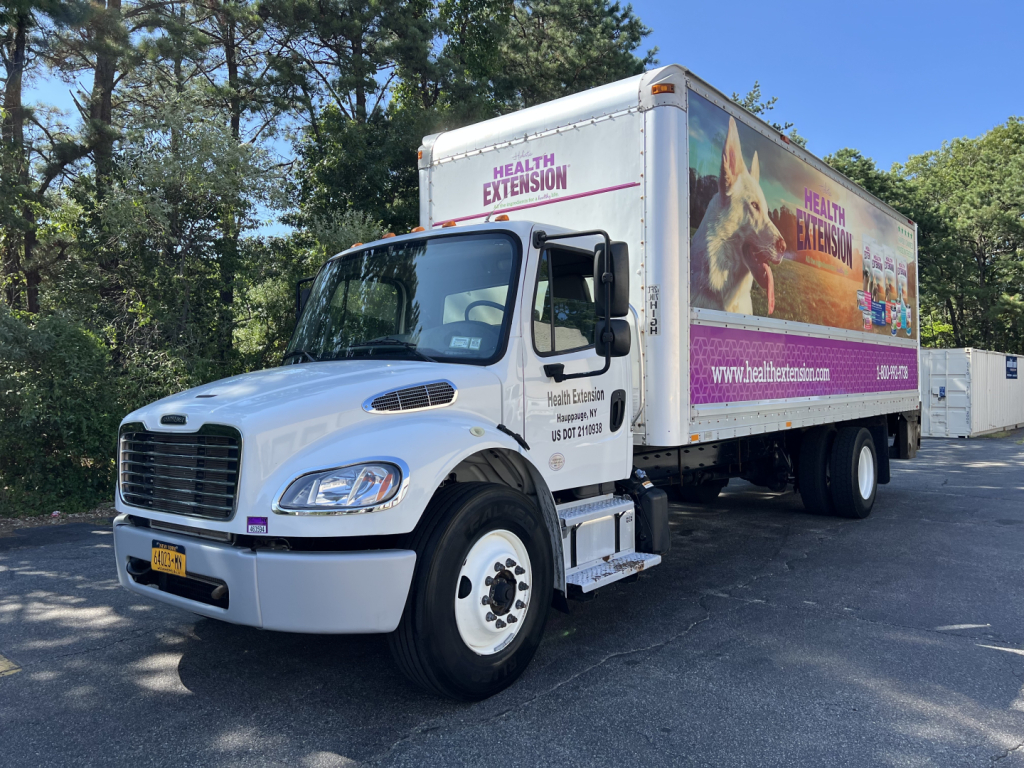
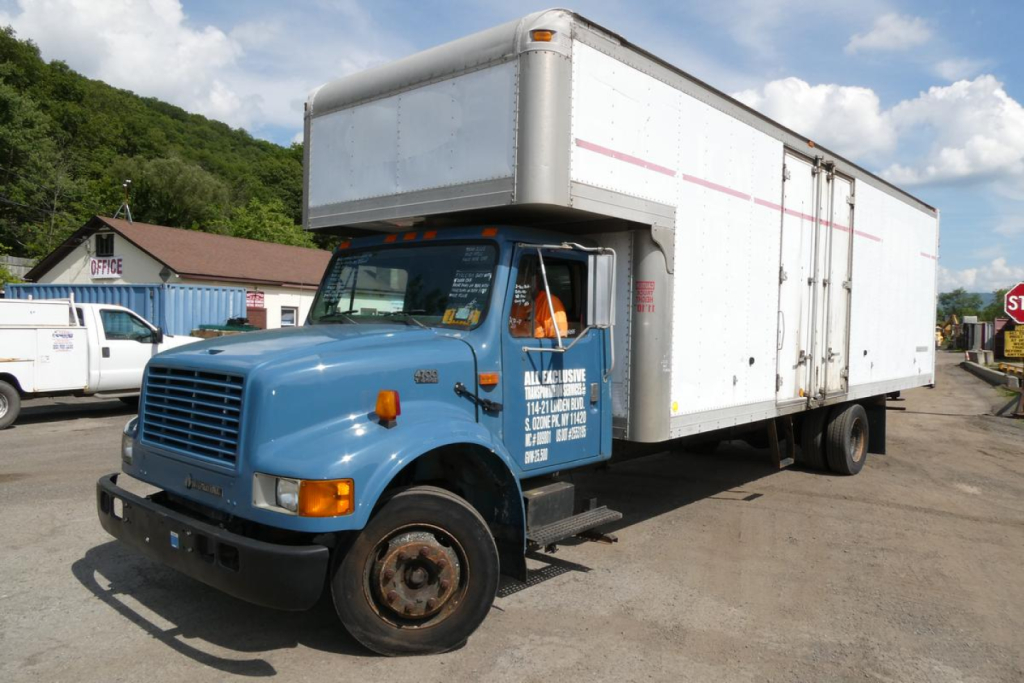

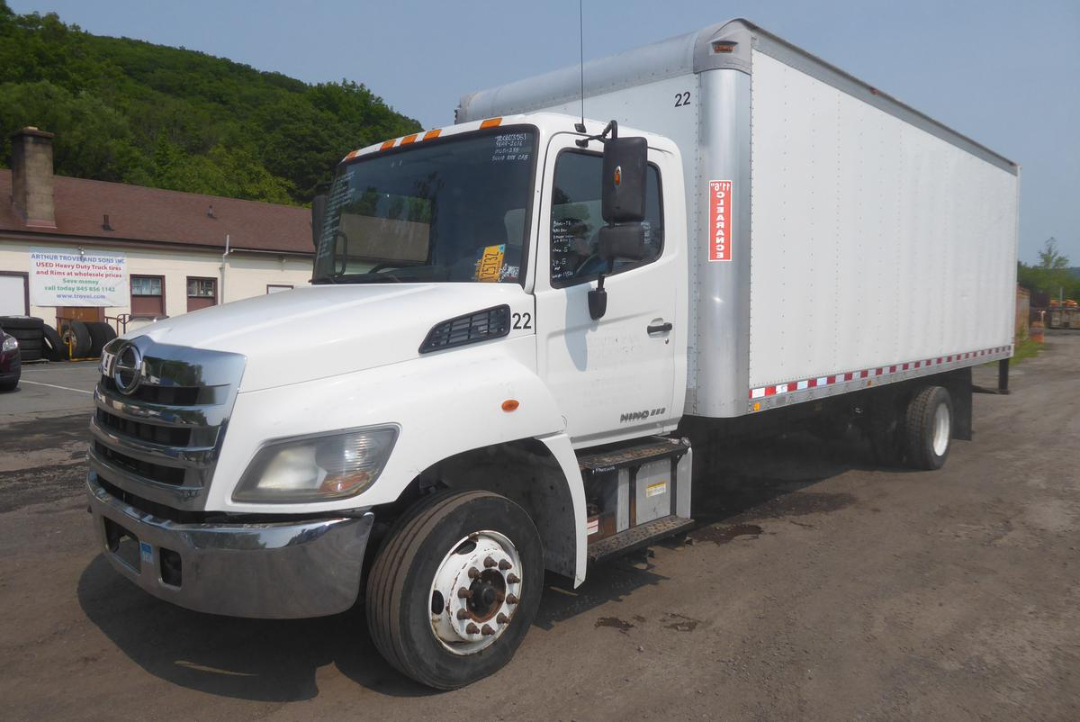
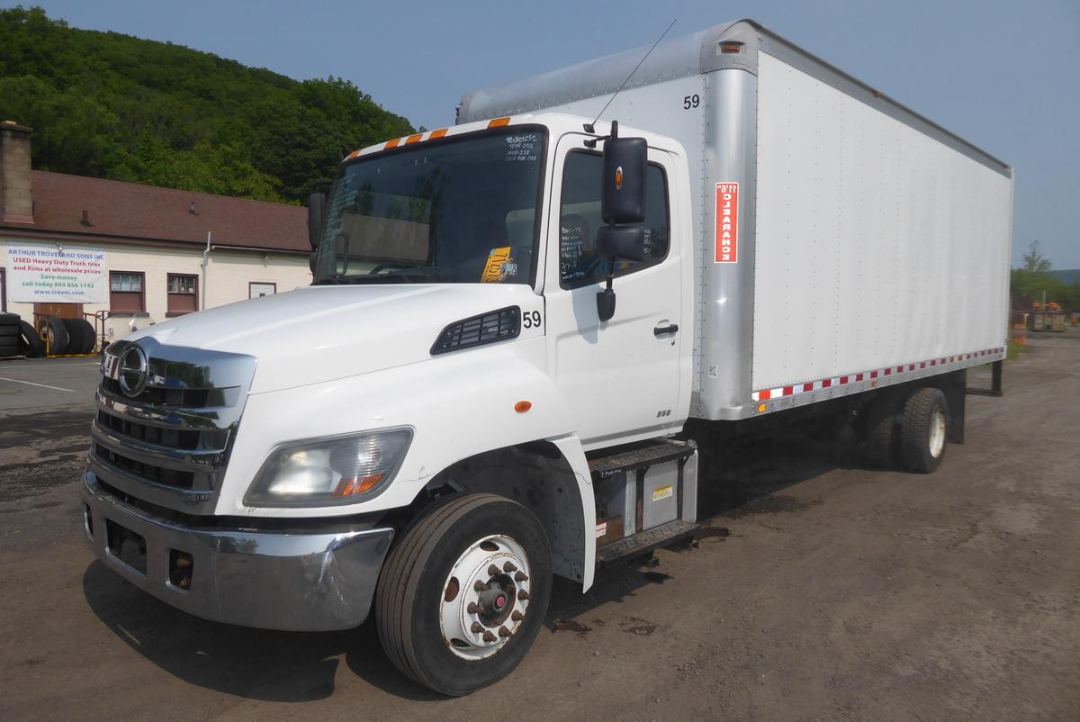
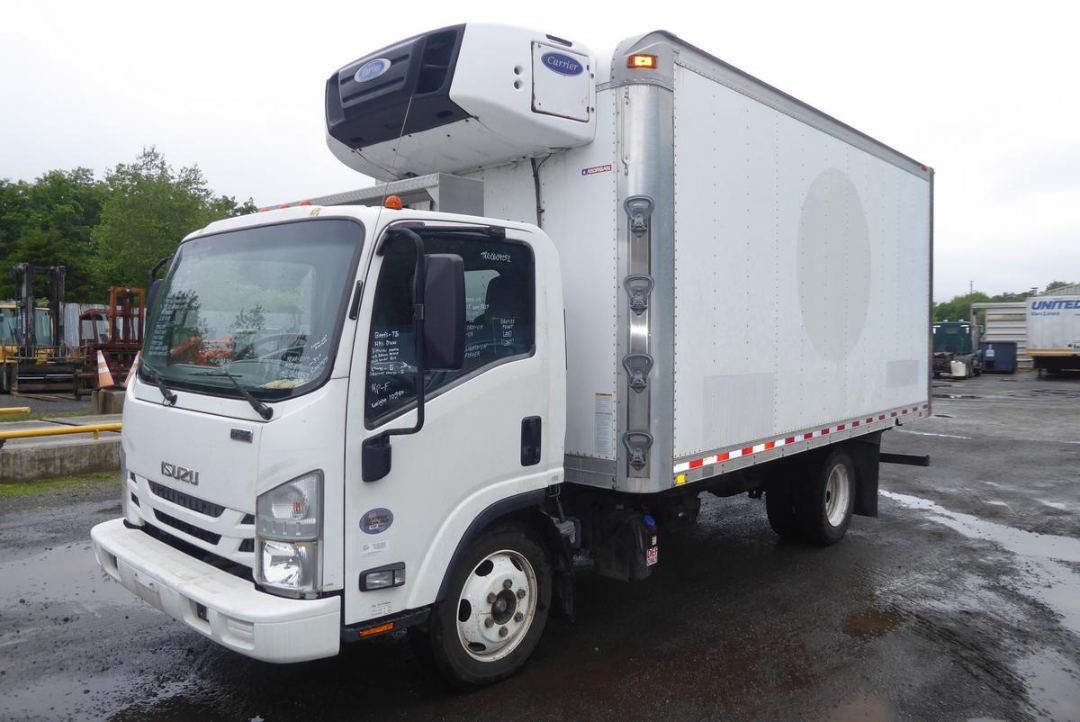
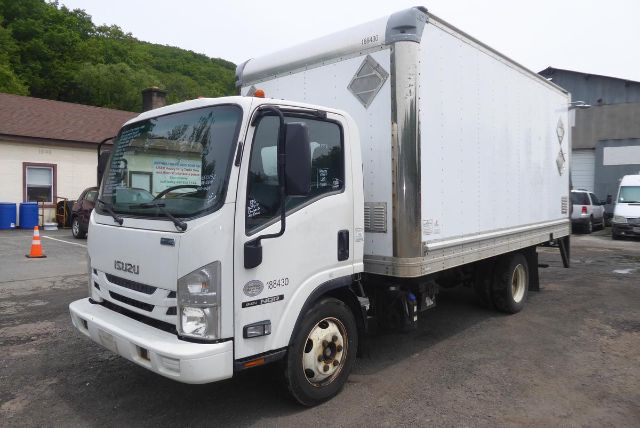
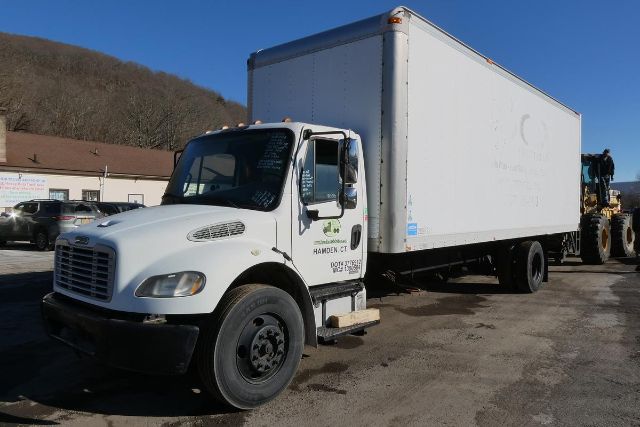
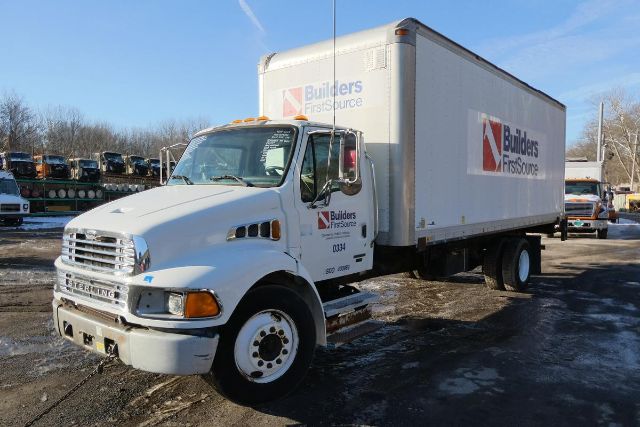
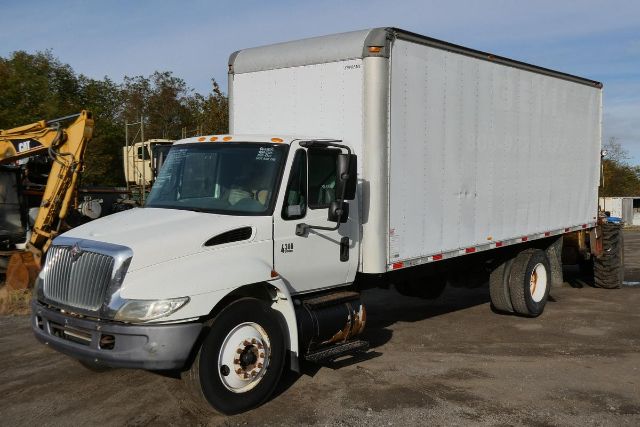
Showing 1 to 12 of 16 results
Have box truck to sell? List it here to reach thousands of buyers.
About Box Trucks in New York
Chassis choice matters as much as the box. Low-cab-forward models like Isuzu, Hino, and Mitsubishi Fuso are easier to maneuver in tight city streets, alleys, and loading zones, and they often have a shorter overall length for a given cargo body. Conventional medium-duty trucks like the Freightliner M2 or Kenworth T300 typically offer a roomier cab, more highway stability, larger front axles, and stronger upfit flexibility for heavier bodies or liftgates. Buyers should match wheelbase, cab-to-axle, and rear axle rating to the body they need, especially if the truck will carry pallets near gross weight or use a 3,000 to 4,000 lb hydraulic liftgate.
Body construction is another major separator in this category. Many box trucks use Morgan, Mickey, or similar van bodies with roll-up rear doors, translucent roofs, wood or wood-over-steel floors, and logistics track or scuff liners for load securement. Aluminum floors save weight and resist corrosion, while wood floors can be less expensive to repair in delivery service. If palletized freight is part of the job, check interior width, door opening height, and floor condition carefully. A reefer body can add value for produce, floral, dairy, or temperature-sensitive distribution, but the refrigeration unit should be evaluated separately from the truck chassis because engine-driven and self-powered systems have different maintenance profiles.
For used box trucks, operating cost and route suitability should drive the shortlist. Automatic transmissions such as Allison units are common and desirable for stop-and-go work. Diesel engines in the 200 to 260 hp range cover most medium-duty applications, while brake type, suspension, tire size, and axle ratio affect ride quality, serviceability, and urban drivability. In New York, buyers should also think about bridge clearances, body height, rust exposure, and the difference between hydraulic-brake and air-brake trucks if fleet standardization matters. A good box truck is not just the right make and model. It is the right combination of payload, cube capacity, door access, turning radius, and body condition for the route it will run every day.
Frequently Asked Questions
What size box truck is best for local delivery in New York?
For dense urban delivery routes, many buyers prefer a non-CDL or light medium-duty box truck with a 14 to 18 foot body on a low-cab-forward chassis because it is easier to park, turn, and load in tight spaces. For palletized freight, furniture, and higher-volume routes, a 20 to 26 foot body on a Class 6 or Class 7 chassis can make more sense if the streets, docks, and bridge clearances allow it. The right size depends on cargo density, stop frequency, and whether you load by hand, pallet jack, or liftgate.
Do I need a CDL to operate a box truck?
A CDL is generally required when the truck has a GVWR of 26,001 pounds or more, or when the combined rating of the truck and trailer exceeds CDL thresholds. Many box trucks are spec'd at 17,950, 19,500, or 25,500 pounds specifically to stay in non-CDL ranges. Buyers should still confirm state, federal, and insurance requirements because air brakes, passenger endorsements, or hazmat use can change the licensing picture.
What should I check on a used box truck body?
Focus on the cargo box as closely as the chassis. Inspect the floor for soft spots, patchwork, or forklift damage, and check the roof, corners, and front wall for leaks or signs of prior impact. Roll-up doors should track smoothly and seal properly. Look at scuff liner condition, logistics track attachment, rear frame corrosion, and the liftgate if equipped. A mechanically sound truck can still become an expensive repair if the body structure or floor needs major work.
Is a cab-over box truck better than a conventional box truck?
A cab-over box truck usually offers better maneuverability, a tighter turning radius, and more cargo body length for the same overall vehicle length, which is a real advantage in city work. A conventional chassis often gives the driver more legroom, easier engine access for service, and better highway comfort. Neither is automatically better. The better choice is the one that fits the route, driver preference, service network, and payload requirement.
Are liftgates and reefer units worth paying extra for on a box truck?
They are worth it when they match the freight. A liftgate is valuable for route delivery without dock access, but it adds weight, maintenance, and rear overhang considerations. A reefer body is essential for temperature-controlled freight, yet the refrigeration unit's hours, cooling performance, and repair history should be reviewed independently from the truck engine. If your operation does not need those features every day, a dry van body with a clean floor plan usually delivers lower cost and higher payload.