
Hino Box Trucks For Sale in New York
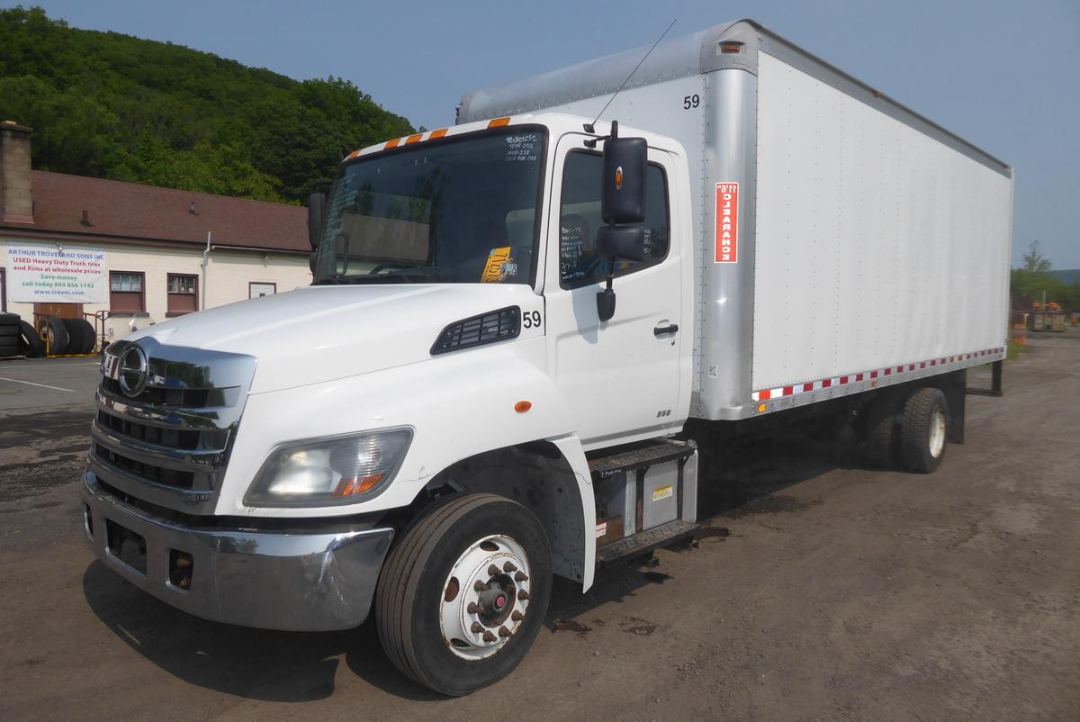
Shop Hino box trucks for sale, including popular 258 models with diesel power, automatic transmissions, and delivery-ready cargo bodies.
Learn more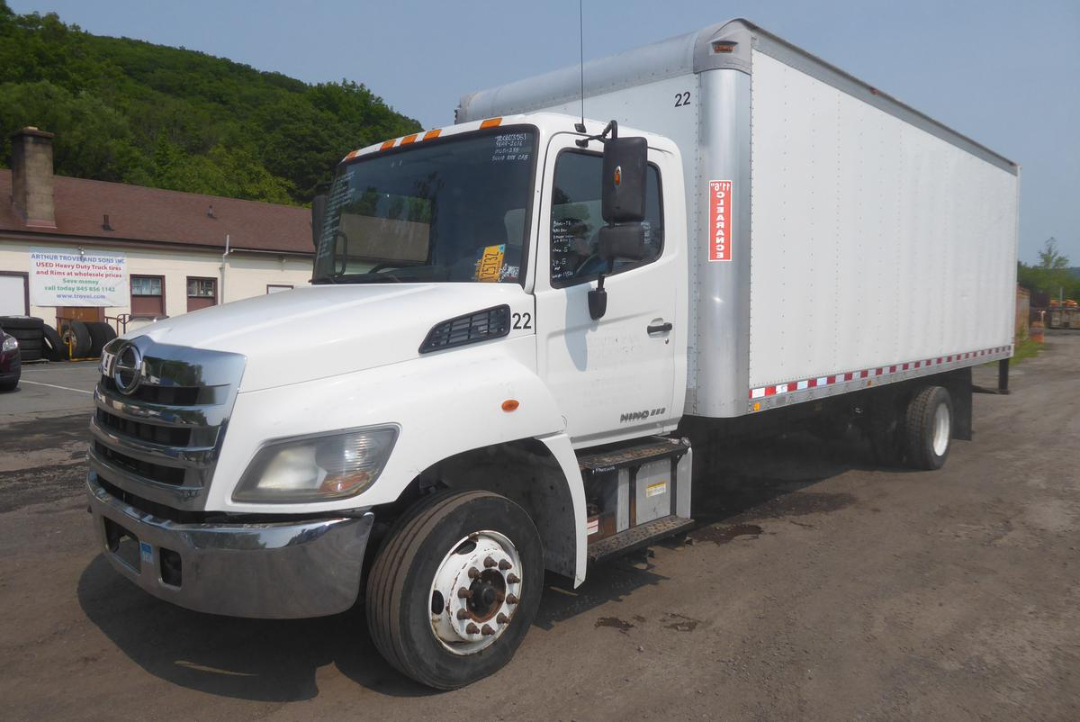
Have hino box truck to sell? List it here to reach thousands of buyers.
About Hino Box Trucks in New York
A typical Hino box truck setup includes a Hino J08-series diesel engine in the low- to mid-200 horsepower range, paired with an Allison automatic transmission. That combination is popular for stop-and-go work, multi-driver fleets, and urban delivery routes because it is easy to operate and well suited to repeated starts, tight turns, and dock work. Common chassis specs include single axle 4x2 configurations, front axles around 8,000 lb, rear axles around 17,500 lb, spring suspension, 19.5-inch wheels, and rear axle ratios selected to balance launch performance with local-road efficiency. Air brakes are common on heavier medium-duty specs and are worth noting if your operation standardizes driver qualifications and maintenance practices around air systems.
Body spec matters as much as the chassis. Buyers should compare box length, interior height, door opening dimensions, floor material, and cargo control features before narrowing down by mileage alone. Many Hino box trucks carry Morgan, Supreme, or similar van bodies with roll-up rear doors, wood floors, translucent roofs, and logistics track or scuff liner setups. In New York and other dense delivery markets, wheelbase and cab-to-axle dimensions can make a real difference in alley access, curbside loading, and dock approach angles. If liftgate use is part of the job, confirm platform size, capacity, and power operation. If palletized freight is the norm, check that body width, floor condition, and door clearance match your forklift and pallet dimensions.
Used Hino box trucks are often evaluated on service history, emissions system condition, brake and tire wear, and how the body has held up to route work. Buyers should look closely at DEF system maintenance, exhaust brake operation, frame condition, roof leaks, roll-up door alignment, and floor wear near the threshold. On medium-duty delivery trucks, cosmetic wear is normal, but deferred maintenance in the body, suspension, or transmission can affect productivity quickly. A well-matched Hino box truck can be a strong choice for final-mile, moving, wholesale delivery, and municipal support work where predictable operating costs and practical cargo capacity are the priority.
Frequently Asked Questions
What are Hino box trucks commonly used for?
Hino box trucks are commonly used for local and regional delivery, moving services, appliance and furniture transport, parcel routes, beverage distribution, and general dry freight. Their medium-duty chassis and enclosed cargo body make them a practical choice for operations that need weather protection, frequent stop-and-go performance, and easier loading at docks or curbside locations.
Is a Hino 258 box truck typically CDL required?
Many Hino 258 box trucks are spec'd at 25,500 lb GVWR, which is just below the 26,001 lb federal CDL threshold. That means they are often operated without a CDL, but the exact requirement depends on the truck's GVWR, any trailer being towed, air brake rules in your area, and your company's insurance or fleet policies. Buyers should always confirm the door sticker and registration class rather than assume by model name alone.
What specs matter most when comparing used Hino box trucks?
The most important specs usually include GVWR, box length, wheelbase, cab-to-axle dimension, engine rating, transmission model, rear axle ratio, suspension type, and whether the truck has air brakes. On the body side, buyers should compare rear door opening size, floor material, roof condition, logistics track, scuff liners, and liftgate capacity if equipped. These details affect payload, route suitability, and loading efficiency more than model year by itself.
Are Hino box trucks good for city delivery in New York?
Hino box trucks are well suited to New York delivery work because they are built for medium-duty urban use, typically offer tight enough maneuverability for dense commercial areas, and are commonly paired with Allison automatic transmissions that work well in stop-and-go traffic. The right wheelbase and box length are critical, though, because a truck that works in suburban route delivery may be too long for tighter borough streets, older loading docks, or alley access.
What should I inspect on a used Hino box truck before buying?
A buyer should inspect engine and transmission service records, DEF and aftertreatment history, brake wear, tire condition, suspension components, steering play, and any signs of frame corrosion. On the box, check for roof leaks, soft spots in the floor, roll-up door damage, body corner repairs, and worn cargo control hardware. A box truck earns its keep through uptime, so body integrity and maintenance history are just as important as drivetrain condition.