
Sterling Box Trucks For Sale in New York
Browse Sterling box trucks for sale in New York. Compare Acterra specs, GVWR, box lengths, liftgates, diesel engines, and delivery setups.
Have sterling box truck to sell? List it here to reach thousands of buyers.
Sterling Box Trucks in New York
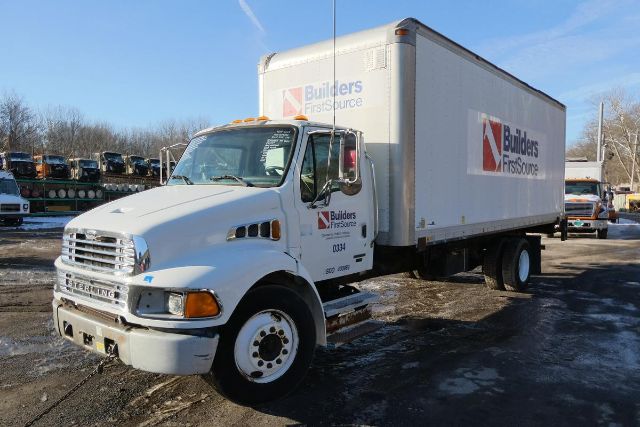
A Sterling box truck buyer should start with GVWR, cab-to-axle, and body length. Common medium-duty Sterling setups fall into Class 6 and Class 7 territory, often around the 25,500 to 33,000 pound GVWR range depending on axle ratings and suspension. Front axle ratings around 8,000 pounds and rear ratings in the 17,500 pound range are typical on lighter single-axle configurations, though heavier specs exist. Wheelbase and cab-to-axle dimensions determine what body can be mounted and how the truck balances loaded weight across the axles. If the truck already has a van body, look closely at floor type, door opening height, scuff protection, roof condition, and whether the liftgate cycles smoothly under load.
Powertrain and brake specs deserve close attention on older Sterling trucks because these units were built with a range of engine and transmission combinations. Buyers will often see Mercedes diesel engines in this make, along with manual or automatic transmissions depending on the original application. Rear axle ratio affects startability, highway speed, and fuel economy, so a truck geared for stop-and-go urban service may feel very different from one built for longer suburban routes. Suspension type, tire size, and brake system also change the ownership picture. Spring suspension is common and durable, while hydraulic brakes are often seen on lower-GVWR medium-duty trucks and can be perfectly suitable for delivery service if maintenance history is solid.
Condition matters as much as spec on a used Sterling box truck. Inspect the frame for corrosion, body mounts for cracking, and the box itself for water intrusion, rotten wood flooring, wall delamination, and roll-up door wear. On New York trucks, rust around crossmembers, liftgate structure, fuel tanks, brake lines, and cab steps is worth careful attention. Also confirm title status, actual box manufacturer, and whether any aftermarket equipment such as demountable systems, shelving, or cargo control was added for a specific route application. A well-matched Sterling box truck can still be a cost-effective solution for buyers who need a medium-duty delivery truck with straightforward mechanicals and a body already configured for real work.
Frequently Asked Questions about Sterling Box Trucks in New York
What are the most important specs to compare on a Sterling box truck?
GVWR, cab-to-axle, wheelbase, body length, and rear axle rating are the first numbers to verify because they determine payload capacity and how well the truck matches the intended box body. After that, compare engine make, transmission type, axle ratio, brake system, and liftgate capacity. On a used box truck, body condition is just as important as chassis spec because floor repairs, roof leaks, and door issues can quickly add cost.
Is a Sterling Acterra a good choice for local delivery work?
The Sterling Acterra was widely used in medium-duty delivery applications because it offers a straightforward chassis, good visibility, and common box truck configurations. It fits many dry freight, moving, retail delivery, and route service jobs, especially in single-axle form with a 22 to 26 foot body. The right choice depends on the actual spec, particularly GVWR, axle ratio, and whether the truck was built for city work or more frequent highway miles.
What should I inspect on a used Sterling box truck in New York?
Rust and corrosion should be high on the list, especially on the frame, crossmembers, cab mounts, steps, brake lines, suspension hangers, and liftgate structure. Check the box roof for leaks, inspect the wood floor for soft spots, and make sure the roll-up door tracks and seals are in good shape. It is also smart to confirm that the liftgate operates correctly, the body serial tag matches the equipment, and the truck's axle ratings still align with the work you plan to do.
Are older Sterling box trucks hard to maintain?
Maintenance depends more on the engine, transmission, brake system, and body components than on the badge alone. Many Sterling medium-duty trucks used widely known engines, transmissions, axles, and body equipment from major suppliers, which helps with serviceability. Parts sourcing can take more planning on some older chassis items, so buyers should pay attention to the exact powertrain and component brands when evaluating long-term upkeep.
What body features add the most value on a box truck?
A solid dry van body with a leak-free roof, healthy floor, smooth roll-up door, and a working liftgate usually adds the most practical value. Buyers should also look for interior scuff liners, E-track or other cargo securement, translucent roof panels for visibility, and door dimensions that match the freight being handled. If the truck will be used on multi-stop routes, a dependable liftgate and easy dock access can matter more than an extra foot of box length.