
Ford Box Trucks For Sale in New York
Browse Ford box trucks with common specs, GVWR ranges, body sizes, and buyer tips for delivery, moving, service, and local route work.
Learn more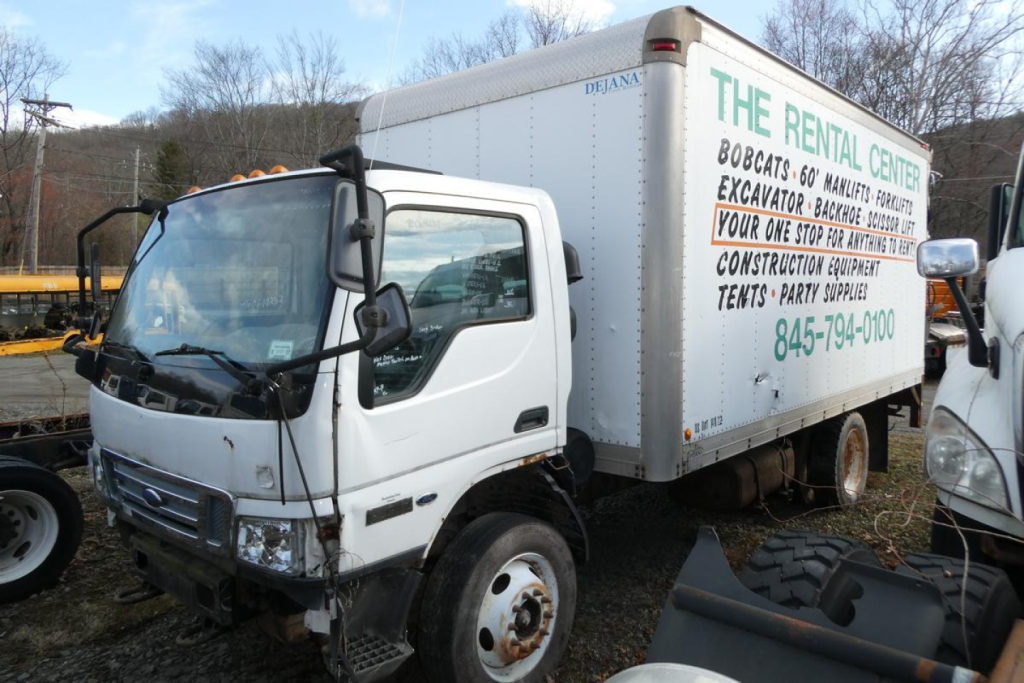
Have ford box truck to sell? List it here to reach thousands of buyers.
About Ford Box Trucks in New York
The first decision is usually chassis class and engine package. Ford box trucks are commonly found in lighter-duty configurations such as E-Series cutaways and F-Series cab chassis, along with models like the LCF in older low-cab-forward applications. Typical GVWR ranges can run from around 12,500 pounds up to 26,000 pounds depending on the chassis, body, and intended use. Buyers should compare wheelbase, cab-to-axle, and body length together because those dimensions determine cargo cube, rear overhang, and turning radius. Common body lengths include 12-foot, 14-foot, 16-foot, 18-foot, and 20-foot boxes, with features such as translucent roofs, wood or hardwood floors, E-track, scuff liners, liftgates, and curb-side access doors varying by application.
Powertrain and brake configuration deserve close attention on used Ford box trucks. Gas-powered models can make sense for lower annual mileage and easier cold-weather service, while diesel units may offer better torque for heavier payloads or stop-and-go delivery work. Older models may use automatic transmissions paired with hydraulic brakes in lighter GVWR classes, while heavier units may step into air brake configurations depending on the chassis. In New York, rust, brake line condition, frame corrosion, door hardware wear, and box water intrusion are major inspection points. A clean cargo body with a solid floor and good roll-up door can be as important as engine condition, especially if the truck will be used for furniture, parcel, or appliance delivery.
Body spec matters just as much as the badge on the hood. A Ford box truck set up for final-mile delivery may need a tuckunder liftgate, low deck height, and a walk ramp. A truck intended for contractor use may benefit more from shelving, cargo tie-downs, and a strong rear step bumper. Buyers comparing listings should look past model year alone and focus on actual payload after body installation, axle ratings, tire size, roof height, and service history. The right Ford box truck is the one whose chassis, cargo body, and duty cycle line up without leaving you short on cube, overweight on the rear axle, or oversized for the routes you run.
Frequently Asked Questions
What should I look at first when buying a used Ford box truck?
Start with GVWR, body length, wheelbase, and the truck’s actual intended use. Those four points will tell you whether the chassis is correctly matched to the cargo body and route type. After that, inspect the cargo box condition closely, including floor rot, roof leaks, roll-up door operation, and signs of sidewall damage. On New York trucks, rust on the frame, cab corners, brake lines, and body mounts is especially important because corrosion can turn a workable truck into a costly repair project.
Are Ford box trucks good for city delivery routes?
Ford box trucks are commonly used for city and regional delivery because parts and service access are strong, and many configurations are easy to maneuver in tighter streets and loading areas. The best city setup usually includes the right wheelbase-to-body ratio, a practical rear door opening, and equipment such as a liftgate or side door that fits the freight type. Buyers operating in dense urban areas should also check overall height, mirror setup, turning radius, and visibility from the cab.
What body sizes are common on Ford box trucks?
Common Ford box truck body lengths typically range from 12 feet to 20 feet, with 16-foot and 18-foot bodies being especially common for general freight, moving, and delivery work. The right size depends on both cargo cube and payload, not just box length. A longer body can add useful volume, but it also affects rear overhang, turning ability, and axle loading. Matching body size to wheelbase and rear axle capacity is more important than simply choosing the biggest box available.
Do Ford box trucks usually have gas or diesel engines?
Ford box trucks can be found with either gas or diesel engines depending on chassis class, model year, and application. Gas engines are often favored for lighter-duty fleets, lower annual mileage, and simpler maintenance planning. Diesel engines are more common in certain medium-duty or older delivery applications where torque and fuel economy under load are priorities. Buyers should evaluate engine type based on route length, idle time, payload, service support, and emissions-era complexity.
How important is the cargo body condition on a box truck?
Cargo body condition is critical because the box is the revenue-producing part of the truck in most delivery applications. A weak floor, leaking roof, damaged corners, or failing roll-up door can reduce uptime and create safety or cargo claims issues even if the chassis runs well. Buyers should inspect the floor from underneath when possible, check for patched roof seams, test door balance and latch function, and look for worn scuff liners or interior damage that may indicate heavy abuse.